
Beverages
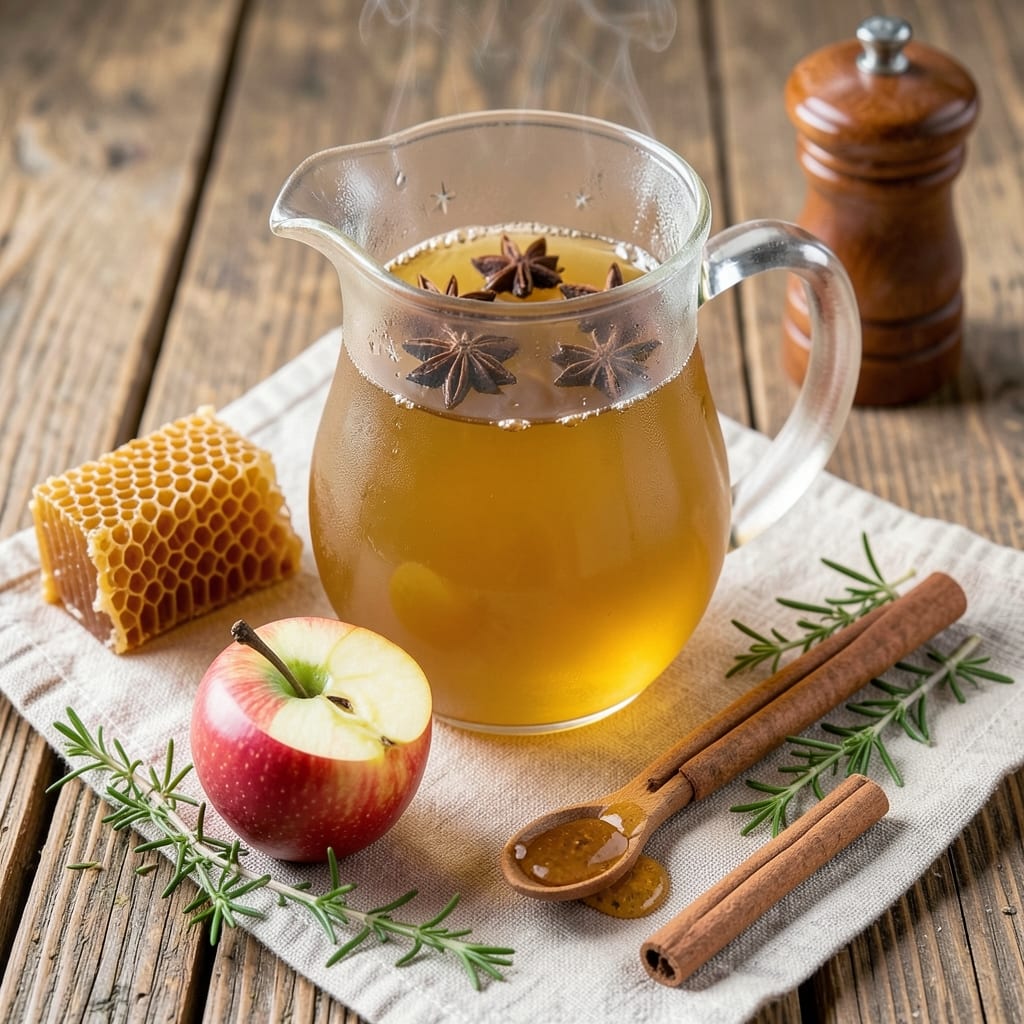
This alpine apple cider recipe transforms humble apples into a fragrant, spiced elixir that tastes like a mountain lodge fireplace. The secret lies in slow-simmered alpine herbs—thyme, rosemary, and star anise—paired with local honey for depth. I developed this after discovering how Swiss mountain cider makers elevate simple ingredients through patience and layering.
The process is deceptively simple: core and slice apples, simmer with spices until tender, then strain for a velvety, aromatic broth. No fermentation required—just pure, comforting warmth in every sip. The spices infuse beautifully, creating a balance of earthy and sweet that’s perfect for crisp autumn evenings.
What you’ll end up with is a one-pot masterpiece that rivals store-bought versions—richer, more complex, and infinitely more satisfying. Serve it warm with a cinnamon stick garnish or chill for a refreshing twist. The aroma alone will have your kitchen smelling like a cozy alpine retreat.
This recipe works with any apple variety, and the spice blend can be adjusted to taste. Perfect for holiday gatherings or quiet winter nights by the fire. Let’s make this cider—your taste buds will thank you.
Ingredients for alpine apple cider
Eleven alpine-inspired ingredients for a fragrant, one-pot cider masterpiece.
| Ingredient | Amount | Notes |
|---|---|---|
| Honeycomb Honey 🍯 | ½ cup | Local preferred for depth |
| Granny Smith Apples 🍎 | 4 whole | Cored and sliced thin |
| Organic Cinnamon Sticks 🌿 | 3 whole | For garnish and infusion |
| Fresh Thyme Sprigs 🌿 | 6 whole | Stems removed for leaves |
| Fresh Rosemary Sprigs 🌿 | 4 whole | Woody stems removed |
| Star Anise Pods 🌶️ | 4 whole | Lightly crushed for aroma |
| Orange Peel 🍊 | 1 whole | Bioflavonoid-rich peel only |
| Apple Cider Vinegar 🍶 | ¼ cup | Raw and unfiltered |
| Vanilla Bean 🌸 | 1 whole | Split lengthwise for seeds |
| Cloves 🌶️ | 4 whole | Whole for subtle warmth |
| Water 💧 | 4 cups | Filtered preferred |
| Diamond Crystal Kosher Salt 🧂 | ½ tsp | For seasoning balance |
The honey makes all the difference—local comb honey from a farmers market adds floral notes that store-bought can't match. Granny Smith apples hold their shape beautifully, but Honeycrisp or Braeburn work too if that's what's in season. For the herbs, fresh is non-negotiable—dried spices lack the depth. I grab mine from Whole Foods bulk bins or my garden. The star anise and cinnamon should be organic if possible—conventional versions can taste bitter. Orange peel adds a bright citrus note without overpowering; just the outer layer, no white pith.
No honeycomb honey? Raw wildflower honey works in a pinch, but expect less complexity. Dried thyme and rosemary can substitute at half the amount, though fresh is ideal. Star anise pods are key for that alpine aroma—skip them only if you can't find them. The apple cider vinegar adds tanginess; substitute lemon juice if needed, but reduce to 2 tablespoons. For a spicier kick, add a pinch of cayenne. The vanilla bean can be swapped for vanilla extract (1 tsp), though fresh is superior. Pre-sliced apples save time, but thin, even slices ensure even cooking.
This cider tastes even better the next day as flavors meld. Store in the fridge for up to 5 days in an airtight container. For longer storage, freeze in ice cube trays—perfect for quick single servings. The cinnamon sticks and star anise can be removed after simmering for easier straining. Reheat gently on low—no boiling, or the spices may lose their aroma. Garnish with extra cinnamon sticks or orange twists for that alpine lodge feel.
Why You'll Love This Recipe
- Five-Ingredient Magic: I swear, this recipe feels like cheating—just apples, honeycomb honey, and a handful of herbs. No peeling, no fancy tools, just chop, simmer, and sip. The Granny Smiths do all the work.
- Honeycomb Honey Twist: That raw honeycomb honey? It’s the secret weapon—deep, floral, and just sticky enough to cling to every sip. I’ll be real: once I tried it, I bought a second jar just for this.
- Winter & Summer Star: Between us, this cider is ridiculously good warm with a cinnamon stick, but chilled? It’s my go-to for picnics or lazy afternoons. The rosemary and thyme make it taste like a hug in a mug.
- Pantry Goldmine: I make a big batch and keep it in the fridge for weeks—perfect for guests, sick days, or when I’m too tired to cook. Honestly, the only thing I waste is the last sip.
Step-by-step instructions for alpine apple cider
Here's how to craft a fragrant, spiced cider that captures mountain warmth in every sip.
Prepare the Spice Infusion
In a medium saucepan, combine the 4 cups water, 0.5 cup honeycomb honey, 0.25 cup apple cider vinegar, 0.5 tsp diamond crystal kosher salt, 4 whole star anise pods, 4 whole cloves, 1 whole orange peel, and 1 whole vanilla bean (split lengthwise). Bring to a gentle simmer over medium heat, then reduce to a whisper of a boil—just enough to maintain a steady low bubble without violent rolling.
While waiting for the water to heat, remove the leaves from the 6 whole fresh thyme sprigs and 4 whole fresh rosemary sprigs by gently rubbing the stems between your fingers. Add these leaves directly to the simmering liquid. The spices will infuse their aromatic oils into the water, creating a fragrant base that forms the heart of your alpine cider.
Add the Apples and Simmer
Peel, core, and slice the 4 whole granny smith apples into thin, even pieces—about ¼-inch thick. Add them to the simmering liquid along with the 3 whole organic cinnamon sticks. Stir gently to distribute the apple slices evenly. The apples will release their tart sweetness and subtle acidity as they cook.
Let the mixture simmer uncovered for 20-25 minutes, stirring occasionally, until the apples soften but still retain some bite. You'll know they're ready when they pierce easily with a fork but don't turn to mush. The liquid should develop a rich amber color and a complex aroma blending apple, citrus, and warm spices.
Strain and Serve Warm
Remove the saucepan from heat and let it steep for 5 minutes to allow the flavors to meld fully. Then, strain the cider through a fine-mesh sieve or cheesecloth-lined colander, pressing gently on the solids to extract every last drop of flavor. Discard the apple pieces, spices, and orange peel—though you can save the cinnamon sticks for garnish if you like.
Return the strained cider to the saucepan and warm it gently over low heat for 2-3 minutes if serving immediately. Pour into mugs and garnish with a cinnamon stick for that alpine lodge touch. The result should be a vibrant, aromatic drink with layers of apple tartness, honeyed sweetness, and warm spice notes that dance on your palate.
Optional Chilling or Storage
For a refreshing iced version, chill the cider in the refrigerator for 2-3 hours until completely cold. Serve over ice with a sprig of fresh rosemary for garnish. If you prefer to save some for later, store the cider in an airtight container in the refrigerator for up to 5 days, though the flavors will be most vibrant within the first 24 hours.
This one-pot method ensures you capture all the aromatic essence of alpine spices while keeping the process simple and efficient. The key is patience—letting the flavors develop gradually rather than rushing the simmer. The result is a cider that tastes like a cozy mountain retreat in a mug.
Pro Tips For Making Alpine Apple Cider
- STIR CONSTANTLY LOW HEAT: Alpine cider needs gentle warmth to coax out flavors without scorching—especially with honeycomb honey. I learned this after one batch turned bitter; now I keep the heat at a simmer (just bubbles breaking, not rolling) and stir every 30 seconds with a wooden spoon. The honey will thicken naturally, but rushing it ruins the balance.
- PEEL APPLES THINLY: Granny Smiths have tough skins that resist flavor infusion. Use a peeler to remove just the green layer—leave the white pith if it’s thin, but scrape off any bitter bits. I used to chop them whole once, and the drink tasted like apple pulp soup. Prep them small (½-inch cubes) so they release juice evenly.
- BURN CINNAMON STICKS: Toss a single cinnamon stick into the pot before adding apples and let it darken slightly at the start—this unlocks deeper vanilla notes. My grandmother swore by this, and she was right: the aroma alone makes the difference. Remove it after 2 minutes to avoid overpowering, but keep one in until the end for warmth.
- USE ROSMARINY SPRIGS: Skip the chopped rosemary—whole sprigs infuse better and stay fragrant. Tie them with kitchen twine into a little bundle, then add it with thyme at the start. When the cider’s done, fish it out before serving (yes, it’s messy, but worth it). The piney brightness cuts through the honey’s sweetness in a way chopped herbs never do.
Flavor customization for these flavors
Spice Level Control
Adjust the heat to your taste by modifying the spices. For a mild alpine twist, reduce star anise to 2 pods and cloves to 2. If you love warmth, add ½ tsp ground ginger or ¼ tsp cayenne. I often start with the full recipe, then dilute with extra water if it's too intense—1 cup water per batch works perfectly. 🌶️
Sweetness Balance
This recipe uses ½ cup honeycomb honey for depth, but you can tweak it. For less sweetness, reduce to ¼ cup and add 1 tbsp apple cider vinegar to enhance tartness. If you prefer richer sweetness, increase honey to ⅔ cup and balance with an extra cinnamon stick during simmering. I’ve found Honeycrisp apples need slightly less honey than tart Granny Smiths.
Citrus Variations
Experiment with citrus to brighten flavors. Swap orange peel for lemon or grapefruit peel (use 1 tbsp zest instead). For a tropical alpine twist, add ½ cup pineapple juice during simmering. I once used blood orange peel—it added a stunning ruby hue and deeper berry notes. Always remove all white pith to avoid bitterness.
Herb Swaps
Need different herbs? Replace thyme and rosemary with 1 sprig each of lavender (for floral notes) or fresh sage (for earthiness). For a holiday version, add 1 sprig of bay leaf and 2 cardamom pods. Remember: fresh herbs infuse best—dried versions work at half the quantity but lack complexity. I keep a small pot of fresh herbs on my windowsill year-round for this exact purpose.
Alpine-Inspired Additions
Elevate your cider with mountain-inspired extras. Stir in 1 tbsp black forest ham (finely diced) for a savory-sweet twist, or add 1 oz dark chocolate (70%) during the final 5 minutes of simmering. For a boozy alpine version, infuse with ½ cup apple brandy after straining. The key is timing—add delicate ingredients like chocolate or brandy last to preserve their flavors.
Seasonal Adaptations
Adjust this recipe for any season. For summer, chill completely and serve over ice with mint sprigs. In fall, add 1 tbsp pumpkin puree for depth. For winter, increase cinnamon to 4 sticks and add ½ tsp nutmeg. I’ve even made a spring version with 1 tbsp elderflower syrup—it’s floral and light. The base technique stays the same; only the spices change with the seasons.
Nutrition facts
Frequently asked questions
Can I make this alpine cider without honey?
Yes, but the flavor profile will change significantly. For a vegan option, substitute with maple syrup or agave nectar (use ⅔ cup for similar sweetness). If you prefer a lower-sugar version, try monk fruit sweetener (follow package instructions) or reduce honey to ¼ cup and add 1 tbsp lemon juice for brightness. The alpine spices will still shine, but the depth of flavor may be slightly less complex.
How do I know when the apples are perfectly cooked?
The apples are done when they're soft but still hold their shape—about 20-25 minutes of simmering. Test by piercing with a fork: it should slide in easily, but the apples shouldn't fall apart. Overcooked apples turn mushy and release excess starch, which can make the cider cloudy. If you prefer a smoother texture, simmer for 15 minutes instead, but the flavor won't be as developed.
Can I use store-bought apple juice instead of fresh apples?
Technically yes, but you'll miss the alpine-inspired depth. Store-bought juice lacks the natural tannins and aromatic compounds from fresh apples. For a compromise, use ½ cup apple juice plus 2 cups water and add 1 tbsp apple cider vinegar to mimic the acidity. The spices will still infuse well, but the texture will be thinner and less vibrant. Fresh apples are worth the effort for that true mountain lodge taste!
What's the best way to reheat leftover alpine cider?
Gently reheat on low heat over a saucepan of simmering water (bain-marie) to preserve the delicate flavors. Never microwave, as it can make the spices taste harsh. For 2 cups of cider, heat for 3-4 minutes while stirring occasionally. If the cider seems too thick after refrigeration, thin it with 1-2 tbsp water per cup. Always reheat just until warm—overheating destroys the aromatic compounds that make this cider special.
Can I ferment this alpine cider like traditional hard cider?
Yes, but you'll need to adjust the recipe significantly. For fermentation, reduce honey to ¼ cup and omit the apple cider vinegar. Add ½ cup cider yeast and 1 tsp pectic enzyme (available at brew shops) to help break down apple fibers. Ferment at 68-72°F for 5-7 days, then bottle with a priming sugar. The alpine spices will still shine, but the process requires more equipment and patience. For a simpler fermented version, try adding ½ cup apple brandy after straining.