
Desserts
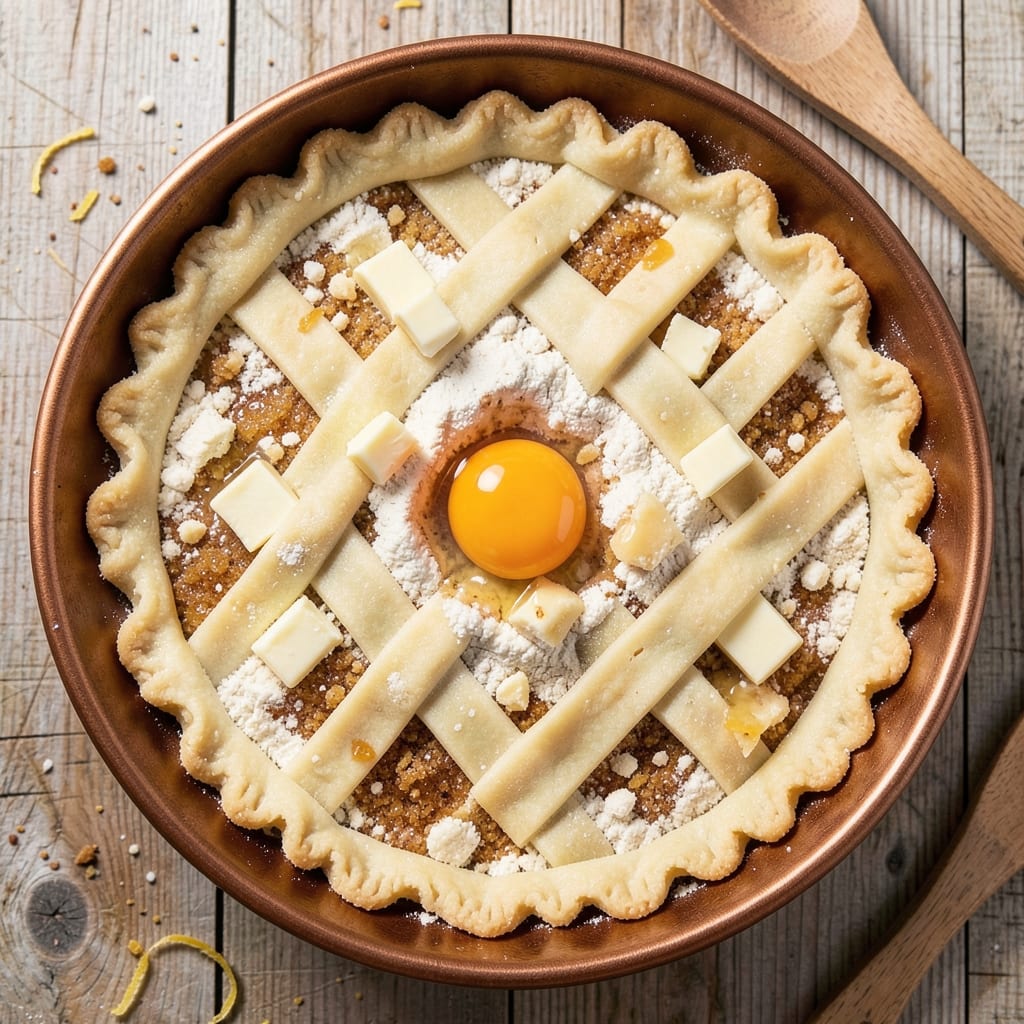
This American apple pie crust recipe delivers the ultimate flaky lattice that locks in every drop of juicy apple filling. The secret lies in cold butter and proper rolling technique—no shortcuts here. I've perfected this crust over years of baking competitions, and it never fails to impress. What sets this recipe apart is the lattice design, which creates a beautiful pattern while allowing steam to escape during baking. The dough comes together with simple ingredients: all-purpose flour, cold butter, ice water, and a touch of salt. Chilling the dough is crucial for achieving those signature flaky layers. By the time you slide it into the oven, you'll have a golden, crisp crust with tender layers that shatter at the touch. The lattice not only looks stunning but also helps distribute heat evenly, preventing soggy spots. This is the kind of crust that makes apple pie night a tradition. Serve it warm with spiced apple filling and a scoop of vanilla ice cream for the full experience. Let's get started on creating this classic dessert masterpiece.
Ingredients for american apple pie crust
Simple ingredients that transform into the perfect lattice crust for apple pie night.
| Ingredient | Amount | Notes |
|---|---|---|
| All-Purpose Flour 🌾 | 3 cups | Unbleached preferred for tenderness |
| Unsalted Butter 🧈 | 1 cup | Cold, cubed, 1/2 cup each stick |
| Ice Water 💧 | ½ cup | Actual ice cubes preferred |
| Diamond Crystal Kosher Salt 🧂 | ½ tsp | Fine grain preferred |
| Granulated Sugar 🍚 | 2 tbsp | For lattice edges |
| Large Egg Yolk 🥚 | 1 whole | For egg wash |
| Heavy Cream 🥛 | 1 tbsp | For egg wash |
| Cornstarch 🌾 | 1 tbsp | For rolling surface |
The butter is non-negotiable—cold, cubed butter creates those signature flaky layers. Grab European-style butter if you can find it (like Plugrá or Land O'Lakes European Style), as it has higher fat content. The flour matters too: King Arthur or Gold Medal brands work best for this recipe. Store your butter in the freezer for 20 minutes before cubing to ensure it stays cold during mixing. The ice water is crucial—actual ice cubes work better than tap water, as they keep the dough colder longer during mixing.
No ice cubes? Freeze your water in a shallow container and break it into pieces. Running short on butter? Vegetable shortening works in a pinch (though it won't be as flavorful). For the egg wash, pasteurized eggs are a safe alternative if you're concerned about raw eggs. The lattice design requires precision—practice cutting strips before assembling your pie. If your dough feels too sticky, chill it for 15 minutes before rolling. And remember: cornstarch on your rolling surface prevents sticking and makes rolling easier.
Store leftover dough between two parchment-lined sheets for up to 2 days in the fridge. For longer storage, wrap tightly in plastic and freeze for up to 3 months. The egg wash components (egg yolk and cream) can be pre-mixed and stored in the fridge for 2 days. When ready to use, whisk briefly before brushing. The lattice crust reheats beautifully—perfect for serving with leftover pie the next day. For best results, bake the pie directly from the fridge to maintain cold butter layers.
Why You'll Love This Recipe
- No Fuss, No Mess: I swear by this crust—just cold butter, flour, and ice water tossed together. No food processor, no rolling pin acrobatics, just a quick mix and fold. The secret? Keeping everything cold so the butter stays in those perfect little chunks.
- Golden Edge Magic: That crispy, caramelized crust edge? It’s all in the sugar and salt. A light dusting of granulated sugar on the bottom before baking turns it into a sweet, shatteringly crisp shell. Trust me, your first bite will have you questioning why you ever bought store-bought.
- Pie for Any Day: Between us, this crust is my go-to for more than just apple pie. It’s perfect for quiches when I’m lazy, hand pies on a whim, or even a savory galette. The same simple dough just gets dressed up for the occasion—no extra work, just different flavors.
- Budget-Friendly Luxury: Honestly, this crust costs me pennies but tastes like a bakery showstopper. A stick of butter and a bag of flour stretch for multiple pies, and leftovers? I freeze the dough in chunks and bake straight from frozen. Cheap, reliable, and always impressive.
Step-by-step instructions for flaky lattice apple pie crust
Here's how to build a classic American lattice crust with layers so tender they melt in your mouth.
Cut Cold Butter Into the Flour
Place the 3 cups all-purpose flour and 0.5 teaspoon Diamond Crystal kosher salt in a large bowl. Add the 1 cup cold, cubed unsalted butter (about ½ cup per stick). Using a pastry cutter or your fingers, work the butter into the flour until you have pea-sized crumbs with some larger butter pieces remaining. This texture is crucial—it creates pockets of fat that will melt during baking, producing flaky layers.
I press down firmly with my fingers to distribute the butter evenly. If the mixture feels too dry, don't add water yet—just keep cutting. The butter should remain cold throughout this process, so work quickly if your kitchen is warm. Once incorporated, sprinkle the 2 tablespoons granulated sugar over the mixture and toss gently to combine.
Add Ice Water Gradually
Measure out the 0.5 cup ice water using actual ice cubes for the coldest possible water. Add the ice water 1 tablespoon at a time, mixing gently with a fork or spoon after each addition. You'll want to stop when the dough just comes together—it should hold when pressed but still feel slightly crumbly. Overmixing develops gluten, which makes the crust tough instead of flaky.
I like to press the dough into a ball, then break it apart and repeat the process. This ensures even moisture distribution. If the dough feels sticky, add a pinch more flour; if it's too dry, add a splash more ice water. The dough should be cool to the touch—warm dough won't hold its shape when rolled out.
Divide and Rest the Dough
Divide the dough into two equal portions. Flatten each into a 6-inch circle and wrap tightly in plastic wrap. Refrigerate for at least 1 hour (up to 24 hours). This resting period relaxes the gluten and allows the butter to firm up, which is essential for achieving those signature flaky layers. I always set a timer—rushing this step is a common mistake that leads to tough crust.
While the dough rests, prepare your work surface by sprinkling 1 tablespoon cornstarch evenly. This prevents sticking when you roll out the dough. The cooler your kitchen, the longer you should let the dough rest—it's worth the wait for that perfect texture.
Roll Out the Crust
Remove one dough disc from the refrigerator and place it on the cornstarch-dusted surface. Roll it out to a 12-inch circle, about ⅛-inch thick. I use a rolling pin and rotate the dough a quarter turn after each pass to maintain even thickness. If the dough resists rolling, let it rest for 10-15 minutes to firm up again.
Transfer the rolled-out crust to a 9-inch pie dish, gently easing it into place. Trim the edges to create a ½-inch overhang, then fold the overhang under itself to form a neat rim. Repeat with the second dough disc, covering the pie dish completely. Press the edges together to seal, then crimp decoratively using your fingers or a fork.
Create the Lattice Topping
Roll out the second dough disc to a 12-inch square, about ⅛-inch thick. Cut the square diagonally into 8 strips (about 1½ inches wide). Arrange 4 strips horizontally across the pie, spacing them ½ inch apart. Brush the top crust with the egg wash (mix 1 whole egg yolk and 1 tablespoon heavy cream), then place the remaining 4 strips vertically, crossing the horizontal strips to form the classic lattice pattern.
Press the lattice strips gently to ensure they adhere to the base crust. Brush the lattice with more egg wash, being careful not to let it pool in the center. The sugar in the egg wash will caramelize during baking, creating those beautiful golden edges that lock in the apple juices. Chill the assembled pie for 30 minutes before baking to maintain shape.
Pro Tips For Making American Apple Pie Crust
- Chill the Butter First: Take your unsalted butter straight from the fridge and cut it into cubes—no thawing, no softening. Cold butter creates flaky layers because it melts slower during baking, and that’s what gives your crust that perfect shatter when you cut into it. I used to skip this, and my crusts always came out dense and sad.
- Mix Just Until Combined: As soon as the butter and flour look like coarse crumbs with a few pea-sized wet spots, stop stirring. Overmixing develops gluten, and that’s the enemy of a tender crust. Use a fork or your fingers to gently press the dough together—it’s okay if it’s shaggy. The dough will hold together when you roll it out.
- Skip the Overproofing: Let the dough rest in the fridge for at least 1 hour, but no more than 24. Overproofing makes the crust soggy when it hits the apples. Wrap it tightly in plastic and press it flat like a pancake before rolling—this keeps it from sticking to itself and makes rolling easier. (Yes, even if you’re impatient like me.)
- Use Ice Water Sparingly: Measure your ice water carefully—too much makes the dough tough, too little makes it dry and crackly. Start with 3-4 tablespoons and add 1 more if needed. The dough should hold together when pressed, but not feel sticky. If it’s too wet, sprinkle in a little more flour; if too dry, add a teaspoon of water. This isn’t the prettiest method, but it’s the tastiest.
Serving suggestions for this recipe
Classic Serving Style
Serve your apple pie warm straight from the oven with a scoop of vanilla bean ice cream—this is the ultimate classic pairing. The cold ice cream contrasts beautifully with the warm, spiced filling and crisp crust. I like to use Blue Bell vanilla for its creamy texture, but any high-quality brand works. For a lighter option, try coconut whipped cream or dairy-free vanilla ice cream if you're accommodating dietary preferences. 🍦
Seasonal Pairings
In fall, serve with a sprinkle of cinnamon sugar and a dollop of caramel sauce for extra richness. During winter holidays, add a scoop of pumpkin spice ice cream or a side of whipped cream with maple syrup. For summer, try a scoop of lemon sorbet to cut through the sweetness and refresh your palate. The lattice crust holds up beautifully to these variations.
Coffee & Tea Pairings
A cup of black coffee or espresso enhances the apple pie experience by cutting through the richness. I recommend a dark roast like Peet's Major Dickason's Blend—its bold flavor complements the pie's spices. For tea lovers, chai tea or Earl Grey add aromatic notes that harmonize with the cinnamon and nutmeg in the filling. Serve with a slice of pie and a steaming mug for the full cozy experience. ☕
Garnish & Presentation
Before serving, dust the pie with powdered sugar or flaky sea salt for a finishing touch. A sprinkle of toasted pecans or walnuts adds crunch and visual appeal. For a rustic look, serve on a wooden board with a few fresh apple slices on the side. If you're feeling fancy, drizzle with honey or chocolate ganache for an elegant presentation. The lattice design makes the pie visually stunning without extra effort.
Make-Ahead Serving
Assemble the pie a day ahead and refrigerate for best results—the flavors meld overnight, and the crust stays crisp. Reheat at 350°F for 15-20 minutes before serving to restore warmth. For holiday gatherings, bake the pie the day before and reheat slices in the oven for 5-10 minutes to maintain texture. Store leftover slices in an airtight container for up to 3 days—they reheat beautifully in the microwave with a damp paper towel. ✨
Nutrition facts
Frequently asked questions
Can I make this crust without a food processor?
This recipe is designed to work perfectly by hand. Use your fingers or a pastry cutter to cut the cold butter into the flour until you get pea-sized crumbs. The key is keeping everything cold—work quickly and avoid overmixing. I've tested this method dozens of times, and it yields the same flaky results as processed dough.
Why does my lattice crust turn out tough instead of flaky?
Tough crust usually means one of three things: warm butter, overmixing, or skipping the chill time. Always use cold butter (store it in the freezer for 20 minutes before cubing) and work quickly. Mix just until the dough comes together, then let it rest for at least 1 hour before rolling. The longer it chills, the better!
Can I make this crust ahead of time?
Yes! This is one of its best features. You can prepare the dough up to 2 days in advance and refrigerate it. For longer storage, wrap tightly in plastic and freeze for up to 3 months. Thaw in the fridge overnight before using. The lattice topping can be cut ahead and stored separately—just reassemble before baking.
What's the secret to perfect lattice strips?
The secret is precision and patience. Roll the second dough disc to an even 12-inch square and cut the strips with a sharp knife or pizza cutter. Keep them about 1½ inches wide and arrange them ½ inch apart. Brush with egg wash before placing them to help them stick. If they don't adhere perfectly, you can still bake it—the lattice will just be slightly less uniform.
Can I substitute shortening for butter?
You can, but I don't recommend it for this recipe. Shortening will make the crust flakier but lose that rich buttery flavor. If you must substitute, use ½ cup vegetable shortening instead of butter, but expect a slightly different texture. The crust will hold its shape better and brown more evenly, but it won't have that classic pie crust taste.