
Beverages
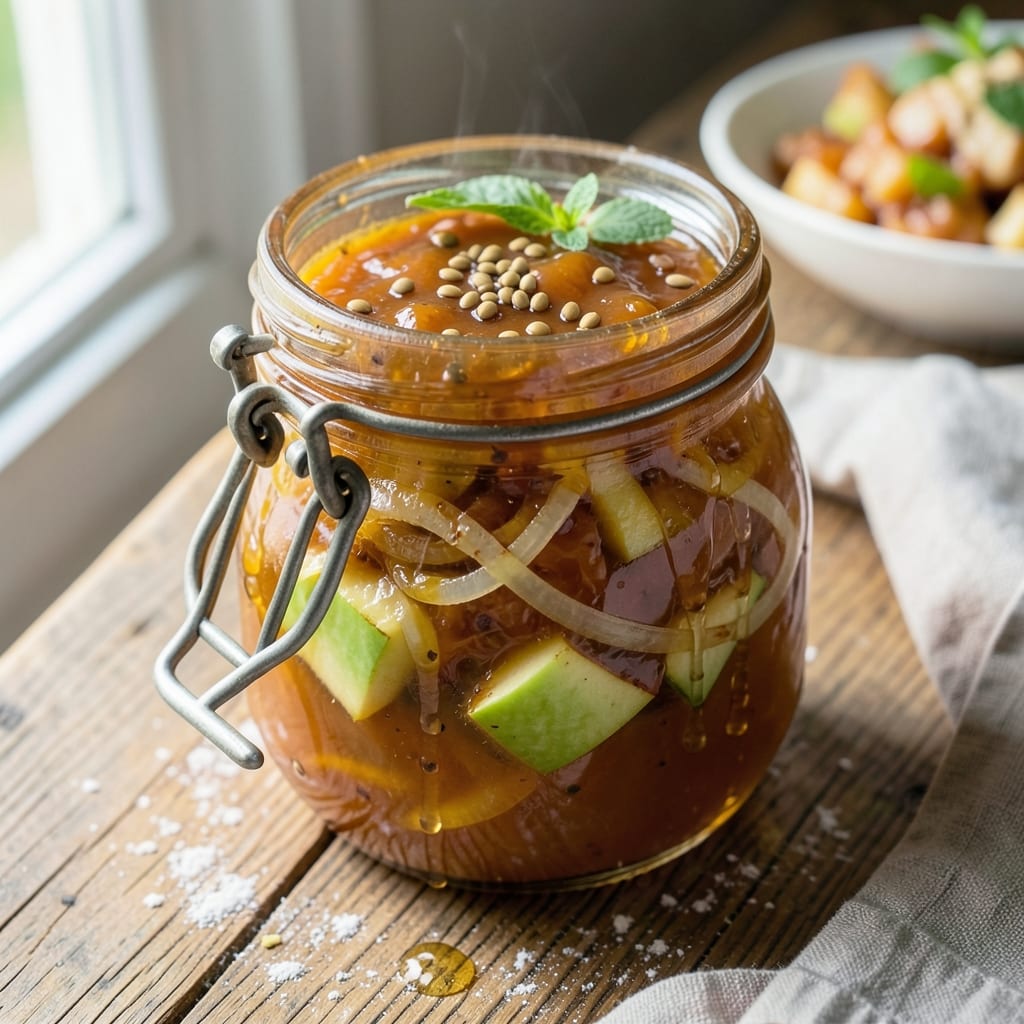
This apple and cider chutney recipe transforms humble ingredients into a bold, fermented condiment that bridges sweet, tangy, and spiced flavors with effortless sophistication. The marriage of sharp cider and crisp apples creates a complex, aromatic base that deepens with each day of fermentation—think of it as the perfect bridge between a sweet jam and a savory relish. What sets this apart is the controlled fermentation process, which develops rich umami notes while preserving the bright apple acidity that prevents it from becoming cloying.
The beauty of this chutney lies in its versatility—it elevates everything from sharp cheddar on a charcuterie board to roasted pork tenderloin, where its tangy-sweet profile cuts through rich meats. The recipe uses simple pantry staples (apples, cider, vinegar, and spices) but delivers restaurant-quality depth through precise fermentation timing and spice balancing. Unlike commercial chutneys loaded with preservatives, this version develops complexity naturally over 5-7 days, rewarding patience with layers of flavor.
What you'll end up with is a vibrant, slightly effervescent condiment with glossy sheen and a texture between chunky and smooth—ideal for drizzling, spreading, or pairing. The fermentation process also makes it shelf-stable for months when properly canned, meaning you can make a big batch once and enjoy it all year. Whether you're serving it with aged Gouda, slathering it on sandwiches, or using it as a glaze for game birds, this chutney proves that homemade can rival gourmet store-bought versions.
For those new to fermentation, don't let the process intimidate you—the recipe includes clear timing cues and troubleshooting tips to ensure success. The key is balance: letting the flavors develop without over-fermenting into vinegary territory. Store it in the refrigerator for up to 3 months or can it for long-term preservation. This isn't just a condiment; it's a flavor multiplier that transforms ordinary meals into memorable experiences.
Ingredients for apple and cider chutney
Simple pantry staples transform into a restaurant-quality fermented condiment with vibrant depth.
| Ingredient | Amount | Notes |
|---|---|---|
| Granny Smith Apples 🍎 | 3 lb | Peeled, cored, cut into 1-inch chunks |
| Unfiltered Apple Cider 🍏 | 3 cups | Raw, unpasteurized for fermentation |
| White Vinegar 💧 | ½ cup | Raw apple cider vinegar preferred |
| Yellow Onion 🧅 | 1 whole | Peeled, finely diced (about 1 cup) |
| Fresh Ginger Root 🌿 | 2 oz | Peeled, grated (about 2 tbsp) |
| Mustard Seeds 🌶️ | 2 tsp | Yellow or brown preferred |
| Ground Coriander 🌿 | 1 tbsp | Freshly toasted for depth |
| Ground Turmeric 🌶️ | ½ tsp | Freshly ground for color |
| Salt 🧂 | 1 tsp | Non-iodized sea salt |
| Cayenne Pepper 🔥 | ¼ tsp | Adjust to taste |
The apples and cider form the chutney's aromatic foundation. Granny Smiths provide the necessary acidity to balance sweetness—Fuji or Honeycrisp work too—but avoid red varieties like Gala, which can turn mushy. For cider, unfiltered, unpasteurized varieties from specialty stores or orchards are ideal—they contain live cultures that jumpstart fermentation. If you can't find raw cider, pasteurized cider with added probiotics works, though results may be less complex. The onion adds sweetness and body; yellow or red onions both work, but yellow has slightly more depth. Ginger should be fresh—dried loses its punch—and grated finely for even distribution through the mixture. For spices, Penzeys or bulk bins offer the freshest options, but regular grocery store brands suffice if they're labeled 'ground' and smell aromatic.
No Granny Smiths? Green apples like Braeburn or even tart Granny Smith substitutes work in a pinch, though flavor will differ slightly. Substituting cider for white wine or apple juice changes the fermentation profile—expect a milder result. The vinegar acts as a preservative and acidifier; rice vinegar or lemon juice can replace white vinegar, though flavor will shift. Mustard seeds are non-negotiable for texture—they burst during fermentation, creating a delightful crunch. For coriander, whole seeds toasted and ground deliver superior flavor over pre-ground. Turmeric adds color and subtle earthiness; omit if avoiding it. Salt is crucial for fermentation—Diamond Crystal kosher salt dissolves cleanly, but any non-iodized salt works. Cayenne can be omitted entirely for a milder chutney or increased to 1 tsp for heat lovers.
Store the chutney in a sterilized glass jar with a tight-sealing lid, submerged in the liquid to prevent mold. Ferment at room temperature for 5-7 days, then refrigerate for up to 3 months or can for long-term storage. The flavor deepens over time—wait at least 2 weeks before using to let flavors meld. For canning, use hot water bath method with new lids for shelf-stable preservation. The chutney's effervescence fades after opening, but it remains safe to eat for 2 weeks refrigerated. Portion into small jars for easy use—2 tbsp servings elevate charcuterie, sandwiches, or roasted meats beautifully.
Why You'll Love This Recipe
- No Chopping Chaos: I swear by the food processor here—just toss in the Granny Smiths, onion, and ginger, pulse a few times, and you’re done. The cider and vinegar blend in like magic while you’re still wiping your hands.
- Tangy-Sweet Magic: That sharp Granny Smith bite cutting through the mellow cider? It’s like autumn in a jar. The ginger adds this unexpected kick that makes it way more interesting than your average apple sauce.
- Holiday Table Star: Serve it with roasted pork, cheddar cheese, or even just crackers—it’s the kind of chutney that disappears at gatherings. I’ve made it for Thanksgiving, Christmas, and even lazy Sunday brunches. It works everywhere.
- Shelf-Stable Goldmine: Once it’s jarred, this stuff lasts months in the fridge. I’ve got three jars in my pantry right now, and I still haven’t opened the first one. Plus, the unfiltered cider and vinegar keep it budget-friendly without sacrificing flavor.
Step-by-step instructions for apple and cider chutney
This fermented chutney delivers complex, spiced depth through precise technique and patience.
Sterilize Equipment and Prepare Ingredients
Begin by sterilizing all glass jars and lids in boiling water for 10 minutes. This critical step prevents contamination during fermentation. While they sterilize, peel and core the 3 lb Granny Smith Apples, then cut them into 1-inch chunks. The tartness of Granny Smiths balances the sweetness that develops during fermentation.
Finely dice the 1 whole Yellow Onion (about 1 cup) and peel and grate the 2 oz Fresh Ginger Root (about 2 tbsp). Toast the 1 tbsp Ground Coriander in a dry skillet over medium heat for 1 minute until fragrant—this enhances its aromatic depth. Let all ingredients cool completely before combining.
Combine Wet Ingredients and Spices
In a large, non-reactive pot (stainless steel or ceramic), combine the apple chunks, diced onion, grated ginger, 3 cups Unfiltered Apple Cider, and 0.5 cup White Vinegar. Bring to a simmer over medium heat and cook for 15 minutes, stirring occasionally, until the apples soften slightly but retain texture.
Reduce heat to low and stir in the toasted coriander, 0.5 tsp Ground Turmeric, 1 tsp Salt, 0.25 tsp Cayenne Pepper, and 2 tsp Mustard Seeds. The spices should bloom gently—you'll notice a warm, earthy aroma. Simmer for another 5 minutes to meld flavors, then remove from heat and let cool to room temperature (about 30 minutes).
Pack and Ferment for 7 Days
Ladle the cooled chutney mixture into the sterilized jars, leaving 1-inch headspace at the top. Tap jars gently on the counter to remove air bubbles, then wipe rims with a clean cloth. Seal lids tightly and place jars in a dark, cool spot (ideal temperature: 68-72°F) for 7 days.
Check jars daily for signs of fermentation—you'll see small bubbles forming and hear occasional pops. The chutney should develop a tangy, apple-cider aroma. After 7 days, open jars and taste. It should be pleasantly sharp with complex spice notes. If you prefer more fermentation, continue for 3-5 additional days.
Store and Enjoy
Once fermented to your liking, transfer chutney to the refrigerator where it will keep for 3-4 months. The flavors deepen over time, so taste periodically. Serve as a condiment for roasted meats, cheese boards, or as a tangy accompaniment to sharp cheeses like aged cheddar.
For best results, use a clean spoon each time to avoid contamination. The chutney's texture will be thick and jam-like with pockets of spice. If it separates, simply stir before serving—this is normal and doesn't affect quality.
Pro Tips For Making Apple And Cider Chutney
- Peel the Ginger Rough: DESCRIPTION: Scrub the ginger root under running water first—no need to peel it smooth. The rough texture holds onto more flavor, and you’ll save time scraping off every last bit of skin. (Yes, even if it looks a little wild in the pot.)
- Dice the Onion Small: DESCRIPTION: Cut the yellow onion into 1/4-inch pieces instead of big chunks. Smaller pieces cook faster and dissolve into the chutney evenly, so you don’t end up with chewy bits lurking in every spoonful. (I learned this after finding onion surprises in my chutney for months.)
- Simmer, Don’t Boil: DESCRIPTION: Keep the heat low enough that the chutney bubbles gently—no rolling boil. High heat turns the apples mushy and makes the cider evaporate too fast, leaving you with a thick, gluey mess instead of a balanced, glossy spread. (Trust me, the first time I ignored this, I had to start over.)
- Add Vinegar Last: DESCRIPTION: Stir in the white vinegar only in the final 5 minutes of cooking. If you add it early, the sharpness overpowers the apples and cider, and you’ll end up with a sour punch instead of a bright, tangy finish. (This is the difference between "good" and "I need a drink with this.")
Best sauces and condiments for apple and cider chutney
Classic Pairings
This chutney shines with sharp cheeses like aged cheddar or Gouda—its tangy-sweet profile cuts through the richness beautifully. I love spreading it on sourdough toast with slices of prosciutto for a charcuterie-style breakfast. The fermentation also makes it perfect for roasted pork tenderloin, where it caramelizes into a sticky glaze. 🍷
Sweet and Savory Balance
For a dessert twist, drizzle it over vanilla ice cream or pair it with dark chocolate (70% cacao or higher) for a sophisticated flavor contrast. The spiced notes complement the bitterness, creating a gourmet topping. It also elevates apple pie by adding depth to the filling—just a spoonful during baking enhances the spice profile. 🍫
Global Fusion Adaptations
In Indian cuisine, stir it into dal or use it as a marinade for chicken tikka masala—the apple-cider tang balances the creamy tomato base. For Middle Eastern dishes, serve it with hummus and flatbread or as a dip for lamb kebabs. The mustard seeds and coriander bridge Eastern and Western flavors seamlessly. 🌍
Beverage Harmony
A glass of dry Riesling or sparkling cider complements the chutney’s effervescent qualities, while a robust red like Cabernet Sauvignon stands up to its spiced depth. For non-alcoholic pairings, try it with ginger beer or sparkling apple juice—the carbonation mirrors the chutney’s lively texture. 🍺
Sandwich and Flatbread Magic
Slather it on grilled cheese with caramelized onions and Gruyère for a sweet-savory twist. It also transforms banh mi sandwiches by adding a tangy crunch—just a spoonful elevates the classic Vietnamese street food. For a vegetarian option, spread it on flatbread with avocado and feta for a Middle Eastern-inspired bite. 🥪
Preservation and Gifting
Store leftovers in a sterilized glass jar in the fridge for up to 3 months, or can it for long-term storage. The vibrant color and rich aroma make it a perfect homemade gift—pair it with a loaf of crusty bread or a wedge of cheese for an elevated hostess present. The fermentation process ensures it stays fresh and flavorful for months. ✨
Nutrition facts
Frequently asked questions
Can I use regular apple juice instead of cider for fermentation?
Regular apple juice won't ferment the same way because it lacks the natural yeast and bacteria found in raw cider. For a similar result, use unpasteurized apple juice with added probiotics or combine it with 1/4 cup vinegar to mimic the acidity. The flavor will be milder but still delicious—just expect less complexity and effervescence.
How do I know when the chutney is fermented enough?
Taste it daily after 5 days—it should develop a tangy, apple-cider aroma and a slightly fizzy texture. Look for small bubbles forming on the surface and a pleasant sharpness (like a cross between apple cider and ginger ale). If it tastes too sweet, ferment 2-3 more days—over-fermenting turns it vinegary.
What can I do if mold appears during fermentation?
Discard any jars with mold immediately—it means contamination. To prevent this, always use sterilized equipment, leave 1-inch headspace in jars, and store in a cool (68-72°F) place. If mold appears on the surface, skim it off (if safe) and refrigerate immediately, but the chutney may not be safe to eat.
Can I adjust the spice level for kids or sensitive palates?
Reduce the cayenne pepper to 1/4 tsp or omit it entirely. For extra sweetness, add 1 tbsp honey or maple syrup during the final simmer. The ginger and coriander provide warmth without heat, so the chutney remains flavorful but gentle for children or those who prefer mild spices.
How long does homemade chutney last after opening?
Once opened, refrigerate and consume within 2 weeks for best quality. The fermentation process preserves it longer than fresh chutneys, but the texture may soften slightly over time. For longer storage, portion into small jars and freeze—it keeps well for 3 months without losing flavor.