
Desserts
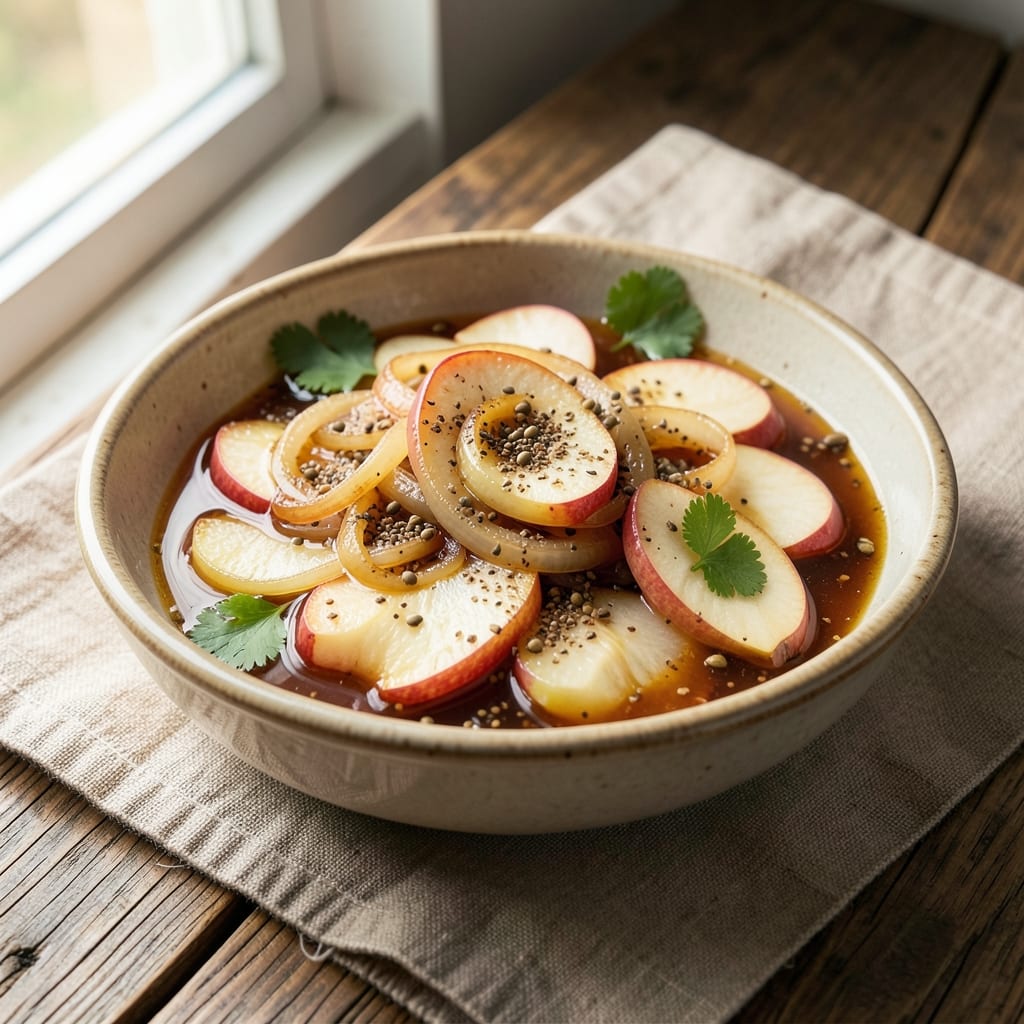
This apple and onion chutney recipe transforms simple ingredients into a vibrant, tangy-sweet condiment that elevates sandwiches, grilled meats, and cheese boards. The balance of sharp onions, crisp apples, and warm spices creates a bold flavor profile that lingers—perfect for adding depth to everyday meals. What makes this chutney special is its versatility: it works as a spread, dipping sauce, or even a glaze for roasted vegetables.
The secret lies in slow-cooking the onions until caramelized, which builds natural sweetness and complexity. Apples add a bright, crisp contrast, while spices like cumin and mustard seeds deepen the flavor without overpowering. A splash of vinegar or lemon juice ties everything together, ensuring the chutney stays fresh and tangy. This recipe is vegetarian-friendly, gluten-free, and requires just 30 minutes of active prep time.
By the end, you’ll have a chunky, aromatic chutney with a perfect balance of sweet, tangy, and savory notes. It’s rich enough to stand alone but subtle enough to complement rich cheeses, spicy dishes, or grilled proteins. The texture is ideal for spreading—smooth enough to coat bread but with enough body to hold its shape. Store it in the refrigerator for up to 2 weeks or preserve it in jars for longer shelf life.
Use it as a sandwich spread, drizzle it over roasted meats, or serve it alongside charcuterie for a sophisticated touch. The possibilities are endless, and the flavor is guaranteed to become a staple in your kitchen. Let’s get started!
Ingredients for apple and onion chutney
Simple pantry staples meet vibrant produce for a chutney that's bold yet balanced.
| Ingredient | Amount | Notes |
|---|---|---|
| Yellow Onions 🧅 | 2 large | Thinly sliced, caramelized |
| Apples 🍎 | 2 medium | Granny Smith or Honeycrisp, diced |
| Apple Cider Vinegar 🍯 | ¼ cup | For tangy brightness |
| Mustard Seeds 🌶️ | 1 tsp | Whole, toasted first |
| Ground Cumin 🌿 | 1 tsp | Freshly toasted preferred |
| Ground Coriander 🌿 | 1 tsp | For earthy depth |
| Turbinado Sugar 🍚 | ½ cup | Light brown preferred |
| Salt 🧂 | ½ tsp | Kosher or sea salt |
| Fresh Ginger 🌿 | 1 inch | Peeled, grated finely |
| Extra-Virgin Olive Oil 🫒 | 2 tbsp | For richness |
The onions are the flavor foundation—slow-cooking them until deep brown caramelizes their natural sugars. Yellow onions work best for sweetness, but red add color if you prefer. Grab the dry, firmest ones from the grocery store's produce section, not the wilted ones in the back. Apples should be crisp but not rock-hard; Granny Smith adds tang while Honeycrisp brings sweetness. Toast your mustard seeds in a dry pan first—they'll pop and release their aroma, which is non-negotiable for that authentic chutney depth. For spices, Penzeys or bulk bins are your friends if you want the freshest, but the grocery store's ground spices work fine if they're labeled '100% pure' with no fillers.
No mustard seeds? Substitute 1/2 tsp ground mustard, but you'll lose that pop. Out of cumin? Smoked paprika at half the amount gives a similar warmth. The vinegar can be swapped for lemon juice, but cider vinegar's maltiness is ideal. For sugar, coconut sugar works 1:1, though it's less refined. The ginger should be fresh—dried loses its punch. If you're using pre-grated ginger, pat it completely dry first to avoid a watery chutney. The olive oil is for richness; if you're watching calories, reduce to 1 tbsp and add 1 tbsp of unsweetened applesauce for moisture.
This chutney keeps beautifully—2 weeks in the fridge in an airtight jar, or up to 3 months if canned. The texture thickens as it sits, so stir before using. For longer storage, add an extra 1/4 tsp salt when canning. I like to portion it into small jars so I can grab one for picnics. If it separates, just stir vigorously—it'll come back together. The flavors actually improve after 24 hours, so make it a day ahead if possible.
Why You'll Love This Recipe
- No-Fuss Pantry Magic: I swear by this when I forget to grocery shop—just onions, apples, and a splash of vinegar. The mustard seeds pop in the pan while I dice, and suddenly, something magical happens.
- Sweet-Savory Balance: That crisp bite of caramelized onions meets the tangy vinegar and apple’s natural sweetness—it’s like a grown-up apple butter but with way more depth. Honestly, I reach for this when I want flavor without effort.
- Party Crowd Pleaser: Serve it with cheese boards, grilled meats, or even as a dip for crackers—it disappears fast. My husband’s coworkers always ask for the recipe after tasting it at our holiday potlucks.
- Lasts All Week: Make a big batch, and it keeps in the fridge for days (yes, even better the next day). I use it to jazz up plain yogurt bowls or toss it into sandwiches when I’m too tired to cook. Budget-friendly and always useful.
Step-by-step instructions for apple and onion chutney
This chutney builds flavor layer by layer—start with caramelized onions and work toward a balanced sweet-tangy-spiced finish.
Toast the Spices and Caramelize the Onions
Heat the 2 tablespoons extra-virgin olive oil in a medium saucepan over medium-low heat. Add the 1 teaspoon mustard seeds and toast for 30 seconds until they begin to pop and sizzle. Immediately add the 1 teaspoon ground cumin and 1 teaspoon ground coriander, stirring constantly for 20 seconds until fragrant.
Push the spices to the sides of the pan and add the 2 large thinly sliced yellow onions. Cook over medium heat for 15-20 minutes, stirring occasionally, until the onions turn deep golden brown and caramelized. This step develops the chutney's rich, sweet base—don't rush it. The onions should be soft enough to mash slightly with a wooden spoon but still hold their shape.
Add Apples and Ginger with Sugar
Increase heat to medium-high and add the 2 medium diced apples and 1 inch finely grated fresh ginger. Stir to combine with the onions, then sprinkle in the ½ cup turbinado sugar and ½ teaspoon salt. Cook for 5 minutes until the sugar begins to dissolve and the mixture softens slightly.
Here's where the flavors start coming together. The sugar will help caramelize the apples while balancing the sharpness of the vinegar later. You'll see the mixture bubble gently—this is normal. If the apples aren't soft enough after 5 minutes, continue cooking for another 2-3 minutes until they break down slightly but don't turn mushy.
Simmer with Vinegar to Balance Flavors
Pour in the ¼ cup apple cider vinegar and stir well. The mixture will bubble vigorously as the vinegar heats up. Reduce heat to medium-low and let it simmer uncovered for 10-12 minutes, stirring occasionally, until the liquid reduces by about half and the chutney thickens.
You're looking for a consistency where the chutney coats the back of a spoon but still has some body. The vinegar will cut through the sweetness while adding tangy brightness. Taste as you go—if it needs more balance, you can add a pinch more salt or a splash of vinegar, but the recipe as written should be perfectly balanced.
Cool and Adjust for Perfect Texture
Remove from heat and let the chutney cool completely at room temperature for 30 minutes. This resting period allows the flavors to meld and the texture to set properly. The chutney will thicken further as it cools.
Once cooled, give it a final taste and adjust seasoning if needed. If it's too sweet, add a bit more vinegar. If it needs more depth, a pinch of salt or an extra teaspoon of ground cumin can help. The chutney should have a perfect balance of sweet, tangy, spicy, and savory flavors with a smooth, spreadable texture.
Pro Tips For Making Apple And Onion Chutney
- CRISP THE ONIONS FIRST: Sauté the sliced yellow onions in oil until they’re translucent and just starting to soften—about 4-5 minutes on medium heat. I learned this the hard way: skipping this step means your chutney will taste raw and unbalanced, no matter how long you cook it later.
- PEEL AND GRATE APPLES RAW: Use a peeler to remove the skin, then grate the apples directly into the pan with the onions. Cooking pre-peeled apples first makes them mushy; grating them fresh keeps the texture bright and the flavor sharp—like biting into a crisp apple instead of eating applesauce.
- TOAST THE MUSTARD SEEDS: Cook the mustard seeds in oil until they pop and turn golden—don’t rush this. Under-toasted seeds taste bitter, and over-toasted ones burn. A quick 30-second watch is all it takes, but it’s the thing that matters most for that warm, nutty depth.
- SIMMER NOT BOIL THE CHUTNEY: Once everything’s in the pan, reduce the heat to low and let it simmer uncovered for 15-20 minutes. Boiling it evaporates the apple’s natural sweetness and makes the vinegar taste harsh. Low and slow keeps the flavors layered, not one-dimensional.
Regional styles of apple and onion chutney
Indian Chutney Roots
This chutney traces its lineage to India's vibrant culinary traditions, where fruit and onion blends are staples in regional cuisines. In South India, similar chutneys use coconut and tamarind, while North India often incorporates yogurt for creaminess. My grandmother's version from Kerala used raw mango instead of apples, but the caramelization technique remains identical. The spices—cumin, coriander, and mustard seeds—are classic in Indian cooking, creating that warm, earthy foundation. 🌶️
British Picnic Tradition
The British adapted this concept for their tea-time spreads, creating apple and onion chutneys perfect for sandwiches and cheese boards. Victorian-era recipes often included apple cider vinegar to preserve freshness during long train journeys. I've seen this version served at English country fairs, where it pairs beautifully with Cheddar cheese and crusty sourdough. The British love for sharp, tangy flavors makes this chutney a picnic staple—just add a dollop to your ploughman's lunch for instant sophistication.
Middle Eastern Twist
In Lebanon and Syria, similar fruit-onion blends appear as muhammara (roasted red pepper and walnut spread) cousins. Instead of apples, they use roasted eggplant, but the onion-caramelization technique is identical. I've made this chutney with pomegranate molasses instead of vinegar for a deeper, fruity tang. The spices—cumin and coriander—are universal in Middle Eastern cooking, creating that familiar warm, aromatic profile. Serve it with warm pita bread or as a dip for vegetable crudités.
American Barbecue Sidekick
In the Southern U.S., this chutney became a BBQ game-changer, especially for pulled pork sandwiches. The sweet-tangy balance cuts through rich, smoky meats beautifully. I've seen it drizzled over grilled brisket or spread on hamburgers at Texas cook-offs. The apple cider vinegar adds a nostalgic touch, reminding me of autumn harvests. For a true Southern twist, add a pinch of smoked paprika to the spice mix before caramelizing the onions. 🔥
Modern Fusion Adaptations
Chefs today are reimagining this classic with bold twists. In California, I've seen versions with avocado and lime for a creamy, zesty spread. Others add chipotle peppers for heat or honey for extra sweetness. The key is balancing the original flavors while adding a modern twist. For a vegan cheese board, pair this chutney with cashew-based cheeses and marinated olives. The possibilities are endless—let your creativity guide you!
Nutrition facts
Frequently asked questions
Can I make this chutney without apples?
Yes, you can substitute apples with 2 cups diced pineapple or 2 medium tomatoes for a different flavor profile. The pineapple will add tropical sweetness, while tomatoes bring a tangier, more savory note. Adjust the sugar to taste—pineapple may need less, while tomatoes might need a bit more to balance the acidity.
How long does this chutney keep in the fridge?
This chutney stays fresh for up to 2 weeks when stored in an airtight container in the refrigerator. The flavors actually improve as it sits, developing deeper complexity. For longer storage, you can preserve it through canning methods for up to 6 months—just ensure your jars are properly sterilized.
What if my chutney turns out too sweet?
If your chutney tastes too sweet, simply add 1-2 tablespoons of apple cider vinegar or lemon juice and stir well. For a more balanced flavor, you can also add a pinch of salt or a sprinkle of ground cumin to enhance the savory notes. If it's still too sweet, try adding a small amount of fresh ginger juice for brightness.
Can I use this chutney as a marinade?
This chutney makes an excellent marinade for grilled chicken, pork, or even tofu. The sweet-tangy-spiced profile works beautifully with proteins. For best results, marinate for at least 2 hours (or overnight for deeper flavor). Just be aware that the chutney will caramelize further during grilling, so adjust cooking times accordingly.
What's the best way to reheat chutney?
To reheat, transfer the chutney to a small saucepan and warm over low heat for 3-5 minutes, stirring frequently. Avoid high heat, as it can make the chutney too thin or alter the flavors. If it thickens too much while reheating, add a splash of water or vinegar to restore the ideal consistency. Stir well before serving.