
Desserts
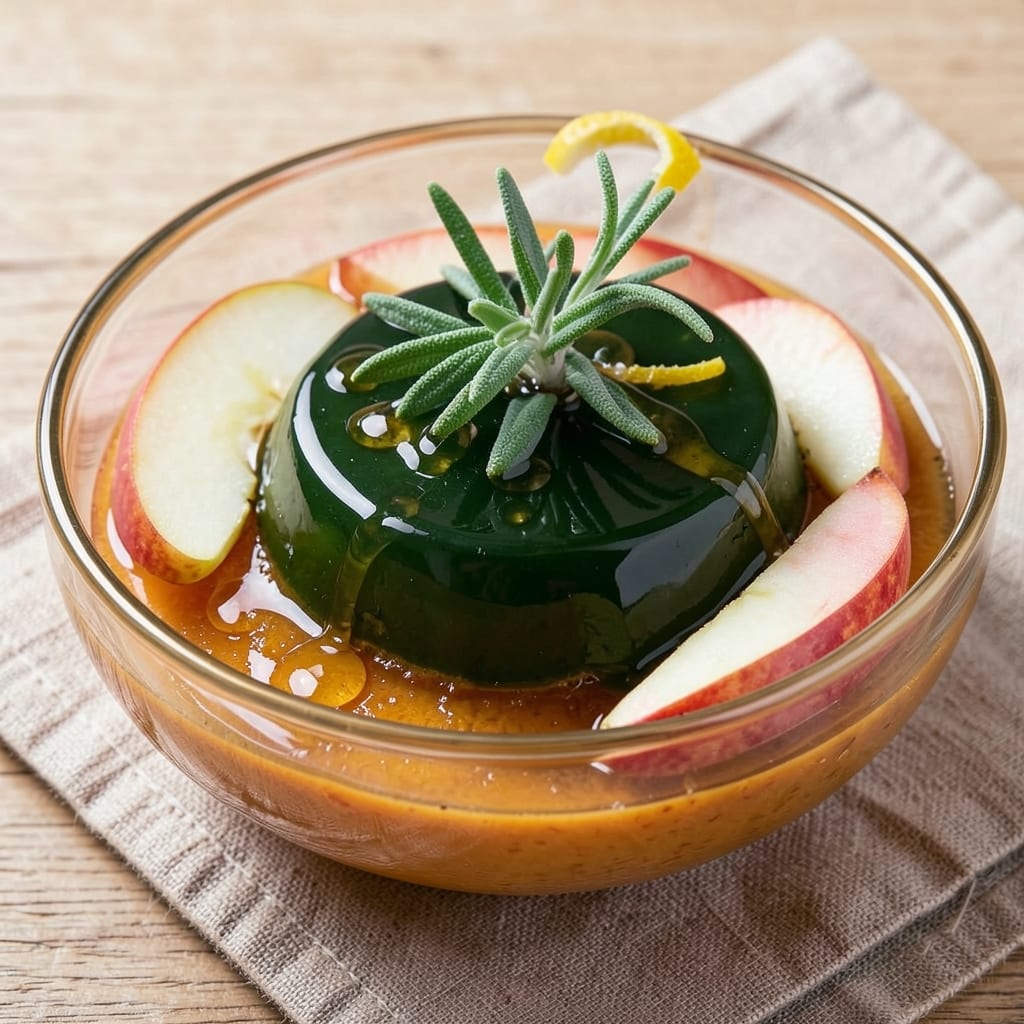
This apple and sage jelly recipe transforms humble kitchen ingredients into a versatile, aromatic condiment that elevates everything from roasted meats to delicate pastries. The earthy warmth of fresh sage pairs beautifully with the natural sweetness of apples, creating a balanced jelly that's perfect for both sweet and savory applications. What makes this recipe special is its ability to adapt—spread it on toast, drizzle it over cheese boards, or use it as a glaze for pork tenderloin.
The process is straightforward but requires patience, as the jelly needs to simmer for 45 minutes to achieve that perfect set. You'll start with peeled, sliced apples and fresh sage leaves, then cook them down with sugar and pectin until thick and glossy. The result is a vibrant jelly with a subtle herbal note that lingers on the palate, making it a standout addition to any meal.
Once set, this jelly keeps beautifully in the refrigerator for up to 3 weeks, maintaining its rich texture and flavor. The versatility is its greatest strength—pair it with sharp cheddar for a sophisticated snack, brush it onto roasted chicken for extra moisture, or use it as a filling for tarts and scones. It's the kind of condiment that turns ordinary dishes into something extraordinary.
For best results, use a mix of tart and sweet apples, like Granny Smith and Honeycrisp, to balance the flavors. The sage should be fresh, as dried herbs won't provide the same aromatic depth. This recipe is a game-changer for anyone looking to add a touch of sophistication to their cooking with minimal effort.
Ingredients for apple and sage jelly
Eight simple ingredients transform into a fragrant, versatile jelly that's perfect for sweet and savory dishes.
| Ingredient | Amount | Notes |
|---|---|---|
| Granny Smith Apples 🍎 | 2 lb | Peeled, sliced into 1/4-inch pieces |
| Honeycrisp Apples 🍏 | 1 lb | Peeled, sliced into 1/4-inch pieces |
| Fresh Sage Leaves 🌿 | ½ cup | Packed, stems removed |
| Granulated Sugar 🍚 | 3 cups | White or raw cane sugar |
| Powdered Pectin 🧪 | ⅓ oz | Low or medium methoxyl pectin |
| Lemon Juice 🍋 | ¼ cup | Freshly squeezed |
| Water 💧 | 1 cup | Filtered or bottled |
| Unsalted Butter 🧈 | 1 tbsp | Cold, for finishing |
The apples are the heart of this jelly—Granny Smith for tartness and Honeycrisp for sweetness create the perfect balance. Grab them at Trader Joe's or your local farmers market for the freshest flavor. Fresh sage is non-negotiable here; dried just won't cut it. Look for plump, vibrant leaves at the grocery store's produce section. The pectin? Ball or Sure-Jell are the gold standards—don't skimp on quality. Sugar is sugar, but organic cane sugar adds a subtle depth that makes this jelly stand out. And that butter at the end? Trust me on the full-fat version for a richer finish.
No Granny Smith? Fuji or Pink Lady work in a pinch—they're sweeter but still hold up well. Running low on fresh sage? Thyme or rosemary can step in, though the flavor will shift slightly. Out of powdered pectin? Pomona's pectin is a great no-cook alternative, but you'll need to adjust the sugar. The lemon juice can be bottled, but fresh is always better—just make sure it's freshly squeezed. And if you're worried about the jelly setting properly, add an extra 1/4 cup of sugar if you're at high altitude. This jelly is incredibly forgiving, so don't stress over small missteps.
This jelly keeps beautifully in the fridge for up to 3 weeks in a sealed jar. For longer storage, freeze it for 6 months—just thaw in the fridge overnight. I love making extra batches to give as gifts; the vibrant color and herbal aroma make it a showstopper. Store it in small jars for easy portioning—perfect for cheese boards or breakfast toast. The butter should be added just before serving to keep it from getting soggy. And if you're feeling fancy, drizzle it over warm brioche toast with a sprinkle of flaky salt.
Why You'll Love This Recipe
- No-Core Chopping Needed: I swear by this trick—just peel, quarter, and toss the apples into the pot whole. The Granny Smiths stay firm while the Honeycrisp melts into that perfect jammy texture without a single knife scrape.
- Earthy-Sweet Magic: That sage? It’s the star. The warm, piney aroma cuts through the apples’ sharpness, and when you drizzle it over toast or cheese boards, it’s like autumn in a jar—no artificial flavors, just pure, bright flavor.
- Holiday Table Hero: Between us, this is my secret for Thanksgiving sides that don’t require babysitting. Serve it warm with brie or dollop it on roasted pork—it’s fancy enough for guests but takes less time than folding a single napkin.
- Pantry Goldmine: A single batch stretches for weeks, and the cost? Ridiculously low. Sugar and pectin are cheap staples, and those apples? Use the bruised ones from your fridge. Plus, it’s the kind of thing you’ll make twice because the second batch always disappears faster.
Step-by-step instructions for apple and sage jelly
This herbal jelly transforms tart apples and aromatic sage into a velvety glaze perfect for pastries or cheese boards.
Prepare the Apple Mixture
In a large, heavy-bottomed pot, combine the peeled and sliced 2 lb Granny Smith Apples and 1 lb Honeycrisp Apples. Add the 0.5 cup Fresh Sage Leaves and 0.25 cup Lemon Juice. The lemon juice prevents browning while enhancing the apple flavor. Stir gently to distribute the sage evenly throughout the apples.
Bring the mixture to a boil over medium-high heat, then reduce heat to medium-low and simmer uncovered for 20-25 minutes until the apples break down completely. You'll know it's ready when the mixture resembles a thick, chunky puree with no visible apple pieces. Stir occasionally to prevent sticking—this is where patience pays off for a smooth final texture.
Strain and Measure the Juice
Line a fine-mesh strainer with cheesecloth or a coffee filter to create a double layer. Pour the cooked apple mixture through the strainer into a measuring cup, pressing gently on the solids with a wooden spoon to extract all the liquid. Discard the strained apple pulp and sage leaves.
You should have approximately 4 cups of liquid. If you're short, add a bit of 1 cup Water to reach this volume—this ensures proper gelling later. The liquid should be clear with just a hint of apple color. Taste it now; you'll notice the bright, herbal apple flavor that makes this jelly special.
Add Sugar and Pectin
Return the strained apple juice to the same pot. Sprinkle the 3 cups Granulated Sugar evenly over the surface while stirring constantly to dissolve it completely. This prevents sugar crystals from forming in your finished jelly. Once fully dissolved, remove the pot from heat and let it cool slightly for 5 minutes—this prevents the pectin from activating too quickly.
Add the 0.33 oz Powdered Pectin to the warm (not hot) liquid. Stir vigorously for 2 minutes to fully hydrate the pectin. This step is crucial—if the pectin clumps, it won't gel properly. The mixture should look smooth and uniform, with no visible pectin particles.
Cook to Gel Point
Return the pot to medium-high heat and bring to a full rolling boil. Watch carefully—the mixture will foam up significantly. Once boiling, cook for exactly 1 minute, stirring constantly. This precise cooking time is what transforms your liquid into a beautiful jelly.
Remove from heat immediately after the minute is up. The jelly will begin to thicken rapidly as it cools. Skim off any foam that rises to the surface with a spoon—this ensures a clean, professional-looking finish. Pour the hot jelly into sterilized jars, leaving about ½ inch of headspace at the top.
Finish and Store
Let the jars cool completely at room temperature. Once cool, seal with lids and refrigerate. The jelly will continue to set as it chills, becoming thicker and more spreadable. For an extra touch of richness, drop the 1 tbsp Unsalted Butter into each jar before sealing—it adds a velvety texture that pairs perfectly with cheese or pastries.
This apple and sage jelly keeps well in the refrigerator for up to 3 weeks. The flavors deepen over time, making it even more aromatic. Use it to glaze pork tenderloin, drizzle over brie, or spread on crostini for an elegant appetizer that's sure to impress.
Pro Tips For Making Apple And Sage Jelly
- Peel the Apples: Skip the cores and peel the apples before dicing—even Honeycrisp and Granny Smith. I learned this the hard way when I left the peels in and ended up with a grainy, uneven texture. A vegetable peeler works faster than a knife, and you’ll avoid that sad, fibrous mouthfeel.
- Boil to 220°F: Use a candy thermometer to hit 220°F before adding pectin. I used to eyeball it and end up with jelly that either ran like water or never set. That exact temp guarantees a smooth, wobbling finish—no guesswork.
- Bruise the Sage: Lightly crush the sage leaves with your palm before adding them to the simmering apples. This releases the oils and aroma without turning the jelly bitter. Skip this, and you’ll just get a subtle hint instead of that rich, earthy punch.
- Strain Twice: First strain through a fine-mesh sieve, then press the pulp with a wooden spoon. I was lazy and only did it once—ended up with tiny apple bits floating in the jelly. The second press gets every last drop of flavor and clarity.
Pro cooking tips for this dish
Pectin Precision
Use low or medium methoxyl pectin—like Ball or Sure-Jell—for the best set. The key is adding it to warm (not hot) liquid to prevent clumping. Stir vigorously for 2 minutes to fully hydrate before boiling. If your pectin clumps, strain it out immediately or your jelly won’t gel properly. 🧪
Heat Control
Bring the jelly to a full rolling boil for exactly 1 minute—no more, no less. Overcooking evaporates moisture and can make your jelly too thick or grainy. Use medium-high heat and watch closely for that rapid boil. Skim off foam immediately after removing from heat to keep it looking polished. ⏱️
Apple Variety Matters
Balance tart and sweet apples—Granny Smith for acidity and Honeycrisp for sweetness. If you’re short on Granny Smith, Fuji or Pink Lady work in a pinch, but they’re sweeter, so you might need to add 1 extra tablespoon of lemon juice to keep the flavor bright. Always peel the apples to avoid bitterness. 🍎
Sage Infusion
Use fresh sage leaves—dried won’t give the same depth. Pack 0.5 cup tightly into the pot with the apples. If you’re feeling adventurous, swap in thyme or rosemary, but the herbal profile will shift slightly. Remove the leaves after straining to avoid bitterness in the final jelly. 🌿
Jars and Storage
Sterilize your jars to prevent spoilage. Leave ½ inch headspace when pouring hot jelly to allow for expansion as it cools. Store in the fridge for up to 3 weeks—the flavors actually improve over time. For gifting, use small jars (4-6 oz) so recipients can enjoy it without committing to a large batch. 📦
Butter Finish
Add 1 tablespoon cold unsalted butter to each jar before sealing for a luxurious texture. The butter should be fully chilled to prevent the jelly from getting soggy. This step isn’t just for flavor—it adds a silky mouthfeel that makes the jelly feel restaurant-quality. 🧈
Nutrition facts
Frequently asked questions
Can I substitute dried sage for fresh in this jelly?
Fresh sage is ideal for this recipe because it provides the best aromatic depth, but you can use dried sage in a pinch. Use 1 tablespoon dried sage for every 0.5 cup fresh sage leaves called for in the recipe. Crush the dried leaves gently before adding to maximize flavor, but be aware the herbal notes will be more muted than with fresh.
Why did my jelly not set properly?
Jelly may fail to set if you overcooked it (beyond 1 minute of boiling), didn't use enough pectin, or stirred too much after removing from heat. Always use low or medium methoxyl pectin and follow the exact cooking time. If it didn't set, try reheating with an extra 1/4 cup sugar and 1 teaspoon pectin, then boil for another 1 minute.
How can I use this jelly beyond sweet applications?
This herbal jelly is incredibly versatile for savory dishes too! Use it as a glaze for pork tenderloin, brush it on roasted chicken, or drizzle over sharp cheeses like aged cheddar or brie. The apple-sage combo pairs beautifully with fatty meats, balancing richness while adding herbal brightness that elevates any main course.
Can I make this jelly without a pectin product?
While traditional jelly-making requires pectin, you can try a no-pectin method using Pomona's pectin or apple peels (simmered with the apples). However, the texture will be softer and less stable. For best results, stick with powdered pectin—it guarantees that perfect set that makes this jelly so versatile for spreading and glazing.
How do I know when the apples are fully cooked?
The apples are ready when they break down completely into a thick, chunky puree with no visible pieces (about 20-25 minutes of simmering). Test by mashing a small portion between your fingers—it should feel smooth and uniform. If you see any resistance or texture, keep cooking for another 5 minutes before straining.