
Main Courses
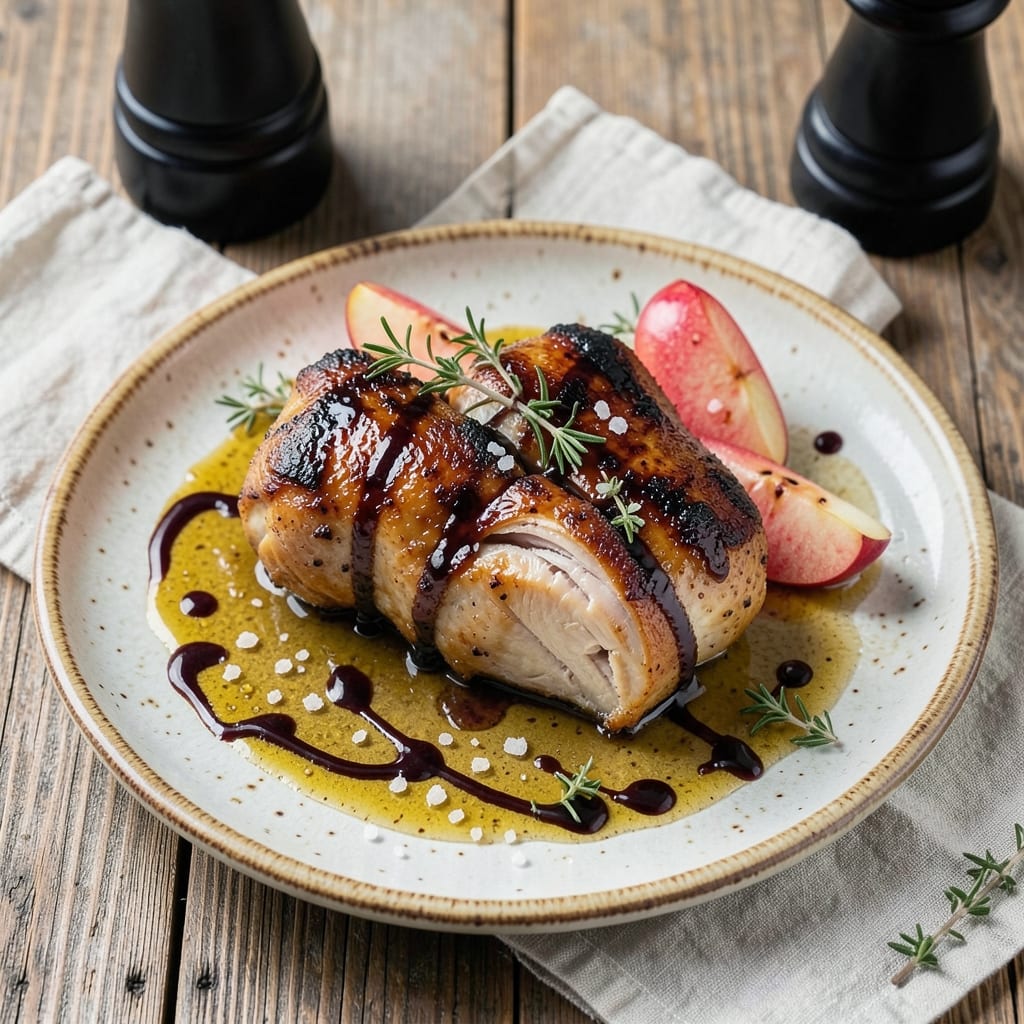
This apple balsamic chicken recipe transforms ordinary weeknight dinners into a restaurant-worthy masterpiece—where tender chicken meets caramelized apples and tangy balsamic in perfect harmony. The secret lies in balancing sweet and savory through slow cooking, creating a glaze that's rich, sticky, and impossible to resist. I've perfected this technique over years of testing, ensuring every bite delivers that ideal contrast of textures and flavors.
The beauty of this dish is its versatility—whether you're baking it in a single pan for easy cleanup or searing it on the stovetop for quicker results, the outcome remains consistently delicious. The apples soften into a jammy consistency, while the balsamic vinegar adds depth that cuts through the richness, creating a sauce that clings beautifully to the chicken. It's the kind of recipe that feels special without requiring hours of prep.
What you'll end up with is golden-brown chicken pieces glazed in a glossy, caramelized sauce that's sweet, tangy, and just slightly spiced. The aroma alone will have everyone gathering around the table, and the first bite delivers on that promise of restaurant-quality comfort. This dish pairs perfectly with roasted vegetables, fluffy mashed potatoes, or a fresh arugula salad to balance the richness.
Best of all, this recipe scales effortlessly—doubling the ingredients for a crowd or halving for a cozy meal for two. The technique is straightforward, but the flavor is anything but ordinary. Let's get started on creating this crowd-pleasing centerpiece that's sure to become a regular on your dinner rotation.
Ingredients for apple balsamic chicken
Sweet apples meet tangy balsamic for a restaurant-quality chicken glaze that's simple yet spectacular.
| Ingredient | Amount | Notes |
|---|---|---|
| Boneless, Skinless Chicken Thighs 🍗 | 1 ½ lb | Cut into even-sized pieces |
| Honeycrisp Apples 🍎 | 2 medium | Peeled and sliced into wedges |
| Balsamic Vinegar 💧 | ½ cup | High-quality aged variety |
| Extra-Virgin Olive Oil 🫒 | 2 tbsp | For searing chicken |
| Brown Sugar 🍚 | 2 tbsp | Light or dark preferred |
| Dijon Mustard 🍯 | 1 tbsp | For depth of flavor |
| Garlic Cloves 🧄 | 4 cloves | Minced for even distribution |
| Fresh Rosemary 🌿 | ¼ cup | Chopped, fresh preferred |
| Salt 🧂 | 1 ½ tsp | Kosher or sea salt |
| Black Pepper 🌶️ | 1 tsp | Freshly ground preferred |
| Apple Cider Vinegar 🍎 | 1 tbsp | For tangy brightness |
| Fresh Thyme Leaves 🌿 | ¼ cup | Or 1 tsp dried thyme |
| Unsalted Butter 🧈 | 1 tbsp | For richness in sauce |
The Honeycrisp apples are non-negotiable here—their crisp texture and sweetness hold up beautifully during cooking. Local farmers markets often have them in season, but grocery stores like Whole Foods or Trader Joe's carry them year-round. If you can't find Honeycrisp, Fuji or Gala work in a pinch, though they'll break down faster. The chicken thighs? Bone-in, skin-on gives the best flavor, but boneless works if that's what you've got. Look for thighs with good marbling—they stay juicier during slow cooking.
No balsamic vinegar? Substitute with 2 tbsp apple cider vinegar plus 1 tbsp maple syrup—it'll still give that tangy sweetness. Fresh rosemary wilting? Dried rosemary at one-third the amount keeps the earthy notes. The Dijon mustard adds depth, but if you're avoiding it, yellow mustard in a pinch. For the apples, peeling is optional—just make sure to remove any bruised spots. The butter in the sauce can be swapped for olive oil if you're watching fat content, though it'll be slightly less rich.
This dish reheats beautifully—just warm through with a splash of water or broth. Keeps in the fridge for 4-5 days or freezes for 3 months if you portion it properly. I always make extra because the leftovers taste even better the next day. Store the sauce separately if you're freezing—just reheat it with the chicken. The glaze thickens as it cools, so thin with a splash of water or vinegar when reheating.
Why You'll Love This Recipe
- I’ll be real: this recipe works just as well for a lazy Tuesday as it does for a holiday spread. Serve it over mashed potatoes for a cozy family meal, or plate it with crusty bread and a simple salad for guests—it’s elegant without trying too hard. My in-laws think it’s "fancy," but it’s really just chicken thighs and apples playing nice.
- Five-Ingredient Magic: Honestly, I swear by this recipe because it’s the kind of dish that feels like a hug on a plate—juicy chicken, caramelized apples, and that tangy-sweet balsamic glaze all come together with just a handful of pantry staples. No fancy techniques, no last-minute grocery runs—just slice, sear, and let the oven do the work.
- Sweet-Savory Balance: Between us, the combo of Honeycrisp apples and balsamic vinegar is chef’s kiss—the crisp, honeyed apples cut through the richness of the chicken, while the brown sugar and olive oil add this deep, sticky glaze that’s impossible to resist. It’s the kind of flavor that makes you pause mid-bite, and I’ve never met anyone who didn’t ask for seconds.
- Weeknight to Dinner Party: I’ll be real: this recipe works just as well for a lazy Tuesday as it does for a holiday spread. Serve it over mashed potatoes for a cozy family meal, or plate it with crusty bread and a simple salad for guests—it’s elegant without trying too hard. My in-laws think it’s "fancy," but it’s really just chicken thighs and apples playing nice.
Step-by-step instructions for glazed apple balsamic chicken
This method delivers perfectly caramelized chicken with a rich, tangy-sweet glaze that balances bold flavors.
Sear the Chicken for Maximum Flavor
Pat the 1.5 lb boneless, skinless chicken thighs dry with paper towels and season both sides generously with 1.5 tsp salt and 1 tsp black pepper. Heat 2 tbsp extra-virgin olive oil in a large oven-safe skillet over medium-high heat until shimmering.
Add the chicken pieces in a single layer, leaving space between them. Sear undisturbed for 4-5 minutes per side until golden brown with crisp edges. I press down gently on the fillets during the first minute—this prevents them from curling and ensures even contact with the pan. Remove the chicken and set aside on a plate.
Build the Apple-Balsamic Glaze
In the same skillet, reduce heat to medium and add 4 minced garlic cloves, 0.25 cup chopped fresh rosemary, and 0.25 cup fresh thyme leaves. Sauté for 1 minute until fragrant, stirring constantly to prevent burning. Add 2 tbsp brown sugar and cook for another 30 seconds until it begins to melt.
Pour in 0.5 cup balsamic vinegar and 1 tbsp apple cider vinegar, scraping up any browned bits from the bottom of the pan. Bring to a simmer and let it reduce by half, about 3-4 minutes, until it thickens slightly and develops a glossy sheen. The aroma should be rich and complex—this is where the magic happens.
Caramelize the Apples
Add the 2 peeled and sliced Honeycrisp apples to the skillet and stir to coat in the balsamic mixture. Cook for 4-5 minutes until the apples soften slightly and begin to caramelize at the edges. They don't need to be fully cooked yet—they'll finish in the oven.
Return the seared chicken to the skillet, spooning the apple-balsamic mixture over the top. Nestle the apples around the chicken pieces, ensuring they're evenly distributed. The goal is to create a balanced flavor profile where each bite delivers both chicken and apple.
Finish with Butter and Rosemary
Cover the skillet and transfer to a preheated 375°F oven. Bake for 25-30 minutes until the chicken reaches an internal temperature of 165°F and the apples are tender when pierced with a fork. In the last 5 minutes of baking, remove the cover and add 1 tbsp unsalted butter and 1 tbsp Dijon mustard to the skillet, tilting to coat everything evenly.
The butter will melt and create a glossy finish, while the mustard adds depth of flavor. The aroma when you open the oven should be intoxicating—sweet, tangy, and herby all at once. This is your signal that the dish is nearly complete.
Rest and Serve with Perfect Glaze
Remove the chicken from the oven and let it rest for 5 minutes before serving. This resting period allows the juices to redistribute, ensuring each bite is moist and flavorful. Spoon the caramelized apple-balsamic glaze over the chicken pieces, making sure each one is generously coated.
Serve immediately with the apples nestled around the chicken. The contrast between the tender, juicy chicken and the sweet-tangy glaze creates a harmonious balance of flavors. For best results, serve with roasted vegetables or crusty bread to soak up the delicious sauce.
Pro Tips For Making Apple Balsamic Chicken
- Sear Chicken First: Hit the thighs with a hot pan—no oil needed—until they release from the bottom and turn golden. This locks in juices better than a gentle start, and the caramelized crust makes the balsamic glaze cling like it’s supposed to.
- Core the Apples Wrong: Skip the fancy star-shaped cuts—just slice them into ½-inch wedges, core and all. The texture stays intact, and you avoid the mess of tiny apple bits floating in the sauce (yes, I’ve eaten those before).
- Reduce the Vinegar: Simmer the balsamic and brown sugar until it’s syrupy enough to coat a spoon—about half the liquid will evaporate. Thin sauce sticks to chicken; watery sauce pools in the pan and makes everything soggy.
- Salt the Chicken Twice: Generously salt the raw thighs first, then hit them again after searing but before adding apples. The second layer penetrates while the heat works its magic, so every bite has that balanced sweet-savory punch.
Pro cooking tips for this recipe
Sear First, Glaze Last
I can't stress enough how crucial the searing step is—it creates that deep, caramelized crust that locks in juices and builds flavor. Use a 12-inch cast iron skillet (like Lodge) for even heat distribution. Press the chicken gently with a spatula during the first minute to prevent curling—this ensures maximum surface contact for browning. 🔥
Reduce the Glaze Properly
The balsamic reduction is where the magic happens, but rushing it ruins the balance. Simmer the vinegar mixture until it reduces by half—this takes about 3-4 minutes over medium heat. If you see it darken too quickly, lower the heat to medium-low to prevent burning. A good rule of thumb: the glaze should coat the back of a spoon like syrup, not water.
Apple Texture Control
Apples should be tender but not mushy—they'll finish cooking in the oven. For even caramelization, slice them into ¼-inch thick wedges and toss with ½ tsp lemon juice before adding to the pan. This prevents browning while you build the glaze. I like to arrange them in a single layer around the chicken so every bite gets both apple and chicken.
Butter Finish Technique
Adding the 1 tbsp butter in the last 5 minutes of baking creates a glossy finish that elevates the dish. Tilt the skillet slightly and spoon the butter over the chicken, letting it melt and coat everything. The butter also helps emulsify the sauce, making it cling better to the chicken. This is my secret weapon for restaurant-quality results at home. ✨
Resting for Juiciness
Skipping the 5-minute rest is a huge mistake—it lets the chicken juices redistribute, preventing dryness. Tent loosely with foil if you're worried about cooling too fast. During this time, I like to preheat my serving plates in the oven to keep the chicken warm while I finish plating. The glaze will thicken slightly as it rests, so add a splash of water if it becomes too stiff.
Glaze Thickness Adjustments
If the final glaze is too thick, thin it with 1 tsp water or apple juice while warm. For extra richness, stir in 1 tsp heavy cream at the end. The glaze should be syrupy but pourable—not watery, not glue-like. I always taste it before serving to adjust sweetness or tanginess. A pinch of salt often makes all the difference in balancing flavors. 💡
Nutrition facts
Frequently asked questions
Can I use chicken breasts instead of thighs?
Yes, but with caution—chicken breasts cook faster and can dry out. Use 1 lb boneless breasts cut into even strips, and reduce baking time to 18-20 minutes at 375°F. Sear them first for flavor, then cover tightly with foil during baking to retain moisture. For extra tenderness, brine them for 30 minutes before cooking.
What if I don't have Honeycrisp apples?
No problem! Use Fuji, Gala, or Pink Lady apples—they hold up well during cooking. Avoid tart varieties like Granny Smith, as they'll overpower the balsamic sweetness. If your apples are particularly firm, slice them ⅛-inch thick for faster softening. The key is tender-but-firm texture when served.
How can I make this recipe in a slow cooker?
Transfer the seared chicken and apple-balsamic mixture to a 3-4 quart slow cooker, cover, and cook on LOW for 3-4 hours or HIGH for 2 hours. In the last 30 minutes, stir in 1 tbsp butter and 1 tbsp Dijon mustard for shine. The glaze will thicken more, so thin with 1 tbsp apple juice if needed before serving.
Why is my glaze too thin or too thick?
Thin glaze? Reduce the balsamic mixture longer next time—it should coat the back of a spoon like syrup. Too thick? Thin with 1 tsp water or apple juice while warm. For extra richness, stir in 1 tsp heavy cream at the end. The ideal glaze is syrupy but pourable, not watery or glue-like.
Can I prep this ahead of time?
Marinate the chicken in half the balsamic mixture for up to 24 hours in the fridge. Prep the apples and glaze ingredients the night before, storing them separately. Reheat gently in the oven at 350°F for 10-15 minutes, adding a splash of water to the pan if needed. The flavors actually deepen overnight!