
Beverages
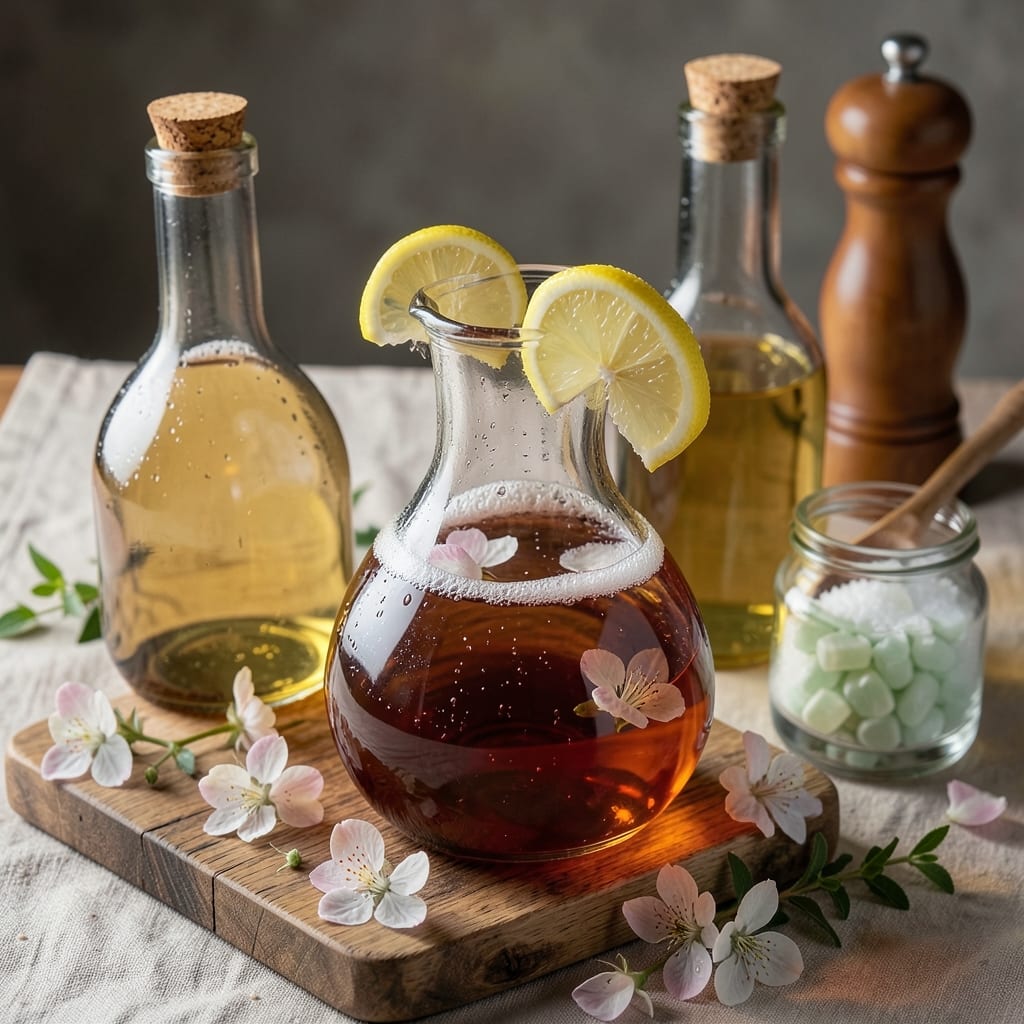
This apple blossom wine recipe transforms delicate spring blossoms into a sophisticated fermented drink that captures orchard essence in every sip. The process combines traditional winemaking techniques with floral precision, yielding a wine with floral notes that rival commercial craft varieties. What sets this apart is the careful balance of sugar, yeast, and blossom infusion—each element playing a crucial role in developing complex aromas and a smooth finish.
Creating this wine requires patience and attention to detail, from proper sanitization to precise fermentation timing. The recipe uses a straightforward ratio of water, sugar, and yeast, but the magic happens in the blossom infusion—harvested at peak freshness to ensure vibrant floral flavors. Safety is paramount, so we'll cover critical steps like alcohol content monitoring and proper storage to ensure a high-quality, safe final product.
The result is a wine with delicate apple blossom aromas, balanced acidity, and a smooth, approachable finish that works beautifully as an aperitif or paired with light desserts. Whether you're a home winemaker looking for a new challenge or a cocktail enthusiast eager to explore floral-infused beverages, this recipe delivers professional-quality results with a touch of orchard charm.
Optional garnishes like edible blossoms or citrus twists can elevate presentation, while aging recommendations will help refine the wine's character over time. Let's get started on crafting your own floral masterpiece.
Ingredients for apple blossom wine
Transform delicate orchard blossoms into sophisticated floral wine with these precision ingredients.
| Ingredient | Amount | Notes |
|---|---|---|
| Fresh Apple Blossoms 🌸 | 1 cup | Harvested at peak bloom, stems removed |
| Distilled Water 💧 | 5 cups | Non-chlorinated, room temperature |
| Granulated White Sugar 🍚 | 2 cups | Organic preferred for purity |
| Active Dry Wine Yeast 🍷 | ¼ tsp | Lalvin EC-1118 recommended |
| Lemon Juice 🍋 | 1 tbsp | Freshly squeezed, pasteurized |
| Campden Tablets 💊 | 1 tablet | For sterilization, crushed |
| Potassium Sorbate 🧪 | ½ tsp | Food-grade preservative |
| Campden Tablets 💊 | 1 tablet | Second dose before bottling |
| Edible Apple Blossoms 🌸 | ½ cup | For garnish, pesticide-free |
| Lemon Peel 🍋 | 1 strip | Organic, zest removed |
| Cork Stopper 🍷 | 4 whole | Food-grade, 12mm diameter |
| Sanitizer Solution 🧼 | 1 cup | Star San or equivalent |
| Glass Wine Bottles 🥃 | 4 whole | 750ml capacity, sterilized |
The blossoms must be harvested at peak bloom—typically 3-5 days after opening when petals are fully unfurled but not wilting. Local orchards or specialty growers are ideal sources; avoid roadside blossoms exposed to pesticides. For best results, collect blossoms in the morning after dew has dried but before midday heat. If fresh blossoms aren't available, dried apple blossoms can substitute at half the quantity, though flavor intensity will be reduced. The yeast selection is critical: Lalvin EC-1118 handles floral aromas exceptionally well, but Lalvin 71B-1122 is a reliable alternative for home winemakers.
Non-chlorinated water is essential—chlorine can inhibit yeast activity. If your tap water contains chlorine, let it sit uncovered for 24 hours before use or use bottled spring water. For sugar, organic cane sugar provides cleaner fermentation than beet sugar, though either works. The Campden tablets require precise handling: crush one tablet in 1 cup of water before adding to the must to ensure complete dissolution. For those without Campden tablets, potassium metabisulfite can substitute at the same dosage. The lemon juice serves dual purposes—acidification and natural preservation—so use freshly squeezed for optimal results.
All equipment must be thoroughly sanitized using Star San or equivalent no-rinse sanitizer. The wine bottles should be sterilized by soaking in boiling water for 15 minutes before use. Once bottled, store the wine in a cool, dark place at 55-65°F for primary fermentation. After 4-6 weeks, transfer to secondary fermentation for another 4-6 weeks before aging. The finished wine will keep for 1-2 years unopened when stored properly. For serving, chill to 45-50°F to enhance floral aromas—never refrigerate before aging as this can inhibit flavor development.
Why You'll Love This Recipe
- No Fuss Setup: I swear, this takes less effort than making coffee. Just pluck the blossoms, toss them in water with sugar and yeast—no fancy equipment, no stress. The lemon juice keeps things bright, and honestly? That’s it. You’ll be sipping something magical while your friends are still debating which wine to buy.
- Floral Honey Sweetness: The blossoms infuse this wine with a delicate, almost floral honey note—like spring in a glass. The sugar feeds the yeast just right, balancing that bright lemon tang so it’s never cloying, just perfectly refreshing. It’s the kind of drink that makes you pause mid-sip and think, “Wait, I made this?”
- Picnic Party Star: Between us, this wine is my go-to for any gathering—birthday, backyard BBQ, or just because. Chill it for a fancy brunch, serve it warm with spiced apples for a cozy night in, or pack bottles for a hike. It’s the one drink that says “I tried” without saying “I tried.”
- Budget Magic: A gallon costs less than a single bottle of store-bought wine—and you get way more. The yeast and sugar are pennies, the blossoms are free if you forage (or cheap at farmers’ markets), and it keeps for months in the fridge. Leftovers? Just top off the jug with water and a splash of lemon. Waste? None. Joy? All.
Step-by-step instructions for crafting apple blossom wine
Precision and patience transform simple ingredients into a delicate floral wine worthy of any cellar.
Sterilize Equipment and Prepare the Must
Begin by sterilizing all glassware and equipment using the 1 cup Sanitizer Solution. Scrub the 4 whole Glass Wine Bottles thoroughly inside and out, then rinse with hot water. This critical step prevents contamination that could ruin your wine. While the bottles dry, prepare the primary mixture by combining the 5 cups Distilled Water and 2 cups Granulated White Sugar in a sanitized fermentation vessel.
Add the 1 cup Fresh Apple Blossoms and 1 strip Lemon Peel to the water-sugar mixture. The blossoms should be fully submerged—if not, gently press them down with a sanitized utensil. Cover the vessel loosely with a clean cloth and let it steep at room temperature for 24 hours. You'll notice the liquid develop a pale golden hue and a subtle floral aroma as the blossoms infuse their essence.
Acidify, Sterilize, and Initiate Fermentation
After the initial infusion, crush the 1 tablet Campden Tablets and dissolve it in a small amount of the must. Stir thoroughly to distribute the sterilizing agent evenly throughout the mixture. This step eliminates wild yeast and bacteria that could compromise flavor. Add the 1 tbsp Lemon Juice next, which helps balance the fermentation process and enhances the wine's acidity profile.
Once the Campden tablets have fully dissolved and the mixture has cooled to 70-75°F, sprinkle the 0.25 tsp Active Dry Wine Yeast over the surface. Cover the vessel again with the clean cloth and let it sit for 12 hours to allow the yeast to activate. You'll observe small bubbles forming on the surface—this indicates the yeast has begun converting sugars into alcohol. When you see consistent bubbling, your wine is ready for the next critical phase.
Ferment and Stabilize the Wine
Transfer the must to a sanitized fermentation lock or airlock container, ensuring no sediment or blossom particles remain behind. Seal the vessel and place it in a dark, temperature-stable location between 65-75°F. Ferment for 4-6 weeks, stirring gently every 3-4 days to prevent sediment buildup. The fermentation process is complete when the specific gravity reads 0.990 or when bubbling in the airlock ceases for 48 hours.
Once fermentation is complete, remove the wine from the vessel using a sanitized siphon, leaving any sediment behind. Add 0.5 tsp Potassium Sorbate to each 750ml portion before transferring to the 4 whole Glass Wine Bottles. Crush the second 1 tablet Campden Tablets and dissolve it in a small amount of wine, then distribute this solution evenly among the bottles. This final sterilization ensures your wine remains stable and free from contamination during aging.
Age and Bottle for Optimal Flavor Development
Seal each bottle with the 4 whole Cork Stopper, ensuring they're inserted firmly to prevent oxidation. Store the bottles in a cool, dark place for 8-12 weeks, allowing the flavors to mature and mellow. During this time, the wine will develop a complex aroma with notes of apple blossom, honey, and subtle citrus undertones. The color will deepen to a delicate amber hue, indicating proper aging.
After the aging period, remove the corks and add the 0.5 cup Edible Apple Blossoms to each bottle as a final garnish. These blossoms not only enhance the visual appeal but also contribute a delicate floral finish. Serve chilled in 45-50°F glasses to fully appreciate the wine's aromatic complexity and crisp acidity. Each sip should reveal layers of floral elegance balanced by a clean, refreshing finish.
Pro Tips For Making Apple Blossom Wine
- STRAIN TWICE: Fresh apple blossoms pack a ton of tiny debris—petals, stems, even bits of bee pollen—that clogs filters and clouds your wine. After the initial 24-hour steep, strain through a fine-mesh sieve, then a coffee filter or cheesecloth for the final pour. I learned this the hard way when my first batch looked like muddy apple cider.
- WEIGH THE SUGAR: Granulated sugar can compact differently depending on how you scoop it, and off-by-a-pound measurements throw off fermentation balance. Use a kitchen scale for the 1–1.5 cups per gallon range—aim for 2.5–3.5 lbs total—and stir until fully dissolved before adding yeast. My lazy scooping habit once left me with a slow, sluggish batch that took months to finish.
- CHILL THE WATER FIRST: Yeast isn’t picky, but it does prefer water between 75–85°F (24–29°C) to activate properly. Pouring boiling water into your carboy and waiting feels efficient, but it risks overheating the yeast packet or creating temperature swings that stress fermentation. Fill your carboy with cold water, then add sugar and blossoms—adjust heat only if needed.
- USE A CAMPDEN TABLET: Lemon juice helps with acidity, but it won’t kill wild bacteria or yeast like Campden tablets (potassium metabisulfite) will. Drop in ½ tablet per gallon during the initial steep, then wait 24 hours before adding your wine yeast. I skipped this once and ended up with a funky, vinegary mess—now it’s non-negotiable for me.
Troubleshooting this dish
Blossom Infusion Failures
If your wine lacks floral aroma, the blossoms may not have infused properly. Harvest blossoms at peak bloom (3-5 days after opening) when petals are fully unfurled but not wilting. Avoid using blossoms from trees sprayed with pesticides—opt for organic orchard sources instead. For extra potency, gently crush the petals with a sanitized spoon before adding them to the must. 🌸
Fermentation Stalls
A stalled fermentation often means the yeast is struggling. Ensure your must stays between 65-75°F—too cold slows yeast activity, while temperatures above 85°F can kill it. If fermentation stalls before reaching 0.990 specific gravity, add 0.5 tsp more yeast or stir the must gently to resuspend sediment. Avoid over-sanitizing with Campden tablets—stick to 1 tablet per gallon to prevent yeast inhibition.
Cloudy or Hazy Wine
Cloudiness usually indicates contamination or insufficient sterilization. Double-check that all equipment is sanitized with Star San or boiling water. If cloudiness appears after bottling, it may be due to bottle contamination—discard affected batches. To prevent haze, use potassium sorbate (0.5 tsp per gallon) before bottling and avoid storing bottles in direct sunlight during aging.
Off Flavors or Smells
Sour or vinegary notes suggest bacterial contamination, often from improper sanitization. If your wine smells like nail polish remover, it’s acetaldehyde—a sign of incomplete fermentation. To fix, rack the wine (siphon off sediment) and add 0.25 tsp fresh yeast to restart fermentation. For musty or earthy flavors, ensure all equipment is completely dry before use to prevent mold growth.
Bottle Contamination
If you see bubbles or sediment forming in bottles after aging, contamination has likely occurred. This often happens when bottles aren’t properly sanitized or corks aren’t inserted firmly. To prevent it, soak bottles in boiling water for 15 minutes before use and store wine in a cool, dark place (55-65°F). If contamination happens, discard the batch—there’s no safe way to salvage it.
Weak Alcohol Content
If your wine tastes sweet or has low alcohol, the yeast may have died or fermentation was incomplete. Use Lalvin EC-1118 yeast (it handles floral wines well) and ensure the must stays within 65-75°F for at least 4-6 weeks. For stronger alcohol, increase sugar to 2.25 cups (adjust to taste) or extend fermentation time. Test specific gravity with a hydrometer—fermentation is complete at 0.990 or below.
Nutrition facts
Frequently asked questions about apple blossom wine
How do I know when apple blossoms are ready for harvesting?
Harvest blossoms when they're fully open but still fresh—typically 3-5 days after blooming. Look for petals that are unfurled but not wilting, and avoid any blossoms touched by pesticides. Morning harvests yield the most fragrant blossoms, as dew has evaporated but heat hasn't yet stressed the flowers.
Can I make this wine without Campden tablets?
Yes, but with extra caution. Use potassium metabisulfite (1/4 tsp per gallon) instead, dissolved in a small amount of water. Always sterilize equipment thoroughly with boiling water or Star San, and work in the cleanest possible environment to minimize contamination risks.
What alcohol percentage can I expect from this recipe?
With this recipe's sugar-to-yeast ratio, you'll typically achieve 8-12% ABV. For stronger alcohol (14-16%), increase sugar to 2.25 cups or extend fermentation time. Always use a hydrometer to track progress—fermentation is complete when specific gravity reaches 0.990.
How long does homemade apple blossom wine last once opened?
Once opened, store your wine in the refrigerator and consume within 5-7 days. The floral notes will intensify slightly when chilled, but prolonged exposure to air will cause oxidation. For longer storage, transfer to a smaller, airtight container after opening.
Can I use dried apple blossoms instead of fresh?
Dried blossoms work but require adjustment. Use half the quantity (1/2 cup) and steep them in warm water for 1 hour before adding to the must. The flavor will be less vibrant, but the floral character will still shine through—just expect a more subtle aroma profile.