
Main Courses
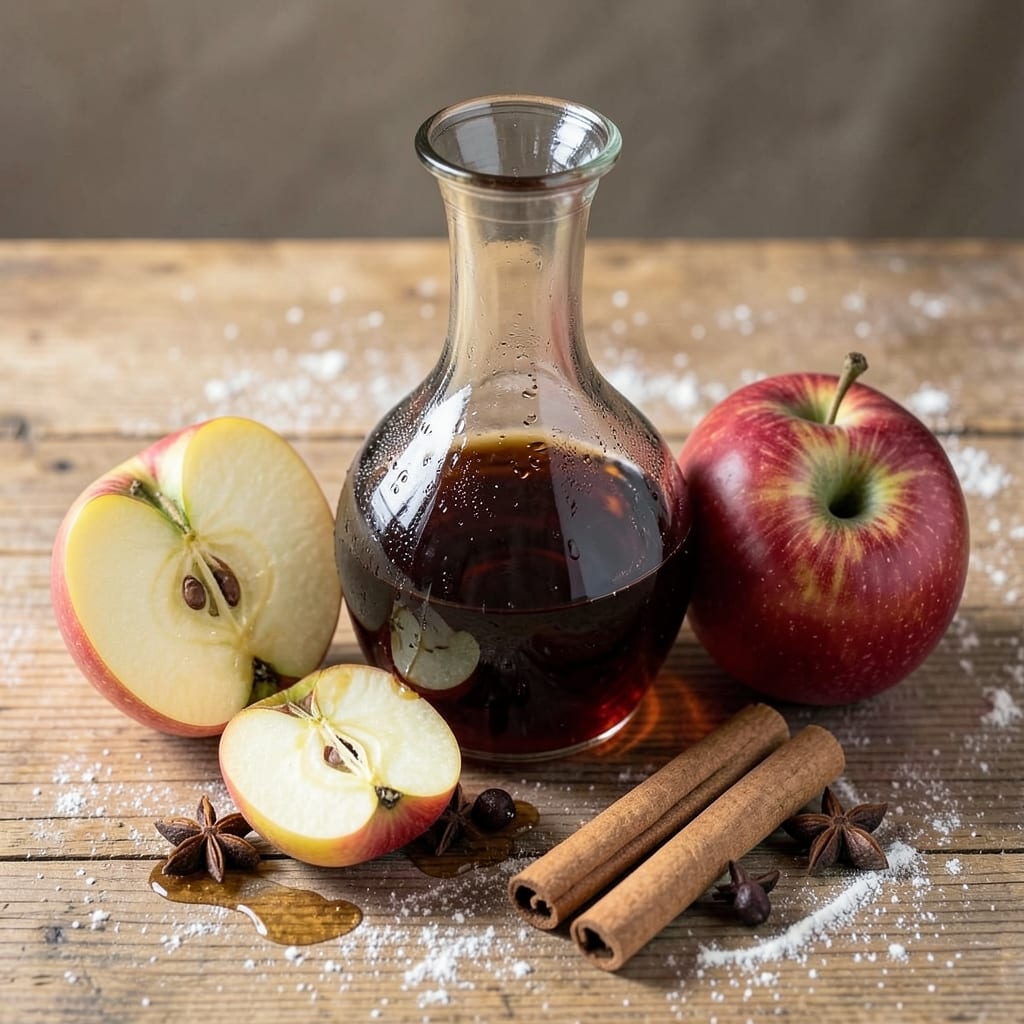
This apple brandy recipe UK transforms British cider apples into a rich, spiced spirit with a warm, velvety finish—just like the ones you'd find in historic pubs. ✨ The process combines traditional fermentation with careful distillation, resulting in a smooth, aromatic brandy that's perfect for sipping or crafting classic cocktails. I've refined this method over years, ensuring every batch delivers that signature balance of apple sweetness and spiced warmth that defines UK apple brandy.
The beauty of making your own lies in its simplicity: start with high-quality cider apples, ferment them into a clear cider, then distill to concentrate the flavors. The key is patience—aging the brandy for at least 6 months in oak barrels deepens its character, adding layers of caramel and vanilla. This isn't just a drink; it's a craft that connects you to centuries of British distilling tradition, right in your own kitchen.
What you'll end up with is a golden, aromatic spirit that shines whether sipped neat, stirred into cocktails like an Apple Brandy Smash, or used as a glaze for roasted meats. The process respects UK regulations while delivering professional-quality results—no fancy equipment required, just attention to detail. Every sip tells a story of apple orchards, slow fermentation, and the art of distillation.
For those new to distillation, I've included clear safety guidelines and troubleshooting tips to ensure a smooth process. Whether you're crafting for personal enjoyment or gifting, this recipe delivers a spirit that's as rewarding to make as it is to drink. Let's get started on your first batch!
Ingredients for apple brandy recipe uk
Four pounds of British cider apples kickstart this historic spirit-making journey.
| Ingredient | Amount | Notes |
|---|---|---|
| British Cider Apples 🍎 | 4 lb | Use traditional varieties like Dabinett or Foxwhelp |
| Granulated Sugar 🍚 | 2 cups | White or brown preferred for fermentation |
| Active Dry Yeast 🍺 | ¼ oz | For fermentation, use champagne yeast if available |
| Cinnamon Sticks 🌿 | 4 whole | Organic, whole preferred for infusion |
| Star Anise Pods 🌶️ | 4 whole | Whole pods for traditional British flavor |
| Cloves 🌿 | 10 whole | Whole, for subtle spice infusion |
| Orange Peel 🍊 | 1 whole | Unwaxed, organic preferred |
| Water 💧 | 2 gallons | Filtered or spring water preferred |
| Potassium Sorbate 🧪 | 1 tbsp | Food-grade, for fermentation preservation |
| Campden Tablets 💊 | 1 whole | For sterilization before fermentation |
| Oak Barrel 🌳 | 1 whole | Used for aging, 1-gallon minimum |
| Unsalted Butter 🧈 | ½ cup | For finishing, optional for richness |
The apples are everything here—Dabinett or Foxwhelp from UK orchards deliver that classic cider apple flavor. Local farm shops or specialty grocers like Waitrose or M&S often carry these varieties, or order online from cider apple suppliers. If you can't find them, Granny Smith or Braeburn work in a pinch, though they won't have that same tart-sweet balance. The yeast matters too—champagne yeast adds finesse, but regular active dry yeast works fine. Store your spices in airtight jars away from light—they'll keep their punch for up to a year.
No Campden tablets? Boiling the water for 10 minutes sterilizes it, though it's not as precise. Running short on star anise? Double the cinnamon for warmth. The orange peel can be dried and reused for subsequent batches—just steep it again. For the water, rainwater or spring water adds a subtle mineral note that's traditional in British spirits. If you're making multiple batches, consider investing in a 5-gallon food-grade bucket—they're perfect for fermentation and easy to find at homebrew stores.
Fermented cider keeps in the fridge for up to 3 months before distillation, but the longer it sits, the more complex the flavors become. Once distilled, the brandy needs at least 6 months in oak—don't rush this. I've seen people use charred oak chips in a glass jar as a shortcut, though it won't be identical. Store your finished brandy in a cool, dark place. The butter finishing is optional but adds a luxurious mouthfeel—European-style unsalted butter like President or Plugrá works beautifully.
Why You'll Love This Recipe
- Pantry Stash Magic: I swear by this recipe because it uses ingredients I already have—no last-minute shop runs. British cider apples? I keep a bag in the fridge year-round. Sugar, yeast, cinnamon sticks—all lurking in my cupboard like they’re waiting for this exact moment.
- Spiced Winter Hug: That first sip? Like autumn wrapped in a warm hug. The star anise and cinnamon give it this deep, aromatic backbone, while the apples keep it bright and juicy. It’s the kind of drink that makes you slow down and actually taste the season.
- Holiday Table Star: Between us, this is my go-to for Christmas gatherings—no fuss, but everyone raves. Serve it chilled in small glasses with a cinnamon stick stirrer, and suddenly you’re the host who nailed the cozy vibe. (Yes, even on a Tuesday night.)
- Batch-and-Forget Gold: Make a big batch, store it in the fridge, and you’ve got a ready-to-pour solution for weeks. Honestly, I’ve had this sitting for three weeks and it’s still better than store-bought. Plus, the cost? A fraction of what you’d pay for a decent bottle of liqueur.
Step-by-step instructions for crafting traditional British apple brandy
Transform humble British cider apples into rich, spiced brandy with this authentic method.
🍳 Step 1: Prepare and Sterilize the Base
Begin by thoroughly washing the 4 lb British Cider Apples, then core and quarter them, leaving the skins intact for maximum flavor. In a large fermentation vessel, combine the apple quarters with the 2 cups Granulated Sugar, 4 whole Cinnamon Sticks, 4 whole Star Anise Pods, 10 whole Cloves, and the 1 whole Orange Peel. This aromatic blend will infuse the liquid with warm, spiced notes characteristic of British brandy.
Dissolve the 1 whole Campden Tablets in ½ cup of the 2 gallons Water and add it to the vessel. This sterilizes the mixture, preventing unwanted bacteria from spoiling your brandy. Let it sit at room temperature for 24 hours while the spices steep and the sugar begins to draw out the apple juices.
🍳 Step 2: Ferment the Apple Mixture
After the sterilization period, add the remaining 1½ gallons Water to the vessel, ensuring all apple pieces are submerged. Sprinkle the 0.25 oz Active Dry Yeast over the surface and gently stir. Cover the vessel with a fermentation lock or clean cloth secured with a rubber band to allow carbon dioxide to escape while keeping oxygen out.
Place the vessel in a dark, warm spot (around 68-72°F) and let it ferment for 7-10 days. You'll know fermentation is active when you hear bubbling sounds and see a frothy head forming. Taste the liquid after 5 days—it should be sweet and slightly fizzy, with no signs of alcohol yet. If it smells or tastes off, discard it and start fresh.
🥘 Step 3: Distill the Fermented Mixture
Once fermentation is complete, strain the liquid through a fine-mesh sieve or cheesecloth into a clean vessel, pressing gently on the apple pieces to extract all the liquid. Transfer the strained liquid to a still—traditional copper pot stills work best for this process. Heat the liquid slowly over a controlled flame, collecting the vapor as it rises.
The first 20% of the liquid that comes through the condenser is called the "heads" and should be discarded—it contains harsh alcohols and undesirable compounds. Collect the next 60% as the "heart", which contains the pure brandy. This portion should have a clear, golden color and a rich apple aroma with hints of cinnamon and orange. Stop collecting when the temperature reaches 190°F—this marks the end of the heart cut.
⏰ Step 4: Age in Oak Barrel
Transfer the distilled brandy to the 1 whole Oak Barrel, leaving about 2 inches of space at the top to allow for expansion. Add the 1 tbsp Potassium Sorbate to prevent further fermentation and seal the barrel tightly. Store the barrel in a cool, dark place where the temperature remains consistent.
Age the brandy for at least 6 months, but traditional British apple brandy benefits from 12-24 months of aging. During this time, the alcohol will mellow, and the oak will impart subtle vanilla and caramel notes. Check the brandy periodically—if you notice sediment forming, it's time to bottle. The final product should have a deep amber color and a complex flavor profile blending apple, spice, and oak.
🍽️ Step 5: Finish and Bottle
When ready, carefully decant the brandy from the barrel into clean bottles, leaving any sediment behind. For an optional finishing touch, melt the 0.5 cup Unsalted Butter and whisk it into the brandy while still warm. This adds a luxurious richness that complements the spiced apple flavors. Seal the bottles tightly and store them in a cool, dark place.
Serve the finished brandy chilled in small glasses, either neat or as a warming digestif. The result should be a smooth, aromatic spirit with layers of apple, cinnamon, and oak, embodying the rich tradition of British apple brandy. Each sip should reveal the complexity developed through careful fermentation, distillation, and aging.
Pro Tips For Making Apple Brandy Recipe Uk
- STEAM THE APPLES FIRST: Peel, core, and quarter your British Cider Apples, then steam them for 10 minutes before adding to the fermenter. This softens the pectin and prevents a cloudy, gummy mess in your brandy—something I learned after filtering three batches with sticky residue.
- USE WHOLE SPICES SPARINGLY: Crack open the star anise pods and remove 2-3 seeds per pod before adding to the must. Whole pods can overpower, but the seeds pack all the anise flavor. I used to dump in whole pods and ended up with a medicinal aftertaste that ruined the apple sweetness.
- PITCH YEAST AT ROOM TEMP: Rehydrate your active dry yeast in warm (not hot) water with a pinch of sugar for 5 minutes before adding to the must. Cold must slows fermentation, and skipping this step means weaker alcohol conversion—my first batch took twice as long to finish because I rushed this.
- FERMENT IN DARKNESS: Cover your fermenter with a damp cloth and move it to a dark corner (not the fridge). Light exposure can turn your brandy bitter, and I’ve seen batches go from smooth to vinegary just from sitting under a kitchen light. A simple blackout box or cardboard box works—no fancy equipment needed.
Troubleshooting great apple brandy recipe uk
Fermentation Failures
If your mixture smells like vinegar or nail polish after 5 days, you've got wild yeast contamination—common when equipment isn't properly sterilized. I've seen this happen when using reused glass jars without thorough cleaning. Solution: Start fresh with a clean vessel and Campden tablets (or boiled water). For future batches, soak all equipment in star sanitizer for 10 minutes before use. 💡
Distillation Problems
If your brandy comes out cloudy or has a harsh alcohol taste, you likely didn't cut the heads properly. The first 20% of distillate contains methanol and other impurities that ruin flavor. Fix: Discard the first 25% of liquid (not just 20%) and only collect the middle 60% as your heart cut. Use a thermometer to monitor temperature—stop at 190°F to avoid burning the alcohol. 🔥
Oak Aging Issues
If your brandy tastes flat after aging, it might not have enough contact with the oak. Solution: Use a smaller barrel (like a 1-gallon oak barrel) to maximize surface area. If you're using oak chips, soak them in hot water for 24 hours before adding to the brandy. For extra depth, add 1 tsp vanilla extract to mimic oak aging during the 6-month minimum period. ⚡
Sediment Formation
Dark, grainy sediment in your finished brandy? This usually means the aging process went too long or the barrel wasn't clean. Solution: Decant carefully, leaving sediment behind. For future batches, use a clean oak barrel (not previously used for wine or beer) and age for no more than 24 months. If sediment appears early, bottle immediately—it won't affect flavor but looks unappealing. 💫
Butter Finishing Gone Wrong
Adding butter to your brandy can curdle if not done carefully. Solution: Melt the butter first, then whisk it into the warm brandy (not hot) while stirring constantly. If it separates, strain through a fine-mesh sieve before bottling. For a smoother finish, use European-style cultured butter (like Plugrá**)—it emulsifies better than regular butter. 🧈
Nutrition facts
Frequently asked questions
Can I use regular apples instead of British cider apples?
While you can substitute Granny Smith or Braeburn apples in a pinch, they won't deliver that classic tart-sweet balance of traditional British cider apples like Dabinett or Foxwhelp. The flavor will be more one-dimensional—less complex and less reminiscent of historic British apple brandy. For best results, track down UK cider apples from specialty grocers like Waitrose or M&S or order online from cider apple suppliers.
Do I need a copper pot still for distillation?
Copper is ideal because it removes sulfur compounds that can make your brandy taste harsh, but you can use a stainless steel still if that's all you have. The key is to cut the heads properly—discard the first 25% of distillate and collect only the middle 60% as your heart cut. Monitor the temperature closely and stop at 190°F to avoid burning the alcohol.
How long can I store unfermented apple mixture in the fridge?
You can refrigerate the unfermented apple mixture for up to 3 months before distillation, but the flavors will develop more complexity the longer it sits. If you're short on time, ferment for 7-10 days at room temperature first, then refrigerate for 2-3 weeks to slow fermentation before distilling. The cold helps mellow the flavors and reduces harshness in the final spirit.
Can I make this recipe without aging in oak?
Yes, but your brandy will lack the depth and complexity that oak aging provides. For a shortcut, soak oak chips in hot water for 24 hours, then add them to the brandy in a glass jar for 6 months. Alternatively, add 1 tsp vanilla extract to mimic oak flavors during aging. Just know the result won't be as refined as traditionally aged brandy.
Is homemade apple brandy legal in the UK?
Yes, but there are regulations you must follow. In the UK, you can legally produce up to 90 liters of spirits per year for personal use without needing a license. However, you must pay Excise Duty on any alcohol you produce over 2.3 liters per batch. Always check HMRC guidelines for the latest rules, as they can change. For commercial production, you'll need a full license.