
Sauces & Condiments
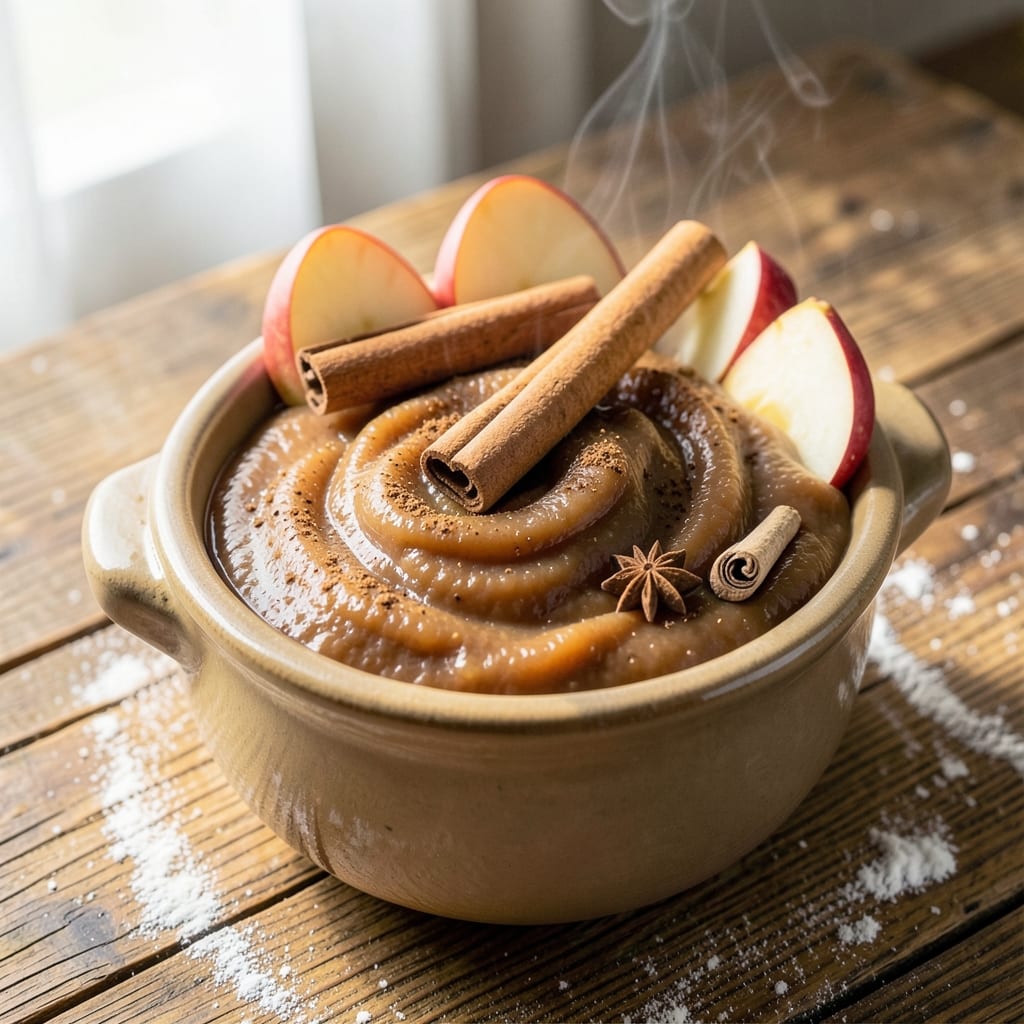
This apple butter recipe using canned applesauce transforms pantry staples into a velvety, aromatic spread that rivals homemade from fresh fruit. The secret lies in slow simmering—breaking down the applesauce into a thick, caramelized consistency with warm spices and just the right amount of sweetness. I developed this version after realizing how often canned applesauce sits forgotten in the cupboard, and it’s become my go-to for quick, foolproof batches.
What sets this recipe apart is the balance of ingredients: cinnamon and nutmeg create warmth, while a touch of cornstarch ensures that signature spreadable texture without overpowering the apple flavor. The slow cooker or stovetop method lets you control the thickness, so you can achieve that perfect balance between chunky and smooth. No pectin required—just patience and attention to detail.
By the time you’re done, you’ll have a rich, aromatic apple butter that’s ideal for slathering on toast, swirling into yogurt, or pairing with pork chops. The deep, caramelized flavor develops as it simmers, turning simple canned applesauce into something luxurious. This recipe proves that homemade condiments don’t require fresh ingredients or complicated techniques—just time and a few basic pantry staples.
The best part? It keeps beautifully in the fridge for weeks, making it perfect for gifting or meal prep. Store it in a clean jar, and you’ll have a pantry staple that’s always ready to elevate breakfast, brunch, or even holiday meals. Let’s get started on making this versatile, comforting spread.
Ingredients for apple butter recipe using canned applesauce
Pantry staples transform into velvety apple butter with just nine ingredients—no fresh fruit needed.
| Ingredient | Amount | Notes |
|---|---|---|
| Unsweetened Canned Applesauce 🍎 | 2 cups | Smooth, unsweetened variety |
| Granulated Sugar 🍚 | ½ cup | Light brown preferred |
| Ground Cinnamon 🌿 | 1 ½ tbsp | Freshly ground preferred |
| Ground Nutmeg 🌿 | ½ tsp | Freshly grated nutmeg |
| Cornstarch 🌾 | 1 tbsp | For thickening consistency |
| Apple Cider Vinegar 🍎 | 1 tbsp | For tangy balance |
| Vanilla Extract 🌸 | 1 tsp | Pure vanilla preferred |
| Salt 🧂 | ¼ tsp | Fine sea salt preferred |
| Water 💧 | ¼ cup | For thinning if needed |
The applesauce is your canvas—Mott's unsweetened or Brewster work perfectly, but any smooth, unsweetened variety will do. The cinnamon and nutmeg are where the magic happens; Penzeys or bulk bins at Whole Foods have the freshest ground spices. If you're using whole nutmeg, grate it fresh with a microplane—it makes all the difference. The sugar isn't just for sweetness; it helps caramelize the applesauce for that deep, rich flavor. I always grab Domino light brown sugar for that subtle molasses note.
No vanilla extract? Vanilla bean paste works beautifully, or even a pinch of vanilla sugar if you're in a pinch. The cornstarch is non-negotiable for that perfect spreadable texture—it thickens without making it grainy. If you're avoiding cornstarch, arrowroot powder at the same amount is a great swap. The apple cider vinegar might sound odd, but it's what gives that subtle tang that balances the sweetness. Bragg or Mott's are my go-tos, but any good-quality vinegar will work. And if you're making a big batch, consider doubling the spices—they mellow slightly as it simmers.
This keeps for 3 weeks in the fridge, but honestly, it's gone in days. I always make a double batch because it's perfect for gifting—just scoop into clean Ball jars and tie a ribbon. If you want to extend the shelf life, it freezes beautifully for up to 6 months. Just thaw in the fridge overnight. The texture changes slightly when reheated, but it's still delicious. For a smoother consistency, blend briefly before storing. And trust me, the longer it sits, the better it gets—those flavors meld into something truly special.
Why You'll Love This Recipe
- Pantry Magic: I swear by this recipe when I’ve got nothing but canned applesauce and spices staring back at me. No peeling, no coring, no chopping—just open, dump, and stir. The cornstarch thickens it like a dream, and the cinnamon-nutmeg combo turns that jarred applesauce into something ridiculously good.
- Smooth & Spiced: That first spoonful? Warm, velvety, and packed with cinnamon’s cozy punch. The nutmeg adds this subtle, earthy depth that makes it taste like autumn in a jar—no artificial flavors, just real spice. Honestly, I’ve tried store-bought apple butter, and this beats it every time.
- Breakfast to Toast: Spread it on toast with peanut butter for a quick breakfast, dollop it over oatmeal, or stir it into yogurt for a dessert-like treat. My kids even ask for it on pancakes (yes, even on a Tuesday night). It’s the kind of thing that makes you wonder why you didn’t make it sooner.
- Zero Waste, All Gain: A single can of applesauce turns into three jars of apple butter—no spoilage, no guesswork. I’ve used it to sweeten coffee cakes, glaze ham, or even mix into BBQ sauce. And since it’s shelf-stable, I keep a batch on hand for emergencies (aka when I forget to bake). Budget-friendly? Absolutely. Versatile? You bet.
Step-by-step instructions for apple butter using canned applesauce
Here's how to transform simple pantry staples into velvety, aromatic apple butter with perfect thickness.
Combine All Ingredients in a Heavy Saucepan
In a 4-quart heavy saucepan, combine the 2 cups unsweetened canned applesauce, 0.5 cup granulated sugar, 1.5 tablespoons ground cinnamon, 0.5 teaspoon ground nutmeg, 1 tablespoon cornstarch, 1 tablespoon apple cider vinegar, 1 teaspoon vanilla extract, and 0.25 teaspoon salt. I always use a heavy saucepan because it distributes heat evenly and prevents scorching—this is especially important for small batches that can burn quickly.
Stir everything together with a wooden spoon until the sugar and cornstarch dissolve completely. You'll notice the mixture looks thick and chunky at first, but don't worry—this will transform as we cook. The applesauce provides the base, while the cornstarch acts as our thickening agent, creating that signature spreadable consistency we're after.
Simmer Over Medium-Low Heat for 30-45 Minutes
Place the saucepan over medium-low heat and bring the mixture to a gentle simmer. Here's the key: you want bubbles that break the surface occasionally, not a vigorous boil. This controlled simmer allows the flavors to meld while gradually reducing the mixture to the perfect thickness. I've found that medium-low heat prevents burning while ensuring proper thickening.
Stir frequently—about every 2-3 minutes—using a wooden spoon to prevent sticking and ensure even cooking. As it simmers, the applesauce will break down and thicken noticeably. After about 20 minutes, you'll start seeing a glossy sheen develop on the surface, indicating the cornstarch is activating and the mixture is transforming. The aroma will become intensely spiced and sweet—this is when you'll know you're on the right track.
Test for Thickness and Adjust Consistency
After 30 minutes, it's time to test the consistency. Remove a small spoonful and place it on a chilled plate. If it spreads slightly but holds its shape—forming a thick paste rather than a runny liquid—it's ready. If it's still too thin, return the saucepan to medium-low heat and continue simmering, stirring occasionally, for another 5-10 minutes. The cornstarch will continue working to thicken the mixture as it cools.
If the apple butter becomes too thick and starts to stick to the pan, add 1 tablespoon at a time of the 0.25 cup water reserved for thinning. Stir well after each addition until you reach your desired consistency. The perfect apple butter should be thick enough to hold its shape on a spoon but still spreadable. I aim for a consistency similar to good-quality jam—thick but not gluey.
Cool and Store for Maximum Flavor Development
Once you've achieved the perfect thickness, remove the saucepan from heat and let the apple butter cool completely at room temperature. This cooling process is crucial—it allows the flavors to fully develop and the texture to set properly. I've noticed that freshly cooked apple butter can taste slightly raw, but after cooling for 1-2 hours, the spices mellow and the sweetness becomes more balanced.
For best results, transfer the cooled apple butter to a clean, airtight jar or container. It will keep in the refrigerator for up to 3 months, though I find it's usually gone in a matter of weeks. The flavors actually improve with time, becoming more complex and aromatic. If you prefer a smoother texture, you can blend it briefly with an immersion blender after cooling, though I like the slight rustic texture that remains from the simmering process.
Pro Tips For Making Apple Butter Recipe Using Canned Applesauce
- Simmer Slow and Steady: I learned this the hard way—crank the heat to medium and let it bubble gently, not a rolling boil. Too much heat turns your apple butter into glue; you want it to thicken gradually, not burn at the edges.
- Use Less Cornstarch at First: Start with half the cornstarch and stir it in only when the mixture looks like it’s fighting for thickness. Overdoing it upfront makes the texture grainy, and you’ll regret needing to thin it out later with water.
- Skip the Pre-Mixing Sugar: Add the sugar gradually as the applesauce cooks, not all at once. Dumping it in early can make the mixture clump or crystallize, and you’ll end up with a lumpy mess instead of smooth, glossy apple butter.
- Stir Like You Mean It: Every 5-10 minutes, scrape the bottom of the pot with a wooden spoon—yes, even if it’s messy. That’s where the good stuff sticks, and skipping it means you’ll miss out on the richest flavor and risk burning the bottom.
Best sauces and condiments for this dish
Toast Toppings
This apple butter is a game-changer for breakfast and brunch. Spread it generously on sourdough toast and top with a sprinkle of flaky sea salt and a drizzle of local honey for a perfect balance of sweet and savory. I love pairing it with crispy bacon or scrambled eggs—the warm spices cut through the richness beautifully. 🥖
Yogurt Swirl
Stir 2 tablespoons of this apple butter into plain Greek yogurt for a flavor-packed breakfast or snack. The cinnamon and nutmeg add warmth that complements the yogurt's tang. For extra crunch, top with granola or chopped pecans. I often make a big batch to keep in the fridge for quick, no-fuss mornings.
Meat Glaze
Brush this apple butter onto pork chops, ham, or even roasted chicken thighs during the last 10 minutes of cooking. The natural sweetness caramelizes, creating a glossy glaze that pairs perfectly with savory dishes. I've also used it as a BBQ sauce base by thinning it with a splash of apple cider and adding a pinch of smoked paprika.
Cheese Board Pairing
Serve this apple butter alongside sharp cheddar, brie, or aged gouda on a cheese board. The sweetness balances the richness of the cheese beautifully. Add crackers, nuts, and dried fruit for a well-rounded spread. I like to include a small bowl of the apple butter in the center so guests can scoop it up easily.
Oatmeal Booster
Stir 1 tablespoon of this apple butter into warm oatmeal for a cozy, spiced breakfast. The cinnamon and nutmeg add depth that pairs well with maple syrup or peanut butter. For extra protein, top with chopped walnuts and a sprinkle of chia seeds. It’s a simple way to elevate a basic bowl of oats.
Baked Goods
Use this apple butter as a filling for muffins, scones, or cinnamon rolls. Spread 1-2 tablespoons between layers of dough or swirl it into batter before baking. The flavors intensify when baked, creating a warm, aromatic center. I’ve also used it as a glaze for apple crisp by thinning it slightly with water.
Nutrition facts
Frequently asked questions
Can I use sweetened canned applesauce instead of unsweetened?
Yes, but you'll need to reduce the sugar. Start with 1/4 cup less sugar and taste as you simmer. Sweetened applesauce adds extra sweetness that can overpower the spices if you use the full amount. The texture will still thicken perfectly, but the flavor balance might be off.
Why did my apple butter turn out too runny?
This usually happens from one of three things: insufficient simmering time, too much liquid added, or not enough cornstarch. For best results, simmer for the full 30-45 minutes and stir frequently. If it's still too thin after cooling, return to medium-low heat and simmer another 5-10 minutes—the cornstarch will activate more as it cools.
How can I make this apple butter spicier?
Add 1/4 teaspoon cayenne pepper or 1/2 teaspoon smoked paprika for warmth, or fold in 1/2 teaspoon chipotle powder after cooking for a smoky kick. For a more complex spice blend, try adding 1/4 teaspoon cardamom or a pinch of cloves. Always taste first—spices intensify as they cool.
Can I make this in a slow cooker instead of a saucepan?
Combine all ingredients in a 3-4 quart slow cooker and cook on low for 3-4 hours, stirring every 30 minutes. The low-and-slow method enhances the caramelization naturally. For faster results, use high for 2 hours, but watch closely to prevent scorching. The texture will be slightly smoother than stovetop.
What's the best way to store leftover apple butter?
Transfer to a clean, airtight jar and store in the fridge for up to 3 months. For longer storage, freeze in 1/2 cup portions for up to 6 months. Thaw overnight in the fridge—never at room temperature. The flavors actually improve with time, becoming richer and more complex as the spices meld.