
Sauces & Condiments
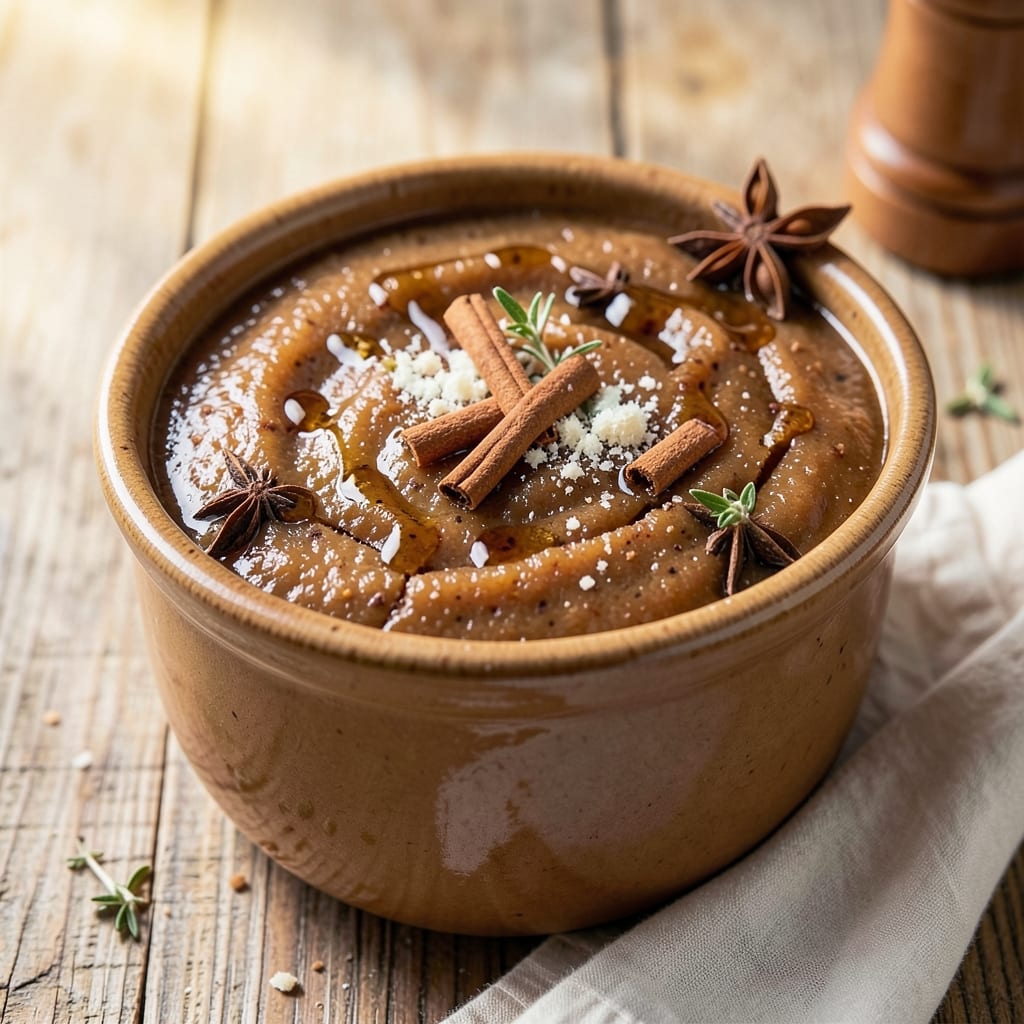
This apple butter recipe with vinegar transforms classic sweetness into a sophisticated condiment with balanced tang—perfect for toast, cheese boards, or glaze. The vinegar's acidity cuts through the apples' natural sweetness while adding depth that elevates every spoonful. I developed this version after realizing how much brighter store-bought apple butter could be with just a splash of vinegar.
The process is simple yet precise: simmer peeled and chopped apples with vinegar, spices, and a touch of sugar until they break down into a smooth, fragrant paste. The vinegar doesn’t overpower—it enhances the apples' natural flavors, creating a condiment that’s both rich and refreshing. This method also reduces cooking time compared to traditional apple butter, making it ideal for weeknight prep.
What you’ll end up with is a velvety apple butter with a bright, balanced tang that pairs beautifully with sharp cheeses, roasted pork, or even vanilla ice cream. The vinegar’s presence ensures it won’t taste cloyingly sweet, while the spices add warmth without overpowering. Store it in the fridge for up to 2 weeks or freeze for months of flavorful versatility.
Adjust the sweetness to your taste—add more sugar if you prefer it sweeter, or lean into the tang for a bold, sophisticated twist. This recipe is a game-changer for anyone who loves apple butter but wants something with more complexity. Let’s get started!
Ingredients for apple butter recipe vinegar
Pantry staples plus a few specialty spices—this tangy twist on apple butter is a game-changer.
| Ingredient | Amount | Notes |
|---|---|---|
| Peeled Apples 🍎 | 4 cups | Chopped into 1/4-inch pieces |
| Apple Cider Vinegar 🍶 | ¼ cup | Unfiltered for best flavor |
| Granulated Sugar 🍚 | ½ cup | Adjust to taste |
| Ground Cinnamon 🌿 | 1 ½ tsp | Freshly ground preferred |
| Ground Nutmeg 🌿 | ½ tsp | Freshly grated nutmeg better |
| Ground Ginger 🌿 | ½ tsp | Fresh ginger preferred |
| Salt 🧂 | ½ tsp | Kosher or sea salt |
| Water 💧 | ¼ cup | For simmering |
| Extra-Virgin Olive Oil 🫒 | 1 tbsp | For finishing (optional) |
The apples are the foundation, so pick firm, sweet varieties like Honeycrisp or Fuji—they hold up better during cooking. Trader Joe's or local orchards often have pre-washed bags of apples that save time. For vinegar, unfiltered apple cider vinegar adds complexity, but regular works too. The spices? Penzeys or Spicewalla for high-quality ground spices, but regular grocery store brands are fine if they're fresh. If you're using whole spices, toast them lightly in a dry pan first for deeper flavor—worth the extra minute.
No apple cider vinegar? White vinegar or lemon juice works in a pinch, but the flavor will be slightly different. Want less sweetness? Reduce the sugar to 1/4 cup and add 1 extra tbsp of vinegar. Prefer a smoother texture? Blend with an immersion blender halfway through cooking. The cinnamon is non-negotiable—it's the star here—but if you're out, ceylon cinnamon works too. For a spicier kick, add a pinch of cayenne at the end.
This keeps beautifully—2 weeks in the fridge or 6 months in the freezer. I portion mine into small jars so I can grab exactly what I need. The texture thickens as it cools, so give it a stir before using. If it's too thick after refrigerating, just warm it gently with a splash of water or apple juice. The vinegar's tang actually improves over time, so don't be afraid to make a big batch—it'll be gone before you know it.
Why You'll Love This Recipe
- I’ll be real: this stuff disappears fast. Drizzle it on toast, stir it into yogurt, or use it to glaze roasted chicken—it’s my go-to for when I need flavor without extra shopping. (Yes, even on a Tuesday night.)
- Few-Step Magic: Honestly, this takes less time than waiting for a podcast to load. Just peel apples, toss them in vinegar with sugar and spices, then simmer until thick—no peeling onions, no chopping herbs, just you and a pot.
- Tangy-Sweet Crunch: Between us, that apple cider vinegar twist turns ordinary apple butter into something dangerously addictive. The warmth of cinnamon and nutmeg wraps around the sharp vinegar bite, making every spoonful feel like a hug for your taste buds.
- Pantry Staple Power: I’ll be real: this stuff disappears fast. Drizzle it on toast, stir it into yogurt, or use it to glaze roasted chicken—it’s my go-to for when I need flavor without extra shopping. (Yes, even on a Tuesday night.)
Step-by-step instructions for apple butter with vinegar
Here's how to craft a vibrant apple butter where tangy vinegar brightens every spoonful.
Combine Apples, Vinegar, and Water in a Heavy Pot
Place the 4 cups of peeled apples in a large, heavy-bottomed pot. Add the 0.25 cup apple cider vinegar and 0.25 cup water—this liquid helps prevent burning and creates that signature tang. I like to use a Dutch oven for even heat distribution, but any heavy pot will work.
Stir the mixture gently to combine, then bring to a simmer over medium heat. You'll see the apples release their juices almost immediately. Once simmering, reduce heat to medium-low and let it cook uncovered for about 20 minutes. This initial simmer softens the apples and begins breaking down their fibers—you'll notice the mixture thicken slightly and develop a fragrant aroma.
Add Spices and Sugar for Depth of Flavor
After the apples have simmered for 20 minutes, it's time to add the aromatic spices. Sprinkle in the 1.5 teaspoons ground cinnamon, 0.5 teaspoon ground nutmeg, 0.5 teaspoon ground ginger, and 0.5 teaspoon salt. Stir well to distribute evenly throughout the mixture.
Next, add the 0.5 cup granulated sugar. This is where the magic happens—the sugar caramelizes slightly as it cooks, deepening the flavor. Increase heat back to medium and let the mixture cook uncovered for another 30 minutes. You'll know it's working when the apples begin to break down into a chunky purée and the scent becomes rich and spiced. Stir occasionally to prevent sticking, and watch for the mixture to thicken noticeably.
Simmer Until Thick and Glossy
Continue cooking the apple mixture over medium-low heat for about 45-60 minutes, stirring frequently. This is the most critical step—you want the apples to transform into a thick, spreadable consistency. The vinegar will continue to mellow, adding brightness without overpowering the sweetness.
You'll know it's done when the apple butter pulls away from the sides of the pot and forms a glossy sheen. It should coat the back of a spoon thickly. If it's not thick enough after 60 minutes, continue cooking and stir more frequently—this helps evaporate excess liquid. The texture should be smooth yet still have some small apple pieces for texture. Taste and adjust sweetness if needed; you can always add more sugar if it's too tart.
Finish with Olive Oil for Smoothness (Optional)
Once the apple butter reaches your desired consistency, remove it from heat. Here's where the 1 tablespoon extra-virgin olive oil comes in—it adds a silky finish and helps prevent the butter from drying out over time. Stir it in gently, letting it meld with the warm mixture.
Transfer the apple butter to a clean jar or airtight container. Let it cool completely before sealing. The flavors will continue to meld as it cools, resulting in a perfectly balanced spread. This apple butter keeps well in the refrigerator for up to 3 weeks or can be canned for longer storage. Enjoy it on toast, with cheese, or as a topping for yogurt—every bite will be a harmonious blend of sweet, spiced, and tangy.
Pro Tips For Making Apple Butter Recipe Vinegar
- CHOP SMALL, COOK FAST: Peeled apples oxidize fast—cut them into ½-inch chunks, not slices. Smaller pieces soften evenly and release flavor quicker, so you’re not simmering for hours waiting for stubborn cores to break down.
- STIR AT THE START: The first 10 minutes are when sugar and vinegar fight for dominance. Stir every 2 minutes to dissolve sugar fully and prevent a sticky, gloppy mess that’s hard to fix later.
- SKIP THE BOIL: Low and slow wins here. Once the mixture reaches a gentle simmer (tiny bubbles, not rolling), drop heat to medium-low. Boiling burns sugar and makes the vinegar taste harsh—like overcooked applesauce with attitude.
- TOAST THE SPICES: Sprinkle cinnamon and nutmeg directly into the hot vinegar before adding apples. Let them bloom for 30 seconds—this wakes up their flavor and cuts through the acidity better than just stirring them in later. (Yes, it smells weird at first, but trust it.)
Wine and beer pairings for this apple butter recipe vinegar
White Wine Pairings
A crisp, dry Sauvignon Blanc from New Zealand or Loire Valley is my go-to choice—its bright acidity and citrus notes mirror the apple butter’s tang while complementing the warm spices. Look for wines with honeydew melon or lime undertones to enhance the apple’s natural sweetness without clashing. I love Cloudy Bay Sauvignon Blanc or Oyster Bay for their refreshing balance. 🍷
Red Wine Options
For a bold contrast, try a Pinot Noir with subtle earthy notes—its gentle tannins won’t overpower the apple butter’s richness. A Willamette Valley or Burgundy Pinot Noir works beautifully, especially if it has red fruit or vanilla undertones. Avoid heavy Cabernets—their intensity can compete with the spices. 🍇
Beer Pairings
A Belgian witbier like Hoegaarden or Stella Artois cuts through the sweetness with its coriander and citrus notes, creating a refreshing contrast. For a malty option, try a honey brown ale—the caramel flavors harmonize with the apple butter’s depth. Avoid IPAs unless you want a bitter-sweet clash. 🍺
Cider Harmony
Dry hard cider (like Martinelli’s or Angry Orchard) is a perfect match—its apple base enhances the condiment’s flavors while the slight tartness balances the sweetness. For a fun twist, serve it chilled over ice with a splash of apple cider vinegar for an extra tangy kick. 🍏
Non-Alcoholic Options
Sparkling apple cider (like Martinelli’s Sparkling) mimics wine’s acidity and adds effervescence that cleanses the palate. For a non-fizzy choice, try hibiscus iced tea—its floral notes pair surprisingly well with the spiced apple butter. 🍹
Nutrition facts
Frequently asked questions
Can I use a different type of vinegar besides apple cider?
Yes! While apple cider vinegar adds the best complementary flavor, you can substitute white vinegar (for a sharper tang) or balsamic vinegar (for depth and slight sweetness). Use the same amount—¼ cup—but taste as you go. Balsamic will give a richer, almost caramelized note, while white vinegar keeps things bright and crisp.
How do I know when the apple butter is done?
It's ready when it coats the back of a spoon thickly and pulls away from the pot's sides with a glossy sheen. This usually takes 45-60 minutes of total simmering time. For extra assurance, press a spoonful between your fingers—if it holds its shape without dripping, it's perfect. If it's still too thin, cook 10 minutes longer while stirring frequently.
Can I make this apple butter without sugar?
For a naturally sweetened version, reduce the sugar to ¼ cup or omit it entirely. The vinegar's acidity will balance the apples' natural sweetness, but you may need to add 1 extra tbsp of vinegar to compensate. Taste as you go—some apple varieties like Honeycrisp are sweeter and may need less adjustment. This creates a tangier, more complex flavor profile.
Why does my apple butter look grainy?
Graininess usually means the apples didn't break down enough. Try these fixes: Simmer 10-15 minutes longer while stirring more frequently, or add 1 tbsp of water to help dissolve the fibers. For a smoother texture, blend with an immersion blender halfway through cooking. If you prefer some texture, just stir vigorously—it'll break up naturally as it cools.
How can I use up extra apple butter?
This versatile condiment works in so many ways! Spread it on toasted sourdough, swirl it into Greek yogurt, or drizzle it over pancakes. Use it as a glaze for roasted pork tenderloin, mix it into oatmeal, or pair it with sharp cheeses like aged cheddar or goat cheese. Freeze extras in 1-tbsp portions for quick use in smoothies or baking.