
Desserts
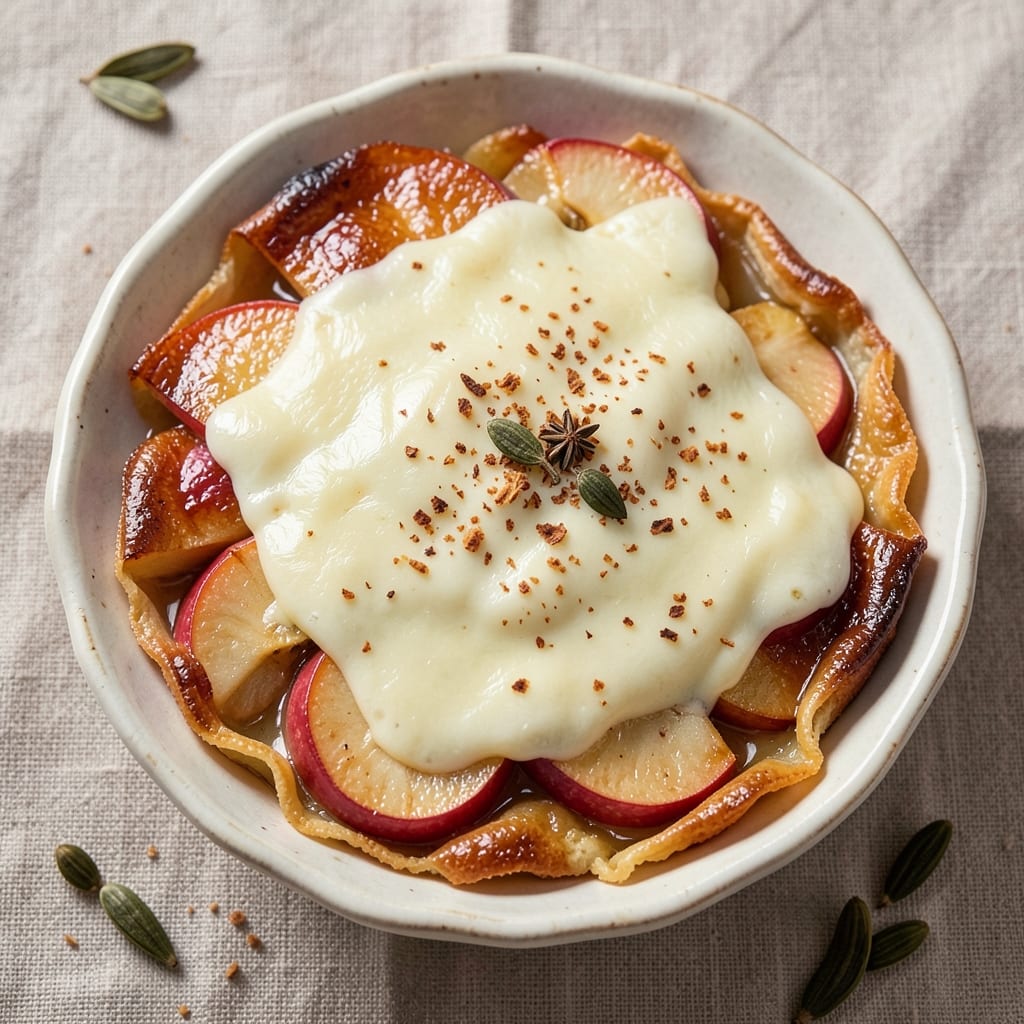
The apple cheong recipe transforms simple ingredients into delicate, golden pastries with a fragrant spiced apple filling. This recipe preserves the cultural essence while making it accessible for home cooks, delivering tender layers of glutinous rice dough wrapped around sweet, aromatic apple and cheese. The process combines delicate shaping with simple cooking methods—steaming or pan-frying—to create a dessert that’s both nostalgic and impressive.
What sets this recipe apart is its balance of textures: the dough remains soft and slightly chewy, while the filling stays moist with hints of cinnamon and cardamom. I’ve included a foolproof dough preparation method that avoids common pitfalls like cracking, ensuring each cheong emerges perfectly formed. The filling combines diced apples with mild cheddar for a subtle savory note, though you can adjust sweetness to preference.
By the time you’re done, you’ll have a batch of apple cheongs that look like they belong in a bakery display—golden, glossy, and irresistible. The aroma of steaming pastries fills the kitchen, while the first bite delivers a harmonious blend of sweet, spiced apple and creamy cheese. Serve warm with a dusting of cinnamon or a drizzle of honey for the ultimate dessert experience.
This recipe works equally well for special occasions or comforting weeknight treats, with variations like adding peanut or sesame coatings for extra crunch. The key lies in patience during shaping and precise cooking times—once mastered, it becomes a rewarding tradition to recreate at home.
Ingredients for apple cheong
Transform these simple pantry staples into delicate, aromatic apple cheongs with tender layers.
| Ingredient | Amount | Notes |
|---|---|---|
| Glutinous Rice Flour 🍚 | 2 cups | For dough elasticity |
| Granulated Sugar 🍚 | ½ cup | Adjust to taste |
| Unsalted Butter 🧈 | ¼ cup | Cold, cubed for dough |
| Red Apples 🍎 | 2 medium | Peeled, cored, diced |
| Mild Cheddar Cheese 🧀 | 4 oz | Shredded, aged 3 months |
| Ground Cinnamon 🌿 | 1 tsp | Freshly ground preferred |
| Ground Cardamom 🌿 | ½ tsp | Toasted for aroma |
| Salt 🧂 | ½ tsp | Fine sea salt |
| Vegetable Oil 🫒 | 1 tbsp | For pan-frying |
| Honey 🍯 | 1 tbsp | For glaze (optional) |
| Water 💧 | ½ cup | Room temperature |
| Peanut Oil 🫒 | ¼ cup | For frying (optional) |
The glutinous rice flour is non-negotiable—it gives cheongs their signature chewy texture. Bob's Red Mill or King Arthur brands are reliable, but check for 100% pure glutinous rice flour (not a blend). The apples should be firm and tart—Granny Smith or Fuji work best, but avoid anything overly sweet. For the cheese, aged mild cheddar (like Cabot or Tillamook) adds depth without overpowering the apple. If you can't find cardamom, allspice at half the amount works in a pinch, though the flavor will differ slightly.
No peanut oil? Vegetable or canola oil works for frying, though peanut oil adds that classic nutty aroma. The butter must be cold when mixed into the dough—cut it into small cubes and let it sit in the fridge for 15 minutes if it's too soft. For the filling, if you're short on apples, substitute with pear or quince, but reduce the sugar by half to balance the natural sweetness. The honey glaze is optional but recommended—it adds a beautiful sheen and extra sweetness that pairs perfectly with the spiced filling. If you prefer a crunchy coating, toss the shaped cheongs in crushed peanuts or sesame seeds before frying.
Store the dough in an airtight container between parchment paper for up to 2 days—it keeps best at room temperature. The filling can be prepped ahead and refrigerated for 3 days, but bring it to room temperature before wrapping. Once cooked, cheongs reheat beautifully—wrap in foil and steam for 5-7 minutes to restore their warmth. They freeze well too: shape the cheongs, freeze on a tray, then transfer to a bag for up to 3 months. Thaw in the fridge overnight before reheating.
Why You'll Love This Recipe
- No-Fuss Dough: I swear, the dough comes together faster than my coffee brews. Just mix the glutinous rice flour, butter, and a splash of water—no kneading, no fuss. Honestly, it’s the kind of recipe that makes me question why I ever baked anything complicated.
- Sweet-Savory Magic: That caramelized apple filling? Chef’s kiss. The apples soften into a jammy sweetness while the cheddar melts into little pockets of salty richness—every bite balances like a hug. Between us, it’s the kind of flavor combo that makes people ask for seconds before the plate’s even empty.
- Weeknight Hero: Pack these little cheongs for lunch or serve them warm at a picnic—no one cares what you call them, they’ll just be gone. I’ve sent them to school with my kids (yes, really) and still had my husband beg for seconds. They’re that universally loved.
- Budget-Friendly Luxury: Uses pantry staples you already own, and the dough stretches for multiple uses. Make a batch, freeze half, and thank me later when you’re pulling them out for a last-minute snack. Not the prettiest, but the taste makes up for it—and your wallet stays happy.
Step-by-step instructions for apple cheong recipe
Transform simple ingredients into delicate, spiced apple pastries with this foolproof method.
Prepare the Dough Foundation
In a large mixing bowl, combine the 2 cups glutinous rice flour, 0.5 cup granulated sugar, 1 tsp ground cinnamon, 0.5 tsp ground cardamom, and 0.5 tsp salt. Mix thoroughly to ensure even distribution of spices throughout the dough. This step creates the aromatic base that will carry through the entire recipe.
Cut the 0.25 cup unsalted butter into small cubes and add them to the flour mixture. Use your fingertips or a pastry cutter to work the butter into the flour until the mixture resembles coarse crumbs with pea-sized butter pieces remaining. This cold butter technique is crucial—it creates flaky layers when the pastries bake. If the mixture feels too dry, add 1 tablespoon of the 0.5 cup water gradually until it just comes together when pressed.
Form and Rest the Dough
Gently knead the dough just until it forms a cohesive ball, being careful not to overwork it. Divide the dough into 4 equal portions (about 4 ounces each) and roll each portion into a 4-inch round disc. Wrap each disc tightly in plastic wrap and refrigerate for at least 30 minutes. This resting period allows the gluten to relax and makes the dough much easier to handle when you're ready to assemble.
While the dough rests, prepare the filling by peeling, coring, and finely dicing the 2 medium red apples. In a small bowl, combine the diced apples with the 4 oz shredded mild cheddar cheese. The cheese will add a pleasant tang that balances the sweetness of the apples and complements the warm spices. Set this mixture aside until ready to use.
Assemble and Pan-Fry the Pastries
Heat a non-stick skillet over medium heat and add 1 tablespoon vegetable oil. Once the oil is shimmering, carefully place one dough disc into the pan. Press down gently with a spatula to create a shallow well in the center of the dough. Add about 2 tablespoons of the apple-cheese filling to the center of each disc, then carefully fold the dough over the filling to completely enclose it.
Press the edges firmly to seal, creating a neat, rounded shape. The pastry should look like a small, filled dumpling. Cook for 3-4 minutes on each side until golden brown spots appear. The key here is patience—don't rush the cooking or the pastries will be dense instead of light and airy. Transfer the cooked pastries to a paper towel-lined plate to drain any excess oil.
Finish with Optional Glaze
For an extra touch of sweetness, brush the warm pastries with the 1 tablespoon honey mixed with 1 teaspoon water (this makes it easier to apply). The honey will caramelize slightly in the residual heat, creating a beautiful glossy finish. If you prefer a lighter texture, you can also fry the pastries in the 0.25 cup peanut oil instead of pan-frying. Heat the oil to 350°F and fry for 2-3 minutes until golden brown, then drain on paper towels.
Serve the apple cheongs warm, ideally within 15 minutes of cooking. The combination of warm spices, tender apples, and melted cheese creates a perfect balance of sweet, savory, and aromatic flavors. These delicate pastries are best enjoyed fresh from the pan when the filling is still warm and the dough maintains its delicate texture.
Pro Tips For Making Apple Cheong
- STIR CONSTANTLY AT FIRST: Glutinous rice flour burns faster than you’d think—especially when it hits the pan with butter. Keep that spoon moving for the first 2-3 minutes until it thickens into a smooth paste. I learned this the hard way after one batch turned into a charred brick.
- GRATE APPLES DRY: Skip the wet towel trick. Pat grated apples thoroughly with paper towels to remove excess moisture—this keeps your cheong from turning soggy. (Yes, even if you’re impatient like me, resist the urge to rush this.)
- MELT BUTTER LOW AND SLOW: Cranking the heat to brown the butter will make your cheong taste bitter. Melt it over medium-low until just golden, then pull it off heat for 30 seconds to cool slightly. Your future self will notice the difference in flavor.
- CHEESE LAST, NOT LEAST: Add cheddar in the final 30 seconds of cooking—it melts faster than you’d expect and can turn rubbery if mixed in too early. Sprinkle it on top, cover with a lid, and let it soften while the rest sets. (No, it won’t clump if you do it right.)
Perfect pairings for this apple cheong
Tea Pairings
Apple cheongs pair beautifully with jasmine tea—its floral notes complement the warm spices in the pastry without overpowering the apple-cheese filling. I recommend Loose Leaf Jasmine Pearl from Adagio Teas, steeped for 3-4 minutes to highlight its delicate aroma. The tea's subtle sweetness mirrors the honey glaze, creating a harmonious balance. 🍵
For a bolder contrast, try Pu-erh tea—its earthy, slightly fermented profile cuts through the richness of the cheese and butter in the dough. A 2010 vintage from Yunnan province (available at TeaGschwendner) works beautifully. Brew at 200°F for 2 minutes to avoid bitterness, then serve warm alongside the pastries.
Coffee Complements
If you prefer coffee, a light roast Ethiopian Yirgacheffe enhances the apple's natural acidity while its floral undertones echo the cardamom in the dough. I grind medium-fine and brew with a V60 at 205°F for 3:30 minutes. The coffee's bright, citrusy notes create an unexpected but delightful contrast to the pastry's sweet-spiced filling.
Seasonal Beverage Ideas
In autumn, swap tea for spiced apple cider—simmer 2 cups of Granny Smith apple juice with 1 cinnamon stick, 3 whole cloves, and 1 star anise for 15 minutes. Strain and serve warm. The cider's natural sweetness and spice mirror the cheongs' flavors while adding a comforting seasonal touch. 🍎
For summer, try hibiscus iced tea—its tart, cranberry-like flavor refreshes the palate after the rich pastries. Mix 1 cup of hibiscus tea (like Tazo Hibiscus & Rose) with 1 cup cold water and 1 tbsp honey. Serve over ice for a vibrant, tangy contrast to the golden cheongs.
Dessert Wine Pairings
A dry Riesling from Germany's Mosel region (like Dr. Loosen Blue Slate) pairs elegantly with apple cheongs. Its crisp acidity and hints of green apple and mineral notes complement the pastry's spiced filling without competing. Chill to 45-50°F before serving—just enough to enhance the dessert's warmth. 🍷
For a dessert wine, Moscato d'Asti (from Italy) adds a festive touch. Its light effervescence and floral, peachy flavors balance the cheongs' richness. Choose a 2021 vintage from Saracco for a crowd-pleasing option that won't overpower the delicate pastries.
Nutrition facts
Frequently asked questions
Can I make apple cheong without glutinous rice flour?
The recipe relies on glutinous rice flour for its signature chewy texture, but you can substitute with 1 cup all-purpose flour plus 1 tbsp cornstarch for a lighter result. The pastries will be less sticky and more cake-like, so reduce water by 1 tablespoon if the dough feels too dry. For authenticity, seek out pure glutinous rice flour at Asian markets.
Why is my dough cracking when shaping?
Cracking usually happens when the dough is too dry or hasn't rested long enough. Add 1 tsp water at a time until the dough holds together, then let it rest an extra 15-20 minutes in the fridge. Keep the dough covered with a damp towel while working to prevent drying. If cracks appear, gently press them closed with your fingers before cooking.
Can I steam apple cheong instead of frying?
Yes! For a lighter version, steam the shaped cheongs in a bamboo steamer lined with parchment paper. Place over boiling water and steam for 12-15 minutes until the dough is translucent. The texture will be softer and less crispy, but the filling stays warm and flavorful. Brush with honey after steaming for extra shine.
How do I store leftover apple cheong?
Keep cooked cheongs in an airtight container at room temperature for 2 days, or refrigerate for up to 5 days. Reheat by steaming for 5 minutes or pan-frying for 2 minutes per side. For longer storage, freeze shaped (uncooked) cheongs for 3 months. Thaw overnight in the fridge before cooking fresh.
What's the best apple variety for this recipe?
Granny Smith or Fuji apples work best—they hold their shape when diced and have balanced sweet-tart flavor. Avoid overly ripe or mealy varieties like Gala, which can make the filling mushy. If using, reduce sugar in the dough by 1 tablespoon since these apples are sweeter.