
Sauces & Condiments
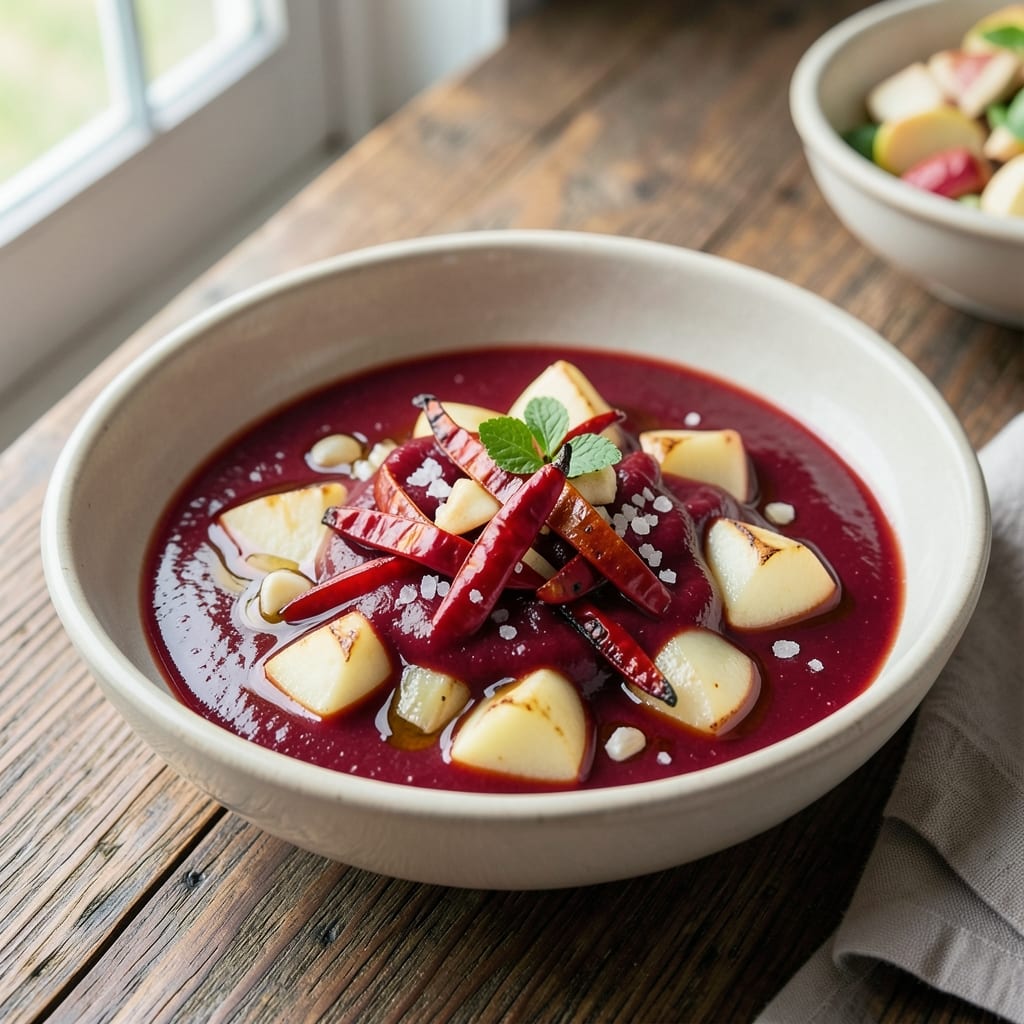
This apple chilli sauce recipe transforms simple pantry staples into a bold, tangy-sweet condiment that elevates everything from fried chicken to grilled meats. The perfect balance of heat and fruitiness comes from simmering apples, chilli peppers, and aromatic spices until thick and glossy—no blender required. I developed this version after craving something that could stand up to crispy edges while adding a touch of sweetness to cut through richness.
The magic happens in the slow simmer, where the natural sugars in the apples caramelize just enough to mellow the chilli’s sharpness while preserving its kick. Garlic, ginger, and a hint of cumin deepen the flavor profile, creating a sauce that’s complex yet approachable. Unlike store-bought versions, this recipe lets you control the heat and sweetness to suit your taste—whether you prefer a gentle warmth or a fiery finish.
What makes this sauce truly versatile is its dual-purpose nature: drizzle it over tacos, slather it on fries, or use it as a marinade for meats. The texture thickens beautifully over time, making it ideal for meal prep or gifting. Once you taste the way the apple’s subtle tartness plays against the chilli’s heat, you’ll reach for this sauce in every savory scenario.
Ready in just 30 minutes with minimal active time, this recipe delivers restaurant-quality results without the fuss. The key is patience—letting the flavors meld during the simmer transforms ordinary ingredients into something extraordinary. Here’s how to make it.
Ingredients for apple chilli sauce
Pantry staples plus a few fresh ingredients transform into this versatile, restaurant-quality sauce.
| Ingredient | Amount | Notes |
|---|---|---|
| Apples 🍎 | 2 medium | Peeled, cored, diced (Honeycrisp or Fuji preferred) |
| Fresh Red Chili Peppers 🌶️ | 4 whole | Seeds removed for mild heat (serrano or jalapeño) |
| Garlic Cloves 🧄 | 4 cloves | Minced for aromatic depth |
| Fresh Ginger 🌿 | 1 inch | Peeled, grated (about 1 tbsp grated) |
| Apple Cider Vinegar 🍶 | ½ cup | For tangy brightness (or sub red wine vinegar) |
| Granulated Sugar 🍚 | ¼ cup | Balances heat (adjust to taste) |
| Ground Cumin 🌿 | 1 tsp | Earthy depth (toasted for extra flavor) |
| Salt 🧂 | 1 tsp | Kosher or sea salt (enhances all flavors) |
| Extra-Virgin Olive Oil 🫒 | 2 tbsp | For glossy finish (high quality preferred) |
| Water 💧 | ½ cup | Adjusts consistency as needed |
Apples are the secret weapon here—Honeycrisp or Fuji hold up best during simmering. Trader Joe's or Whole Foods often carry pre-cored apples if you're short on time, but whole ones are cheaper. For the chilis, serrano peppers give a nice kick without overwhelming sweetness, but swap in jalapeños if you prefer milder heat. Ginger loses potency fast once grated, so buy it fresh and use it within 1 week—the freezer works too if you've got extra. The cumin should smell warm and earthy, not dusty. If it's been sitting in your spice rack for months, toast it fresh in a dry pan for 30 seconds.
No apple cider vinegar? Red wine vinegar or balsamic both work, though the flavor profile shifts slightly. Running low on sugar? Maple syrup or honey (if not vegan) add depth but may darken the sauce. For extra heat, leave some chili seeds in—just know it'll be fiery. The sauce thickens as it cools, so if it seems too thin after simmering, simmer uncovered for another 5 minutes. Need to reduce sugar? Use a pinch of cinnamon to enhance the apple's natural sweetness. The olive oil isn't just for flavor—it adds that glossy finish that makes the sauce irresistible for drizzling.
This sauce gets better with time—3-4 days in the fridge lets the flavors meld beautifully. Store in a clean glass jar with a tight seal. For gifting, portion into small jars with a ribbon—it's perfect for holiday presents. Freezes well for up to 3 months, though texture may change slightly. If it thickens too much after refrigeration, just stir in a splash of water or apple juice to loosen it up. The sauce pairs perfectly with fried foods, grilled meats, or even as a dipping sauce for veggie sticks—trust me, you'll find a million uses for it.
Why You'll Love This Recipe
- No Chopping Chaos: I swear by this recipe—just dice the apples and chilis roughly, no peeling required. The ginger and garlic get a quick pulse in the food processor, and boom, you’re done. Even my roommate, who burns toast, can handle it.
- Sweet Heat Magic: That balance of sharp apple cider vinegar and fresh chili peppers? It’s the kind of flavor that lingers. The apples soften into a jammy texture while the chilis add just enough kick to make it unforgettable. Honestly, I’ve never met a sauce that does both so well.
- Game for Any Meal: Slather it on grilled chicken, stir it into fried rice, or drizzle it over roasted veggies—this sauce plays well with everything. I keep a jar in the fridge for lazy weeknights, and it’s just as good cold as it is warm. (Yes, even on a Tuesday night.)
- Leftovers That Last: This sauce actually tastes better the next day as the flavors meld. I make a big batch on Sundays, and by Wednesday, it’s still my go-to for adding depth to whatever’s in the fridge. Plus, it’s cheap—apples and chilis stretch far, and you’ll use every last drop.
Step-by-step instructions for apple chilli sauce
This vibrant sauce comes together in minutes but packs layers of sweet, spicy, and tangy flavors.
Prepare the Chili and Aromatics
Heat a large skillet over medium heat and add the 2 tablespoons extra-virgin olive oil. Once shimmering, add the 4 whole fresh red chili peppers (cut lengthwise into strips) and cook for 3-4 minutes until slightly softened but still bright in color. Remove them and set aside.
In the same pan, add the 4 cloves minced garlic cloves and 1 inch freshly grated ginger. Sauté for 1-2 minutes until fragrant and just beginning to turn golden. Here's the thing—don't let them burn. Garlic turns bitter fast, and you want that aromatic depth without any bitterness creeping in.
Build the Sauce Base
To the skillet, add the 2 medium diced apples and cook for 3-4 minutes until they begin to soften slightly. Stir in the 1 teaspoon ground cumin and 1 teaspoon salt, letting the spices toast for 30 seconds until you can smell their warmth filling the kitchen.
Pour in the ½ cup apple cider vinegar and ½ cup water, scraping up any browned bits from the bottom of the pan. These bits are pure flavor—don't miss them! Bring the mixture to a gentle simmer, then reduce heat to low and let it cook uncovered for 8-10 minutes until the apples have broken down and the sauce begins to thicken slightly.
Sweeten and Finish
Stir in the ¼ cup granulated sugar and the reserved chili peppers. Simmer for another 5-6 minutes until the sauce reaches your desired consistency—it should coat the back of a spoon but still be pourable. Taste and adjust the sweetness or heat as needed; I like to add a pinch more sugar if the chili's heat feels too sharp.
For a glossy finish, remove the pan from heat and stir in 1 tablespoon extra-virgin olive oil. This step isn't just for shine—it adds richness and helps the sauce cling beautifully to whatever you drizzle it over. Let the sauce cool slightly before serving; this allows the flavors to meld even more.
Blend (Optional) for Smooth Texture
For a silky-smooth sauce, transfer the mixture to a blender or food processor. Blend until completely smooth, scraping down the sides as needed. If the sauce is too thick after blending, add 1-2 tablespoons water at a time until you reach a drizzling consistency.
If you prefer some texture, simply mash the apples slightly with a fork before adding them to the pan, or leave the chili peppers in strips for visual appeal. Either way, taste as you go—this sauce is all about balance, and you'll know when it's just right.
Pro Tips For Making Apple Chilli Sauce
- CHAR THE APPLES FIRST: I learned this the hard way—raw apples add weird texture and dilute the sauce. Sauté them with a pinch of salt and 1 tablespoon of oil over medium-high heat for 5-6 minutes until they soften and release their juices. That’s when the real flavor starts to develop.
- PEEL THE CHILIS, NOT THE HEAT: Fresh red chilis pack more punch than you’d think, and their skins can make the sauce bitter. Remove seeds and stems, then give them a quick 30-second blister in a dry pan before blending—this softens them and deepens the spice without overwhelming the apples.
- SWEAT GINGER AND GARLIC: Don’t just toss them in raw—sauté the minced ginger and garlic in the same oil as the apples for 2 minutes until fragrant but not browned. This step makes a real difference in balancing the heat and sweetness, especially if you’re using sharp vinegar.
- THIN WITH VINEGAR GRADUALLY: Apple cider vinegar is your friend, but dumping it all in at once turns the sauce into watery apple juice. Start with half the amount, taste, then add more slowly while stirring—you’re aiming for a thick, glossy consistency that clings, not drips.
Essential equipment for this dish
Skillet Essentials
You’ll need a large, heavy-bottomed skillet—I swear by my Lodge cast iron—to handle the simmering without scorching. A 10-inch or 12-inch pan gives enough surface area for even cooking. If you don’t have cast iron, a stainless steel skillet like All-Clad works beautifully. Avoid nonstick—it can’t handle the heat needed for proper caramelization. 🔥
Blending Tools
For a smooth sauce, a high-speed blender or immersion blender is ideal. I use my Ninja BN601 for quick blending, but a food processor works too. If you prefer texture, skip blending entirely—just mash the apples slightly with a fork. A wooden spoon is perfect for stirring during simmering, as it won’t scratch your pan.
Measuring Tools
Precision matters here, especially with the apple cider vinegar and sugar. A liquid measuring cup ensures accurate vinegar additions, while a kitchen scale (for grams) or standard measuring spoons work for dry ingredients. I keep a small jar of Penzeys spices on hand for toasted cumin—it makes all the difference in depth of flavor.
Storage Containers
Transfer the finished sauce to glass jars with tight-sealing lids for fridge storage. I love Ball mason jars—they’re airtight and perfect for gifting. For freezer storage, use quart-sized freezer bags with 1 inch headspace to prevent expansion cracks. Label everything with the date—this sauce keeps for 3 months in the freezer without losing quality. ❄️
Optional Extras
A fine-mesh strainer comes in handy if you want to remove chili seeds for milder heat. For extra gloss, keep high-quality olive oil (like Bertolli) nearby to drizzle at the end. A small saucepan can substitute for the skillet if you’re short on space, but monitor the heat closely to avoid sticking.
Heat Control
Invest in a digital thermometer (I use Thermoworks Thermapen) to monitor your stovetop heat—medium-low is ideal for simmering. If your burner runs hot, reduce to low to prevent burning. A heat diffuser can help if you’re unsure about temperature control. The goal? A slow, even cook that builds flavor without scorching. 🌡️
Nutrition facts
Frequently asked questions
Can I make this sauce without fresh chili peppers?
Use 1-2 tablespoons of chili powder or 1 teaspoon cayenne pepper for heat, but reduce the simmering time to 5 minutes since dried chilies don't need to soften. For a smoother texture, blend in 1 tablespoon tomato paste to mimic the natural body of fresh peppers.
How do I adjust the sweetness or heat level?
For more sweetness, add 1-2 tablespoons extra sugar at the end and simmer 2 more minutes. For less heat, remove chili seeds or reduce cayenne by half. If it's too sweet, balance with 1 extra tablespoon vinegar—the acidity cuts through the sugar beautifully. Taste as you go!
Can I use this sauce as a marinade?
Yes! Thin the sauce with ¼ cup water or broth and marinate proteins like chicken or tofu for 30-60 minutes. The apple's acidity tenderizes while the spices add depth. For extra flavor, add 1 tablespoon soy sauce to the marinade. Just don't over-marinate—1 hour max to prevent mushiness.
Why did my sauce turn out too thin?
Simmer uncovered for 5-10 more minutes to reduce it naturally. If that doesn't work, mix 1 tablespoon cornstarch with 1 tablespoon water, stir into the sauce, and simmer 2 minutes until thickened. Avoid adding flour—it can make the sauce cloudy.
What's the best way to reheat leftovers?
Gently warm in a saucepan over low heat for 3-4 minutes, stirring often. Microwaving can make it watery—add 1 teaspoon olive oil to help retain texture. For extra shine, finish with a drizzle of fresh olive oil after reheating. Store in the fridge for up to 1 week.