
Main Courses
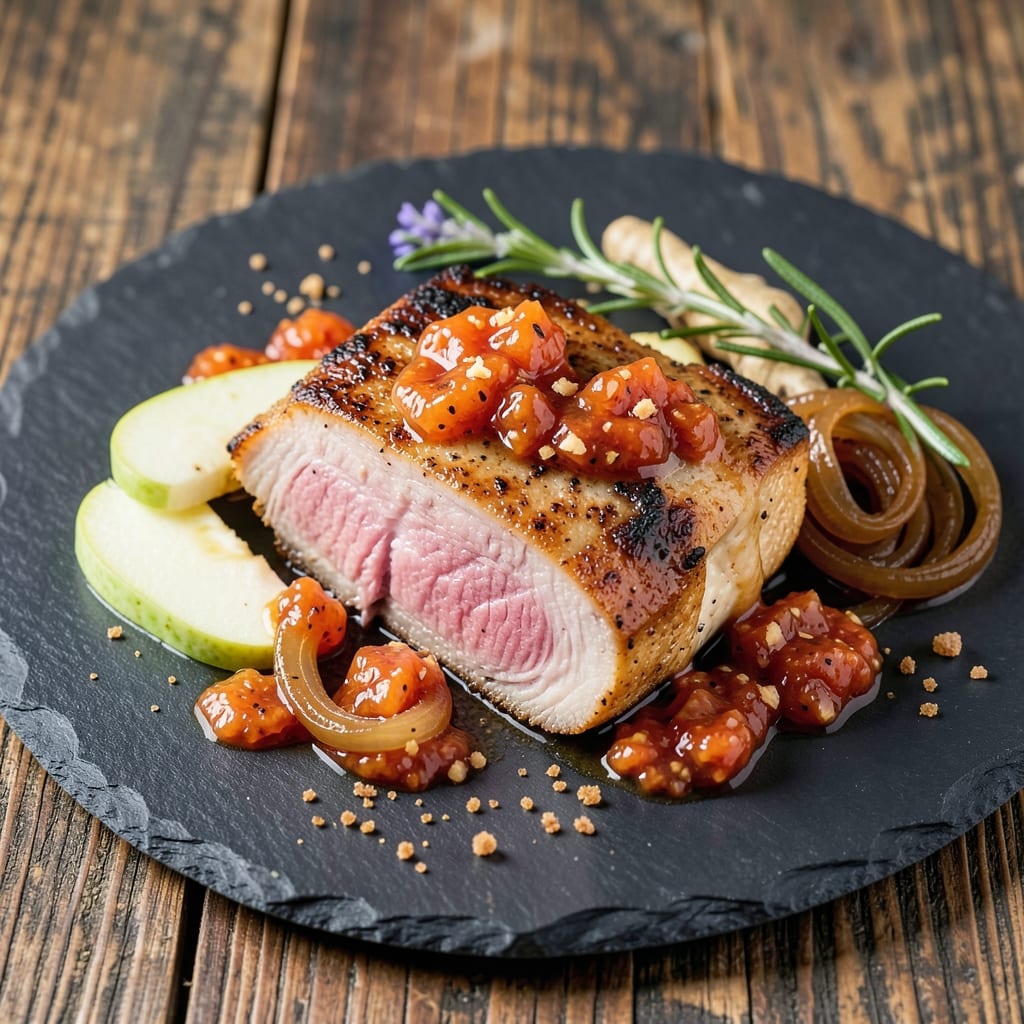
This apple chutney recipe for pork tenderloin transforms simple ingredients into a sweet-tangy glaze that caramelizes into something extraordinary—tender meat with a sticky, flavorful crust. After years of perfecting this technique at The Smoky Pig, I’ve simplified it to work in any home kitchen, delivering restaurant-quality results in 30 minutes. The secret lies in balancing the chutney’s acidity and sweetness to complement the pork’s natural richness, creating a dish that’s both elegant and approachable.
The chutney itself is where the magic happens—crisp apples, warm spices, and a touch of vinegar create a sauce that’s vibrant yet balanced. While the pork tenderloin roasts to perfect medium-rare (or your preferred doneness), the chutney reduces into a glossy, caramelized glaze that clings to every bite. This isn’t just a side; it’s the star of the meal, turning a weeknight dinner into something special without the fuss of elaborate techniques.
What you’ll end up with is juicy, evenly cooked pork with a glossy, caramelized crust, served alongside a chutney that’s sweet enough to satisfy but tangy enough to cut through the richness. The combination is foolproof—no fancy equipment, no complicated steps—just a simple, foolproof method that delivers results even beginners can achieve. The best part? The chutney keeps well for up to a week, so you can make a double batch for leftovers or future meals.
Pair this dish with roasted root vegetables or a crisp green salad to round out the meal, and you’ve got a complete dinner that’s impressive yet effortless. Whether you’re cooking for a family gathering or treating yourself to a special night in, this recipe delivers restaurant-quality pork with minimal effort. Let’s get started—your taste buds will thank you.
Ingredients for apple chutney recipe for pork tenderloin
Crisp apples, warm spices, and tender pork transform into a restaurant-quality dinner in 30 minutes.
| Ingredient | Amount | Notes |
|---|---|---|
| Pork Tenderloin 🥩 | 1 ½ lb | Trimmed of fat, even thickness |
| Granny Smith Apples 🍎 | 3 medium | Peeled, cored, diced small |
| Yellow Onion 🧅 | 1 whole | Diced, about 1 cup |
| Fresh Ginger Root 🌿 | 2 tbsp | Grated, finely minced |
| Red Wine Vinegar 🍷 | ½ cup | Dry, bold variety |
| Brown Sugar 🍚 | ¼ cup | Packed, light brown |
| Apple Cider Vinegar 🍏 | ¼ cup | Unfiltered preferred |
| Ground Cinnamon 🌶️ | 1 tsp | Freshly ground preferred |
| Ground Allspice 🌶️ | ½ tsp | Warm, aromatic |
| Ground Cloves 🌶️ | ¼ tsp | Freshly ground for depth |
| Salt 🧂 | 1 tsp | Diamond Crystal preferred |
| Black Pepper 🌶️ | ½ tsp | Freshly cracked |
| Unsalted Butter 🧈 | 2 tbsp | Cold, cubed |
| Olive Oil 🫒 | 1 tbsp | High smoke point |
The Granny Smith apples are non-negotiable here—their tartness balances the sweetness perfectly. Grab the firmest ones at Whole Foods or your local market (avoid mealy spots). For the ginger, look for plump, firm roots—Trader Joe's usually has the best quality. If you can't find fresh, ground ginger works in a pinch, but toast it first for warmth. The pork tenderloin should be chilled until ready to cook—pat it dry with paper towels before seasoning for the crispiest crust. I always buy mine from Costco for consistent quality, but any butcher will trim it properly for you.
No Granny Smiths? Fuji or Honeycrisp work too, but you'll need to add an extra 1 tbsp lemon juice to keep the color bright. Short on ginger? 1 tbsp ginger paste (the kind in tubes) is a lifesaver—just reduce the vinegar by 1 tbsp to balance. The red wine vinegar should be dry and bold—Bartles & Jaymes is my go-to, but any Cabernet Sauvignon vinegar works. For the spices, Penzeys has the best quality, but the regular grocery store stuff is fine if it's fresh. The brown sugar should be packed—light brown gives just enough caramel notes without overpowering.
This chutney keeps beautifully—1 week in the fridge, 3 months frozen. I double the batch every time because it's perfect on roasted chicken or even grilled fish later. For leftovers, store in a glass jar with a tight seal. The pork reheats best at 350°F for 10-12 minutes covered with foil. If you make extra chutney, freeze it in ice cube trays—thaw just what you need for future meals.
Why You'll Love This Recipe
- Pantry-Friendly Magic: I swear by this combo when I’m staring into an empty fridge at 6:30 PM. The chutney only needs five ingredients—no fancy pantry items—just apples, onion, ginger, vinegar, and a splash of water. Honestly, I’ve made it with whatever apples were on sale, and it still works.
- Tangy-Sweet Balance: That Granny Smith acidity cuts through the pork’s richness like a knife. The red wine vinegar adds this bright, almost wine-like depth, while the ginger gives it a little kick. It’s the kind of flavor that makes you want to eat it straight off the spoon—yes, I’ve been there.
- Weeknight to Dinner Party: Same recipe, different vibes. Slather it on grilled pork for a quick weeknight meal, or slice the tenderloin thin and serve it on toast with the chutney as a fancy charcuterie starter. Between us, it’s my go-to for when my in-laws show up unannounced.
- Leftovers That Don’t Suck: The chutney keeps for weeks in the fridge, so I make a big batch and use it on sandwiches, in stir-fries, or even drizzled over roasted veggies. The pork? It reheats beautifully—just a quick sear in the pan, and it’s like you made it fresh. No sad, dry meat here.
Step-by-step instructions for apple chutney pork tenderloin
Here's how to create a perfectly balanced glaze that caramelizes beautifully while keeping the pork juicy and tender.
Sear the Pork Tenderloin for Maximum Flavor
Pat the 1.5 lb pork tenderloin completely dry with paper towels—this is crucial for achieving that perfect sear. Heat 1 tablespoon olive oil in a heavy skillet over medium-high heat until shimmering. Place the pork in the pan and sear for 3-4 minutes per side until it develops a deep golden-brown crust. You'll know it's ready when it releases easily from the pan.
Remove the pork and let it rest on a cutting board while you prepare the chutney. This resting period prevents the meat from overcooking when it returns to the pan later. Meanwhile, reduce the heat to medium and add 2 tablespoons unsalted butter to the same skillet. Let it melt completely, leaving behind those delicious browned bits that will infuse your chutney with porky depth.
Build the Chutney Base with Aromatics
Add the diced yellow onion (about 1 cup) to the skillet and cook for 4-5 minutes until softened and translucent. Stir occasionally to prevent browning. Next, add the 2 tablespoons finely minced fresh ginger root and cook for another 1 minute until fragrant—this is where the chutney starts developing its complex flavor profile.
Here's the thing—don't rush this step. The ginger should sizzle gently, releasing its essential oils. If it starts to darken too quickly, reduce the heat slightly. You want the aromatics to cook down but not burn, as that would create bitterness in your glaze. Keep the heat at medium and maintain constant motion with your spoon.
Simmer the Chutney to Perfect Balance
Add the 3 medium diced Granny Smith apples, 0.5 cup red wine vinegar, 0.25 cup brown sugar, 0.25 cup apple cider vinegar, 1 teaspoon ground cinnamon, 0.5 teaspoon ground allspice, 0.25 teaspoon ground cloves, 1 teaspoon salt, and 0.5 teaspoon black pepper to the skillet. Stir well to combine all ingredients, scraping up any browned bits from the bottom of the pan—this is pure flavor.
Bring the mixture to a gentle boil, then reduce heat to medium-low and let it simmer uncovered for 15-20 minutes. You're looking for the chutney to thicken slightly and develop a glossy sheen. Stir occasionally, especially as it reduces, to prevent sticking. The apples should soften but still retain some texture—this ensures your glaze has the right consistency to cling to the pork.
Finish and Glaze the Pork
Return the pork tenderloin to the skillet with the chutney. Spoon the sauce over the meat, making sure it's well-coated on all sides. Increase heat to medium-high and let it cook for 5-7 minutes, basting frequently with the chutney. You want the sauce to caramelize slightly and form a beautiful glossy glaze on the pork.
The pork is done when its internal temperature reaches 145°F (measured with an instant-read thermometer). At this point, the chutney should be thick enough to coat the back of a spoon but still maintain a glossy finish. If it's too thick, add 1-2 tablespoons water to loosen it slightly. Remove from heat and let the pork rest for 5 minutes before slicing—this resting period ensures juicy, tender meat with perfectly clinging glaze.
Pro Tips For Making Apple Chutney Recipe For Pork Tenderloin
- Peel the Ginger Rough: The skin on fresh ginger adds subtle bitterness that balances the sweetness in your chutney—don’t waste time scrubbing it perfectly. Just use a spoon to scrape off the toughest bits, then finely mince it with the peel on. I used to peel it smooth, but the chutney never had that same depth.
- Sear the Pork Hot: Get your pan screaming hot before adding the pork tenderloin—this isn’t the time to be gentle. A deep sear locks in juices and builds flavor faster than any slow cook. If it’s not hissing immediately, you’re wasting time (and risk drying it out later).
- Dice Apples Small: Tiny, even pieces (about ¼-inch) cook faster and blend into the chutney without turning mushy. Big chunks stay crunchy while the rest softens—uneven texture is a giveaway you rushed this step. (Yes, it takes 5 minutes extra, but it’s worth it.)
- Deglaze with Vinegar: After searing the pork, hit the pan with a splash of red wine vinegar immediately—it lifts all those browned bits (fond) that’ll thicken your chutney later. Skip this, and you’re missing the base flavor. (Pro move: Add a pinch of sugar too—it balances the acid.)
Best sauces and condiments for these flavors
Chutney as Glaze
Use the reduced chutney as a caramelized glaze by brushing it generously over the pork during the final 5-7 minutes of cooking. The acidity in the vinegar helps break down the meat's surface proteins, creating that irresistible sticky crust. I like to baste the pork every 60 seconds with a spoonful of the chutney, letting it sizzle and caramelize right on the meat. 🔥
Dipping Sauce
For a different approach, serve the chutney as a dipping sauce alongside sliced pork tenderloin. The tangy-sweet balance cuts through the richness beautifully. I recommend serving it in a small ceramic bowl at room temperature—it tastes best when the flavors have melded together. Add a sprinkle of fresh thyme for an extra layer of aroma.
Roasted Vegetable Topping
Use the chutney as a topping for roasted vegetables like carrots, parsnips, or Brussels sprouts. Toss the cooked veggies with a spoonful of chutney and a drizzle of olive oil, then broil for 2-3 minutes until slightly charred. The caramelized onions in the chutney add depth, while the apples bring natural sweetness to the earthy vegetables.
Stuffing for Pork
For an elevated presentation, stuff the center of the pork tenderloin with a small spoonful of chutney before roasting. This creates a juicy, flavorful core that surprises guests. Just
Garnish for Plating
Drizzle the chutney artistically over the sliced pork when plating for a restaurant-worthy finish. I like to create zigzag patterns with a spoon for visual appeal. Pair with crispy sage leaves or toasted pecans for added texture. The contrast between the glossy glaze and the crisp garnishes makes the dish look as good as it tastes. ✨
Leftovers Reinvention
Transform leftover chutney into a quick pan sauce for reheated pork. Simply warm the chutney in a skillet with a splash of apple cider until it thickens again. Deglaze with a splash of dry sherry for extra depth. This works wonders for reviving pork that’s been stored in the fridge for 2-3 days. It’s a game-changer for busy weeknights!
Nutrition facts
Frequently asked questions
Can I substitute regular apples for Granny Smith in this chutney?
You can use Fuji or Honeycrisp apples, but they're sweeter so add 1 tbsp lemon juice to balance the flavor. The tartness of Granny Smith apples is key for cutting through the pork's richness—without it, the chutney may taste overly sweet. For best results, stick with tart varieties like Pink Lady or Braeburn if Granny Smiths aren't available.
How do I adjust the recipe if I want a spicier chutney?
Add ½ tsp cayenne pepper or 1 tsp chopped fresh chili (like jalapeño) to the simmering chutney. For heat without raw flavors, use ½ tsp smoked paprika instead. Always taste as you go—spices intensify during reduction, so start conservative. A pinch of ground cinnamon can also enhance warmth without adding direct heat.
What's the best way to reheat leftover pork with this chutney?
Slice the pork and reheat in a skillet with 1 tbsp butter over medium heat for 3-4 minutes. Add 2 tbsp chutney and 1 tbsp apple cider, simmering until the sauce thickens. For oven reheating, cover with foil and warm at 350°F for 10 minutes, then drizzle with fresh chutney. The chutney reheats beautifully—just warm it gently to avoid curdling.
Can I make the chutney ahead of time?
Yes! The chutney keeps for 1 week refrigerated or 3 months frozen. For best texture, thaw overnight in the fridge before using. Freeze in ice cube trays for portion control—each cube makes a perfect glaze for 1 pork tenderloin. The flavors actually improve after 24 hours as the spices meld. Just reheat gently before using on meat.
What's the secret to perfectly tender pork tenderloin?
The key is not overcooking—use a meat thermometer and remove at 145°F internal temp. Let it rest 5 minutes before slicing against the grain. For extra tenderness, brine the pork for 30 minutes in ¼ cup apple cider vinegar + 1 tsp salt per cup water. The chutney's acidity also helps break down fibers, so don't skip the resting time!