
Sauces & Condiments
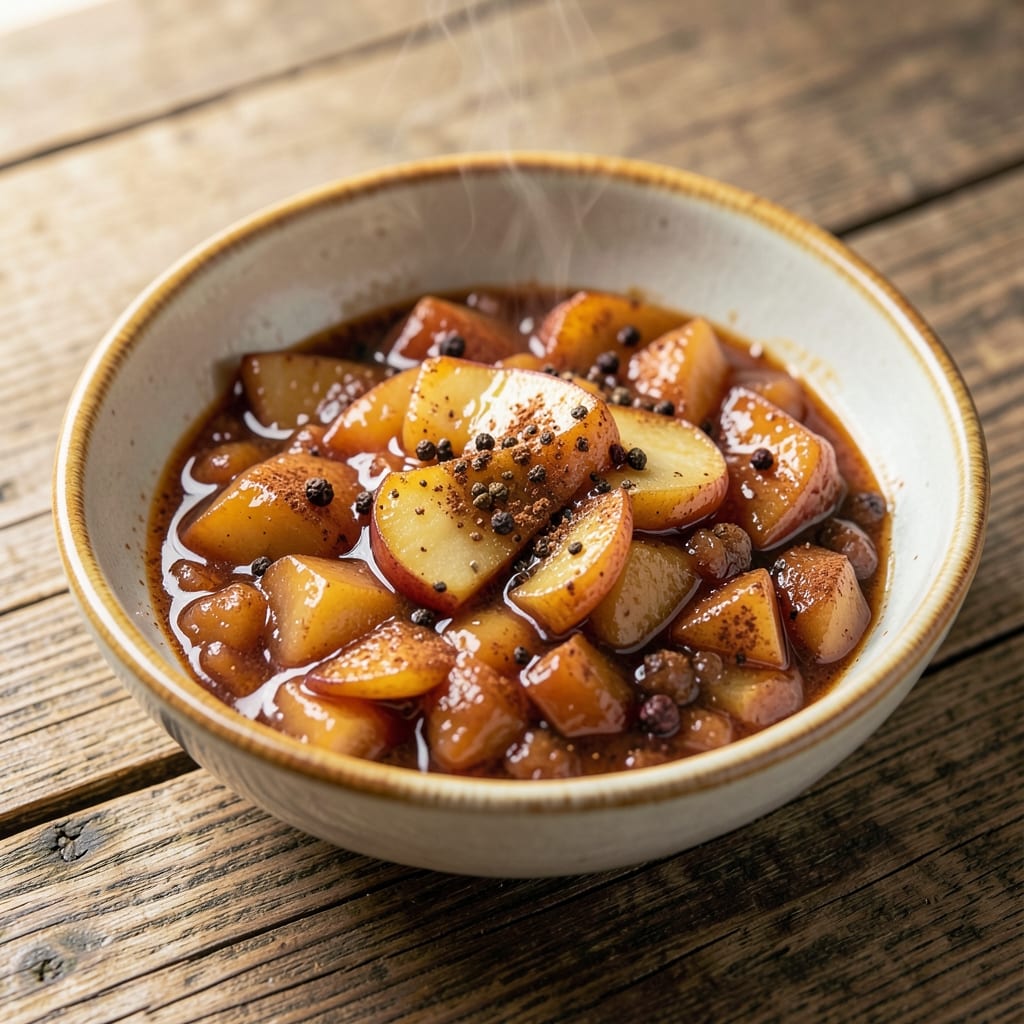
Mary Berry's apple chutney recipe brings the cozy warmth of British baking to your kitchen with its perfect balance of tart apples and aromatic spices. ✨ This classic chutney transforms simple ingredients into a versatile condiment that shines on cheese boards, with sandwiches, or as a tangy accompaniment to roasted meats. I've made it countless times for holiday gatherings, and it never fails to impress—just like Mary's trusted recipes.
The secret lies in slow cooking the apples with vinegar and spices until they soften into a thick, glossy paste. Cinnamon, cloves, and allspice create that signature warm, slightly sweet aroma, while the vinegar keeps the flavors bright and balanced. What makes this recipe special is its simplicity—no fancy equipment or techniques, just a pot and patience to develop those rich, complex flavors.
By the time you're done, you'll have a chutney with a smooth, spreadable consistency that's neither too thick nor too runny. The apples break down into a velvety texture while keeping enough bite to complement rich cheeses or buttery bread. It's the kind of homemade condiment that makes store-bought versions seem dull in comparison.
Make a big batch—this chutney keeps beautifully in the fridge for weeks and makes thoughtful gifts. Perfect for holiday entertaining or keeping on hand for quick meals. Let's get started with this timeless recipe!
Ingredients for apple chutney recipe mary berry
Ten simple ingredients transform into Mary Berry's signature apple chutney—warm, tangy, and perfect for gifting.
| Ingredient | Amount | Notes |
|---|---|---|
| Granny Smith Apples 🍎 | 4 medium | Peeled, cored, chopped |
| White Vinegar 🍶 | 1 cup | White or apple cider |
| Brown Sugar 🍚 | 1 ½ cups | Packed firmly |
| Ground Cinnamon 🌿 | 1 ½ tsp | Freshly ground preferred |
| Ground Allspice 🌶️ | ½ tsp | For warm spice depth |
| Ground Cloves 🌿 | ½ tsp | Whole cloves work too |
| Salt 🧂 | 1 tsp | Kosher or sea salt |
| Yellow Onion 🧅 | 1 medium | Finely chopped |
| Extra-Virgin Olive Oil 🫒 | 1 tbsp | For glossy finish |
| Fresh Ginger 🌿 | 1 inch | Peeled, grated |
The apples are the heart of this chutney, so Granny Smiths are ideal—their tartness balances the sweetness beautifully. Local farmers markets often have them in season, but any tart apple works. If you can't find Granny Smiths, Braeburn or Pink Lady apples are great substitutes. Peel and chop them while you prep the other ingredients—they brown quickly. For the vinegar, apple cider vinegar adds a subtle fruitiness, but white vinegar keeps the classic flavor. The brown sugar should be packed firmly into the measuring cup to avoid under-sweetening, which is easy to do with this recipe's depth of flavor.
No cinnamon? Cassia cinnamon at double the amount works in a pinch, though it has a slightly different aroma. Want more warmth? Add a pinch of nutmeg. The allspice and cloves are non-negotiable for that classic chutney spice profile, but if you're missing one, double the other to keep the balance. For the onion, red or yellow both work, but yellow has a slightly sweeter flavor that pairs well. The olive oil at the end isn't just for richness—it gives that beautiful glossy finish that makes chutney look restaurant-quality. If you're short on time, pre-grated ginger from the spice aisle works, though fresh is always better.
This chutney tastes even better after a few days as the flavors meld. Store it in a clean, airtight jar in the fridge for up to 3 months. The consistency will thicken further over time, so don't worry if it seems a bit loose right after making. For gifting, use small jars with ribbons—it's a crowd-pleaser at holiday parties. If it gets too thick, a splash of water or vinegar brings it back to perfect spreadable consistency. Freezes beautifully for up to 6 months, though the texture may change slightly upon thawing.
Why You'll Love This Recipe
- No Chopping Chaos: I swear by this recipe because Granny Smiths stay firm when diced—no mush, no fuss. Toss them in whole with the vinegar and sugar, then let the stove do the work while I sip tea.
- Tart-Sweet Magic: That first bite? The sharpness of the apples cuts through the rich brown sugar, while cinnamon and allspice add warmth without overpowering. It’s the kind of chutney that makes me reach for seconds—even when I’m not supposed to.
- Party in a Jar: I keep jars of this in my fridge for last-minute charcuterie boards or as a quick glaze for roasted meats. Honestly, it’s my go-to gift for neighbors who need something sweet but not too sweet.
- Lasts for Weeks: One batch stretches across lunches, sandwiches, and even oatmeal. The vinegar keeps it from spoiling, and the spices deepen over time—so it’s always better the second week. My wallet (and my taste buds) thank me.
Step-by-step instructions for Mary Berry's apple chutney
Here's how to create this perfectly balanced chutney with vibrant flavors and glossy finish.
🍳 Step 1: Sauté Aromatics Until Fragrant
Heat the 1 tablespoon extra-virgin olive oil in a medium saucepan over medium heat. Add the finely chopped yellow onion and cook for 4-5 minutes until softened and translucent. Here's the thing—don't rush this step. You want the onions to become sweet and caramelized, forming the flavor base.
Next, add the peeled and grated 1-inch fresh ginger and cook for another 1 minute until the raw aroma disappears. The ginger should release its pungent aroma, which will infuse throughout the chutney. If you notice any browning, reduce the heat slightly to prevent burning.
👨🍳 Step 2: Add Apples and Cook Until Tender
Stir in the peeled, cored, and chopped 4 medium Granny Smith apples to the pan. Cook for 6-8 minutes over medium heat until the apples begin to soften and release their juices. You'll see the mixture turn slightly darker as the apples break down—this is when the magic starts happening.
I press down gently on the apples with a wooden spoon during this time to help them break down more evenly. The goal is to create a thick, jam-like consistency by the end, so we want the apples to fully soften now rather than later. If the mixture starts sticking, add a splash of water and stir to loosen it.
🥘 Step 3: Build the Spice Base
Increase the heat to medium-high and add the 1.5 cups packed brown sugar, 1.5 teaspoons ground cinnamon, 0.5 teaspoon ground allspice, 0.5 teaspoon ground cloves, and 1 teaspoon salt. Stir vigorously for 2-3 minutes until the sugar dissolves completely and the mixture becomes fragrant.
This is where the warm spice notes develop. You should smell the cinnamon's sweet warmth, the allspice's earthy depth, and the cloves' subtle sharpness. If the mixture thickens too much during this process, add 1-2 tablespoons of water to maintain a workable consistency. The spices should be fully incorporated without any graininess.
🔥 Step 4: Simmer Until Thick and Glossy
Pour in the 1 cup white vinegar and bring the mixture to a gentle boil. Once boiling, reduce the heat to low-medium and let it simmer uncovered for 25-30 minutes, stirring occasionally. You'll notice the chutney gradually thicken as the liquid reduces and the flavors meld together.
Here's the moment that matters: the chutney should coat the back of a spoon when you lift it from the pan. If it's not thick enough after 30 minutes, continue simmering for another 5-10 minutes. The perfect consistency should be thick enough to hold its shape but still spreadable. If it becomes too thick, add 1 tablespoon of water at a time until you reach the ideal texture.
⏰ Step 5: Cool and Store for Maximum Flavor
Remove the pan from heat and let the chutney cool at room temperature for 10 minutes. The flavors will continue developing as it cools, becoming more complex and balanced. Transfer the chutney to clean, sterilized jars while still warm and seal tightly.
Let the jars cool completely before storing in the refrigerator. This chutney will keep for up to 3 months in the fridge, with the flavors deepening over time. The colors should be vibrant—a rich amber with flecks of apple and spice. If you prefer a smoother texture, you can blend it briefly with an immersion blender after cooling, though Mary Berry's version typically has a lovely rustic texture.
Pro Tips For Making Apple Chutney Recipe Mary Berry
- CHOP APPLES SMALL: Tiny, even dice—no bigger than ½ inch—cook faster and blend into a smoother chutney. I used to cut them in uneven chunks, and the texture stayed chunky even after simmering. Granny Smiths hold their shape stubbornly, so don’t skip this.
- SIMMER LOW AND LONG: Start with a gentle boil, then drop to a whisper of a simmer—you’re not making jam, you’re developing flavor. I learned this after one batch turned into a sticky mess on the bottom. Thirty minutes at a low simmer lets the vinegar and sugar marry without burning.
- STRAIN THE PULP: After cooking, press the apples through a fine-mesh sieve to remove skins and seeds—it’s the only way to get that silky texture Mary Berry’s version has. Skipping this step leaves gritty bits that ruin the mouthfeel, and no one wants that.
- SWAP WHITE VINEGAR FOR CIDER: Apple cider vinegar adds depth without overpowering the sweetness—just use the same amount. I was skeptical until I tried it; the chutney tastes more like autumn and less like cleaning solution. If you’re set on white vinegar, at least let it sit with the apples for 10 minutes before cooking.
Wine and beer pairings for these flavors
Red Wine Pairings
Mary Berry's apple chutney pairs beautifully with medium-bodied red wines that complement its spiced sweetness. A Pinot Noir from Oregon or Burgundy is my go-to—its bright acidity and red fruit notes cut through the chutney's richness while enhancing the cinnamon warmth. 🍷 For something more robust, try a Gewürztraminer (yes, a white!) from Alsace—its lychee and spice notes mirror the chutney's complexity perfectly.
If you prefer reds, a Chianti Classico with its cherry and earthy undertones works wonderfully, especially when serving the chutney with aged cheddar or sharp gouda. The wine's acidity keeps the sweetness in check, while the tannins balance the chutney's smooth texture. Always serve the wine slightly chilled—around 55-60°F—to refresh your palate between bites.
Crisp Beer Matches
For beer lovers, a Belgian Witbier like Stella Artois or Hoegaarden is ideal—its citrusy coriander and light effervescence cleanse the palate between rich bites of chutney. The subtle spice notes in the beer echo the chutney's cinnamon and cloves, creating harmony. 🍺 For something more robust, try a German Helles Lager—its malty sweetness and crisp finish complement the chutney's caramelized apples beautifully.
Avoid heavy stouts or dark ales—they'll overpower the delicate balance of the chutney. Instead, opt for sessionable beers like a Kolsch or Pilsner to keep the meal light and refreshing. Serve the beer at 45-50°F to highlight its crispness and let the chutney's flavors shine.
Cider Synergy
Apple chutney practically begs for dry cider pairings, and I always reach for a hard cider like Angry Orchard or Strongbow. The apple notes in the cider mirror the chutney's tart-sweet profile, while the slight effervescence cuts through the richness. For a non-alcoholic option, a sparkling apple juice like Martinelli's works beautifully—it's festive and refreshing without overpowering the chutney's depth.
If you want something smoother, a dry English cider like Westons or Thatchers adds a nutty complexity that pairs wonderfully with the chutney's spice notes. Serve the cider slightly chilled—around 48-52°F—to enhance its crispness and let the flavors dance together.
Spiritous Elevations
For a cocktail twist, mix 1.5 oz bourbon with ½ oz apple chutney and a splash of ginger beer for a spiced apple mocktail that's perfect for sipping alongside charcuterie. The bourbon's caramel notes deepen the chutney's flavors, while the ginger beer adds a zesty kick. 🍸 For something stronger, a dry sherry like Fino or Amontillado complements the chutney's sweet-spicy balance—its nutty, oxidative profile enhances the cinnamon and allspice.
If you're serving the chutney with smoked meats or game, a Port wine like Ruby or Tawny adds a luxurious touch. The wine's fruitiness and smoky undertones bridge the gap between the chutney and rich proteins, creating a cohesive dining experience. Always serve spirits at room temperature to let their full flavor profiles shine.
Nutrition facts
Frequently asked questions
Can I use any apples for this chutney?
While Granny Smith apples are ideal for their tartness, you can use Braeburn, Pink Lady, or even cooking apples like Granny. Avoid overly sweet varieties like Gala or Fuji—they'll make the chutney too cloying. If using softer apples, simmer them for 5 extra minutes to achieve the same thick consistency.
How do I adjust the sweetness level?
The recipe balances tartness with 1.5 cups packed brown sugar, but you can reduce it to 1 cup for less sweetness or increase to 1.75 cups if you prefer a sweeter chutney. For a diabetic-friendly version, use erythritol or monk fruit sweetener (reduce by 25% since they're sweeter). Taste as you go—simmering longer intensifies flavors, so adjust early if needed.
Why did my chutney turn out too runny?
This usually happens if you didn't simmer long enough or added too much vinegar. For a quick fix, simmer uncovered for 10-15 extra minutes to reduce liquid. If it's still too thin, mash the apples more thoroughly with a potato masher or blend briefly. For future batches, check consistency at 25 minutes—it should coat the back of a spoon.
Can I make this chutney without vinegar?
Vinegar is essential for preserving flavor and preventing mold, but you can substitute with apple cider vinegar or lemon juice (use ½ cup juice + ½ cup water). The acidity helps balance sweetness and soften the apples. Without it, the chutney may ferment faster—store it in the fridge and use within 2 weeks instead of 3 months.
What are the best ways to use leftover chutney?
This versatile chutney shines on cheese boards, with crackers or bread, or as a glaze for roasted pork or chicken. Spread it on grilled cheese sandwiches, mix into stuffing, or use as a dip for pretzels or veggie sticks. For extra flair, drizzle it over yogurt or ice cream (yes, really!) for a sweet-spicy contrast.