
Sauces & Condiments
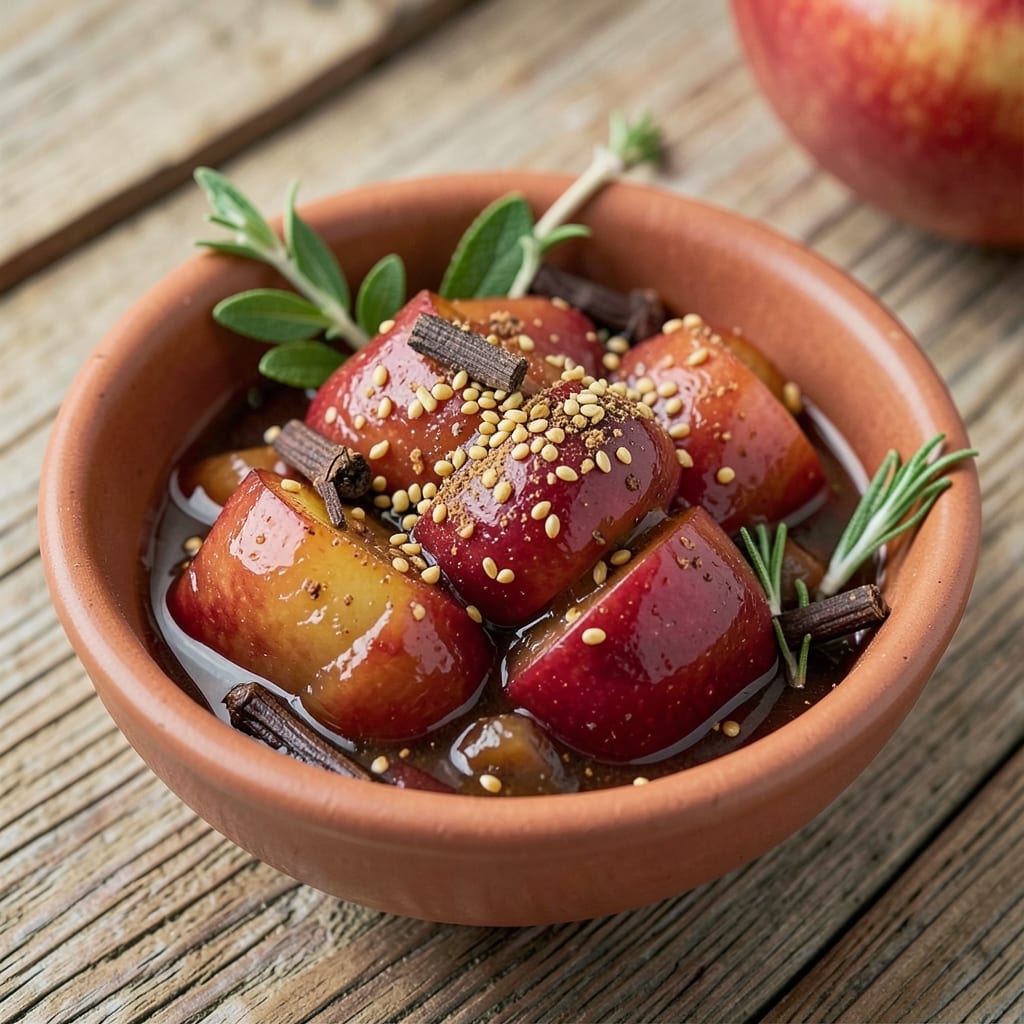
This apple chutney recipe UK delivers the perfect balance of sweet, tangy, and spiced flavors that elevate sandwiches, cheese boards, and charcuterie spreads. 🍏 The secret lies in simmering apples with vinegar, sugar, and warm spices like cinnamon and cloves until thick and glossy. I've perfected this recipe over years of hosting British tea gatherings—it's the condiment that always gets raved about.
The process is straightforward but requires patience: apples are gently cooked until tender, then combined with vinegar and spices for depth. Mustard seeds add a subtle crunch, while raisins (optional) introduce chewy sweetness. The result is a vibrant, slightly chunky chutney with layers of flavor that cut through rich cheeses or pair beautifully with cured meats.
Once cooled, this chutney keeps for months in sterilized jars, making it ideal for gifting or meal prep. Its versatility extends beyond cheese boards—spread it on crusty bread, dollop alongside roasted meats, or use it as a tangy glaze for pork. The balance of sweetness and acidity makes it irresistibly addictive.
For extra warmth, add a pinch of chili flakes, or swap raisins for dried apricots. The key is letting it simmer until thickened—this ensures every spoonful delivers that perfect vinegar-kissed apple flavor. Let's get cooking!
Ingredients for apple chutney recipe uk
Nine simple ingredients transform into a British classic that's perfect for elevating sandwiches and cheese boards.
| Ingredient | Amount | Notes |
|---|---|---|
| Braeburn Apples 🍎 | 4 medium | Peeled and chopped into small pieces |
| White Wine Vinegar 🍷 | ½ cup | Good quality for tangy flavor |
| Granulated Sugar 🍚 | 1 cup | Light brown sugar for depth |
| Ground Cinnamon 🌿 | 1 tsp | Freshly ground preferred |
| Ground Cloves 🌶️ | ½ tsp | Whole cloves work too |
| Mustard Seeds 🌾 | 1 tsp | Toasted for nutty aroma |
| Salt 🧂 | ½ tsp | Diamond Crystal preferred |
| Raisins 🍇 | ¼ cup | Optional for sweetness |
| Fresh Ginger 🧅 | 1 inch | Grated finely for zing |
| Chili Flakes 🔥 | ¼ tsp | Adjust to taste for heat |
For the apples, Braeburns hold up best during cooking, but any firm apple like Granny Smith or Cox works. Local markets often carry British varieties like Bramley if you're in the UK—these are ideal for chutneys. Peel and chop them into even pieces so they cook uniformly. The vinegar is crucial for that signature tang; Maille or Brannon are excellent choices if you want to splurge. For a more budget-friendly option, any good-quality white wine vinegar will do. The sugar should dissolve completely, so stir occasionally during the cooking process.
No raisins on hand? Dried apricots or cranberries work beautifully instead. Want to skip the mustard seeds? A pinch of ground coriander adds a different dimension. The ginger is non-negotiable for that authentic British chutney flavor—if you can't find fresh, ground ginger at half the amount is a decent substitute. For heat lovers, add an extra quarter teaspoon of chili flakes. The spices should be toasted lightly in a dry pan before adding to bring out their flavors, but this is optional if you're short on time. The sugar can be swapped for honey or maple syrup for a different depth of sweetness.
This chutney thickens as it cools, so don't worry if it seems loose while warm. Store it in sterilized glass jars with lids—it keeps for up to 6 months in the pantry. The flavors actually improve with time, so make extra for gifting. If you notice any mold after opening, discard it immediately. For serving, let it sit at room temperature for 10 minutes before spooning—this helps the texture thicken slightly. The chutney pairs beautifully with sharp cheddar, smoked salmon, or pork sausages
Why You'll Love This Recipe
- No Chopping Chaos: I swear, Braeburn apples stay firm when diced—no mush, no mess. Toss them in whole, then slice after simmering. That’s 10 minutes saved right there, and my hands stay clean.
- Spiced Magic: Honestly, the cloves and cinnamon in this are next level—warm, bright, and just sweet enough. The white wine vinegar cuts through the sugar perfectly, giving it that tangy kick that makes it irresistible.
- Cheeseboard Star: Between us, this chutney is my go-to for picnics, buffets, or just snacking straight from the jar. It pairs with cheese, cured meats, or even toast—no fancy occasion needed, just pure satisfaction.
- Jarred Goldmine: I make a big batch, and it lasts months in the fridge. A little goes a long way, so it’s budget-friendly and always ready. Plus, gifting it? Everyone raves about the homemade touch.
Step-by-step instructions for spiced apple chutney
Here's how to make this balanced, aromatic chutney with perfect sweet-tart harmony.
🍳 Step 1: Toast the Spices and Prepare the Apples
Heat a dry skillet over medium-low heat. Add the 1 teaspoon mustard seeds and toast for 1-2 minutes until they begin to pop and release their nutty aroma. Immediately transfer them to a bowl—this prevents burning. In the same skillet, add the 1 inch fresh ginger (grated) and toast for 30 seconds until fragrant.
While the spices toast, peel and chop the 4 medium Braeburn Apples into small, even pieces (about ¼-inch cubes). This size ensures even cooking and a consistent texture in the finished chutney. The apples should be dry—pat them with a paper towel to remove any excess moisture, which helps prevent a watery chutney.
🍳 Step 2: Cook the Apple Base with Vinegar and Sugar
In a medium saucepan, combine the chopped apples, 0.5 cup white wine vinegar, and 1 cup granulated sugar. Bring to a boil over medium-high heat, stirring occasionally to dissolve the sugar. Once boiling, reduce heat to medium-low and let it simmer for 10-12 minutes until the apples soften slightly but still retain some texture.
You'll notice the mixture reduces and thickens as it cooks. This is normal—we want a jammy consistency, not a runny one. Stir occasionally to prevent sticking, and watch for the apples to turn translucent at the edges. If the mixture looks too thick before the apples soften, add 1-2 tablespoons water to help it along.
🥘 Step 3: Build Flavor with Spices and Raisins
Return the toasted mustard seeds and ginger to the saucepan. Add the 1 teaspoon ground cinnamon, 0.5 teaspoon ground cloves, 0.5 teaspoon salt, and 0.25 teaspoon chili flakes. Stir well to distribute the spices evenly. The mixture should smell rich and complex—warm, slightly sweet, with a hint of heat from the chili.
Add the 0.25 cup raisins and cook for another 5-7 minutes until the raisins plump slightly and the flavors meld together. Taste the chutney at this stage—it should be balanced between sweet, tangy, and spicy. If it needs more sweetness, add 1 tablespoon sugar; if it's too sharp, add ½ teaspoon more sugar or a splash of vinegar to cut through.
⏰ Step 4: Simmer to Perfect Consistency
Continue simmering the chutney uncovered for 15-20 minutes over medium-low heat, stirring occasionally. You're looking for a thick, spreadable consistency—it should coat the back of a spoon but still be pourable. The longer it simmers, the more intense the flavors become, so don't rush this step.
As it thickens, check the texture frequently. If it starts to stick to the bottom of the pan, add 1-2 tablespoons water to loosen it. The chutney is ready when it reaches a glossy, jam-like texture that holds its shape when spooned but still flows smoothly. This usually happens around the 20-minute mark, but timing can vary based on your stove and apple variety.
🍽️ Step 5: Cool and Store for Maximum Flavor
Remove the chutney from heat and let it cool to room temperature. This step is crucial—cooling allows the flavors to fully develop and the texture to set properly. Transfer the chutney to a clean, airtight jar while it's still warm. The heat from the chutney will help sterilize the jar, creating a better seal.
Once cooled, the chutney will thicken further. It's now ready to use, but the flavors will continue to deepen over the next 24 hours. Store in the refrigerator for up to 3 weeks or process in a water bath for long-term storage. Serve with cheese boards, sandwiches, or grilled meats for a perfect balance of sweet, tangy, and spiced flavors.
Pro Tips For Making Apple Chutney Recipe Uk
- CHOP SMALL, EVEN PIECES: I learned this the hard way—lumpy chutney ruins everything. Dice the Braeburn apples into ½-inch cubes (no smaller, or they’ll turn to mush) and keep them consistent. A mandoline helps if you’re impatient like me, but a sharp knife works too—just don’t rush it.
- COOK LOW AND SLOW: This isn’t the time for a rolling boil. Simmer the chutney on medium-low heat for at least 20 minutes, stirring occasionally, until the apples soften but still hold shape. Rushing it makes the vinegar taste harsh and the texture grainy—trust the process.
- SALT THE APPLES FIRST: Skip this, and your chutney will taste flat. Toss the diced Braeburns with ½ teaspoon of salt and let them sit for 10 minutes before cooking. It draws out moisture, balances the sweetness, and makes the cinnamon and cloves sing—no overpowering vinegar here.
- STRAIN THE CLOVES: Sounds weird, but it works: After simmering, remove the whole cloves with a slotted spoon (or strain the chutney) before blending or jarring. Ground cloves burn easily and can turn bitter—you only need a whisper of their warmth, not a mouthful of spice.
Best sauces and condiments for these flavors
Cheese Board Pairings
This chutney shines on British cheese boards, especially with sharp cheddars like Stinking Bishop or Red Leicester. The tangy-sweet balance cuts through the richness beautifully. I like to pair it with mature cheddar cubes and a few slices of smoked salmon—the chutney's warmth complements the salmon's smokiness perfectly. 🧀
For a vegetarian spread, add walnuts and dried figs alongside the chutney and cheeses. The crunch from the nuts contrasts nicely with the soft, jammy texture. If you're serving with blue cheese, opt for a milder variety like Gorgonzola Dolce to avoid overwhelming the delicate flavors.
Meat Complements
The chutney's spiced depth makes it an excellent glaze for roasted meats. Brush it onto pork chops or ham steaks during the last 10 minutes of cooking for a sticky, flavorful crust. I also love serving it alongside smoked sausages or corned beef—the sweet-tart contrast elevates the dish instantly. 🐷
For game meats, try pairing it with venison sausages or lamb chops. The chutney's acidity helps tenderize the meat while adding a fruity note that balances the richness. A dollop on top of roast beef sandwiches transforms a simple lunch into something special.
Sandwich Spread
Spread a thin layer of this chutney on crusty sourdough or rye bread before adding slices of turkey or ham. The acidity brightens the flavors, making each bite more vibrant. I often add a slice of sharp cheddar and a few watercress leaves for freshness. 🥪
For a vegetarian option, layer it with avocado slices, roasted red peppers, and feta cheese on toasted bread. The chutney's warmth pairs beautifully with the creamy avocado and salty feta. If you're making a charcuterie-style sandwich, add prosciutto and fig jam for extra depth.
Sweet Applications
While chutney is typically savory, this version works surprisingly well with certain desserts. Try drizzling it over vanilla ice cream or cheesecake for a tangy contrast. The spices in the chutney add warmth that complements the sweetness beautifully. 🍦
For an adult-friendly dessert, serve it alongside dark chocolate (70% cocoa or higher). The bitterness of the chocolate balances the sweetness of the chutney, creating a sophisticated flavor combination. You can also use it as a glaze for poached pears or baked apples—simply brush it on during the last few minutes of cooking.
Nutrition facts
Frequently asked questions
Can I substitute cider vinegar for white wine vinegar in this recipe?
Yes, you can use cider vinegar as a 1:1 substitute—it adds a lovely fruity depth that works beautifully with apples. The flavor will be slightly more robust, so you might want to reduce the sugar by 1 tablespoon to balance the sweetness. For the most authentic British taste, stick with white wine vinegar, but cider vinegar is a great alternative if that's what you have on hand.
How do I know when the chutney is thick enough?
The chutney is ready when it reaches a glossy, jam-like consistency that coats the back of a spoon but still flows smoothly. To test, scoop a small amount onto a chilled plate—if it holds its shape but doesn't drip, it's perfect. If it's too thin, simmer uncovered for another 5-10 minutes, stirring occasionally. If it's too thick, add 1 tablespoon water and stir well.
Can I make this chutney without raisins?
The raisins are optional and add sweetness, but you can omit them entirely or substitute with dried apricots, cranberries, or even chopped dates for a different texture. For a savory twist, try adding ½ cup chopped onions or 1 tablespoon capers instead. The chutney will still have great depth without them—just adjust the sugar to taste if you're using drier fruits.
Why did my chutney turn out too sweet?
This usually happens if the apples weren't fully cooked or if too much sugar was added. To fix it, stir in 1-2 tablespoons white wine vinegar while warm and let it sit for 10 minutes to mellow the sweetness. For future batches, reduce the sugar by 1 tablespoon or cook the apples for an extra 5 minutes to soften them more. Taste as you go—it's easier to adjust sweetness early than later!
How long does homemade apple chutney last?
Properly stored in a sterilized jar, this chutney keeps for up to 6 months in a cool, dark pantry. For longer storage, process in a water bath for 10 minutes to sterilize the jars. Once opened, refrigerate and use within 3 weeks. The flavors actually improve with time, so it's perfect for gifting. If mold appears, discard it immediately—chutney doesn't support mold growth well.