
Sauces & Condiments
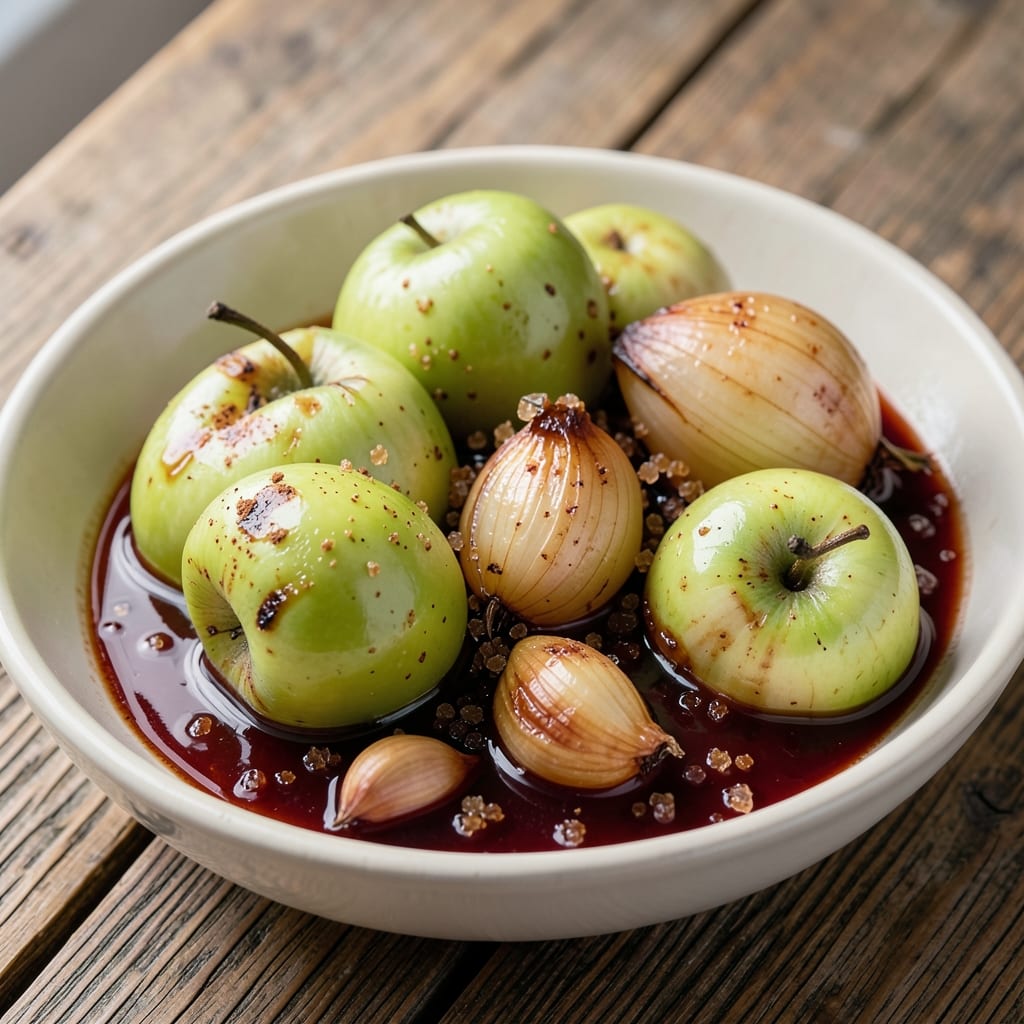
This apple chutney sauce recipe transforms simple sandwiches into gourmet bites with its perfect balance of sweet-tart apple, warm spices, and tangy vinegar. The secret lies in slow simmering—letting the flavors meld until the apples soften just enough to release their natural juices while keeping a subtle texture. I developed this version after years of experimenting with both British and Indian-inspired chutneys, refining it to be versatile enough for grilled meats, sharp enough for cheese boards, and sweet enough to brighten rich dishes without overpowering them.
The beauty of this chutney is its dual nature: it can be smooth and silky when blended or chunky and rustic when left as-is, depending on your preference. The spices—cinnamon, mustard seeds, and a touch of cayenne—add warmth that lingers, while the vinegar ensures it stays tangy enough to cut through fatty meats. What makes it truly special is how it elevates humble ingredients; a simple grilled chicken sandwich becomes a restaurant-worthy meal with just a spoonful of this sauce.
What you’ll end up with is a fruity, slightly spicy condiment that’s rich enough to stand alone but flexible enough to complement anything from charcuterie to roasted vegetables. The slow simmering process ensures deep flavor development, while the final texture—whether silky or textured—adds interest to every bite. This isn’t just a sauce; it’s a flavor multiplier that turns ordinary meals into something memorable.
Store it in the fridge for up to two weeks, or preserve it longer with proper canning techniques. Whether you’re spreading it on toast, drizzling it over grilled lamb, or pairing it with aged cheddar, this chutney delivers bold, balanced flavor that’s impossible to ignore. Let’s make it—your taste buds will thank you.
Ingredients for apple chutney sauce
Sweet-tart apples, tangy vinegar, and warm spices come together for a sauce that's bold yet balanced.
| Ingredient | Amount | Notes |
|---|---|---|
| Granny Smith Apples 🍎 | 2 lb | Peeled, cored, chopped into small pieces |
| Red Apple Cider Vinegar 🍶 | ½ cup | Raw, unfiltered preferred for depth |
| Brown Sugar 🍚 | ½ cup | Light or dark, packed |
| Yellow Onion 🧅 | 1 whole | Medium, finely diced |
| Garlic Cloves 🧄 | 4 cloves | Minced, fresh preferred |
| Ground Cinnamon 🌿 | 1 tbsp | Ceylon preferred for delicate flavor |
| Ground Mustard Seeds 🌶️ | 1 tbsp | Toasted for deeper aroma |
| Ground Cayenne Pepper 🔥 | ½ tsp | Adjust for heat preference |
| Salt 🧂 | 1 tsp | Diamond Crystal preferred |
| Extra-Virgin Olive Oil 🫒 | 2 tbsp | For richness and balance |
The apples are the heart of this chutney, so Granny Smiths are ideal—their tartness cuts through the sweetness beautifully. Local farmers markets often have them in season, but any firm apple works. I like to peel them because the texture stays cleaner, but if you prefer rustic, leave the skins on. For the vinegar, raw, unfiltered apple cider vinegar adds complexity—Bragg or Texas Pete are my go-tos. The onions and garlic should be finely diced; think of them as the flavor base that builds the sauce's depth. Toast the mustard seeds in a dry pan for 30 seconds before adding them to the pot—this step is non-negotiable—it unlocks their nutty aroma.
No Granny Smiths? Fuji or Honeycrisp work in a pinch, but you might need to add an extra tablespoon of vinegar to balance the sweetness. Subbing vinegar? Lemon juice at half the amount gives brightness but lacks the depth. The brown sugar can be swapped for maple syrup or coconut sugar, though the texture will be slightly different. If cayenne is too spicy, reduce to a pinch or swap for smoked paprika. For a smoother texture, blend half the finished chutney—I use an immersion blender to keep it rustic in places. The olive oil is crucial; it rounds out the sharp edges of the vinegar and spices. If you're avoiding oil, unsweetened applesauce at half the amount works surprisingly well.
This chutney tastes better with time—let it sit overnight before using. Keeps in the fridge for two weeks in an airtight jar, and freezes beautifully for up to 6 months. I like to make a big batch and portion it into small jars for easy use. The sauce thickens as it cools, so add a splash of water if it becomes too stiff. Trust me, the longer you let it sit, the more complex the flavors become—patience is key here. If you're feeling ambitious, canning extends its shelf life to a year, but that's a project for another day.
Why You'll Love This Recipe
- I’ll be real: I make a big batch and it lasts weeks in the fridge. The vinegar acts like a natural preservative, so you’re not scrambling to use it up before it spoils. Plus, the ingredients are cheap—apples, onions, and sugar? You’re already buying those for other things. Win-win.
- No Chopping Chaos: I swear by this recipe because the Granny Smiths only need a rough dice—no fancy spiralizer or mandoline required. That sharp, tangy bite from the vinegar and sugar? It balances the sweetness of the onions and garlic without making you slave over prep.
- Sweet-Tart Magic: Here’s what sold me—the way the brown sugar caramelizes just enough to coat the apples, while the vinegar cuts through like a bright, zesty wake-up call. Honestly, I’ve tried store-bought chutneys, but this? It’s the kind of flavor that lingers and makes you want to dip everything into it.
- Pantry Staple Power: Between us, this sauce is my secret weapon for lazy Sundays or last-minute dinner fixes. Slather it on grilled chicken, toss it with roasted veggies, or drizzle it over cheese boards—it’s the kind of thing that turns simple meals into something special without needing a recipe book.
Step-by-step instructions for apple chutney sauce
This vibrant sauce balances sweet, tangy, and spicy flavors perfectly—here's how to make it shine.
Sauté Aromatics Until Fragrant
Heat the 2 tablespoons extra-virgin olive oil in a medium saucepan over medium heat. Add the finely diced yellow onion and cook for 5 minutes until soft and translucent. The onions should release their natural sweetness without browning.
Add the 4 minced garlic cloves and 1 tablespoon toasted ground mustard seeds to the pan. Cook for another 1-2 minutes until the garlic becomes golden and fragrant. This foundational step builds the sauce's complex flavor profile—don't rush it, or the garlic will burn and turn bitter. Stir constantly to prevent sticking, especially with the mustard seeds which can toast quickly.
Cook Apples Until Tender
Add the 2 pounds peeled, cored, and chopped Granny Smith apples to the pan. Stir to combine with the aromatics, then sprinkle with 1 tablespoon ground cinnamon, ½ teaspoon ground cayenne pepper, and 1 teaspoon salt. Cook for 8-10 minutes over medium-high heat, stirring occasionally, until the apples begin to soften and release their juices.
You'll notice the mixture darkening slightly as the apples break down—this is normal and indicates the natural sugars are caramelizing. The apples should be tender but still hold their shape slightly. If they're browning too quickly, reduce the heat to medium to prevent burning while maintaining tenderness.
Simmer with Vinegar and Sugar
Pour in the ½ cup red apple cider vinegar and ½ cup packed brown sugar, stirring to dissolve the sugar completely. The mixture will bubble vigorously as the vinegar reacts with the apples' natural pectin. Reduce heat to medium-low and let it simmer uncovered for 15-20 minutes, stirring occasionally, until the sauce thickens to your desired consistency.
Here's the thing—you want the sauce to coat the back of a spoon but still be spreadable. If it thickens too quickly, add 1-2 tablespoons water to loosen it. The perfect texture should be glossy yet thick enough to cling beautifully to sandwiches or grilled meats. Taste and adjust seasoning if needed, adding more cayenne for heat or sugar for sweetness.
Cool and Rest for Flavor Development
Remove the pan from heat and let the chutney cool at room temperature for 10 minutes. This resting period allows the flavors to meld and the sauce to thicken further as it cools. The aroma will deepen dramatically during this time—you'll notice a perfect balance of sweet, tangy, and spicy notes.
For best results, refrigerate the chutney for at least 2 hours before serving. This chilling time enhances the flavors and makes the texture even more velvety. The sauce will keep in the refrigerator for up to 2 weeks, though it's best enjoyed within 5-7 days for peak freshness. Serve it at room temperature for optimal flavor and texture.
Pro Tips For Making Apple Chutney Sauce
- CHOP APPLES SMALL: Tiny, even dice (about ¼-inch) cook faster and blend smoother—no one wants to taste apple chunks in their sauce. I learned this the hard way after serving a batch with uneven pieces that stayed rubbery.
- SWEAT ONIONS LOW: Cook the onions until they’re translucent and just starting to caramelize—about 8-10 minutes on medium-low. Rushing this step makes the chutney taste raw and sharp, and no one wants that.
- ACIDIFY GRADUALLY: Add the vinegar in two stages: half at the start, then the rest at the end. This balances the tang without overpowering the sweetness, and your taste buds will thank you later.
- PUREE COOL FIRST: Let the cooked mixture cool for 5 minutes before blending—hot liquid makes the blender work harder and can even burn the motor. I’ve seen this happen more times than I’d like to admit.
Creative variations of this recipe
Spiced & Sweet Fusion
For a global twist, blend 1 teaspoon ground ginger and ½ teaspoon cardamom into the spices for a Middle Eastern-inspired chutney. This combo adds warmth that pairs beautifully with grilled lamb kebabs or flatbreads. I like to toast the whole spices in 1 tablespoon olive oil for 30 seconds before grinding them—this unlocks their aromatic oils. 🌶️
Tropical Twist
Swap ½ cup of the apples for ½ cup diced pineapple and add 1 teaspoon grated fresh ginger to create a bright, fruity variation. The pineapple’s acidity balances the sweetness while adding a tropical vibe. This version works amazingly with pulled pork sandwiches or as a glaze for grilled chicken. For extra depth, finish with a splash of lime juice before serving.
Smoky BBQ Blend
Infuse the chutney with smoky depth by adding 1 teaspoon smoked paprika and ½ teaspoon liquid smoke (just a few drops) during the simmer. This Southern-inspired twist turns it into a dry rub-inspired sauce perfect for brisket, ribs, or smoked sausages. For an extra kick, stir in 1 tablespoon of chipotle powder at the end. The smokiness pairs perfectly with cheddar cheese on a sandwich or cornbread.
Herb-Infused Rustic
Brighten the chutney with fresh herbs by stirring in 2 tablespoons finely chopped fresh thyme and 1 tablespoon chopped fresh rosemary during the final 5 minutes of simmering. This Provençal-inspired version adds an earthy, aromatic note that elevates roasted pork tenderloin or grilled vegetables. For a chunkier texture, skip blending and let the herbs add rustic charm. 🌿
Creamy Yogurt Swirl
Take the chutney to the next level by swirling in ¼ cup plain Greek yogurt during the last 2 minutes of cooking. The yogurt cools the spices slightly while adding a creamy tang that’s perfect for spreads, dips, or drizzling over curries. This Middle Eastern-inspired twist works brilliantly with naan bread or as a dip for crudité. For extra richness, stir in 1 tablespoon tahini at the end.
Winter Spice Boost
For a festive holiday version, add ½ teaspoon ground cloves and 1 star anise pod (removed after simmering) to deepen the warm spices. The cloves add a wintery richness that pairs perfectly with roasted root vegetables or ham. This version is especially magical when served with aged cheddar on a grilled cheese sandwich. The star anise can be removed with tongs after simmering—just don’t forget it! ❄️
Nutrition facts
Frequently asked questions
Can I make this apple chutney without vinegar?
The vinegar is key for that signature tangy balance, but you can substitute with lemon juice (use ¼ cup instead of ½ cup vinegar) or white wine (reduce to ¼ cup and simmer longer). The acidity helps preserve the sauce longer too—just be aware the texture may be slightly thinner. For a sweeter profile, add 1 extra tablespoon of sugar to compensate.
How do I know when the chutney is thick enough?
Test it with the back of a spoon—the perfect consistency coats smoothly but still lets you draw lines when dipped. If it's too thin, simmer uncovered for 5-10 more minutes or stir in 1 teaspoon cornstarch mixed with 1 tablespoon water. If it's too thick, thin with 1 tablespoon water or apple cider while warm. The sauce will thicken further as it cools, so don't overdo it.
Can I use this chutney as a marinade?
Yes! This chutney makes an excellent marinade for grilled meats like chicken or pork—just brush it on during the last 10-15 minutes of cooking. For fish, reduce the cayenne to ¼ teaspoon to avoid overpowering delicate flavors. The sweet-tart balance tenderizes while adding flavor, but don't marinate for more than 2 hours to prevent spoilage. Always cook the meat thoroughly to 165°F.
Why did my chutney turn out too sweet?
This usually happens when the apples weren't tart enough (like using Honeycrisp instead of Granny Smith) or the vinegar wasn't fully incorporated. Next time, balance with 1 extra tablespoon of vinegar or ½ teaspoon more cayenne. For existing batches, stir in 1 teaspoon lemon juice to brighten it up. Remember, the spices should complement—not overpower—the sweetness, so adjust gradually.
How can I make this chutney spicier?
For extra heat, add ½ teaspoon more cayenne or swap it for 1 teaspoon chipotle powder during simmering. For a smoky kick, stir in ½ teaspoon smoked paprika at the end. If you love fresh heat, blend in 1 tablespoon finely chopped jalapeño (seeds removed) after cooling. Always taste as you go—build the heat gradually to avoid overpowering the fruity base.