
Main Courses
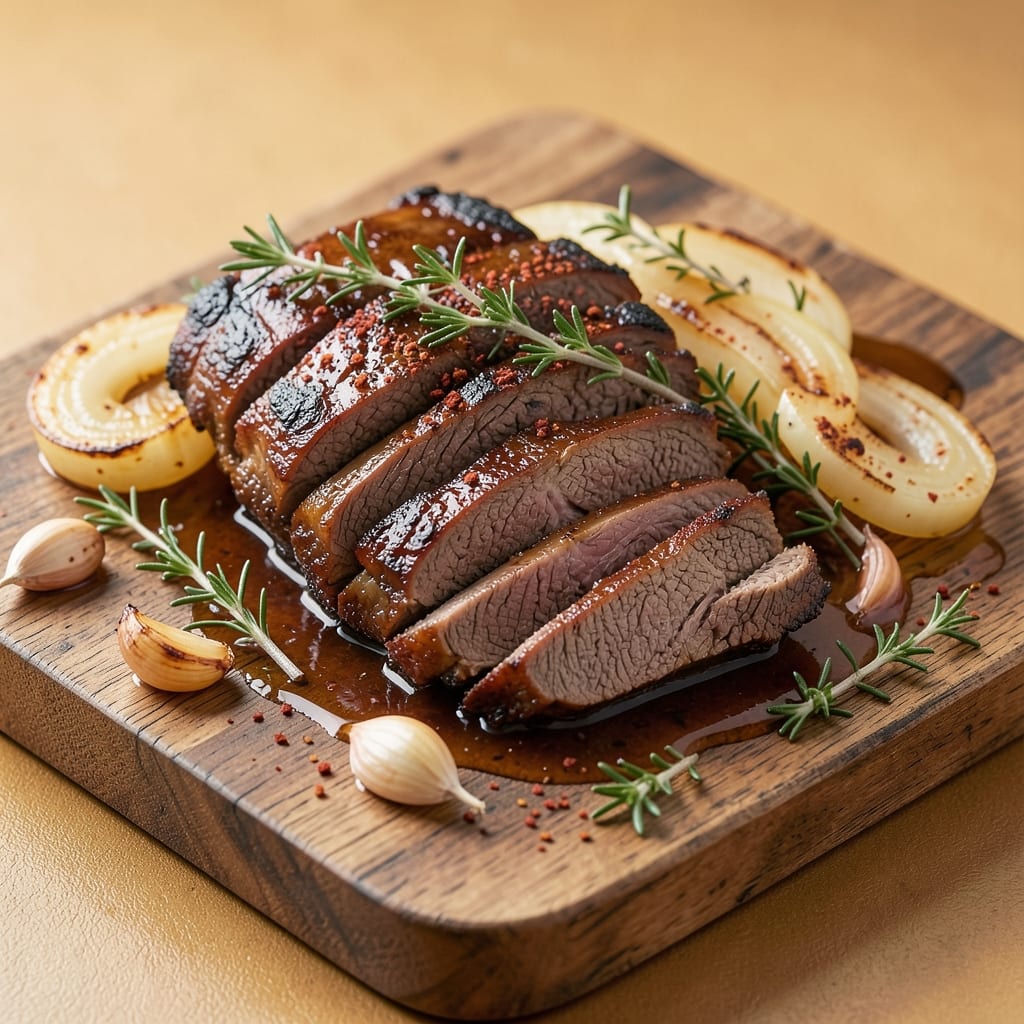
This apple cider beef brisket recipe transforms tough cuts into melt-in-your-mouth perfection through slow braising—where sweet apple cider and warm spices create a tender, flavorful masterpiece. The secret lies in low-and-slow cooking at 300°F for 6+ hours, breaking down collagen for unmatched tenderness while the cider caramelizes into a glossy, aromatic sauce. I developed this recipe after years of experimenting with brisket techniques, and the apple cider adds a bright, tangy contrast that balances the rich, savory beef.
What sets this dish apart is the perfect harmony of textures and flavors: fork-tender beef, crispy edges from searing, and a sauce that’s both sweet and savory, thanks to the apple cider’s natural depth. The spices—garlic, thyme, and a touch of smoked paprika—infuse the meat with warmth, while the cider keeps the dish from feeling heavy. This method is foolproof, whether you’re cooking for a crowd or meal prepping for the week.
By the time you pull this brisket from the oven, you’ll have a dish that’s restaurant-quality but made at home—juicy, aromatic, and packed with layers of flavor. The slow braising ensures every bite is succulent, and the apple cider glaze adds a touch of elegance without overpowering the beef. Serve it with roasted potatoes or caramelized onions for a complete, comforting meal that’s sure to impress.
This recipe is designed for effortless execution, even for beginners, with clear steps and timing that deliver consistent results. The key is patience—letting the brisket cook low and slow transforms it into something extraordinary. Once you try this, you’ll never settle for a brisket that isn’t infused with apple cider’s bright, tangy magic.
Ingredients for apple cider beef brisket
Six ingredients transform tough brisket into restaurant-quality perfection—where apple cider's sweetness meets smoky spices for unforgettable flavor.
| Ingredient | Amount | Notes |
|---|---|---|
| Beef Brisket 🥩 | 4 lb | Flat cut, 1-inch thick, trimmed of fat |
| Apple Cider 🍎 | 2 cups | Unfiltered, preferably spiced |
| Yellow Onions 🧅 | 2 whole | Chopped into 1-inch pieces |
| Garlic Cloves 🧄 | 8 cloves | Smashed with side of knife |
| Fresh Thyme 🌿 | 2 tbsp | Leaves only, stems removed |
| Smoked Paprika 🌶️ | 2 tsp | For deep smoky flavor |
| Ground Black Pepper 🌶️ | 1 tbsp | Freshly cracked preferred |
| Kosher Salt 🧂 | 2 tbsp | Diamond Crystal preferred |
| Olive Oil 🫒 | ¼ cup | Extra-virgin for searing |
| Brown Sugar 🍯 | 2 tbsp | Light or dark, packed |
| Apple Cider Vinegar 🍋 | 1 tbsp | For tangy brightness |
| Fresh Rosemary 🌿 | 1 tbsp | Chopped, stems removed |
| Beef Broth 💧 | 1 cup | Low-sodium preferred |
The brisket is non-negotiable here—flat cut from a trusted butcher like Whole Foods or your local market ensures the best texture. Look for good marbling and ask for it to be trimmed to 1-inch thickness for even cooking. Apple cider should be unfiltered and spiced—Woodchuck or Angry Orchard are my go-tos, but any quality brand works. Fresh thyme and rosemary are worth hunting down at the farmers market for that extra depth, but the dried stuff in a pinch isn't terrible. Smoked paprika? Penzeys has the best selection if you're willing to splurge, but the regular grocery store stuff is fine for everyday cooking.
No apple cider vinegar? White vinegar or lemon juice works in a bind, though it won't have the same apple-forward flavor. Short on beef broth? Water plus 1 tsp soy sauce mimics the umami depth. The brown sugar can be swapped for maple syrup at half the amount—it adds a nice caramel note. If you're using dried thyme or rosemary, cut the amount to one-third of what's called for. For the onions, yellow or red both work, but yellow has more natural sweetness. And if you're feeling fancy, caramelize them first—worth the extra 15 minutes for that deeper flavor.
This brisket tastes even better the next day—3-4 days in the fridge is perfect for meal prep. Store it with the juices in a sealed container, and the flavors meld beautifully. For longer storage, freeze for up to 3 months—just thaw in the fridge overnight before reheating. The sauce reduces as it cooks, so if you're making extra, strain and reduce it further for a thicker glaze. I always make a double batch and freeze half—nothing beats brisket sandwiches the next day with some of that apple cider glaze drizzled on top.
Why You'll Love This Recipe
- One-Pot Magic: I swear by this—just toss the brisket, onions, and spices in a deep skillet, pour in the apple cider, and let it bubble away. No fancy equipment, no stress, and honestly? The cleanup is half the battle already won.
- Sweet-Savory Balance: That first sip of cider-infused sauce? It’s like autumn in a bite—tangy, rich, and just enough thyme to keep it bright. The onions caramelize right into the meat, so you get all that deep flavor without extra work.
- Leftovers That Beg: Between us, this makes enough for dinner and lunch the next day. I’ll be real: my family fights over the slices, and I’ve even packed it in sandwiches—because nothing says “I care” like effortless leftovers that taste just as good cold.
- Budget-Friendly Feast: Brisket’s the star, but it’s not fancy—think affordable, hearty, and perfect for gatherings. The cider adds luxury without cost, and I’ve fed six people (plus my picky teen) with what’s basically a grocery haul, not a splurge.
Step-by-step instructions for apple cider beef brisket
This fusion of rich beef and autumnal apple cider creates melt-in-your-mouth tenderness with deep, complex flavors.
Sear the Brisket for Deep Flavor
Heat a large Dutch oven over medium-high heat until very hot. Add the 0.25 cup olive oil and swirl to coat the bottom evenly. Place the 4 lb beef brisket fat-side down in the pan and sear undisturbed for 8-10 minutes until a deep golden brown crust forms.
This initial sear locks in juices and builds the flavor foundation. Flip the brisket and sear the other side for another 5-7 minutes. Remove the brisket and set it aside on a plate—it'll continue cooking in the braising liquid later.
Build the Aromatic Base
In the same Dutch oven, add the 2 whole yellow onions and cook for 5 minutes until softened and beginning to caramelize. Add the 8 smashed garlic cloves and cook for 30 seconds until fragrant—don't let them burn.
Stir in the 2 tbsp fresh thyme, 2 tsp smoked paprika, 1 tbsp ground black pepper, and 2 tbsp kosher salt. Cook for 1 minute to toast the spices and release their aromas. This spice blend forms the flavor backbone of your brisket.
Braise with Apple Cider and Broth
Pour in the 2 cups apple cider and scrape up any browned bits from the bottom of the pan. Add the 1 cup beef broth, 2 tbsp brown sugar, and 1 tbsp apple cider vinegar. Return the brisket to the pot, fat-side up, and bring to a simmer.
Cover tightly with a lid and transfer to a 300°F oven. Braise for 3 hours until the brisket is fork-tender. The liquid should reduce significantly, creating a rich, caramelized sauce. Here's the thing—don't peek or stir during this time to maintain even cooking.
Finish with Rosemary and Rest
After 3 hours, stir in the 1 tbsp fresh rosemary and continue braising for another 30-45 minutes until the brisket reaches an internal temperature of 205°F and is fork-tender. The rosemary adds a bright, herbal note that cuts through the richness.
Remove the brisket from the pot and let it rest for 20-30 minutes before slicing. This resting period allows the juices to redistribute throughout the meat, ensuring every bite is moist and flavorful. Skim any excess fat from the braising liquid before serving.
Serve with Caramelized Sauce
Slice the brisket against the grain into ¼-inch thick slices. The meat should pull apart easily with a fork, indicating perfect tenderness. Spoon the caramelized apple cider sauce over the top and serve immediately with the sliced brisket.
This fusion of beef and apple cider creates a dish that's both comforting and sophisticated. The sweet-tart apple cider balances the rich, savory beef perfectly, making each bite a harmonious blend of flavors. Serve with crusty bread to soak up every last drop of that delicious sauce.
Pro Tips For Making Apple Cider Beef Brisket
- SEAR THE BRISKET FIRST: I learned this the hard way—skipping the sear means your brisket will taste like it’s been simmering in water the whole time. Get that pan screaming hot and let the brisket develop a crust before adding any liquid. The Maillard reaction with apple cider later? That’s where the deep, caramelized flavor comes from.
- USE FULL-STRENGTH CIDER: That “reduced” or “light” apple cider in the store? Skip it. The real stuff—thick, tangy, and packed with flavor—is non-negotiable here. If you’re worried about sweetness, balance it with a splash of red wine or a pinch of cinnamon, but don’t water it down. The brisket needs that bold acidity to tenderize properly.
- DON’T IGNORE THE FAT CAP: Leave that white fat layer on the brisket—it’s your friend. It renders slowly into the pot, keeping the meat moist and adding richness. If it bothers you, trim it after cooking, but trust me, your brisket will stay juicier if you let it work its magic.
- SIMMER LOW AND LONG: This isn’t a race. After the initial sear and deglaze, drop the heat to a gentle simmer—think tiny bubbles, not rolling. Too much heat and your apple cider will evaporate too fast, leaving you with a dry, tough brisket. Cover it loosely and let it work for at least 3 hours, stirring occasionally to prevent sticking.
Best sauces and condiments for this recipe
Apple Cider Glaze
This caramelized sauce is the star of your brisket—simmer 1 cup apple cider with 1 tbsp brown sugar and ½ tsp cinnamon in a saucepan until reduced by half (10-12 minutes). Finish with 1 tbsp apple cider vinegar for tang. Brush generously over sliced brisket or drizzle on top for a glossy finish. 🍎
Horseradish Cream
Mix ½ cup sour cream with 2 tbsp prepared horseradish, 1 tbsp fresh chives, and ½ tsp Dijon mustard. This creamy, spicy contrast cuts through the richness of the brisket beautifully. Serve on the side for dipping or dolloped directly on slices. I love using Bragg's prepared horseradish for consistent heat.
Brown Butter Mashed Potatoes
Upgrade your sides by cooking 4 cups mashed potatoes with ¼ cup browned butter (cook ½ cup butter until nutty) and ¼ cup apple cider mixed in. The nutty butter and cider's sweetness complement the brisket perfectly. For extra richness, stir in 2 oz cream cheese while hot. 🥔
Crispy Onion Rings
For a crunchy contrast, fry 1 large onion cut into rings in ½ inch oil at 350°F until golden (3-4 minutes). Toss with ½ tsp smoked paprika and ½ tsp garlic powder while hot. Serve alongside brisket for texture variety—each bite of crispy onion balances the tender meat.
Whiskey-Caramelized Onions
Sauté 2 cups thinly sliced onions in 2 tbsp butter for 10 minutes, then deglaze with 2 tbsp whiskey and 1 tbsp apple cider. Cook until caramelized (20 minutes), finishing with 1 tsp brown sugar. These sweet, boozy onions make an elegant side that pairs perfectly with the brisket's smoky depth.
Apple Cider BBQ Sauce
Blend 1 cup apple cider, ½ cup BBQ sauce (Sweet Baby Ray's works great), 1 tbsp apple cider vinegar, and 1 tsp smoked paprika until smooth. Simmer for 15 minutes to thicken. Use as a dipping sauce or glaze for extra tangy-sweet flavor. This sauce is perfect for brisket sandwiches the next day!
Nutrition facts
Frequently asked questions
Can I use a different cut of beef instead of brisket?
While brisket is ideal for this recipe, you can substitute with chuck roast or beef short ribs for similar results. The cooking time may vary—chuck roast typically needs 4-5 hours at 300°F, while short ribs can be done in 3 hours. Just ensure the meat is fork-tender before serving.
How do I know when the brisket is fully tender?
The brisket is ready when it reaches an internal temperature of 205°F and easily pulls apart with two forks. Insert a probe into the thickest part—if it separates cleanly, it's perfect. The sauce should also be reduced and glossy, with a rich caramelized color.
Can I make this recipe in a slow cooker?
Brown the brisket first, then transfer everything to a slow cooker and cook on low for 8-10 hours or high for 5-6 hours. The liquid will reduce more slowly, so you may need to finish it on the stovetop to thicken the sauce. Add a splash of apple cider vinegar at the end for extra tang.
What if my brisket isn't tender after cooking?
If the brisket isn't tender, it likely needs more time. Return it to the oven at 300°F for another 1-2 hours, checking periodically. If it's still tough, try shredding it and using it for sandwiches or tacos—the sauce will still be delicious. Avoid overcooking, as it can dry out the meat.
How far ahead can I prep this recipe?
You can prep everything up to the braising step 1 day ahead—just store the seared brisket and aromatics in the fridge. Reheat the braising liquid separately, then add the brisket to the pot and finish cooking. For leftovers, store in an airtight container for 3-4 days or freeze for 3 months.