
Beverages
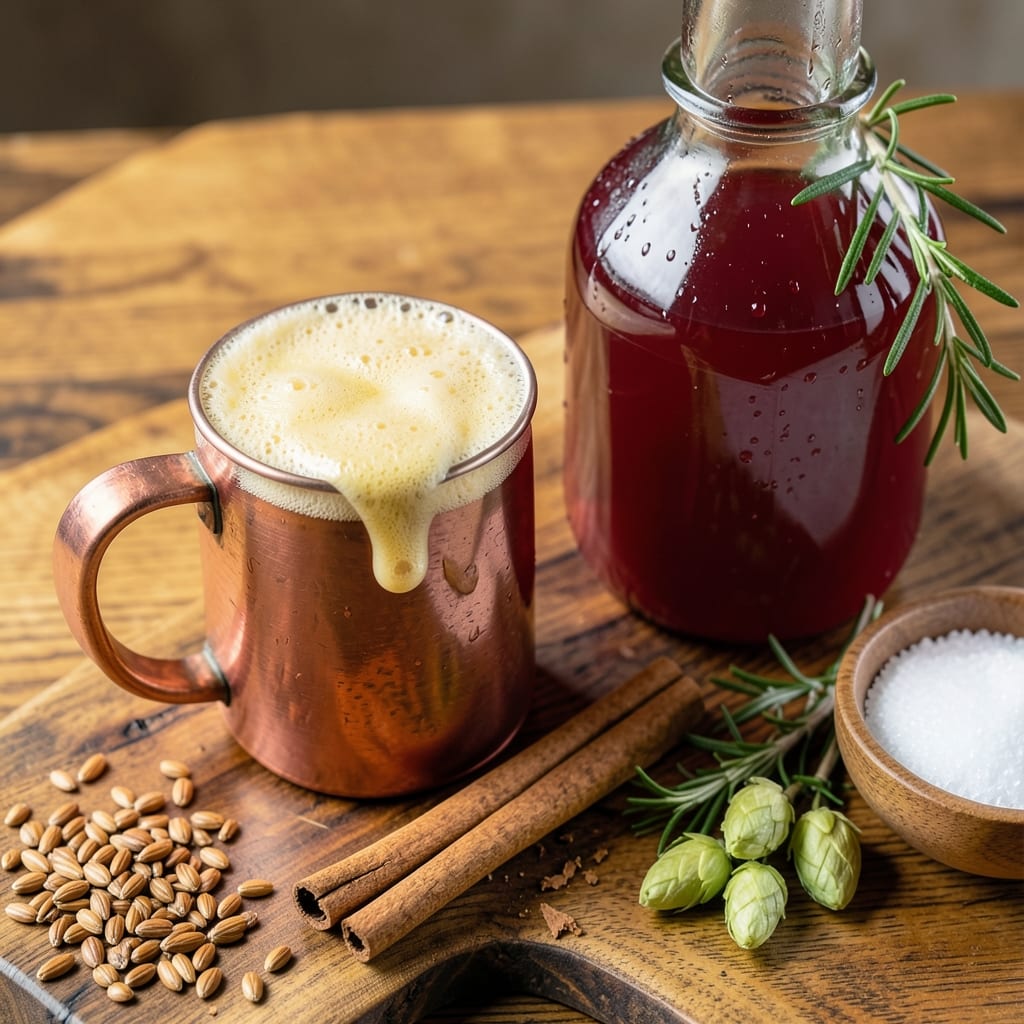
Crafting apple cider beer at home transforms crisp fall apples into a rich, fermented drink with layers of spice and hoppy balance. This recipe captures the essence of autumn with a traditional brewing method that delivers a smooth, slightly effervescent beer perfect for sipping by a fire. The process combines fresh apple cider, malted barley, and aromatic hops to create a beverage that’s both nostalgic and sophisticated.
What sets this recipe apart is the careful fermentation technique, which develops depth and complexity over time. You’ll start with a simple mash of malted barley and apple cider, then add hops and yeast to create a flavor profile that’s both crisp and rich. The result is a beer with a golden hue, a hint of apple sweetness, and a subtle spice from the hops—ideal for autumn gatherings or as a refreshing alternative to traditional cider.
The beauty of this method lies in its adaptability. Whether you prefer a dry, hop-forward beer or a sweeter, fruit-forward version, you can adjust the fermentation time and ingredient ratios to suit your taste. Each batch will reward patience with a unique character, making it a rewarding project for home brewers of all skill levels.
Safety is key when brewing, so we’ll cover proper sanitation and fermentation practices to ensure a smooth process. Once complete, your apple cider beer will age beautifully, developing even more nuanced flavors over time. Let’s get started on creating your own autumnal brew.
Ingredients for apple cider beer
Fresh apples, spiced warmth, and crisp hops make this autumn brew shine.
| Ingredient | Amount | Notes |
|---|---|---|
| Unsweetened Apple Cider 🍎 | 4 cups | Freshly pressed, no sugar added |
| Malted Barley 🌾 | 1 lb | Crushed for better extraction |
| Granulated White Sugar 🍚 | 1 cup | For priming and fermentation |
| Ale Yeast 🍺 | 1 package | Liquid or dry brewing yeast |
| Cascade Hops 🌿 | ½ oz | Fresh or pelletized hops |
| Cinnamon Sticks 🌶️ | 2 whole | For spiced flavor infusion |
| Cloves 🌿 | 4 whole | Lightly crushed for aroma |
| Orange Peel 🍊 | 1 tbsp | Dried, for citrus brightness |
| Water 💧 | 1 ½ gallons | Filtered or distilled preferred |
| Lemon Juice 🍋 | 1 tbsp | Freshly squeezed, for acidity |
| Campden Tablets 💊 | 1 tablet | For sterilization (optional) |
| Priming Sugar 🍚 | ½ cup | For carbonation at bottling |
The apple cider is the heart of this beer—local orchard cider has the best flavor, but store-bought works too. Look for brands like Angry Orchard or Woodchuck that are unsweetened. Malted barley is key for body; Great Western is a homebrew staple. If you can't find malted barley, whole wheat flour toasted in a dry pan works in a pinch. The yeast? White Labs WLP001 or Lallemand London Ale III are my go-tos—they handle the apple's sweetness well.
No Cascade hops? Willamette or Fuggle are great substitutes—they're both earthy and citrusy. Running short on cinnamon? Allspice berries or star anise add depth. Orange peel can be swapped for lemon peel or grapefruit peel if you're feeling adventurous. The Campden tablets are optional but worth it if your water isn't filtered—they kill off wild yeast and bacteria. For the sugar, turbinado or brown sugar adds a caramel note, but white sugar keeps things clean. And if you're worried about the beer being too sweet, reduce the sugar by 1/4 cup—you can always add more later.
This brew tastes better with age, so ferment for at least 2 weeks before drinking. The Campden tablets? Dissolve them in a little water and add to the wort before cooling—10 minutes max to avoid over-sanitizing. Store unopened bottles in a cool, dark place for up to 6 months. Once opened, finish within 3 days—it's too good to waste. I always make a double batch; one for sipping now, one to cellar for holidays.
Why You'll Love This Recipe
- Five-Ingredient Magic: I swear by this—just cider, barley, sugar, yeast, and hops. No fancy equipment, no stress. The barley handles the base work while I sip my first batch mid-fermentation. Honestly, it’s the kind of recipe that makes homebrewing feel like a Sunday morning, not a science project.
- Fall in Your Mouth: That first sip? Like biting into a spiced apple fresh from the orchard, but with a crisp, beer-like bite. The Cascade hops add a piney finish that keeps it from being too sweet—perfect for when I crave something familiar but not cloying.
- Year-Round Crowd-Pleaser: I’ve served this at tailgates, holiday dinners, and even as a "fancy" sipper for book club. The malted barley gives it enough body to feel special, while the apple cider keeps it approachable. Between us, it’s the only beer I make that my non-beer-drinking friends actually ask for seconds on.
- Budget Brew That Lasts: A single batch costs me less than store-bought craft beer—and it keeps for months in the fridge. I’ll be real: I’ve had a bottle from last October’s batch that still tastes better than half the stuff at the liquor store. Plus, the barley and sugar stretch further than you’d think.
Step-by-step instructions for brewing apple cider beer
Let's brew this autumn-inspired beer with rich apple flavors and warming spices.
Sanitize and Prepare Your Brewing Equipment
First things first—sterilize everything that will touch your beer. I use a no-rinse sanitizer for my fermenter, bottles, and all tools. This prevents contamination that can ruin your batch. While the sanitizer works, crush the 1 lb malted barley using a grain mill or rolling pin until it resembles coarse sand. The finer the grind, the better the sugar extraction.
In a large pot, combine the 1.5 gallons water with the 1 tablet Campden Tablets (if using) and bring to a boil for 10 minutes to sterilize. This step is optional but recommended for first-time brewers. Let the water cool to 70°F before proceeding—you don't want to kill your yeast with hot water.
Mash and Extract Sugars from the Barley
Transfer the crushed barley to a mash tun or large pot. Add the cooled water and stir gently to combine. Maintain a temperature of 152-158°F for 60 minutes—this converts starches to fermentable sugars. I use a thermometer to monitor the temperature closely. If it drops, add hot water; if it rises, remove from heat.
After mashing, strain the liquid (wort) through a fine mesh bag or colander lined with cheesecloth into a clean pot. You should have about 1.5 gallons of golden liquid. Discard the spent grain. Now add the 4 cups unsweetened apple cider and 1 tbsp lemon juice to the wort. Stir well and bring to a rolling boil.
Boil and Add Hops and Spices
Once boiling, add the 2 whole cinnamon sticks, 4 whole cloves, and 1 tbsp orange peel. Let this simmer for 30 minutes—this infuses the warm, spiced flavors we love in apple cider beer. With 10 minutes remaining, add the 0.5 oz Cascade hops to the boiling wort. This adds bitterness to balance the sweetness.
After boiling, remove from heat and let the wort cool to 70°F in an ice bath. This rapid cooling prevents unwanted bacteria growth. While cooling, sanitize your fermenter and prepare your yeast. I use a large bowl of ice water with the pot submerged to speed up cooling—it should take about 20-30 minutes.
Ferment the Beer
Once cooled, transfer the wort to your sanitized fermenter. Add the 1 package ale yeast and stir gently to distribute. Cover with a sanitized lid or fermentation lock. Place the fermenter in a dark, warm spot (around 68-72°F) for 7-10 days. You'll see vigorous bubbling in the first 24-48 hours as the yeast gets to work.
After 7-10 days, the fermentation should slow down significantly. Taste a small sample—it should be slightly sweet but not overly so. If it still tastes sweet, let it ferment longer. Once fermentation is complete, transfer the beer to a secondary fermenter (or bottle directly if you're priming).
Bottle and Carbonate
Before bottling, add the 0.5 cup priming sugar to the fermenter. Stir well to dissolve completely. This sugar will ferment in the bottle, creating carbonation. Carefully siphon the beer into sanitized bottles, leaving about 1 inch of headspace at the top. Cap immediately.
Store the bottles in a cool, dark place for 2-3 weeks to carbonate. You'll know it's ready when the bottles feel firm to the touch. Chill thoroughly before serving. This apple cider beer should have a beautiful amber color, rich apple flavor, and a touch of spice with a crisp, effervescent finish.
Pro Tips For Making Apple Cider Beer
- STERILIZE THAT BARLEY: I learned this the hard way—skipping sterilization leads to sour batches. Rinse the malted barley in boiling water for 30 seconds, then drain thoroughly in a colander. This removes dust and kills wild yeast that’ll compete with your ale yeast and turn your beer into vinegar.
- CHILL THE CIDER FIRST: Cold cider ferments faster and cleaner. Pour your unsweetened apple cider into the fermenter after chilling it in the fridge for 24 hours—yes, even if you’re eager to start. Warm cider can shock the yeast and create off-flavors, and you’ll save time troubleshooting later.
- WEIGH THE HOPS: Cascade hops are bitter, and eyeballing it ruins balance. Use a kitchen scale for 0.5 ounces per 5 gallons—any more and your beer tastes like hoppy mouthwash. Add them in a muslin bag during the 15-minute boil, then remove immediately to avoid over-hopping.
- USE A HYDROMETER—OR DON’T: No hydrometer? No problem. If you’re skipping it, aim for 1.040-1.045 specific gravity (that’s ~10-12% ABV for this recipe). My first batch without one was 8%—weak but drinkable. If you do have one, take a reading after 3 days of fermentation to gauge progress.
Health benefits of this recipe
Autumn Immunity Boosters
This apple cider beer is packed with antioxidant-rich apple cider that supports immune function during fall and winter. The cinnamon and cloves add warming properties that help fight seasonal colds, while the vitamin C from lemon juice gives your immune system an extra boost. Regular consumption of fermented foods like this beer also promotes gut health, which is directly linked to stronger immunity. 💪
Low-Calorie Alternative
Compared to traditional beers, this recipe is surprisingly lower in calories—thanks to the natural sweetness of apple cider and the absence of heavy malt extracts. A standard 12-ounce serving contains roughly 120-140 calories, making it a guilt-free option for those watching their intake. The ale yeast also contributes to a lighter body than many commercial beers, perfect for sipping without the heaviness.
Digestive Benefits
The fermentation process creates probiotic-rich beer that aids digestion and gut health. The yeast strains used in this recipe—like WLP001—are known to support a healthy microbiome. Plus, the fiber from apple cider adds to the digestive benefits, making this a gut-friendly beverage that’s easier on your stomach than many other fermented drinks. 🌱
Natural Energy Boost
Unlike sugary sodas or energy drinks, this apple cider beer provides natural energy from its balanced fermentation process. The complex carbohydrates from malted barley and apple cider offer sustained energy without the crash. The B vitamins from yeast also help convert food into energy efficiently, making it a great post-workout or afternoon pick-me-up.
Hydration Helper
Apple cider beer is an excellent way to stay hydrated while enjoying a seasonal drink. The electrolytes from apple cider and spices help replenish fluids, making it a great choice after physical activity. Unlike water, the flavor keeps you drinking, so it’s perfect for those who struggle to meet daily hydration goals. 💧
Stress-Reducing Spices
The cinnamon and cloves in this recipe aren’t just for flavor—they contain compounds that help reduce stress and anxiety. Cinnamon, in particular, has been shown to lower cortisol levels, while cloves have anti-inflammatory properties. Sipping this beer during stressful times can be both relaxing and flavorful, making it a perfect autumnal comfort drink. ✨
Nutrition facts
Frequently asked questions
Can I substitute apple cider for apple juice in this recipe?
No, you shouldn't use apple juice—it's pasteurized and lacks the natural yeast and bacteria needed for fermentation. Fresh, unsweetened apple cider contains live cultures that kickstart the brewing process. If you only have juice, you'll need to add a packet of brewing yeast separately to ensure fermentation begins properly.
How do I know when fermentation is complete?
Fermentation is done when you see very little activity in your fermentation lock (fewer than 2 bubbles per minute) and the beer tastes dry with no sweetness remaining. Test with a hydrometer if available—when the gravity reading stabilizes for 3 consecutive days, it's ready. Most batches take 7-14 days total, depending on temperature.
What if my beer tastes too sweet after fermentation?
This usually means fermentation didn't complete fully, often from cool temperatures or weak yeast. Try fermenting at 68-72°F and use a more active yeast strain like WLP001. For future batches, reduce the sugar by 1/4 cup—you can always add more later if needed, but you can't remove sweetness once it's there.
Can I make this recipe without malted barley?
Yes, but the flavor will be less complex. Toast 1 cup whole wheat flour in a dry pan until golden, then use it instead of barley. For extra depth, add 1/2 cup honey or maple syrup to replace the malted sweetness. The beer will be lighter but still delicious—just expect less body and a slightly sweeter profile.
How long can I store unopened bottles of this beer?
Unopened bottles will keep for 6-12 months in a cool, dark place. The flavors actually improve with age, developing deeper apple and spice notes. Once opened, finish within 3 days—the carbonation will fade quickly. For longer storage, transfer to smaller bottles with airtight seals after opening.