
Beverages
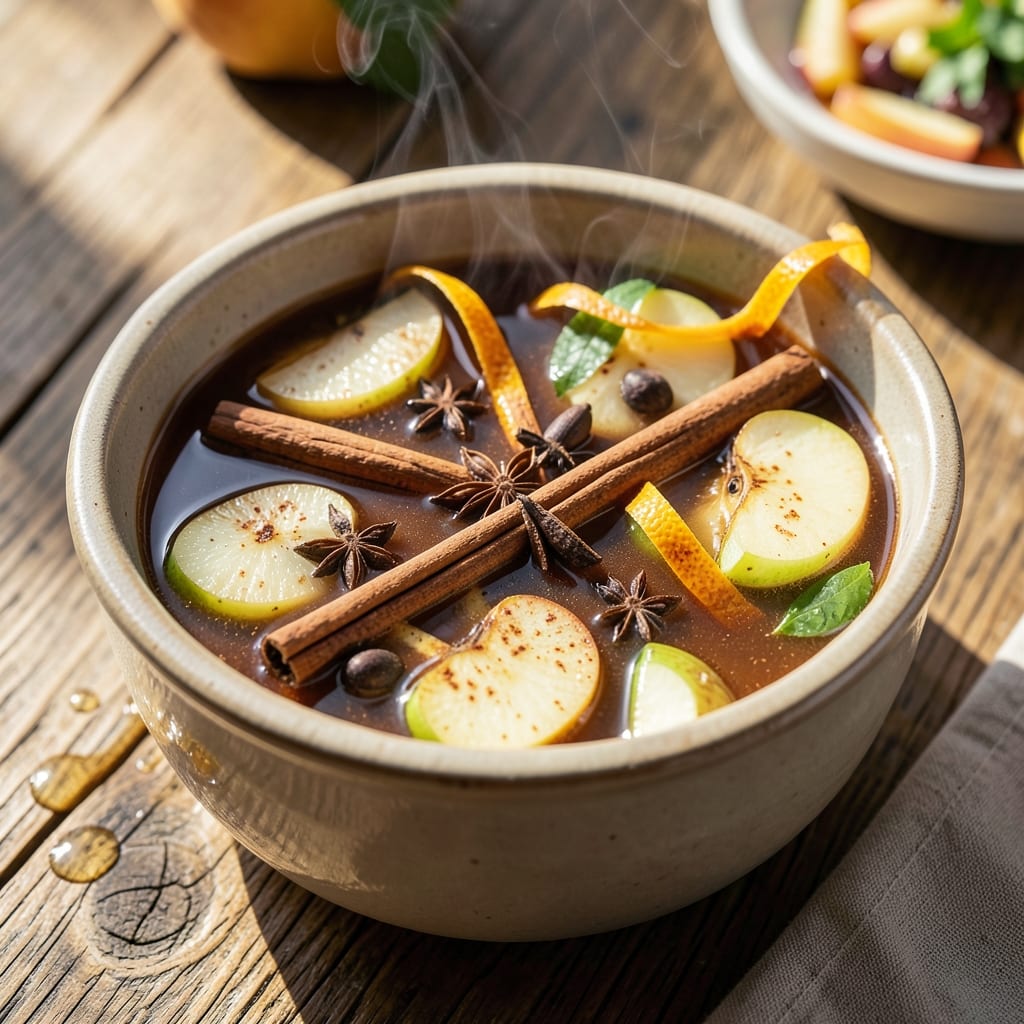
Transforming crisp apples into a rich, spiced apple cider brew recipe is an art that captures the essence of autumn in every sip. This recipe delivers a warm, aromatic beverage that balances natural sweetness with bold spices—perfect for cozy evenings or festive gatherings. The process is straightforward, yet the result is a drink that feels like a hug in a mug, whether you're sipping it fresh or letting it ferment into something deeper.
The foundation of this brew lies in selecting the right apples—a mix of tart and sweet varieties ensures perfect balance. As the cider simmers with cinnamon, cloves, and orange peel, the kitchen fills with an intoxicating aroma that signals something special is brewing. Whether you choose to enjoy it immediately or let it ferment for a harder cider, the spices infuse the liquid with layers of warmth that linger long after the last sip.
What makes this recipe stand out is its versatility—serve it warm with a sprinkle of nutmeg, or let it ferment for a bold, complex cider that rivals store-bought favorites. The instructions guide you through every step, from peeling and juicing the apples to simmering the spices and bottling the finished brew. Safety notes ensure a smooth fermentation process, so you can focus on the rewarding result.
Once complete, you’ll have a batch of cider that’s rich enough for toasting and light enough for sipping. Store it in the refrigerator for up to a week, or ferment it for a drink that improves with age. This is the kind of recipe that turns a simple ingredient—apples—into something extraordinary, one simmer at a time.
Ingredients for apple cider brew
Six pounds of apples and a handful of spices create this cozy, aromatic brew.
| Ingredient | Amount | Notes |
|---|---|---|
| Apples (mix of tart and sweet) 🍎 | 6 lb | Honeycrisp, Fuji, Granny Smith ideal |
| Water 💧 | 4 cups | Filtered preferred for clarity |
| Cinnamon Sticks 🌿 | 4 whole | Ceylon preferred for delicate flavor |
| Whole Cloves 🌶️ | 8 whole | Pound lightly to release oils |
| Orange Peel 🍊 | 1 tbsp | From organic orange, no pith |
| Star Anise 🌟 | 2 whole | Adds licorice warmth |
| Brown Sugar 🍚 | 1 cup | Light or dark, packed |
| Lemon Juice 🍋 | 2 tbsp | Freshly squeezed |
| Yeast (optional for fermentation) 🍷 | ¼ tsp | Champagne yeast for dry cider |
| Ground Nutmeg 🌿 | ½ tsp | Freshly grated preferred |
| Salt 🧂 | ¼ tsp | Kosher or sea salt |
| Honey (optional for sweetness) 🍯 | 2 tbsp | Local raw honey preferred |
The apples are everything here. Local orchards or grocery store bins have the best selection—look for a mix of tart (Granny Smith) and sweet (Honeycrisp) varieties. Trader Joe's and Whole Foods usually carry pre-washed organic apples if you're short on time. Avoid red delicious though—it's too mealy for juicing. For the spices, Penzeys or bulk bins give you the freshest, most aromatic options. Whole spices pack more flavor than ground, so don't skip the cinnamon sticks or whole cloves. The orange peel should be from organic fruit—conventional peels can taste bitter from wax coatings.
No Ceylon cinnamon? Regular cassia works fine, but use half the amount since it's stronger. Star anise hard to find? Skip it or use 1/4 tsp ground anise. For the yeast, Champagne yeast is ideal but active dry works too—just use twice the amount. Running low on brown sugar? White sugar plus 1/4 tsp molasses mimics the caramel notes. The lemon juice can be bottled, but fresh is always better—just strain out seeds. Want it sweeter? Add 1 extra tbsp honey per serving. For a non-alcoholic version, skip the yeast entirely.
This cider keeps beautifully—1 week refrigerated for fresh batches or up to 6 months if fermented properly. Store fresh batches in glass jars with lids. For fermented cider, use sanitized bottles with airlocks. I always make a double batch—one to drink fresh, one to ferment. The spices can be toasted in a dry pan for 1 minute before adding to deepen their aroma. Label everything with dates so you remember which batches are fresh and which are fermenting.
Why You'll Love This Recipe
- No Chopping Needed: I swear by this—just toss in whole apples, peel, and spices. The stove does all the work while I sip my coffee and pretend I’m not cooking.
- Spice Magic: That first sip? Warm cinnamon and cloves with a bright orange peel twist—like autumn in a mug, but way easier than caramel apples. (Yes, even on a Tuesday night.)
- Crowd-Pleaser Brew: Serve it hot with dinner, chill it for a refreshing drink later, or freeze batches for quick hot toddies. My in-laws ask for seconds every time.
- Pantry Staple Hack: Uses ingredients you already have—no fancy shopping. A single batch costs me less than takeout, and it keeps for days in the fridge. Budget win.
Step-by-step instructions for apple cider brew
Here's how to transform fresh apples and warm spices into a cozy, aromatic cider that tastes like autumn in a mug.
Prepare and Core the Apples
Start by washing the 6 lb apples (mix of tart and sweet) thoroughly under cold water. I like to use a mix of Honeycrisp for sweetness and Granny Smith for tartness—they balance perfectly. Cut each apple into 8 equal wedges, leaving the skin on for maximum flavor. Remove the cores and any seeds using a sharp apple corer or small knife.
Don't worry about perfect slices—this isn't for looks, it's for flavor. As you work, keep the apple pieces in a large bowl to prevent browning. The goal is to maximize surface area for the spices to infuse into the liquid later. If you're short on time, you can peel the apples, but I find the skin adds wonderful depth to the cider.
Simmer Apples with Spices and Water
In a large, heavy-bottomed pot, combine the apple wedges with the 4 cups water, 4 whole cinnamon sticks, 8 whole cloves, 1 tbsp orange peel, and 2 whole star anise. Bring everything to a boil over medium-high heat, then immediately reduce to a gentle simmer. This is where the magic happens—the spices will release their aromatic oils into the liquid.
Let it simmer uncovered for 30 minutes, stirring occasionally. You'll notice the apples soften and the liquid becomes cloudy with starch. The cinnamon sticks should float, and you'll catch the wonderful scent of warm spices filling your kitchen. If the liquid reduces too much, add a splash of water to maintain the 4 cups volume—this keeps the flavors balanced.
Add Sweetness and Acid Balance
After 30 minutes, remove the pot from heat and let it cool slightly for 5 minutes. Stir in the 1 cup brown sugar, 2 tbsp lemon juice, 0.5 tsp ground nutmeg, and 0.25 tsp salt. If you're making a fermented version, sprinkle in the 0.25 tsp yeast now and stir gently. For a sweeter cider, add the 2 tbsp honey and mix until fully dissolved.
Here's the thing—taste as you go. The lemon juice brightens the flavors, while the nutmeg adds warmth. The brown sugar caramelizes slightly as it cools, deepening the flavor. If you're fermenting, let the mixture cool to room temperature before transferring to a sanitized fermentation vessel. For non-fermented cider, you can proceed to the next step immediately.
Strain and Serve Warm
Line a fine-mesh strainer with cheesecloth or a clean kitchen towel and place it over a large bowl. Carefully pour the cider mixture through the strainer, pressing gently on the apple pieces to extract all the liquid. Discard the solids—no need to save them unless you're making apple butter later. The strained liquid should be a rich, amber color with visible spice particles.
Return the strained cider to the pot and gently reheat over low heat until warm—just until small bubbles form at the edges. Pour into mugs and garnish with an extra cinnamon stick or a sprinkle of nutmeg. Serve immediately while still steaming hot. The aroma alone will make your kitchen smell like a cozy apple orchard.
Optional Fermentation (For Hard Cider)
If you chose to ferment, transfer the cooled cider to a sanitized glass carboy or fermentation vessel. Cover with an airlock and let it ferment at room temperature for 5-7 days, then move to a cooler spot for another 2-3 weeks. Taste occasionally—when it reaches your desired sweetness level, bottle it in sanitized flip-top bottles and let it carbonate for 2-3 weeks before chilling.
For non-fermented cider, you can store leftovers in the refrigerator for up to 5 days. The flavors actually improve slightly as it sits, allowing the spices to mellow. If you prefer it sweeter, add a drizzle of honey when reheating. Either way, this cider is pure comfort in a mug—perfect for chilly evenings or holiday gatherings.
Pro Tips For Making Apple Cider Brew
- Simmer Slow and Steady: I learned this the hard way—rushing the simmer turns your cider into muddy, bitter sludge. Keep it at a gentle bubble (think tiny, lazy ripples) for at least 45 minutes. If you’re using a mix of tart and sweet apples, this slow cook will let the flavors meld without turning the water into apple juice concentrate.
- Peel Oranges Like a Pro: Skip the thick, pithy strips—you want just the bright, fragrant outer layer. Use a peeler to slice off thin, even strips (about 1/8-inch thick), then chop them into matchsticks. Too much peel? The brew tastes bitter. Too little? You’ll miss that citrus zing that cuts through the apple sweetness.
- Don’t Crowd the Pot: I used to toss in all the apples at once, thinking more fruit meant better flavor. Wrong. Pack them in too tightly, and you’re left with a weak, watery brew. Instead, layer them in loosely—think of a loose pyramid—so the water can circulate and pull out the flavors evenly.
- Toast the Spices First: This isn’t just for show—it deepens the aroma and flavor. Dry-toast the cinnamon sticks and whole cloves in a separate pan over medium-low heat for 2-3 minutes until fragrant. Then drop them into the simmering cider. The difference? Your brew will smell like a spice shop, not just a pot of apples and water. (Yes, even if you’re impatient like me.)
Wine and beer pairings for this recipe
Cider-Friendly Reds
For a warm, spiced apple cider brew, dry red wines with earthy or berry notes complement beautifully. A Pinot Noir from Oregon—like Domaine Serene—balances the cider’s sweetness with its bright acidity and red fruit flavors. The tannins in a Cabernet Sauvignon (try Louis Martini) stand up to the spice complexity, while a Syrah from the Rhône adds smoky depth that mirrors the cloves and cinnamon. 🍷
Crisp Whites for Balance
If you prefer white wine, opt for crisp, slightly off-dry varieties that echo the cider’s apple and citrus notes. A Riesling from Germany’s Mosel region—like Dr. Loosen Blue Slate—cuts through the sweetness with its zesty acidity and peach undertones. For something lighter, a Chardonnay with minimal oak (such as La Crema) offers buttery richness that pairs well with the nutmeg and brown sugar. 🍷
Beer Pairings
For beer lovers, a Belgian-style witbier like Hoegaarden brings refreshing citrus and spice notes that mirror the cider’s orange peel and cinnamon. If you prefer something heartier, a honey brown ale (such as New Belgium Fat Tire) complements the brew’s caramelized sweetness. For a lighter option, a pilsner (like Pilsner Urquell) cleanses the palate without overpowering the cider’s warmth. 🍺
Non-Alcoholic Options
Skip the alcohol? A sparkling apple cider like Martinelli’s (with a splash of ginger ale) enhances the cider’s spice notes. For something more sophisticated, try a sparkling wine like La Marca Prosecco—its effervescence and floral notes play well with the nutmeg and cloves. A ginger beer (such as Feather Ginger Beer) adds a spicy kick that pairs surprisingly well with the brew’s warmth. 🍹
Seasonal Twists
In winter, add a mulled wine (like St. George Mulled Wine) to your cider for a festive twist—both drinks share cinnamon and orange notes. For summer, swap the spices for vanilla and cardamom, then pair with a light lager (such as Heineken) to balance the sweetness. The key is matching the drink’s temperature and sweetness level to your cider’s profile. ✨
Nutrition facts
Frequently asked questions about apple cider brew
Can I use bottled apple juice instead of fresh apples?
You can, but fresh apples give the best flavor and texture. Fresh apples release natural starches and pectin that create a richer, cloudier cider with more depth. If using bottled juice, add 1 extra cinnamon stick and 1/2 tsp extra lemon juice to compensate for lost complexity. For fermented versions, fresh juice works better as it contains natural yeast.
How do I know when my fermented cider is ready to bottle?
Your cider is ready when it tastes dry (no sweetness) and has a clean, apple-forward flavor with no harsh alcohol taste. After 2-3 weeks of fermentation, check the specific gravity with a hydrometer—it should be around 0.990-0.995. If it's still sweet, let it ferment longer. The bubbles should also slow significantly before bottling.
What's the best way to store homemade cider?
Fresh (non-fermented) cider keeps for 5-7 days in the fridge, while fermented cider lasts 6+ months if properly bottled. For fresh batches, use glass jars with tight lids. For fermented cider, sanitize bottles and use flip-top caps. Store both in a cool, dark place. Label everything with dates—fermented cider can continue developing flavors over time.
Can I make this cider without yeast for a non-alcoholic version?
Simply omit the yeast and follow the same steps. The result will be a delicious, spiced apple cider that's perfect for kids or those avoiding alcohol. For extra flavor, add 1 extra cinnamon stick during simmering. This version keeps for 1 week refrigerated and tastes even better the next day as flavors meld.
Why did my cider turn cloudy during fermentation?
Cloudiness is normal! It means the yeast is active and creating CO2. If you prefer clear cider, try cold-crashing by refrigerating the fermented cider for 24 hours before bottling. For a hazy finish (which many prefer), just bottle as-is. The cloudiness will settle over time. Only worry if you see mold or an off smell—those require starting over.