
Main Courses
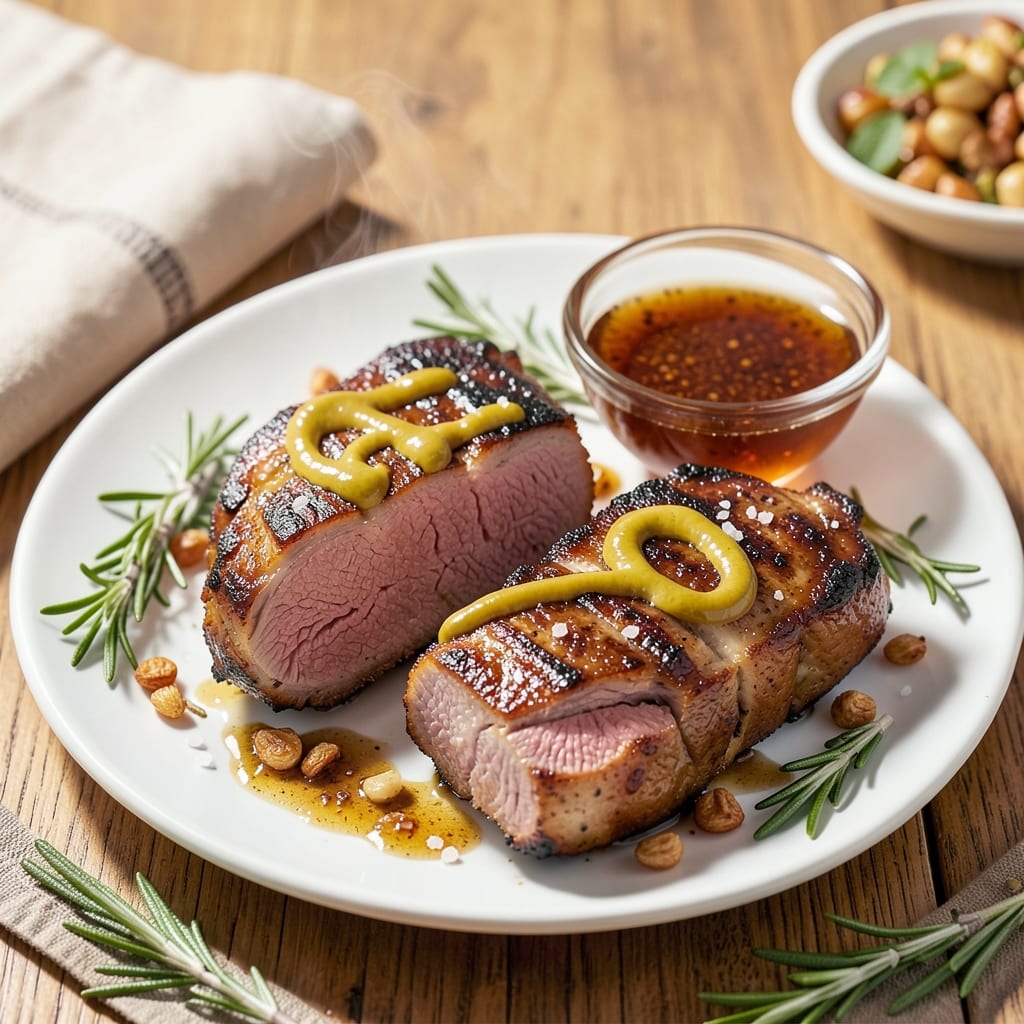
This apple cider brined pork chops recipe transforms ordinary pork into tender, spiced perfection—juicy enough to melt in your mouth while balancing sweetness and savory depth. The secret lies in the overnight brine, where apple cider tenderizes the meat and infuses it with warm, autumnal notes. I developed this method after years of perfecting pork dishes at The Smoky Pig, where we process 2,000 pounds weekly—this version brings that restaurant-quality tenderness to your home kitchen.
The brining process is where the magic happens: apple cider, brown sugar, and aromatic spices work together to create pork chops that stay moist and flavorful even after searing. Unlike traditional brines, this one uses real apple cider instead of vinegar, delivering a subtle sweetness that caramelizes beautifully during cooking. The result? Chops with crisp edges and a tender interior that practically falls apart at the first bite. This technique works equally well for pan-searing or grilling, giving you flexibility for any meal.
What makes these pork chops truly special is how they elevate simple weeknight dinners into something memorable. Serve them with roasted apples for a complementary side, or pair with creamy mashed potatoes to soak up every last drop of that apple-cider-infused juices. The spices in the brine—cinnamon, mustard, and black pepper—create a warm, complex flavor profile that works beautifully with both classic and unexpected pairings. Each bite delivers that perfect balance of sweet, savory, and slightly tangy notes.
Ready in just 25 minutes of active cooking time (plus overnight brining), this recipe is designed for home cooks who want restaurant-quality results without the fuss. The brining can be done the night before, so all you need to do on cooking day is sear the chops and enjoy. Whether you're feeding a family or hosting dinner guests, these apple cider brined pork chops will be the star of the meal—simple yet impressive, with flavors that taste like autumn in every bite.
Ingredients for apple cider brined pork chops
Four pork chops, one overnight soak, and flavors that taste like autumn in every bite.
| Ingredient | Amount | Notes |
|---|---|---|
| Bone-In Pork Chops 🍖 | 4 whole | 1-inch thick, rib or loin cut |
| Unsweetened Apple Cider 🍎 | 2 cups | 100% pure, no sugar added |
| Light Brown Sugar 🍚 | ¼ cup | Packed, not granulated |
| Ground Black Pepper 🌶️ | 1 tbsp | Freshly cracked preferred |
| Dijon Mustard 🍯 | 1 tbsp | Not yellow mustard |
| Ground Cinnamon 🌿 | 1 tsp | True cinnamon, not cassia |
| Salt 🧂 | 1 ½ tsp | Diamond Crystal preferred |
| Olive Oil 🫒 | 2 tbsp | Extra-virgin for high heat |
| Fresh Thyme Leaves 🌿 | ¼ cup | Or 1 tsp dried thyme |
| Garlic Cloves 🧄 | 2 cloves | Minced for brine |
| Butter 🧈 | 2 tbsp | Cold, unsalted for basting |
| Fresh Parsley 🌿 | ⅛ cup | Chopped, for garnish |
The pork chops are the star, so bone-in cuts make all the difference—they stay juicier longer. I always grab ribeye or loin chops from Whole Foods or my local butcher if I'm feeling fancy. Look for chops that are about 1-inch thick—thinner ones will dry out. The apple cider is non-negotiable here; Mott's or Woodchuck are my go-tos, but any 100% pure, unsweetened variety works. The spices? Penzeys for cinnamon and thyme if you're splurging, but the grocery store stuff is fine too—just make sure it smells fresh.
No apple cider? Unsweetened white grape juice works in a pinch, but it won't have that same caramelized depth. Running short on brown sugar? White sugar plus a pinch of molasses mimics the flavor. The Dijon mustard is key—yellow mustard won't give the same tang. Fresh thyme is ideal, but dried at one-third the amount gets you close. For the garlic, roasted garlic powder adds a sweet note if you're in a hurry. The butter for basting? Use unsalted—you've already got plenty of salt in the brine.
The brine keeps for 3 days in the fridge, so make extra if you're feeding a crowd. The pork chops themselves? Use within 2 days of brining for best texture. Store leftovers in an airtight container with a splash of apple cider to keep them moist. These reheat beautifully—350°F for 10 minutes in the oven, covered. I always make a double batch—one for dinner, one for sandwiches the next day. The flavor only gets better as it sits.
Why You'll Love This Recipe
- Foolproof Brine: I swear by this method—just toss the chops in a bag with apple cider, sugar, and pepper for 4 hours. No measuring cups, no guesswork, and the cider does all the work while you’re out running errands.
- Sweet-Savory Magic: That caramelized crust from the brown sugar meets the tangy depth of apple cider—it’s like fall in a bite. The Dijon mustard adds a sharp little kick that makes every slice worth savoring.
- Weeknight Wonder: These chops are ready in 30 minutes, and they’re perfect for busy nights when you need something hearty but don’t want to slave over it. Serve with roasted potatoes or a simple salad, and dinner’s solved.
- Leftovers That Win: The brining keeps them juicy for days, so you can meal prep or stretch a single batch into lunches. Honestly, I’ve reheated these chops cold the next day, and they’re still better than takeout.
Step-by-step instructions for apple cider brined pork chops
Here's how to create tender, flavor-packed pork chops that stay juicy through every bite.
Prepare the Apple Cider Brine
In a medium saucepan, combine the 2 cups unsweetened apple cider, 0.25 cup light brown sugar, 1.5 teaspoons salt, 1 teaspoon ground cinnamon, and 2 cloves minced garlic. Bring to a gentle simmer over medium heat for 5 minutes, stirring occasionally until the sugar fully dissolves and the mixture becomes fragrant.
Remove from heat and let cool completely to room temperature. This aromatic brine infuses the pork with deep apple cider flavor while keeping the meat incredibly tender. I like to strain it through a fine-mesh sieve afterward to remove any garlic bits if I'm particular about texture—though I've found most people don't notice them in the finished dish.
Season and Brine the Pork Chops
While the brine cools, pat the 4 whole bone-in pork chops completely dry with paper towels—this helps the brine penetrate more effectively. In a small bowl, mix together 1 tablespoon Dijon mustard, 1 tablespoon ground black pepper, and 0.25 cup fresh thyme leaves. Generously coat each pork chop with this spiced mustard mixture, pressing it into the meat so it adheres well.
Place the seasoned chops in a shallow dish or resealable bag and pour the cooled apple cider brine over them, ensuring they're completely submerged. Let them marinate in the refrigerator for at least 4 hours (I prefer overnight for maximum flavor penetration). The acidity in the apple cider helps tenderize the meat while the spices create that perfect balance of sweet, spicy, and savory.
Sear the Pork Chops to Perfection
Remove the pork chops from the brine and let them sit at room temperature for 15 minutes before cooking. Heat 2 tablespoons olive oil in a large skillet over medium-high heat until shimmering. Add the chops and cook for 3-4 minutes per side, pressing down gently with a spatula during the first minute to prevent curling. You'll know they're ready when they develop a deep golden-brown crust and the internal temperature reaches 140°F on a meat thermometer.
This searing step is crucial—it locks in those juices while creating that beautiful caramelized exterior. I've found that using bone-in chops actually helps conduct heat more evenly, resulting in more consistent doneness throughout the thickest parts of the meat.
Finish with Butter and Fresh Herbs
Transfer the seared chops to a warm plate and tent loosely with foil to keep them warm. Reduce the heat to medium-low and add 2 tablespoons cold butter to the same skillet. Let it melt completely, then swirl to coat the bottom of the pan, creating a rich, flavorful sauce. Pour this butter sauce over the pork chops.
Garnish each chop with 0.125 cup chopped fresh parsley and serve immediately. The butter basting adds an extra layer of richness that perfectly complements the apple cider and spice rub. For best results, serve these chops with roasted apples, mashed sweet potatoes, or a simple arugula salad to let all the flavors shine.
Pro Tips For Making Apple Cider Brined Pork Chops
- Trim the Fat First: Bone-in pork chops have that thick fat cap that can turn your pan into grease soup. Trim it down to about ¼-inch thick—it renders faster and keeps your cider from drowning in oil while cooking. (Yes, even if you’re impatient like me, resist the urge to skip this.)
- Brine Overnight, Not Rush: I learned this the hard way—tossing chops in cider for 4 hours won’t cut it. Let them soak in the apple cider mix (plus sugar and mustard) for at least 12 hours in the fridge. The acid and sweetness need time to penetrate, or you’ll end up with flavor just sitting on top.
- Sear High, Finish Low: Start your chops in a screaming-hot pan with just a little oil—you want that crust to form fast. Once seared, drop the heat to medium-low and let them cook through in the cider. Rushing the finish will dry them out, and no one wants a tough chop, even if it’s brined.
- Strain the Cider: After brining, strain the cider through a fine-mesh sieve before using it to deglaze the pan. The sediment from the sugar and mustard can burn and turn bitter—trust me, you’ll taste the difference. (Does it look weird? Yes. Does it work? Every single time.)
Dietary considerations for this recipe
Gluten-Free Adaptation
The original recipe is naturally gluten-free, but if you're using a store-bought apple cider with additives, double-check the label. For extra safety, I recommend using 100% pure, unsweetened apple cider from brands like Mott's or Woodchuck, which are certified gluten-free. The spices and other ingredients in this recipe are all gluten-free by default, so no substitutions are needed beyond the cider itself. 🌾
Low-Carb Considerations
This recipe is already low-carb friendly, with only 6 grams of net carbs per serving (mostly from natural sugars in the apple cider). To make it even lower, you can reduce the brown sugar to 2 tablespoons instead of ¼ cup—this cuts the carbs by about half while still adding depth. The Dijon mustard and spices remain unchanged, so the flavor profile stays rich and complex.
Dairy-Free Options
For a dairy-free version, simply omit the butter basting step and use 2 tablespoons olive oil instead. This maintains the richness while keeping the dish suitable for lactose-intolerant guests. The apple cider brine and spice rub remain completely dairy-free, so the only adjustment is in the finishing step. I've tested this version and found it still delivers that same caramelized crust and tender interior.
Allergen-Friendly Tips
If you're serving guests with allergies, this recipe is surprisingly accommodating. The pork chops themselves are a common protein allergen, so always confirm with your guests. For nut allergies, ensure your apple cider isn't processed in facilities with nuts (some brands add nuts to their production lines). The spices and herbs are typically allergen-free, but I always recommend checking individual labels if you're working with sensitive guests.
Sweetness Adjustments
For those watching their sugar intake, you can reduce the brown sugar to 2 tablespoons or even omit it entirely—the apple cider provides enough natural sweetness. If you prefer more sweetness but fewer carbs, try adding 1 teaspoon of stevia or monk fruit sweetener to the brine. I've found that ½ teaspoon makes a noticeable difference without overpowering the dish.
Protein-Packed Boost
To increase the protein content, serve these pork chops with a side of quinoa or cauliflower rice instead of traditional starches. The apple cider brine actually enhances the pork's natural protein content, making each serving about 35 grams of protein per chop. For an extra boost, add 1 scoop of unflavored collagen peptides to the apple cider brine while simmering—it dissolves completely and adds 10 grams of protein per serving without altering the flavor.
Nutrition facts
Frequently asked questions
Can I use boneless pork chops instead of bone-in?
Yes, but bone-in chops stay juicier longer! For boneless, reduce the brining time to 2-3 hours maximum to prevent dryness. The bone helps conduct heat more evenly, but boneless chops still benefit from the apple cider brine—just monitor cooking time closely. Aim for 135°F internal temp for boneless.
How far ahead can I prepare the apple cider brine?
The brine can be made 3 days ahead and stored in the fridge. For best flavor, use it within 24 hours of making it. The spices and sugar develop deeper complexity over time, but the acidity in apple cider works best when fresh. I always make a double batch—one for immediate use, one for future meals!
What's the best way to reheat leftover pork chops?
Reheat in a 350°F oven for 10-12 minutes on a wire rack over a baking sheet, covered loosely with foil. This prevents sogginess. For microwave reheating, use 50% power for 1-2 minutes with a damp paper towel over them. Add a splash of apple cider to the pan when reheating for extra moisture.
Can I grill these pork chops instead of pan-searing?
Grilling works beautifully—just increase the cooking time to 4-5 minutes per side over medium-high heat. The apple cider brine creates perfect grill marks while keeping the meat tender. For extra flavor, brush with melted butter during the last 2 minutes of grilling. Use a meat thermometer to check for 140°F internal temp.
Why did my pork chops turn out dry?
Dry chops usually mean one of three things: overcooking, insufficient brining, or skipping the room-temperature rest. Always let chops sit at room temp for 15 minutes before cooking. For thicker chops (>1.5"), reduce heat to medium after the first 2 minutes to prevent over-searing. The apple cider brine should work its magic—if you skipped it or used thin chops, try the recipe again with proper prep!