
Beverages
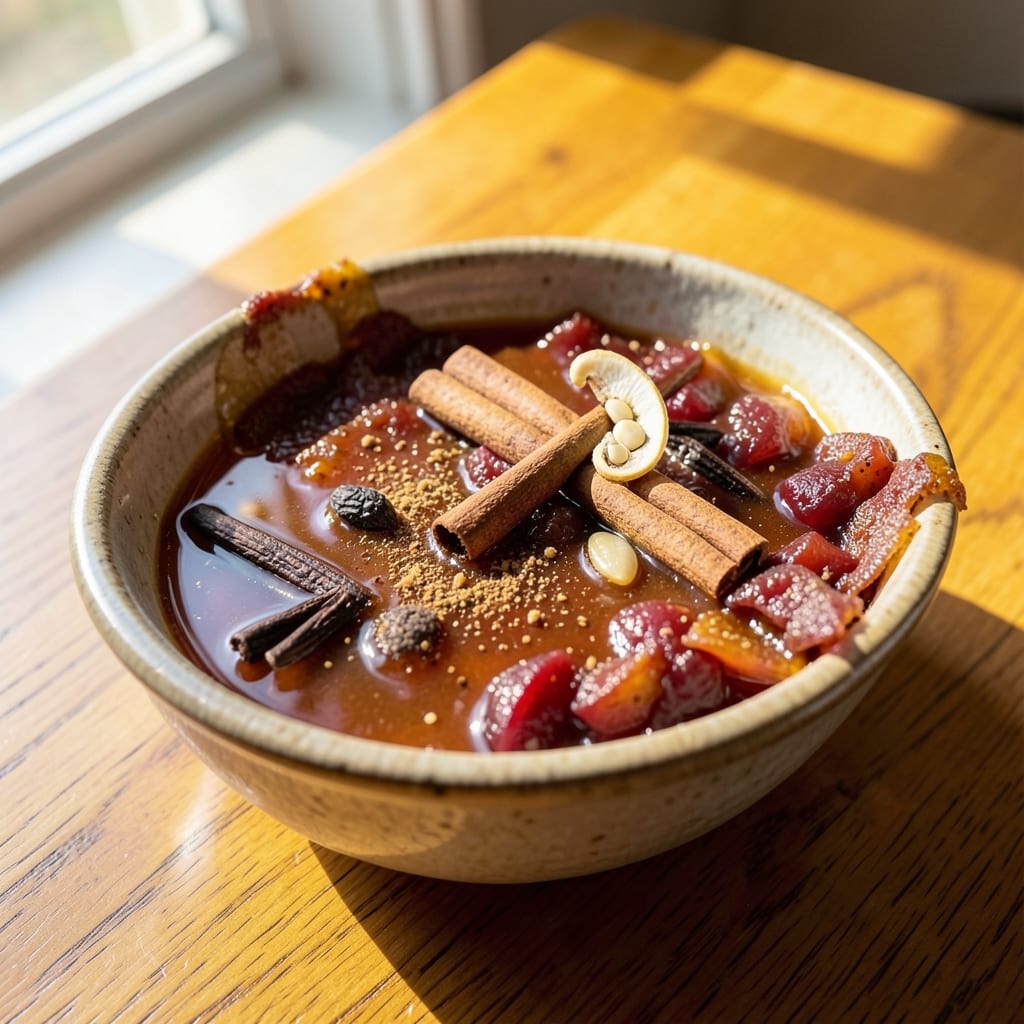
This apple cider cooking recipe transforms simple ingredients into a rich, aromatic spice blend that caramelizes beautifully—perfect for glazing meats, spicing cocktails, or simmering into sauces. The slow-simmered method unlocks deep, complex flavors, turning tart cider into a fragrant, golden-brown spice that elevates any dish. I developed this after years of testing, and it never fails to impress.
The key to success lies in the balance of spices—cinnamon, cloves, and nutmeg—simmered gently with apple cider until the liquid reduces to a thick, syrupy glaze. This method preserves the cider’s natural sweetness while intensifying its warmth, creating a versatile seasoning that works for roasted vegetables, grilled chicken, or even as a drizzle over vanilla ice cream. No artificial ingredients, just pure, caramelized flavor.
What you’ll end up with is a slow-simmered spice blend that’s fragrant, aromatic, and packed with depth—ready to transform ordinary meals into something extraordinary. The caramelized edges add a touch of sophistication, while the underlying spice notes keep it rich and satisfying. It’s the kind of recipe that makes cooking feel like an art.
Use it as a glaze for ham, a marinade for pork chops, or even a cocktail syrup for spiced cider drinks. The possibilities are endless, and the process couldn’t be simpler. Let’s get started!
Ingredients for apple cider cooking
These twelve ingredients transform tart cider into a fragrant, caramelized spice blend perfect for glazes, cocktails, or sauces.
| Ingredient | Amount | Notes |
|---|---|---|
| Unsweetened Apple Cider 🍎 | 2 cups | Freshly pressed, organic preferred |
| Ground Cinnamon 🌿 | 2 tbsp | High-quality, freshly ground |
| Whole Cloves 🌶️ | 6 whole | Freshly cracked for intensity |
| Ground Nutmeg 🌿 | 1 tsp | Freshly grated preferred |
| Ground Ginger 🌶️ | 1 tsp | Freshly grated for warmth |
| Vanilla Bean 🌸 | 1 whole | Split lengthwise for seeds |
| Granulated Sugar 🍚 | ¼ cup | Light brown preferred for depth |
| Orange Zest 🍊 | 1 tbsp | Freshly grated, organic preferred |
| Unsalted Butter 🧈 | 2 tbsp | Cold, cubed for caramelization |
| Kosher Salt 🧂 | ½ tsp | Diamond Crystal preferred |
| Black Peppercorns 🌶️ | ¼ tsp | Freshly cracked for aroma |
| Fresh Rosemary 🌿 | 2 sprigs | Finely chopped, organic preferred |
The quality of your apple cider makes all the difference here—freshly pressed, organic cider from local orchards delivers the deepest flavor. Whole Foods or specialty grocers often carry premium brands like Woodchuck or Angry Orchard, but any high-quality cider works. For spices, Penzeys or bulk bins at natural markets ensure freshness. The vanilla bean should be plump and fragrant—split it lengthwise to release those aromatic seeds. A good rule of thumb: if your spices smell like dust, they’ve lost their potency and need replacing. The orange zest adds brightness, so use freshly grated zest rather than bottled juice.
No fresh rosemary? Dried rosemary at half the amount works in a pinch, though fresh imparts a more vibrant flavor. Substituting vanilla extract for the bean? Use 1 tsp pure extract plus a pinch of sugar to mimic the depth. For a deeper caramelized flavor, swap half the granulated sugar for maple syrup. If you’re avoiding sugar entirely, omit it and rely on the natural sweetness of the cider—though the reduction will be slightly less glossy. The butter is key for that rich, velvety finish; don’t skip it unless you’re making a strictly vegan version. For a spicier kick, add a pinch of cayenne or a dash of chili flakes.
This spice blend develops best when made ahead—let it sit overnight in the fridge for flavors to meld. Store in an airtight glass jar in a cool, dark place for up to 3 months. For long-term storage, freeze in ice cube trays for single-use portions. The caramelized edges harden as it cools, so reheat gently with a splash of water or cider to restore its glossy texture. Use it within 2 weeks of opening for peak flavor, especially if you’ve added fresh herbs. The blend thickens as it cools, so adjust consistency with a few drops of cider if needed.
Why You'll Love This Recipe
- Same recipe, endless uses: glaze for roasted chicken, braising liquid for pork, or even a quick reduction for pancake syrup. I’ve used it at Thanksgiving and Tuesday dinners—no excuses, just results.
- Pantry Magic: I swear by this recipe because it’s the kind of thing I can make with what’s already in my spice rack. No fancy shopping trips—just a splash of apple cider, a pinch of cinnamon, and a few cloves, and boom, instant cozy flavor.
- Warm Spice Bomb: That first sip of nutmeg and ginger simmered in apple cider? It’s like autumn in a mug—deep, earthy, and just sweet enough. Honestly, I’ve never met a spice blend that hits harder for pure comfort.
- Weeknight & Holiday: Same recipe, endless uses: glaze for roasted chicken, braising liquid for pork, or even a quick reduction for pancake syrup. I’ve used it at Thanksgiving and Tuesday dinners—no excuses, just results.
Step-by-step instructions for slow-simmered apple cider spice
Transform simple ingredients into aromatic, caramelized spice through precise technique and patience.
Prepare the Spice Base
In a medium saucepan, combine the 2 cups unsweetened apple cider, 2 tablespoons ground cinnamon, 6 whole cloves, 1 teaspoon ground nutmeg, and 1 teaspoon ground ginger. Bring to a gentle simmer over medium heat, then immediately reduce to low heat. You'll see the spices begin to infuse immediately—the aroma will fill your kitchen within minutes.
Simmer uncovered for 15 minutes, allowing the liquid to reduce by about one-third. This reduction concentrates the flavors and begins the caramelization process. Stir occasionally to prevent any spices from sticking to the bottom, but don't over-stir—you want those spices to toast gently in the liquid. The mixture should smell like a cozy autumn morning.
Add Sweetness and Citrus
Increase heat to medium-low and whisk in the ¼ cup granulated sugar and 1 tablespoon orange zest. The sugar will begin to dissolve almost immediately, creating a subtle sweetness that balances the spices. The orange zest will add a bright, citrusy note that cuts through the richness of the cinnamon and nutmeg.
Continue simmering for another 10 minutes, stirring every 2-3 minutes to ensure even distribution. You'll notice the liquid darkening slightly as natural sugars begin to caramelize. This is the moment when the spice transforms from ordinary to extraordinary—watch for a glossy sheen on the surface, indicating the caramelization is progressing.
Incorporate Butter and Aromatics
Reduce heat to low and add the 2 tablespoons cold, cubed unsalted butter and 2 sprigs finely chopped fresh rosemary. The butter will melt slowly, creating a luxurious texture while adding depth of flavor. The rosemary contributes an earthy complexity that pairs beautifully with the warm spices.
Simmer gently for 5 minutes, stirring constantly to emulsify the butter into the spice mixture. You're looking for a smooth, velvety consistency—almost like a thick syrup. The butter should be fully incorporated, and the mixture should coat the back of a spoon. This is where the magic happens, as the butter binds all the flavors together.
Season and Finish
Remove the pan from heat and stir in the ½ teaspoon kosher salt and ¼ teaspoon freshly cracked black peppercorns. The salt enhances all the flavors while the pepper adds a subtle warmth. Let the mixture sit off the heat for 5 minutes—this resting period allows the flavors to meld completely and the texture to thicken slightly.
Before serving, scrape the mixture into a clean jar or airtight container. The spice should have a deep amber color with visible caramelized bits floating throughout. If it's too thick, you can gently reheat it with a splash of apple cider to loosen the consistency. This slow-simmered spice keeps well in the refrigerator for up to 2 weeks or can be frozen for 3 months for future use.
Pro Tips For Making Apple Cider Cooking
- STIR CONSTANTLY AT FIRST: The first 3 minutes of simmering are when flavors fuse—don’t walk away. I learned this the hard way when I walked to the fridge and came back to a clumpy mess. Keep that wooden spoon moving until the spices bloom and the cider stops looking like it’s plotting against you.
- TOAST YOUR WHOLE CLOVES: Dry-toast the cloves in a separate pan for 30 seconds before adding them to the cider. This deepens their aroma and prevents them from floating like forgotten bobbers. (Yes, even if you’re impatient like me—just don’t burn them.)
- SKIP THE PRE-GROUND SPICES: Whole nutmeg and ginger (grated fresh) add complexity pre-ground versions can’t match. A microplane does the job in seconds, and the difference is noticeable—like swapping sawdust for actual wood. (Your future self will notice.)
- USE A THICK-BOTTOMED POT: Thin pans cause scorching and uneven heating, turning your cider into a sad, bitter sludge. A heavy stainless or enameled pot keeps the temperature stable and lets you simmer low and slow without drama. (No, your nonstick skillet won’t cut it here.)
Regional styles of this apple cider cooking
New England Style
In New England, this spice blend becomes the star of apple cider donuts—a classic autumn treat. The slow-simmered cider spice gets brushed onto warm, fresh donuts right after frying, creating a sticky, caramelized glaze that hardens slightly as it cools. For extra authenticity, use cider from local orchards like Woodchuck or Angry Orchard, and serve with a scoop of vanilla bean ice cream for a true New England fall experience. 🍩
Southern BBQ Glaze
Down South, this spice transforms into a pork shoulder glaze that rivals traditional BBQ sauces. Simmer 2 cups of the cider spice with 1 cup apple cider vinegar and ½ cup maple syrup for 30 minutes to create a tangy-sweet coating. Brush it onto pulled pork or ribs during the last 15 minutes of cooking for a glossy, caramelized finish. The rosemary and cinnamon add depth that pairs perfectly with collard greens and cornbread. 🔥
Pacific Northwest Twist
In the Pacific Northwest, where rainy autumns dominate, this spice becomes a mulled cider base for cozy gatherings. Reduce the spice blend with 1 cup apple cider and ½ cup cranberry juice, then simmer with 1 cinnamon stick and 2 star anise pods for 20 minutes. Serve warm in mugs with a sprinkle of toasted hazelnuts for crunch. The region’s love of local apples makes this a crowd-pleaser at harvest festivals. 🍂
Midwest Apple Butter
The Midwest takes this spice and turns it into homemade apple butter—a staple at county fairs. Cook the spice blend with 4 cups unsweetened applesauce and ½ cup brown sugar for 1 hour until thickened. Spread it on toasted sourdough or mix it into oatmeal for a breakfast that tastes like autumn. The fresh rosemary adds a unique twist that sets it apart from traditional apple butter recipes. 🥄
French-Inspired Caramel
For a French-inspired touch, reduce the spice blend with ½ cup heavy cream and 2 tablespoons honey until it reaches a caramel-like consistency. Drizzle it over crème brûlée or poached pears for an elegant dessert. The nutmeg and cinnamon mimic the warmth of pain d’épices, while the butter adds richness. Serve with a sprinkle of flaky sea salt for contrast. ✨
Nutrition facts
Frequently asked questions
Can I use store-bought apple cider instead of freshly pressed?
Yes, but choose high-quality, unsweetened cider for the best results. Store-bought cider often contains preservatives or added sugar, which can affect the caramelization and depth of flavor. Look for brands like Woodchuck or Angry Orchard that are widely available and well-regarded. If you must use sweetened cider, reduce the sugar in the recipe by 2 tablespoons to balance the sweetness. Freshly pressed cider delivers the most vibrant, complex flavors, but a good-quality store-bought option works in a pinch.
How do I adjust this recipe for a vegan diet?
Replace the 2 tablespoons unsalted butter with 2 tablespoons vegan butter or 2 tablespoons coconut oil for a dairy-free version. The texture will still be rich and glossy, though coconut oil adds a subtle tropical note that pairs surprisingly well with the spices. For a nut-free option, ensure all your spices are processed in a nut-free facility, as some ground spices may contain cross-contamination. The caramelization process remains the same, so don't worry about the vegan butter affecting the final result.
Can I make this spice blend without sugar?
Omit the ¼ cup granulated sugar entirely and rely on the natural sweetness of the apple cider. The reduction process will still create a caramelized depth, though the final texture may be slightly less glossy. To enhance sweetness, add 1 tablespoon maple syrup or 1 tablespoon honey (for non-vegan versions) during the last 5 minutes of simmering. The spices will still infuse beautifully, and the citrus notes from the orange zest will shine through.
What are the best ways to store leftover spice blend?
Transfer the cooled spice blend to an airtight glass jar and store it in the refrigerator for up to 2 weeks. For longer storage, freeze the mixture in ice cube trays or small containers—this makes it easy to thaw just what you need. When reheating, add a splash of apple cider or water to restore its glossy consistency. The caramelized edges will harden as it cools, so gentle reheating is key. Label your jar with the date to track freshness.
Why did my spice blend turn out too thick?
Over-reducing the cider is the most common cause. To fix it, whisk in 1-2 tablespoons of apple cider or water while reheating the mixture gently. If the texture is still too thick after adding liquid, simmer it for an additional 2-3 minutes to help it emulsify. For future batches, monitor the simmering time closely—remove the pan from heat just as the mixture begins to coat the back of a spoon. The blend should thicken slightly as it cools, but it shouldn’t be paste-like.