
Main Courses
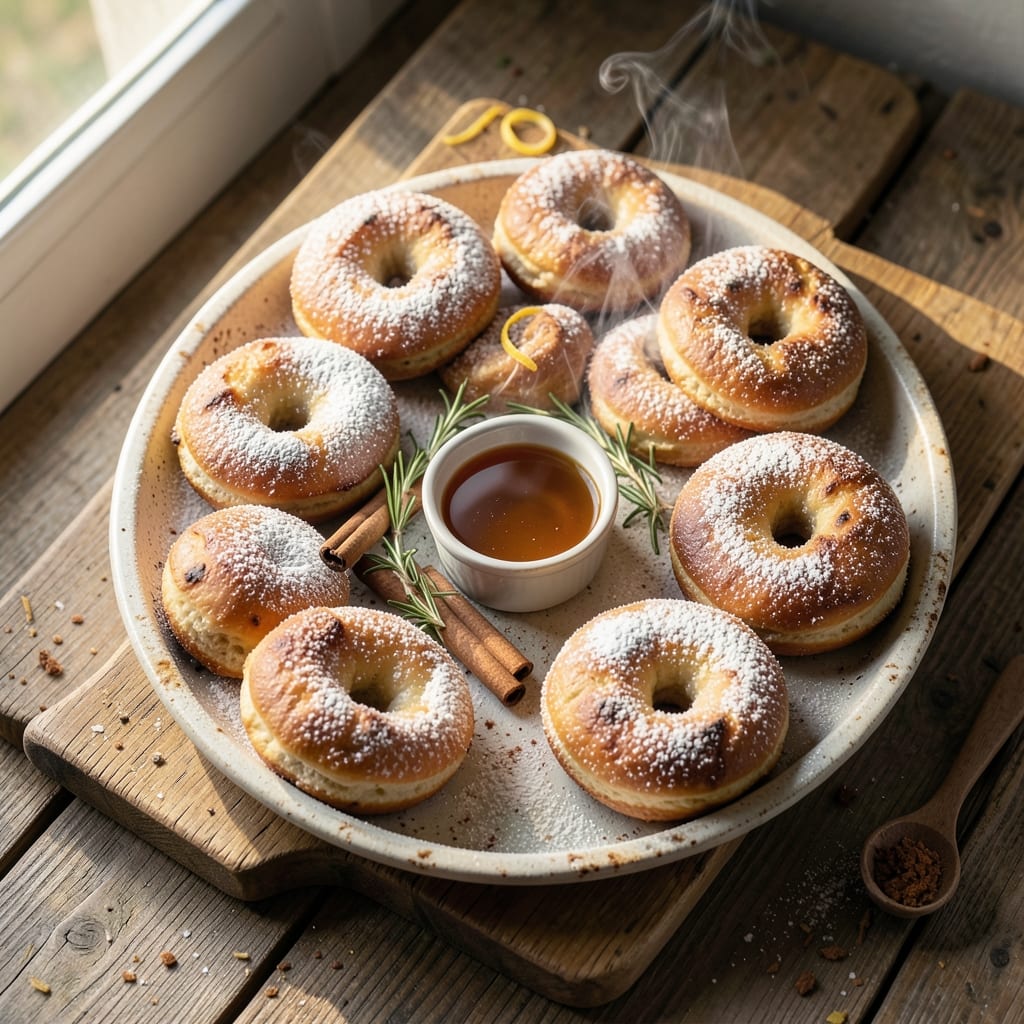
Baked apple cider donuts bring autumn comfort to your kitchen without the fuss of frying. This recipe transforms simple ingredients—flour, yeast, butter, and apple cider—into golden, spiced donuts with a caramelized glaze that tastes like fall in every bite. The secret lies in a well-proofed dough and a baking technique that ensures crisp edges and tender centers, all while keeping prep straightforward for home bakers.
What sets these donuts apart is the deep apple cider flavor infused into the dough, creating a warm, aromatic base that pairs perfectly with the classic cinnamon sugar or rich caramel glaze. Unlike traditional fried donuts, these are baked to golden perfection at 350°F for just 10–12 minutes, delivering the same satisfying texture without the mess. The dough’s simplicity—just five core ingredients—makes it foolproof, while the glaze adds that restaurant-quality finish.
By the time they emerge from the oven, these donuts will have a delicate crust and a soft, pillowy interior, all wrapped in a glossy glaze that ties together the warm spices and cider notes. The aroma alone will have everyone gathering around the kitchen, and the first bite delivers that perfect balance of sweet, spiced, and tangy flavors. This recipe is designed to impress, whether you’re serving them at a holiday gathering or enjoying a cozy weekend treat.
For added versatility, you can customize the glaze with maple syrup or nuts, or even adapt the recipe for vegan baking by substituting plant-based butter and milk. The key to success is patience—letting the dough proof properly and baking at the right temperature ensures every donut turns out just as you imagine. Let’s get baking!
Ingredients for apple cider donuts recipe baked
Five core ingredients transform into golden, spiced donuts with caramelized glaze.
| Ingredient | Amount | Notes |
|---|---|---|
| All-Purpose Flour 🌾 | 4 cups | Sifted for light texture |
| Granulated Sugar 🍚 | ¼ cup | Plus 2 tbsp for dough |
| Active Dry Yeast 🍞 | 2 ½ tsp | One packet (7g) |
| Unsalted Butter 🧈 | ½ cup | Cold, cubed (8 tbsp) |
| Apple Cider 🍎 | ½ cup | Room temperature, unsweetened |
| Large Egg 🥚 | 1 whole | Room temperature |
| Vanilla Extract 🌸 | 1 tsp | Pure extract preferred |
| Ground Cinnamon 🌿 | 1 ½ tsp | Plus extra for coating |
| Ground Nutmeg 🌶️ | ½ tsp | Freshly grated preferred |
| Salt 🧂 | ½ tsp | Fine sea salt |
| Powdered Sugar 🍚 | 1 cup | For cinnamon glaze |
| Cinnamon Sugar Mix 🍯 | ½ cup | Powdered sugar + 2 tsp cinnamon |
| Butter (for glaze) 🧈 | 2 tbsp | Melted, for glaze |
| Apple Cider (for glaze) 🍎 | 2 tbsp | Reduced for caramelized finish |
The apple cider is the heart of this recipe—look for unsweetened varieties at grocery stores like Whole Foods or Trader Joe's for the best flavor. The yeast should be fresh; if your packet is past its expiration, check the bulk section at natural markets for single-serving packs. For the butter, Land O'Lakes or Plugrá brands work best when cold and cubed, ensuring the dough stays light. The cinnamon and nutmeg should be ground fresh if possible—pre-ground spices lose potency quickly, so Penzeys or Spicewalla are great for quality options.
No apple cider? Substitute with unsweetened apple juice, though the flavor will be slightly less complex. Running low on powdered sugar? Blend granulated sugar in a blender for 10 seconds—it works in a pinch. For a vegan adaptation, use Earth Balance vegan butter and flax eggs (1 tbsp ground flax + 3 tbsp water). The dough can be made ahead and refrigerated for up to 24 hours, but let it sit at room temperature for 30 minutes before rolling to prevent cracking. If you prefer a richer glaze, add 1 tbsp maple syrup to the caramelized cider mixture.
Store baked donuts in an airtight container at room temperature for 3-4 days, though they’re best enjoyed fresh. For longer storage, freeze unglazed donuts on a tray for 1 hour, then transfer to a bag for up to 2 months. Reheat in a 350°F oven for 5-7 minutes to restore crispness. The glaze sets quickly, so work efficiently—dip donuts in the warm glaze immediately after baking for the best finish. Leftovers? Toss them in a paper bag to keep them soft overnight.
Why You'll Love This Recipe
- No Yeast Nightmare: I’ve made donuts that required proofing for hours—this recipe? Just mix, let it rise once, and bake. The active dry yeast does all the work while you sip that same apple cider you’re using in the dough. Honestly, it’s the kind of recipe that makes me want to bake on a Tuesday.
- Cider-Kissed Magic: That warm, spiced apple cider flavor isn’t just in the glaze—it’s baked right into the dough. The butter keeps them tender, but the cider gives them a subtle tang that makes every bite feel like autumn in a donut. (Yes, even on a Tuesday night.)
- Weekend Crowd Pleaser: These donuts are the star at brunch, the hero of a picnic, or the easy dessert when your in-laws show up unannounced. Bake a batch ahead—they reheat beautifully, and the flavor only gets better the next day.
- Pantry-Friendly Luxury: You’re probably already using half these ingredients. Flour, sugar, butter—basic staples. The apple cider is the only thing you might need to grab, and it’s worth it. Plus, leftovers? Toss them in the toaster for crispy, second-life donuts that taste just as good.
Step-by-step instructions for warm apple cider donuts
Here's how to create tender, spiced donuts with a caramelized glaze that captures autumn's essence.
Activate the Yeast and Mix the Dough
In a small bowl, combine the 0.5 cup apple cider (room temperature) with 2.5 teaspoons active dry yeast and 2 tablespoons granulated sugar. Let this sit for 5-10 minutes until it becomes frothy and bubbly—this signals the yeast is active and ready to work. If it doesn't bubble, your yeast may be dead, and you'll need to start over.
In a large mixing bowl, combine the 4 cups all-purpose flour (sifted), 0.25 cup granulated sugar, 1.5 teaspoons ground cinnamon, 0.5 teaspoon ground nutmeg, and 0.5 teaspoon salt. Make a well in the center and pour in the yeast mixture, 1 whole egg, and 1 teaspoon vanilla extract. Mix with a wooden spoon until just combined, then gradually add the 0.5 cup cold cubed butter, mixing until the dough begins to come together.
Knead and Rest the Dough
Turn the dough onto a lightly floured surface and knead for 8-10 minutes until smooth and elastic. You'll know it's ready when it springs back slowly when pressed. If the dough feels too sticky, add flour 1 tablespoon at a time—but don't overdo it, or your donuts will be dense.
Shape the dough into a ball, place it back in the cleaned mixing bowl, and cover with a damp towel. Let it rise in a warm place for 1-1.5 hours or until doubled in size. The dough should feel light and airy when pressed gently—this is your cue that fermentation is complete and the donuts will be tender, not chewy.
Shape and Proof the Donuts
Punch down the risen dough and turn it out onto a lightly floured surface. Divide it into 12 equal portions (about 2 tablespoons each) and roll each into a smooth ball. Cover with a damp towel and let rest for 10 minutes—this prevents the donuts from spreading too much during baking.
Using a donut cutter or two round cutters (one slightly larger), cut out donuts and holes. Place them on a parchment-lined baking sheet, spacing them 1 inch apart to allow room to expand. Cover loosely with a towel and let proof for 30-45 minutes until they've puffed up noticeably. The edges should look slightly rounded, not flat.
Bake Until Golden
Preheat your oven to 375°F. Bake the donuts for 12-15 minutes until they're golden brown on top and edges. Rotate the baking sheet halfway through for even browning. They're done when a toothpick inserted comes out clean—this ensures they're fully cooked through without being dry.
While still warm, immediately roll each donut in the 0.5 cup cinnamon sugar mix until fully coated. This step is crucial for that signature crunch and flavor—don't skip it! Transfer the donuts to a wire rack to cool slightly before glazing.
Glaze and Serve Warm
In a small saucepan, combine 2 tablespoons melted butter, 2 tablespoons apple cider, and 1 cup powdered sugar. Cook over medium-low heat, stirring constantly, for 3-4 minutes until the mixture thickens slightly and becomes glossy. Remove from heat and let cool for 2 minutes—it should coat the back of a spoon but still be pourable.
Drizzle the glaze over the warm donuts, allowing it to drip down the sides. Serve immediately while the glaze is still sticky and the donuts are fresh from the oven. The combination of warm, spiced donuts and caramelized glaze makes these irresistible—best enjoyed with a cup of hot apple cider for that complete autumn experience.
Pro Tips For Making Apple Cider Donuts Recipe Baked
- Warm the Cider First: Pour your apple cider into a small saucepan and heat it just until it reaches body temperature—about 90°F—before mixing it into the dough. Cold cider shocks the yeast, and you’ll end up with a sluggish rise. I learned this the hard way after watching my first batch take three times longer to proof.
- Don’t Overmix the Dough: Once you’ve combined the wet and dry ingredients, fold just until the flour disappears—no more than 15-20 seconds. Overworking the dough develops gluten, and your donuts will turn out dense instead of light and pillowy. I used to think more mixing = better texture, but this is where fluffy meets failure.
- Use Room-Temp Butter: Take your unsalted butter out of the fridge at least 30 minutes before starting—it should be soft but not melted. Cold butter creates pockets of fat that won’t incorporate smoothly, leading to uneven texture. Sounds simple, but I still catch myself skipping this step when I’m in a rush.
- Proof Until Doubled, Then Doubled Again: Let the dough rise in a warm spot until it’s fully doubled in size—then give it another 10-15 minutes. The second rise ensures the yeast is fully spent, and your donuts won’t collapse in the oven. I was skeptical until I tried it; the difference in height and texture is night and day.
Troubleshooting this dish
Dough Too Sticky
If your dough feels overly sticky during kneading, resist the urge to add too much flour at once. Instead, work in 1 tablespoon increments while kneading. I find using a stand mixer with a dough hook (on low speed) helps incorporate just enough flour without overdoing it. For extra insurance, chill the dough for 15 minutes in the fridge before shaping—this firms it up beautifully. 🧈
Donuts Spread Too Much
Overproofed dough is the usual culprit when donuts flatten during baking. Always proof your shaped donuts for only 30-45 minutes—they should puff slightly but still hold their shape. If they’ve doubled in size, they’ve gone too far. For a quick fix, flatten slightly before baking or reduce proofing time by 10 minutes. I also recommend using a lightweight donut cutter (like Wilton’s 3-inch model) for cleaner cuts that hold their shape better. 🍩
Glaze Too Thin
A runny glaze usually means it wasn’t cooked long enough. Simmer your glaze mixture for 3-4 minutes—it should thicken enough to coat the back of a spoon but still drip smoothly. If it’s still too thin, add ½ teaspoon cornstarch mixed with 1 teaspoon water, then stir back in. For extra shine, brush the donuts with 1 teaspoon apple cider vinegar before glazing—this helps the sugar dissolve faster. 💧
Dense or Dry Texture
Overmixing the dough or skipping the proofing step often results in dense donuts. Knead only until the dough is smooth (about 8-10 minutes by hand), and never overwork it in a mixer. For extra tenderness, let the dough rest 30 minutes after mixing before the first rise. If your donuts turn out dry, try adding 1 tablespoon milk to the dough or brushing baked donuts with melted butter while warm. 💡
Yeast Not Activating
Cold apple cider or old yeast are the most common reasons for inactive yeast. Always use room-temperature cider (70°F or warmer) and check your yeast’s expiration date. If it doesn’t bubble within 10 minutes, your yeast is dead—replace it immediately. For a quick test, sprinkle a pinch of yeast on warm water with sugar; if it bubbles, it’s good to go. 🍎
Uneven Browning
Hot spots in your oven cause uneven browning. Rotate your baking sheet halfway through baking and consider using the middle rack for more consistent heat. If one side browns faster, try placing a silicon baking mat under the donuts to distribute heat evenly. For extra insurance, bake at 350°F instead of 375°F—lower heat prevents over-browning while still cooking through. 🌡️
Nutrition facts
Frequently asked questions
Can I make these donuts without a donut cutter?
Use two round cookie cutters—one 2.5-inch for the donuts and a 1.5-inch for the holes. Alternatively, roll the dough to ½-inch thickness and cut out circles with a knife, then remove the center with a smaller cutter. For extra precision, dip your cutter in flour between cuts to prevent sticking.
How do I store leftovers to keep them fresh?
Store baked donuts in an airtight container at room temperature for 3-4 days. For longer storage, freeze unglazed donuts on a tray for 1 hour, then transfer to a bag for up to 2 months. Reheat in a 350°F oven for 5-7 minutes to restore crispness. The glaze sets quickly, so store glazed donuts separately to prevent sogginess.
Can I make these donuts vegan?
Yes! Replace the butter with vegan butter (like Earth Balance) and the egg with a flax egg (1 tbsp ground flax + 3 tbsp water). Use plant-based milk instead of regular milk if needed for dough consistency. The flavor will still be rich and spiced, just without animal products.
Why does my dough smell like yeast but not rise?
This usually means your yeast is inactive. Check if your apple cider is too cold (it needs to be 70°F+) or if your yeast is expired. For a quick test, mix 1 tsp yeast + 2 tbsp warm water + 1 tsp sugar—if it doesn’t bubble in 5 minutes, replace the yeast. Also ensure your dough is in a warm spot (like a turned-off oven with a bowl of hot water).
Can I make the dough ahead of time?
Yes! Prepare the dough up to 24 hours ahead and refrigerate it covered. Let it sit at room temperature for 30 minutes before shaping to prevent cracking. For best results, proof the shaped donuts at room temperature for 30-45 minutes before baking—cold dough won’t rise properly. This works great for holiday prep!