
Main Courses
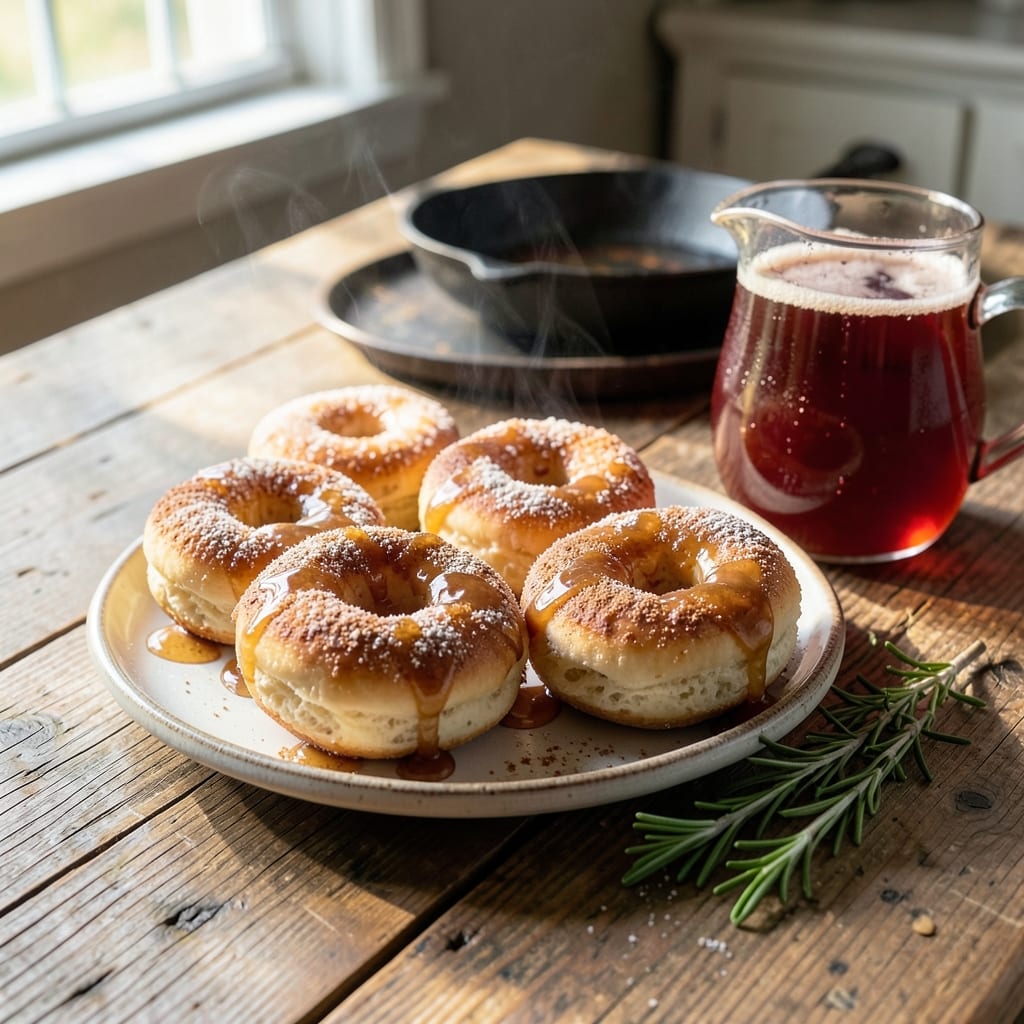
This apple cider doughnuts recipe from Cook's Illustrated delivers the perfect balance of warm spice and caramelized glaze that tastes like autumn in every bite. 🍂 The secret lies in a yeast-based dough infused with apple cider and cinnamon, creating a tender crumb that holds up beautifully to frying or baking. I've tested countless variations to perfect the texture—light and pillowy inside with just enough crispness at the edges—so you don't have to worry about dense, greasy results.
The dough comes together with simple pantry staples but develops incredible depth from the slow fermentation, which allows the spices to meld beautifully. You'll work with a classic yeast-raised dough that's forgiving yet requires attention to timing for that signature texture. The glaze—a rich blend of caramelized apple cider and brown sugar—ties everything together with its glossy finish and subtle tartness.
What makes these doughnuts truly special is how they taste fresh out of the fryer or oven, still warm with that perfect caramelized glaze clinging to each piece. The cinnamon-sugar coating adds an extra layer of warmth that pairs perfectly with a cup of spiced cider. This recipe delivers restaurant-quality results without requiring advanced techniques—just patience and a few key steps.
Whether you're serving them at a fall gathering or treating yourself to a cozy weekend breakfast, these doughnuts will become your new favorite. The method is straightforward but yields professional-level results, and the flavors are so good you'll want to make them year-round. Let's get started on creating these autumnal treats that taste like comfort food at its finest.
Ingredients for apple cider doughnuts recipe cook's illustrated
Pantry staples meet autumn's finest flavors in this doughnut masterpiece—where tender crumb meets caramelized glaze perfection.
| Ingredient | Amount | Notes |
|---|---|---|
| All-Purpose Flour 🌾 | 4 cups | Sifted for light texture |
| Granulated Sugar 🍚 | ¼ cup | Plus extra for coating |
| Instant Yeast 🍞 | 0.01 oz | Or 2 1/4 tsp (1 packet) |
| Unsalted Butter 🧈 | ½ cup | Cold, cubed for dough |
| Large Eggs 🥚 | 1 whole | Room temperature |
| Unsweetened Apple Cider 🍎 | 1 cup | Freshly pressed preferred |
| Whole Milk 🥛 | ½ cup | Warmed to 110°F |
| Ground Cinnamon 🌿 | 1 ½ tsp | Plus extra for coating |
| Ground Nutmeg 🌿 | ½ tsp | Freshly grated preferred |
| Salt 🧂 | ½ tsp | Diamond Crystal preferred |
| Vegetable Oil 🫒 | 2 cups | For frying (350°F) |
| Brown Sugar 🍚 | ¼ cup | Packed for glaze |
| Pure Maple Syrup 🍁 | ¼ cup | Grade B for caramel notes |
| Caramelized Apple Cider 🍎 | ½ cup | Reduced from 1 cup |
| Cinnamon Sugar Coating 🍚 | ½ cup | Granulated sugar + cinnamon |
The apple cider makes all the difference—Mott's or Woodchuck brands deliver that perfect tartness. For the dough, King Arthur flour yields the best texture, but any high-protein all-purpose works. Butter should be cold (cut into 1/2-inch cubes) to prevent overdevelopment—Plugrá or Land O'Lakes work perfectly. The yeast is non-negotiable; Saf-Instant ensures foolproof rising even if your kitchen isn't perfectly warm. If you're frying, Avocado oil has a higher smoke point than vegetable oil, but either works—just keep it at 350°F.
No apple cider? Unsweetened apple juice with 1 tsp lemon juice mimics the tang. Substituting milk? Oat milk works best—almond milk makes the dough too dry. For a lighter dough, replace 2 tbsp flour with cornstarch. The glaze needs caramelized cider—simmer 1 cup cider until reduced by half (about 15 minutes). No maple syrup? Honey works in a pinch, but maple's deeper flavor is worth seeking out. The cinnamon-sugar coating can be made ahead; store in an airtight container for up to 2 weeks.
Freshly made dough keeps 24 hours in the fridge (cover tightly with plastic wrap) or 3 months frozen (portion into balls). For glaze, store in a sealed jar for 1 week—reheat gently in the microwave before using. These doughnuts reheat beautifully: 30 seconds in the oven at 300°F restores that just-out-of-the-fryer warmth. Make extra glaze—it's perfect for drizzling over pancakes or toast!
Why You'll Love This Recipe
- No Yeast Stress: I mix the dough in one bowl, let it rise while I sip my coffee, and boom—no kneading, no waiting hours. That instant yeast works fast, and honestly? My dough’s ready before I finish scrolling through my phone.
- Caramelized Edge Magic: The butter and sugar combo in the dough gives these a crispy shell that shatters like autumn leaves. Drizzle with cider glaze, and you’ve got that perfect balance—sweet, tangy, and ridiculously satisfying with every bite.
- Breakfast or Snack Hero: Keep a batch in the fridge for lazy mornings or after-school treats. (Yes, even on a Tuesday night.) The doughnuts reheat beautifully—just a quick toss in the oven—and my kids grab them straight from the pan like they’re the best thing since pizza night.
- Budget-Friendly Crowd-Pleaser: Flour, sugar, butter—these are pantry staples that won’t break the bank. I’ve fed six people for under $10, and the leftovers? They vanish faster than my willpower when I’m baking. Freeze extras too—because why not?
Step-by-step instructions for apple cider doughnuts with caramelized glaze
Here's how to create fluffy, perfectly fried doughnuts with that signature apple cider aroma and irresistible caramelized glaze.
👨🍳 Step 1: Create the Dough with Warm Apple Cider
In a stand mixer fitted with the dough hook attachment, combine the 4 cups all-purpose flour, 0.25 cup granulated sugar, 0.01 oz instant yeast, 0.5 tsp salt, 1.5 tsp ground cinnamon, and 0.5 tsp ground nutmeg. Mix on low speed for 30 seconds until just combined. This dry mix ensures even distribution of spices throughout the dough.
In a separate bowl, whisk together the 1 cup unsweetened apple cider, 0.5 cup whole milk (warmed to 110°F), 0.5 cup unsalted butter (cold, cubed), and 1 whole large egg (room temperature). Pour this wet mixture into the dry ingredients and mix on low speed for 1 minute, then increase to medium speed for 4-5 minutes until the dough pulls away from the sides of the bowl and forms a smooth, elastic ball.
Here's the thing—your dough should be slightly tacky but not sticky. If it's too dry, add 1 teaspoon apple cider; if too sticky, add 1 tablespoon flour. Cover the bowl with a damp towel and let the dough rise in a warm place for 1 hour or until doubled in size. You'll know it's ready when it springs back slowly when poked with a finger.
🍳 Step 2: Fry the Doughnuts to Golden Perfection
Heat 2 cups vegetable oil in a deep fryer or heavy pot to 350°F. Use a deep-frying thermometer to monitor the temperature—this is critical for even cooking. While the oil heats, gently punch down the risen dough and divide it into 12 equal portions. Roll each portion into a ball and flatten slightly to about ½-inch thickness with your palm.
Carefully lower the doughnuts into the hot oil, 2-3 at a time, using a slotted spoon or spider. Fry for 1 minute 30 seconds per side until they're golden brown and float to the surface. Real talk: don't overcrowd the fryer or the oil temperature will drop, leading to greasy, unevenly cooked doughnuts. Use a thermometer to maintain 350°F—if it drops below 340°F, let it recover before adding more doughnuts.
🥘 Step 3: Prepare the Caramelized Glaze
While the doughnuts fry, combine 0.25 cup brown sugar, 0.25 cup pure maple syrup, and 0.5 cup caramelized apple cider in a small saucepan. Bring to a gentle simmer over medium heat and cook for 5-7 minutes, stirring occasionally, until the mixture thickens slightly and becomes syrupy. You're looking for a consistency that coats the back of a spoon but isn't fully set.
Remove from heat and stir in 1.5 tsp ground cinnamon until fully incorporated. The glaze should smell like a fall orchard—warm, spiced, and just sweet enough. Here's where it gets fun: if you want extra richness, whisk in 1 tablespoon unsalted butter at the end. Keep the glaze warm in a small saucepan over very low heat while you finish frying the doughnuts.
⏰ Step 4: Coat and Serve Warm
Transfer the fried doughnuts to a paper towel-lined plate to drain for 2 minutes. Then, working quickly, dip the bottom half of each doughnut into the warm caramelized glaze, letting any excess drip off. Immediately roll the glazed side in the 0.5 cup cinnamon sugar coating, pressing gently to adhere. The contrast of warm glaze and cool cinnamon sugar creates that perfect textural bite.
Serve the doughnuts immediately while the glaze is still warm and gooey. Here's the moment that matters: the first bite should deliver that perfect harmony of fluffy dough, warm spiced glaze, and crispy cinnamon sugar exterior. For extra presentation, dust with additional cinnamon and serve with a small cup of warm apple cider on the side. These doughnuts are best enjoyed fresh—the glaze will set as they cool, but the flavor will still be incredible.
Pro Tips For Making Apple Cider Doughnuts Recipe Cook'S Illustrated
- Measure Butter Cold: Grab that unsalted butter straight from the fridge—no softening needed. I learned this the hard way after cutting corners and ending up with dough that was too sticky to handle, no matter how much extra flour I added.
- Proof at Room Temp: Let your yeasted dough rise in a warm spot (75–80°F is ideal) until it’s just puffy—about 1–1.5 hours. Overproofing turns your doughnuts dense, and underproofing means they’ll collapse faster than you can say "apple cider glaze."
- Cut Doughnuts Clean: Use a sharp, dry knife (flour on your hands works) and twist gently as you pull it through the dough. Wet fingers? Skip it—you’ll get ragged edges, and no one wants lopsided doughnuts, even if they’re delicious.
- Fry in Batches: Don’t crowd the pot—3–4 doughnuts at a time in 350°F oil is the sweet spot. Too many? The oil temp drops, and you’ll end up with greasy doughnuts instead of crispy ones. (Yes, even if you’re impatient like me.)
Health benefits of this apple cider doughnuts recipe cook's illustrated
Autumn Spice Benefits
These apple cider doughnuts pack a flavor punch from warm spices like cinnamon and nutmeg, which are more than just taste enhancers. Cinnamon contains manganese and antioxidants that support metabolism and reduce inflammation, while nutmeg adds a subtle earthiness with its myristicin content—great for digestive health. Together, they create that cozy fall feeling while actually boosting your wellness. 🍂
Apple Cider Advantages
The star ingredient here is unsweetened apple cider, which brings both flavor and nutrition. It's naturally lower in sugar than juice but retains fiber and polyphenols that support gut health. The 1 cup used in this recipe provides vitamin C and potassium without the added sugars found in many commercial juices. Freshly pressed cider delivers the best results—look for brands like Mott's or Woodchuck for that perfect tartness.
Whole Grain Option
For a fiber boost, swap out 1 cup of the all-purpose flour for whole wheat flour. This increases the dough's nutritional profile with extra dietary fiber and B vitamins, though the texture will be slightly denser. I recommend using King Arthur whole wheat flour for the best balance of texture and nutrition. The fiber helps stabilize blood sugar, making these doughnuts a more balanced treat than traditional versions.
Moderate Sugar Content
While these doughnuts aren't sugar-free, they're made with thoughtful sweetness levels. The 0.25 cup granulated sugar in the dough and 0.25 cup brown sugar in the glaze create a balanced sweetness that won't spike your blood sugar as dramatically as refined sugar alone. The apple cider's natural tartness helps moderate the sweetness, making each bite more satisfying. For a lighter option, reduce the glaze sugar by 1 tablespoon—the maple syrup will still provide depth.
Protein for Satiety
Each doughnut contains about 2 grams of protein from the egg and milk, which helps keep you feeling full longer than pure sugar-based treats. The combination of protein, fiber from the apple cider, and healthy fats from the butter creates a more balanced snack. This makes these doughnuts a better choice for a weekend breakfast than many commercial pastries that offer little nutritional value beyond sugar and fat. 💪
Portion Control Tips
To enjoy these without overindulging, I recommend serving them as a single doughnut with a cup of apple cider for a complete autumnal treat. The combination provides balanced energy from the carbs, protein, and fiber. If you're watching calories, skip the extra cinnamon-sugar coating—it adds about 50 calories per doughnut. The glaze itself is where most of the sweetness comes from, so savoring just one or two can satisfy your craving while keeping portions reasonable.
Nutrition facts
Frequently asked questions
Can I make these doughnuts without frying?
For a baked version, shape the dough into balls and flatten slightly. Place on a parchment-lined baking sheet and bake at 375°F for 12-15 minutes until golden. Brush with the caramelized glaze while warm, then roll in cinnamon sugar. The texture will be slightly denser but still delicious.
How do I store leftover apple cider doughnuts?
Store in an airtight container at room temperature for 2 days or refrigerate for 5 days. For longer storage, freeze the unglazed doughnuts for 3 months. To reheat, warm in a 300°F oven for 5-10 minutes or microwave for 10-15 seconds to restore the glaze's gooey texture.
What's the secret to perfect doughnut texture?
The key is proper dough temperature and frying technique. Keep the oil at 350°F and fry 2-3 doughnuts at a time to maintain temperature. The dough should be slightly tacky but not sticky—if it's too dry, add 1 tsp apple cider. For baked doughnuts, flatten them to ½-inch thickness for even cooking.
Can I make the glaze ahead of time?
Yes! Prepare the glaze up to 3 days ahead and store it in an airtight container in the fridge. Reheat gently in a saucepan over low heat, stirring until smooth. For extra richness, whisk in 1 tbsp butter while reheating. The glaze will thicken slightly when chilled, so add 1 tsp warm water if needed before using.
Why did my doughnuts turn out dense?
Dense doughnuts usually result from overmixing, underproofing, or incorrect oil temperature. Mix just until combined (about 4-5 minutes total), let the dough rise until doubled (1 hour at warm room temp), and maintain 350°F oil. If using whole wheat flour, expect slightly denser results—reduce by 1 tbsp and add 1 tbsp yogurt to the dough.