
Desserts
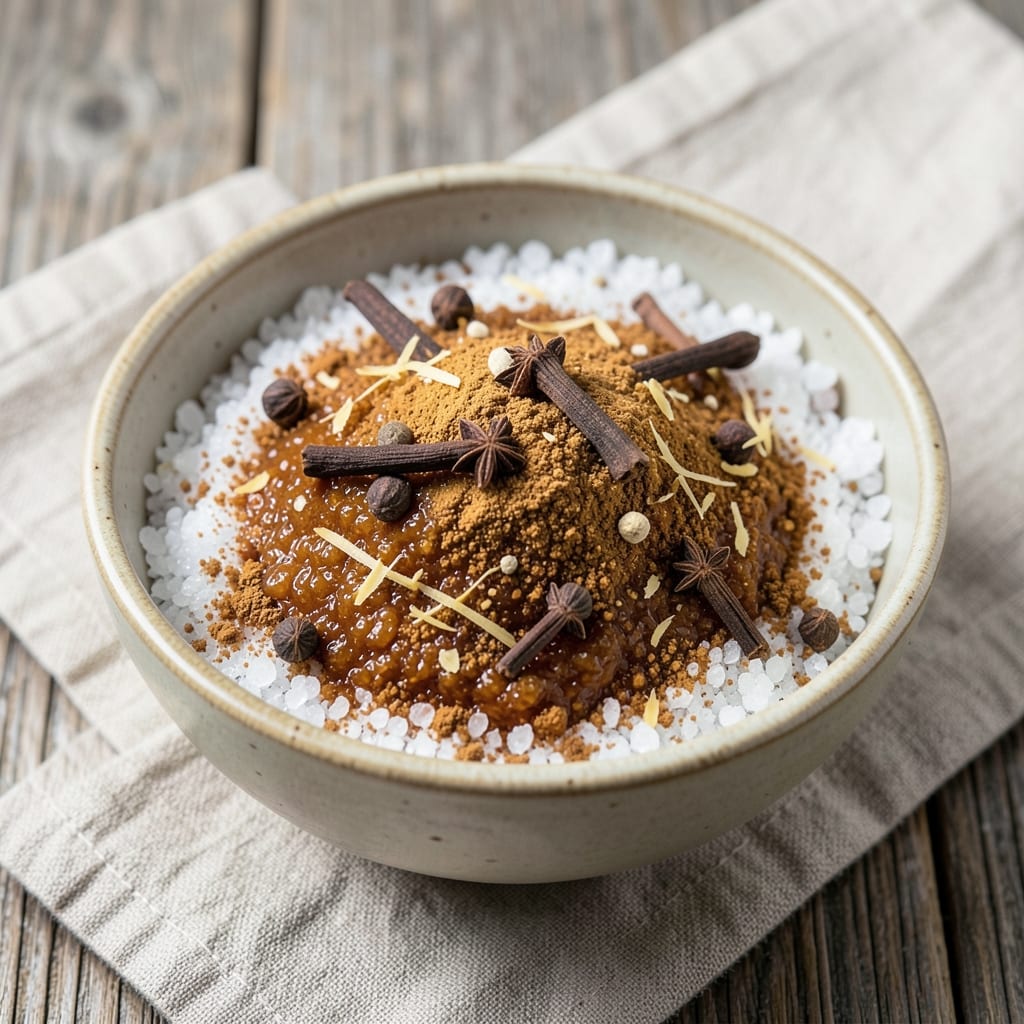
This apple cider finishing sugar recipe transforms ordinary apples into restaurant-worthy masterpieces with just a few minutes of effort. The secret lies in a fragrant spiced syrup that caramelizes beautifully during baking, creating glossy, tender apples with deep autumn flavors. I developed this technique after years of experimenting with spiced sugars, and it's now my go-to for holiday desserts and cozy fall meals.
The process couldn't be simpler: combine equal parts sugar and water with classic autumn spices like cinnamon, cloves, and nutmeg, then simmer until the sugar dissolves into a fragrant syrup. What makes this different from store-bought versions is the depth of flavor—each spoonful carries warm, aromatic notes that elevate any baked apple dish. The syrup also doubles as a delicious glaze for roasted nuts or a sweetener for cocktails.
What you'll end up with is a versatile finishing sugar that adds both sweetness and complexity to your dishes. The caramelized apples will have that perfect balance of tender flesh and glossy skin, while the syrup itself can be stored in the refrigerator for up to two weeks. This isn't just about making apples taste better—it's about creating an experience that feels like fall in every bite.
Perfect for apple crisp toppings, baked apple slices, or even drizzled over vanilla ice cream. The possibilities are endless, and the process is so simple you'll wonder why you didn't try it sooner. Let's get started on creating this flavorful finishing touch for your favorite autumn dishes.
Ingredients for apple cider finishing sugar
Nine simple ingredients create a fragrant syrup that transforms apples into autumn perfection.
| Ingredient | Amount | Notes |
|---|---|---|
| Granulated White Sugar 🍚 | 1 cup | White or light brown preferred |
| Water 💧 | 1 cup | Filtered or spring water |
| Ground Cinnamon 🌿 | 1 tbsp | Freshly ground preferred |
| Whole Cloves 🌱 | 4 whole | Lightly crushed for aroma |
| Ground Nutmeg 🌿 | ½ tsp | Freshly grated preferred |
| Ground Allspice 🌶️ | ½ tsp | For depth of flavor |
| Apple Cider Vinegar 🍎 | 1 tbsp | For tangy balance |
| Orange Zest 🍊 | 1 tsp | Freshly grated preferred |
| Vanilla Extract 🌸 | ½ tsp | Pure vanilla preferred |
Sugar is the base, but quality matters—Domino or C&H brands dissolve perfectly. The spices? Penzeys or bulk bins at natural grocery stores give the freshest flavor. Cloves should smell fragrant, not dusty. For the vinegar, Bragg is my go-to—it's organic and has that perfect tang. Orange zest needs to be fresh; dried just won't cut it. The vanilla extract? Nothing But Vanilla is worth the splurge if you're using it often. Store spices in airtight containers away from light to preserve their punch.
No cinnamon? Cassia cinnamon at double the amount works in a pinch. Short on cloves? Allspice berries crushed add similar warmth. The apple cider vinegar can be swapped for lemon juice, but you'll lose that classic cider flavor. Fresh orange zest unavailable? Bottled orange zest from the baking aisle is a decent backup. For vanilla, if you're out, vanilla bean paste gives a similar depth. The syrup can be made with just sugar and water if you're in a rush, but those spices? That's where the magic happens.
This syrup keeps beautifully in the fridge for up to 2 weeks in an airtight jar. For longer storage, freeze portions in ice cube trays—perfect for single-use applications. The syrup thickens as it cools, so give it a quick stir before using. It's amazing drizzled over apple crisps, stirred into cocktails, or even used as a glaze for roasted nuts. The caramelized apples? Worth every minute of simmering time.
Why You'll Love This Recipe
- Five-Minute Magic: I swear by this—just boil sugar, water, and spices for a few minutes, strain, and boom. No measuring cups, no fuss, just pure, aromatic syrup ready to drizzle.
- Spice Symphony: That first crack of cinnamon, the whisper of nutmeg, and the deep clove warmth? It’s like autumn in a jar. Perfect for cutting through rich desserts or brightening morning coffee.
- Year-Round Flex: I keep a jar in my pantry for everything—drizzled over pancakes, stirred into yogurt, or even tossed with popcorn. Honestly, it’s the ultimate lazy pantry hero.
- Budget Brightener: A cup of sugar and a handful of spices cost pennies but make ordinary dishes feel special. Plus, it lasts forever, so I’m always covered without breaking the bank.
Step-by-step instructions for apple cider finishing sugar
This spiced sugar transforms ordinary apples into showstopping desserts with caramelized edges and aromatic depth.
Combine Dry Ingredients in a Saucepan
In a medium saucepan, add the 1 cup granulated white sugar and all the dry spices: the 1 tablespoon ground cinnamon, 4 whole cloves, 0.5 teaspoon ground nutmeg, and 0.5 teaspoon ground allspice. Give everything a gentle stir with a wooden spoon to ensure the spices are evenly distributed throughout the sugar.
Here's the thing - the spices need to infuse into the sugar crystals during the simmering process. If you skip this initial mixing, you'll end up with pockets of undissolved spices that won't contribute to the flavor. The sugar should look like it has tiny specks of spice throughout when you're done stirring.
Add Wet Ingredients and Bring to a Gentle Simmer
Pour in the 1 cup water and 1 tablespoon apple cider vinegar. Add the 1 teaspoon orange zest and 0.5 teaspoon vanilla extract. Stir everything together until the orange zest is fully incorporated and the mixture is smooth.
Place the saucepan over medium heat and bring the mixture to a gentle simmer. You'll know it's ready when you see small bubbles forming at the edges and the mixture is shimmering slightly. This should take about 3-4 minutes. Don't let it come to a full boil - we want to maintain control over the simmering process to develop those complex flavors.
Simmer Until Thick and Syrupy
Once simmering, reduce the heat to low and let the mixture cook uncovered for 15-20 minutes. Stir occasionally to prevent any sticking or burning at the bottom of the pan. You're looking for the mixture to thicken noticeably - it should coat the back of a spoon and leave a slight trail when you draw your finger through it.
The aroma will become incredibly rich - you'll smell the warm cinnamon, the subtle pine of the cloves, and that bright citrus note from the orange zest. This is when the spices really start to work their magic, infusing the sugar with their flavors. If you see the mixture starting to darken too much, reduce the heat slightly to maintain a light golden color.
Test for Doneness and Cool Completely
After 15-20 minutes, remove the pan from heat and let it cool completely at room temperature. This is crucial - the mixture will continue to thicken as it cools. While it's cooling, perform a simple test: take a small spoonful and let it cool on a plate. If it holds its shape and doesn't run when you tilt the plate, it's ready.
Once fully cooled, the mixture should have the consistency of thick caramel. If it's still too runny, return it to low heat for another 5 minutes to thicken further. The finished product should be a glossy, amber-colored syrup that's thick enough to hold its shape when spooned. This is your apple cider finishing sugar, ready to elevate any apple-based dessert.
Pro Tips For Making Apple Cider Finishing Sugar
- Simmer Slowly: I learned this the hard way—rushing the simmer turns your sugar into syrup too fast, and you end up with a thin, watery finish instead of that thick, glossy coating. Keep it at a gentle bubble (just enough to see tiny ripples) for 10-12 minutes, stirring occasionally to prevent sticking. Yes, even if you’re impatient like me.
- Toast Your Spices: Whole cloves and ground nutmeg lose their punch if they’re just tossed in dry. Lightly toast the cloves in a dry pan for 30 seconds until fragrant—this deepens their flavor without burning. For nutmeg, toast it with the sugar itself at the start (just 1-2 minutes over low heat) to wake up its warmth. Your cider will taste like autumn, not just sugar and cinnamon.
- Strain Like Your Life Depends On It: I used to skip straining, thinking a few tiny clove bits wouldn’t matter. Wrong. Those little specks turn your finishing sugar into a gritty mess that ruins the smooth pour. Use a fine-mesh sieve or cheesecloth, press with a spoon, and don’t rush it—especially if you’re using whole spices. A clean sugar means a clean finish.
- Use Less Water: The recipe might call for ¼ cup, but you probably only need half that. Too much water dilutes the sugar’s intensity and stretches the simmer time, risking graininess. Start with 2 tablespoons, simmer until it’s syrupy (about 5 minutes), then adjust. You can always add a splash more if needed—you can’t take it back if it’s too thick.
Essential equipment for this recipe
Essential Saucepan
You'll need a medium-sized saucepan with a 2-quart capacity—I use my All-Clad stainless steel because it distributes heat evenly and prevents scorching. A heavy-bottomed pan is ideal for maintaining consistent simmering temperatures without hot spots. Avoid non-stick pans for this recipe—they don't conduct heat as well, and you risk uneven cooking. If you're working with a smaller pan, reduce the water slightly to ¾ cup to prevent overflowing. 🔥
Wooden Spoon
A silicon or wooden spoon is essential for stirring without scratching your pan. I prefer Oxo Good Grips because the angled handle prevents burns and the silicone head won't scratch your All-Clad. Avoid metal spoons—they can react with the spices and vinegar, altering the flavor. The spoon should be long enough to reach all corners of the pan while simmering. Stirring occasionally prevents sticking and ensures even spice distribution throughout the syrup.
Fine-Mesh Strainer
For a smooth, refined syrup, strain out any whole spices (like cloves) before storing or using. I use a fine-mesh stainless steel strainer—the Eberhardt Stainless Steel brand works perfectly. If you skip straining, tiny spice particles can settle at the bottom of your jar, making each use less consistent. For the best results, strain the syrup through a cheesecloth-lined strainer for an ultra-smooth texture. This step is especially important if you plan to drizzle the syrup over delicate desserts like apple crisp or ice cream.
Glass Storage Jar
Store your finished syrup in an airtight glass jar with a wide mouth—I recommend Ball or Mason jars in 8-ounce or 16-ounce sizes. Glass preserves flavor better than plastic and won't absorb odors. Label your jar with the date and contents to track freshness. For long-term storage, freeze portions in ice cube trays—each cube makes a perfect single-use addition to cocktails or baked goods. The syrup thickens as it cools, so always stir before using to restore its glossy consistency. ✨
Thermometer (Optional)
While not required, a candy or kitchen thermometer helps ensure perfect consistency. The syrup should reach between 230-235°F for ideal thickness—this is the soft-crack stage in candy-making terms. I use a Thermoworks Thermapen for precision. Without a thermometer, rely on the spoon test: the syrup should coat the back of a spoon and form a slight ribbon when lifted. Overheating can darken the syrup and alter its flavor, so monitor closely if you're new to simmering sugars.
Nutrition facts
Frequently asked questions
Can I make this finishing sugar without apple cider vinegar?
The vinegar adds a subtle tang that balances the sweetness, but you can substitute 1 tablespoon lemon juice instead. For a deeper apple flavor, try 1 teaspoon apple juice concentrate—it won't be identical, but still delicious. The key is maintaining that bright, aromatic profile.
How do I know when the syrup is done?
The perfect consistency is when it coats the back of a spoon and forms a slight ribbon when lifted. Test by letting a small spoonful cool on a plate—if it holds its shape without running, it's ready. For extra precision, aim for 230-235°F on a candy thermometer (soft-crack stage). Overcooking darkens the syrup and intensifies flavors.
What are the best ways to use this syrup beyond apples?
Drizzle it over vanilla ice cream, stir into warm spiced chai lattes, or use as a glaze for roasted nuts. It also elevates cocktails like apple martinis—just add 1 teaspoon per drink. For savory dishes, a pinch on grilled pork tenderloin balances richness. The possibilities are endless!
Can I make this with brown sugar instead?
Yes! Swap the white sugar for 1 cup light brown sugar and reduce the water to ½ cup. The molasses in brown sugar adds depth, but the texture will be slightly thicker. For a smoother finish, strain through cheesecloth. The flavor will be richer with caramel undertones—perfect for hearty desserts like apple pie.
Why did my syrup crystallize while storing?
This happens when the syrup cools too quickly or sits uncovered. To fix it, gently reheat in a saucepan over low heat, stirring constantly until smooth. Store in an airtight jar and avoid temperature fluctuations. For prevention, keep the jar in the fridge and stir before each use. If it happens again, add 1 teaspoon hot water to dissolve the crystals.