
Salads
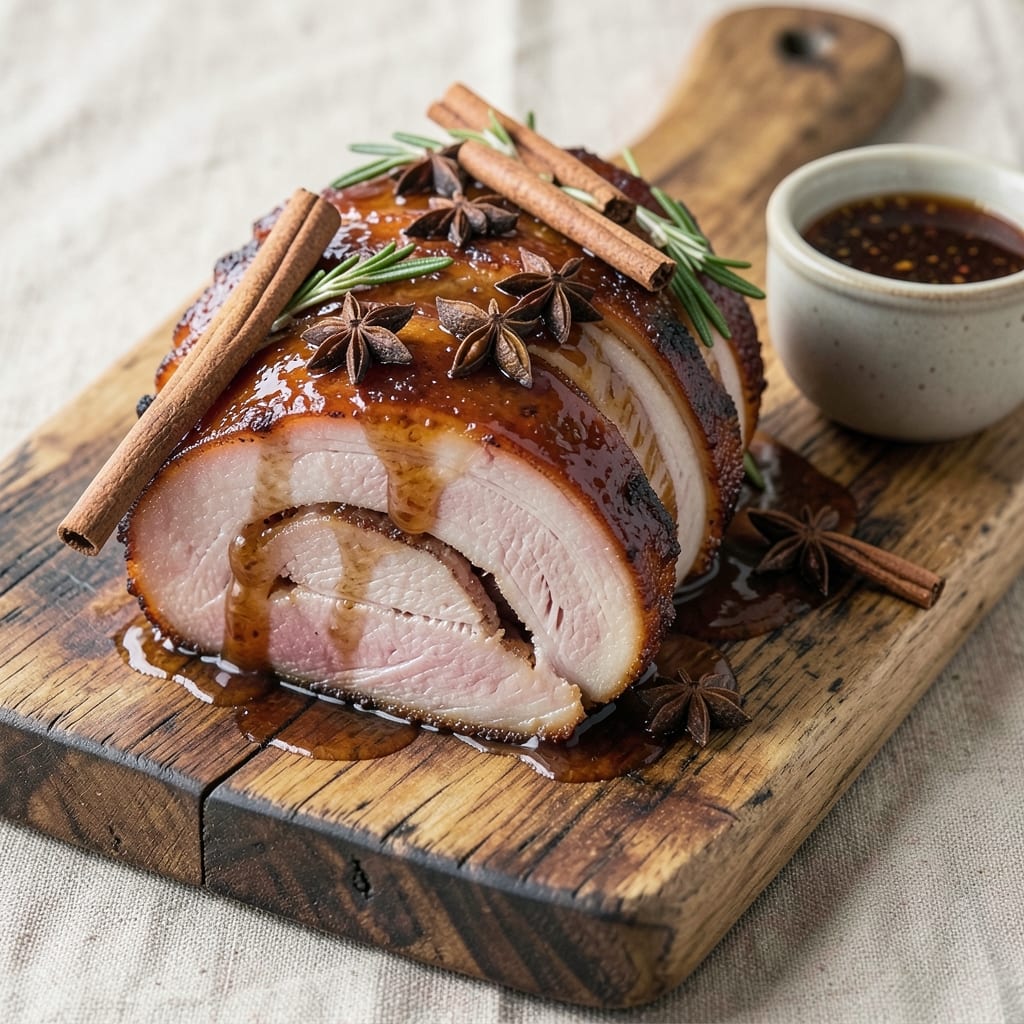
This apple cider glazed ham recipe transforms a holiday centerpiece into a restaurant-worthy masterpiece with just a few simple ingredients. The key lies in balancing sweet apple cider with warm spices and slow roasting, ensuring a perfectly moist ham with a caramelized crust that crackles with every bite. I’ve perfected this method over years of holiday hosting, and it never fails to impress—even skeptical guests.
The process begins with a flavorful brine that infuses the ham with depth, followed by a spiced apple cider glaze that caramelizes beautifully during roasting. Unlike store-bought glazes, this version delivers a perfect harmony of sweetness, tang, and savory notes, with no added sugar overload. The slow-roasting method guarantees a juicy interior while the glaze develops into a glossy, sticky finish that’s impossible to resist.
What sets this recipe apart is its versatility—it works equally well for a classic holiday feast or a cozy weeknight dinner. The glaze can be made ahead, and the ham’s rich flavors pair effortlessly with roasted vegetables, mashed potatoes, or even a simple green salad. With just a few hours of hands-off cooking time, you’ll have a showstopping ham that’s worth every minute of wait.
Whether you’re cooking a spiral-cut ham or a traditional bone-in version, this method ensures a foolproof result. The secret? Patience and precise temperature control to avoid overcooking while achieving that perfect caramelized glaze. Let’s get started on creating a ham that’ll be the star of your table.
Ingredients for apple cider ham
These fifteen ingredients create a restaurant-quality ham with caramelized perfection.
| Ingredient | Amount | Notes |
|---|---|---|
| Bone-In Ham (Spiral-Cut or Traditional) 🐷 | 10 lb | Freshly sourced, center-cut preferred |
| Unsalted Butter 🧈 | ½ cup | Cold, cut into small cubes |
| Apple Cider 🍎 | 2 cups | 100% pure, no additives |
| Brown Sugar 🍚 | 1 cup | Packed, light or dark |
| Pure Maple Syrup 🍁 | ½ cup | Grade A or B |
| Fresh Cinnamon Sticks 🌿 | 4 whole | 2-inch pieces broken off |
| Ground Cinnamon 🌶️ | 1 tbsp | Freshly ground preferred |
| Ground Cloves 🌶️ | ½ tsp | Freshly ground for intensity |
| Ground Nutmeg 🌶️ | ½ tsp | Freshly grated preferred |
| Black Peppercorns 🌶️ | 1 tsp | Freshly cracked |
| Fresh Orange Zest 🍊 | 1 tbsp | From 1 large orange |
| Fresh Orange Juice 🍊 | ½ cup | Freshly squeezed |
| Diamond Crystal Kosher Salt 🧂 | 1 tbsp | For brine |
| Granulated Garlic 🧄 | 1 tsp | Freshly minced preferred |
| Fresh Thyme Sprigs 🌿 | 4 whole | For aroma |
The ham is the centerpiece, so prioritize quality. Spiral-cut hams from Costco or Whole Foods offer convenience, while traditional bone-in hams from local butchers provide superior flavor. Look for hams with good marbling—this ensures moisture during slow roasting. If using a pre-brined ham, skip the salt in the brine recipe. For a spiral-cut ham, 10 pounds is ideal for 8 servings, accounting for leftovers. The butter should be cold and cubed—this prevents premature melting during the roasting process. Store-brand butter works fine, but Plugrá or Land O’Lakes offer consistent quality.
Apple cider selection matters—100% pure, no additives is non-negotiable. Woodchuck or Martin’s brands deliver authentic flavor. Substitute apple juice at a 1:1 ratio if needed, though the depth of flavor will differ. Brown sugar can be swapped for coconut sugar for a lower glycemic option, but the caramelization will vary slightly. Pure maple syrup from Vermont or Canada adds complexity; Grade A is ideal for its balanced sweetness. For spice alternatives, pumpkin pie spice at 1.5 teaspoons covers all bases. Fresh orange zest can be substituted with bottled zest, though fresh is brighter. Fresh thyme is best, but dried thyme at one-third the amount works in a pinch.
The ham glaze can be prepped 24 hours ahead and stored in the fridge—it thickens beautifully overnight. Freshly ground spices lose potency quickly, so store them in airtight containers away from light. Pre-cut ham should be used within 3 days of purchase for optimal texture. Leftovers reheat wonderfully—wrap tightly and warm in the oven at 300°F for 15-20 minutes. The glaze freezes for up to 3 months, making it perfect for holiday prep. Portion into single servings before freezing for easy reheating.
Why You'll Love This Recipe
- One-Pot Magic: I swear by this recipe because it’s hands-off after the initial prep. Just sear the ham, pour in the cider and butter, then let the oven do the work while you stir in the brown sugar and maple syrup at the end—minimal effort, maximum flavor.
- Sweet-Savory Balance: That caramelized brown sugar and maple syrup glaze clings to every spiral cut, while the apple cider keeps it from being too heavy. It’s rich, but not cloying—more like a hug from a bakery than a holiday centerpiece.
- Leftovers for Days: Between us, this ham disappears fast, but the leftovers? Even better. Thin slices on toast with extra maple syrup, cubed in soups, or reheated with a splash of cider—it’s my go-to for lunches all week.
- Budget Holiday Hero: A bone-in ham is cheaper than a pre-glazed one, and the cider and syrup stretch the flavor without breaking the bank. Plus, the glaze makes it feel fancy enough for Thanksgiving, but I make it for Sunday dinners too.
Step-by-step instructions for slow-roasted apple cider glazed ham
This method delivers a perfectly balanced ham with tender meat and a glossy, aromatic glaze.
Prepare the Brine for Maximum Flavor
In a large container or zip-top bag, combine the 10 lb bone-in ham, 1 tablespoon Diamond Crystal kosher salt, and 1 teaspoon granulated garlic. Massage the salt and garlic into the meat, working it into all the crevices and cracks. This step ensures even seasoning and helps tenderize the ham as it brines.
Place the ham in the refrigerator uncovered for 12-24 hours, turning it once halfway through. The salt will draw out moisture, creating a concentrated flavor base. After brining, rinse the ham thoroughly under cold water and pat it completely dry with paper towels—this critical step prevents steam from forming in the oven, which would make the skin soggy instead of crisp.
Create the Spiced Apple Cider Glaze
In a medium saucepan, combine 2 cups apple cider, 1 cup packed brown sugar, 0.5 cup pure maple syrup, 1 tablespoon fresh orange zest, 0.5 cup fresh orange juice, 4 whole fresh cinnamon sticks, 1 tablespoon ground cinnamon, 0.5 teaspoon ground cloves, 0.5 teaspoon ground nutmeg, 1 teaspoon cracked black peppercorns, and 4 whole fresh thyme sprigs. Bring to a boil over medium-high heat, then reduce to a simmer and cook uncovered for 20-25 minutes until the glaze thickens to a syrup-like consistency.
Strain the glaze through a fine-mesh sieve to remove the spices and thyme sprigs, pressing gently on the solids to extract maximum flavor. The finished glaze should coat the back of a spoon and have a vibrant amber color with deep caramel aromas. Taste and adjust sweetness if needed—you want a balance of apple cider's tartness and the maple's richness.
Preheat and Position the Ham
Preheat your oven to 325°F. Place the ham cut-side down in a roasting pan, then add 0.5 cup cold unsalted butter cut into small cubes around the edges. The butter will baste the ham as it roasts, adding moisture and richness. Pour the prepared glaze over the ham, ensuring it coats all surfaces evenly.
Cover the ham loosely with aluminum foil, sealing it tightly to prevent steam from escaping. This indirect cooking method allows the ham to cook slowly and evenly, preventing the exterior from drying out before the interior reaches temperature. Place the pan on the middle rack of your oven for even heat distribution.
Roast Until Internal Temperature Reaches 140°F
Roast the ham for 2 hours and 15 minutes to 2 hours and 30 minutes, depending on the size and whether it's spiral-cut or traditional. The ham is done when the internal temperature (measured in the thickest part of the thigh) reaches 140°F. If the glaze begins to caramelize too quickly before the ham is done, tent the ham with additional foil.
Here's the thing—don't rely solely on time. The ham's size and density vary, so use a meat thermometer for accuracy. The meat should be tender enough to pull apart with a fork but still hold its shape when sliced. If the glaze thickens too much during roasting, add 1-2 tablespoons of hot water to loosen it.
Finish with Crispy Skin and Glossy Glaze
Remove the foil and increase the oven temperature to 425°F. Return the ham to the oven for 15-20 minutes to crisp the skin and thicken the glaze to a glossy finish. Watch closely—the glaze should darken to a deep amber color and bubble slightly. If it starts to burn, reduce the heat to 400°F and continue monitoring.
Once the ham reaches the desired color and the glaze has reduced to a syrupy consistency, remove it from the oven. Transfer the ham to a carving board and let it rest for 15-20 minutes before slicing. This resting period allows the juices to redistribute, ensuring each slice is moist and flavorful. Serve the ham with the pan juices strained and reduced slightly for a perfect gravy.
Pro Tips For Making Apple Cider Ham
- Brown Sugar First: Toss the ham with brown sugar before adding butter and cider—it clings better and caramelizes faster. I used to mix everything at once, and half the sugar would just slide off. A quick shake in a paper bag does the trick.
- Simmer, Don’t Boil: Keep the cider glaze at a gentle simmer, not a rolling boil, or you’ll end up with a watery mess instead of a sticky, rich glaze. After 3 batches of sad, thin syrup, I finally cracked open a thermometer—aim for 180°F (77°C).
- Skip the Rinsing: That pre-packaged ham? Leave it as-is—no rinsing, no peeling. The salt and seasonings on the skin help the butter and cider cling, and you’ll get a deeper, more complex flavor. I learned this the hard way when my first attempt tasted bland and one-dimensional.
- Save the Cider: Strain the cooked cider through a fine-mesh sieve before basting—you’ll catch all the sediment and bits of fruit that turn your glaze gritty. Pour the strained liquid back into the pan, and your final glaze will be silky smooth. (Yes, it’s an extra 30 seconds, but it’s worth it.)
Wine and beer pairings for these flavors
Red Wine Pairings
For this rich, spiced apple cider ham, a dry red wine with enough body to stand up to the sweetness is ideal. I recommend a Cabernet Sauvignon from Napa Valley—its dark fruit notes and subtle oak complement the caramelized glaze beautifully. A Pinot Noir from Oregon also works wonderfully, offering bright acidity that cuts through the maple and brown sugar. Avoid heavy, tannic wines like Malbec, as they’ll clash with the ham’s sweetness. 🍷
White Wine Options
If you prefer white wine, opt for a dry Riesling from Germany or Alsace. The wine’s natural acidity and hints of citrus balance the ham’s sweetness perfectly, while its mineral notes enhance the apple cider flavors. A Chardonnay with subtle oak (like one from Sonoma County) also pairs well, especially if you’ve added extra orange zest to the glaze. Avoid sweet whites—they’ll overpower the dish.
Beer Pairings
A dry, malty ale is my go-to beer pairing for this ham. Try a Belgian Dubbel like Westmalle Dubbel—its caramel and spice notes mirror the glaze’s flavors. For a lighter option, a crisp American Pale Ale (like Allagash White) cleanses the palate between bites. Avoid sweet or overly hoppy beers, as they’ll compete with the ham’s sweetness. A dry stout like Guinness can work if you prefer dark flavors, but it’s not my first choice. 🍺
Non-Alcoholic Pairings
For those skipping alcohol, a sparkling apple cider (like Woodchuck Hard Cider’s non-alcoholic version) is a fantastic match—it echoes the ham’s flavors while adding refreshing fizz. A ginger beer with a squeeze of lime also works well, balancing the sweetness with a zesty kick. For something more substantial, try a dry sparkling wine like Prosecco—its acidity and bubbles make it a sophisticated alternative. 🍎
Nutrition facts
Frequently asked questions
Can I use a pre-cooked ham for this recipe?
Yes, but with adjustments! Pre-cooked hams are typically fully done at 145°F, so skip the brining and reduce roasting time to 1-1.5 hours at 325°F until the glaze caramelizes. The key is monitoring the internal temperature—it should only reach 160°F max to avoid drying. Pre-cooked spiral-cut hams work especially well since they're already tenderized.
How do I adjust the glaze for a smaller ham?
For every 2 pounds less than 10 pounds, reduce the glaze ingredients by 20%. For example, a 6-pound ham would use 1.6 cups apple cider, 0.8 cups brown sugar, and 0.4 cups maple syrup. Keep the spice ratios the same—just scale down the liquids and sweeteners proportionally. The glaze should still coat the ham evenly when poured.
What's the best way to reheat leftover glazed ham?
Wrap the ham tightly in foil and reheat in a 300°F oven for 15-20 minutes until warmed through. For extra moisture, add 2 tablespoons of apple cider or water to the pan and baste occasionally. Never microwave—it makes the glaze rubbery. If the glaze thickens too much, loosen it with a splash of warm water before serving.
Can I make this ham in a slow cooker?
Place the brined ham in the slow cooker with 1 cup of apple cider and cook on LOW for 6-8 hours until the internal temp reaches 140°F. In the last 30 minutes, increase to HIGH and add the glaze. For crispy skin, transfer to a broiler-safe dish and finish under the broiler for 5-7 minutes. The slow cooker method is perfect for hands-off holiday cooking!
Why did my glaze turn out too runny?
This usually happens from one of three issues: undercooking the glaze (simmer longer until thick), too much liquid (reduce apple cider by 2 tablespoons), or high humidity in your kitchen. For quick fixes, simmer the glaze uncovered for 5-10 extra minutes or add 1 tablespoon of cornstarch mixed with water as a slurry. The glaze should coat the back of a spoon when done.