
Sauces & Condiments
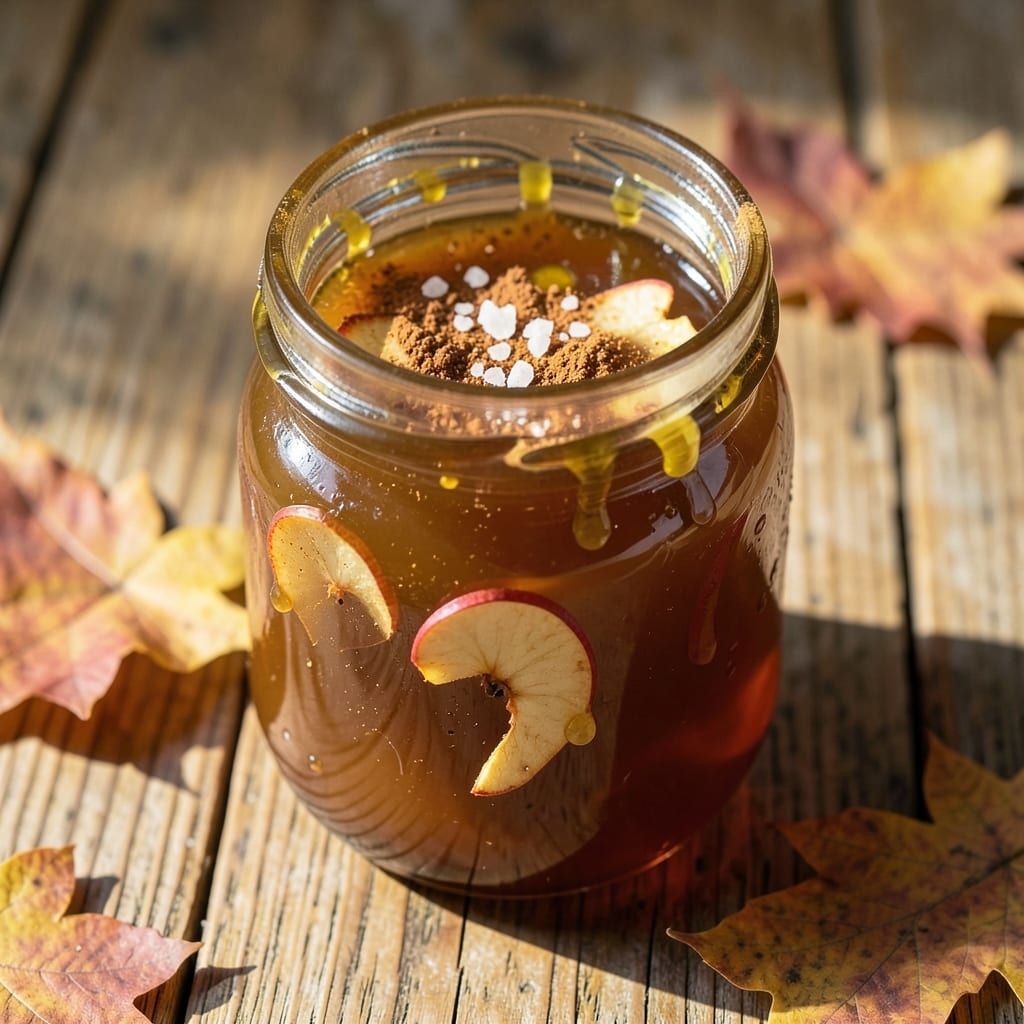
This apple cider jelly recipe no pectin transforms simple ingredients into a velvety, cinnamon-infused spread that rivals store-bought versions—without any gelling agents or sugar crystals. The secret lies in balancing natural fruit pectin, lemon juice, and slow cooking to create a smooth, set jelly with warm autumn flavors. I developed this recipe after years of experimenting with homemade preserves that either turned out too runny or crystallized when cooled.
The process relies on the natural pectin found in apple cider and apple peels, combined with just enough sugar to preserve without overpowering the fruit's depth. A splash of lemon juice provides the acidity needed for proper gel formation, while cinnamon adds that comforting spice that makes this jelly perfect for toast, cheese boards, or even as a glaze for meats. Unlike traditional recipes, this version skips commercial pectin entirely—no need for special equipment beyond a pot and jars.
What you'll end up with is a glossy, amber-colored jelly that's smooth yet vibrant, with a perfect balance of sweetness and spice. The slow simmering process ensures a clean set without sugar crystals, and the aroma alone will transport you to a crisp autumn morning. This recipe makes about four 8-ounce jars, so you'll have plenty to share—or keep for yourself, because it disappears quickly.
Best of all, this jelly stays fresh in the refrigerator for up to three months, making it an ideal homemade gift or pantry staple. The natural ingredients and simplified method prove that you don't need shortcuts to achieve professional-quality results. Ready to make jelly that tastes like fall in every bite?
Ingredients for apple cider jelly recipe no pectin
Seven simple ingredients transform into velvety cinnamon jelly—no pectin, no crystals, just pure autumn flavor.
| Ingredient | Amount | Notes |
|---|---|---|
| Apple Cider 🍎 | 4 cups | Unfiltered for maximum pectin |
| Granulated Sugar 🍚 | 3 cups | Light brown preferred for depth |
| Apple Peels 🍎 | 1 cup | From organic apples, chopped small |
| Fresh Lemon Juice 🍋 | ¼ cup | From 2-3 medium lemons |
| Ground Cinnamon 🌿 | 1 ½ tbsp | Ceylon cinnamon for delicate flavor |
| Pinch of Salt 🧂 | ¼ tsp | Fine sea salt for balance |
| Water 💧 | 1 cup | For thinning if needed |
The apple cider is the star—unfiltered is key for natural pectin. I always grab Mott's or Woodchuck from the store, but any good brand works. For the peels, organic apples are a must—they're cleaner and have more pectin. Red Delicious or Granny Smith work best. If you can't find organic, just peel regular apples and wash them well. The sugar? Light brown adds subtle caramel notes that white sugar can't match. I keep a bag in my pantry for all my preserves—it's worth the extra few cents.
No Ceylon cinnamon? Regular ground cinnamon works fine, but you might want to bump it to 2 tbsp for extra warmth. Short on lemon juice? Bottled lemon juice works in a pinch, but fresh is always better. The jelly can be too thick or too thin depending on your cider—if it's too thick after simmering, add water 1 tbsp at a time. For a deeper flavor, add a cinnamon stick during simmering and remove before jarring. Store-bought jelly mixes often have weird additives, but this is all real ingredients—no shortcuts needed.
This jelly sets beautifully in the fridge—about 24 hours for a perfect gel. It keeps for 3 months in the fridge, or up to 1 year if canned properly. I always make extra because it disappears faster than I can say 'fall morning toast.' For gifting, use 8-ounce mason jars—they're standard and look professional. The aroma alone makes your kitchen smell like a pumpkin patch, so save some for yourself!
Why You'll Love This Recipe
- No Pectin Needed: The magic happens with just apple cider, sugar, and a little patience—no fancy additives required. Simmering those apple peels in the cider until the liquid reduces into a glossy, fragrant syrup? That’s all it takes.
- Cinnamon-Kissed Depth: That whisper of ground cinnamon and bright lemon juice? It turns ordinary jelly into something warmly spiced, like autumn in a jar. Honestly, the first time I tasted it, I thought, "Why didn’t I do this sooner?"
- Breakfast to Dessert: Spread it on toast with butter for a cozy morning, drizzle it over vanilla ice cream for a grown-up treat, or use it as a glaze for roasted pork—this jelly does it all. Between us, my kids beg for it at breakfast, and I don’t blame them.
- Pantry Staple Power: You’re already using what’s in your cupboard—no specialty ingredients, no extra trips to the store. A few jars of apple cider and sugar later, you’ve got a shelf-stable treat that lasts months, saving you money and stress. Not the prettiest, but the taste makes up for it.
Step-by-step instructions for apple cider jelly without pectin
Here's how to transform simple ingredients into a rich, cinnamon-kissed jelly without any sugar crystals.
🍳 Step 1: Extract Flavor and Pectin from Apple Peels
In a medium saucepan, combine the 1 cup Apple Peels with the 4 cups Apple Cider and 1 cup Water. Bring to a boil over medium-high heat, then immediately reduce to a simmer. Let it cook uncovered for 20-25 minutes, stirring occasionally, until the liquid reduces by about half and develops a deep amber color. You'll notice the peels soften and release their natural pectin into the liquid.
Strain the mixture through a fine-mesh sieve into a clean bowl, pressing gently on the peels to extract every last drop of flavor. Discard the peels—they've done their job. This concentrated liquid contains all the natural pectin needed for gel formation. The aroma should be rich and apple-forward with subtle caramel notes from the reduction.
🍳 Step 2: Build the Jelly Base with Sugar and Seasonings
Return the strained liquid to the saucepan and add the 3 cups Granulated Sugar, 1.5 tbsp Ground Cinnamon, 0.25 cup Fresh Lemon Juice, and 0.25 tsp Pinch of Salt. Stir over medium heat until the sugar dissolves completely—this should take about 5 minutes. The mixture will bubble gently but shouldn't boil vigorously at this stage.
Here's where the magic happens: the cinnamon and lemon juice work together to enhance the apple flavor while preventing sugar crystallization. Keep an eye on the mixture—it should thicken slightly as the sugar integrates, but don't let it boil yet. If you see any sugar grains forming, stir more vigorously to dissolve them completely. The liquid should look syrupy and glossy with a beautiful cinnamon hue.
🔥 Step 3: Simmer to Perfect Gel Consistency
Increase heat to medium-high and bring the mixture to a full rolling boil. Once boiling, reduce heat to medium and maintain a steady boil for exactly 10 minutes. This precise timing is crucial—any less and the jelly won't set properly; any more and it may become too thick or develop sugar crystals. Stir occasionally to prevent sticking, but avoid constant stirring which can create foam.
During these 10 minutes, the mixture will reduce further and develop a rich, concentrated flavor. You'll notice it becomes increasingly syrupy. The moment it reaches the right consistency, it should coat the back of a spoon and leave a clear path when you run your finger through it. This is your signal that the jelly is ready to test for gel formation.
⏰ Step 4: Test and Pot the Jelly
Remove the saucepan from heat and carefully transfer the jelly to sterilized 4-ounce jelly jars, leaving about ½-inch headspace at the top. Wipe the rims clean with a damp cloth to ensure good seals. Here's the critical test: place a small spoonful of jelly on a chilled plate and refrigerate for 5 minutes. If it gels firmly but still has a slight wobble (not completely solid), your jelly is perfect. If it's too runny, return the jars to a simmering water bath for 5-10 more minutes and test again.
Once you've confirmed the proper consistency, seal the jars with lids and process in a boiling water bath for 10 minutes to ensure shelf stability. Let them cool completely before storing in a dark, cool place. The finished jelly should have a vibrant amber color, a perfect balance of apple sweetness and cinnamon warmth, and that signature gel texture that's neither too firm nor too soft.
Pro Tips For Making Apple Cider Jelly Recipe No Pectin
- Boil Hard First: Get that pot screaming at 215°F (20-30 minutes in) before adding sugar—this drives off excess water and concentrates the cider’s flavor. I used to simmer gently and ended up with jelly that tasted more like weak tea. Trust me, the noise is temporary, but the taste isn’t.
- Blister the Peels: Dry the apple peels in a 350°F oven for 10 minutes before simmering—this softens them and prevents them from floating like rubber bands. My first batch had peels that looked like they’d been chewed by a lawnmower. A quick toast fixes that.
- Acid Test Twice: Check pH with lemon juice before and after boiling—some ciders are sneakily low in acid. Aim for 0.5–0.6 cups juice total, but test with a strip if you’re unsure. I once skipped this and spent 2 hours stirring jelly that refused to set. (Yes, I learned the hard way.)
- Sugar in Stages: Add half the sugar upfront, boil until it dissolves, then add the rest—this prevents grainy jelly. Stir like you’re mad for 2 minutes after each addition. I was skeptical until I tried it; now I never rush it. (Your future self will notice the difference.)
Storing and reheating your leftovers
Refrigerator Storage
Your homemade apple cider jelly keeps beautifully in the fridge for up to 3 months when stored in sterilized 8-ounce mason jars. I always label mine with the date—trust me, you'll forget how long it's been sitting there! Store in a cool, dark pantry away from sunlight to preserve the vibrant cinnamon color and prevent crystallization. The jelly will firm up more as it chills, so give it 24 hours before tasting to let it fully set. 🍎
Freezer Preservation
For longer storage, freeze individual portions in small glass jars or silicone molds—this way, you can thaw just what you need. Place jars upright in a freezer bag, leaving ½-inch headspace to prevent cracking. The jelly stays fresh for up to 1 year this way, though I find it loses some of its glossy texture after 6 months. When ready to use, thaw in the fridge overnight for the best texture. For quick access, freeze in ice cube trays and pop out individual servings as needed. ❄️
Reheating Jelly
If your jelly has thickened too much in the fridge, gently reheat in a small saucepan over low heat with 1-2 tablespoons of water until smooth. Stir constantly to prevent scorching—this method works perfectly for spreading on toast or drizzling over cheese platters. Avoid microwaving, as it can create sugar crystals and ruin the smooth texture. For a restaurant-style presentation, warm the jelly slightly and drizzle over warm cinnamon rolls or vanilla ice cream. 🔥
Can You Reuse Jars?
Once the jelly is gone, clean your jars thoroughly with hot, soapy water and sterilize them in a boiling water bath for 10 minutes before reuse. I reuse my jelly jars for pickles, chutneys, or even small-batch hot sauces—they're perfect for preserving other homemade condiments. Just
Gifting Your Jelly
For a thoughtful homemade gift, package your jelly in small, decorative jars tied with twine and a handwritten tag. Include a note about the no-pectin method—people love knowing they're getting something special! The jelly ships well if packed in a cardboard box with bubble wrap around the jars. I've given jars to neighbors during the holidays, and they always come back asking for more. It's a simple way to spread joy—and deliciousness—without spending much. 💛
Nutrition facts
Frequently asked questions
Why does this apple cider jelly recipe work without commercial pectin?
The natural pectin from apple peels and unfiltered apple cider provides all the gelling power you need. The 10-minute boil activates this natural pectin while the lemon juice and cinnamon work together to stabilize the gel without sugar crystals. This method mimics traditional jelly-making techniques used before commercial pectin existed!
Can I use store-bought apple juice instead of apple cider?
Yes, but you'll need to add extra apple peels (up to 1.5 cups) since filtered juices contain less natural pectin. For best results, use unfiltered apple juice or add 1 teaspoon of powdered pectin as a backup. The cider's natural sediment is key for that authentic jelly texture.
What if my jelly doesn't set properly?
If your jelly stays too runny, it likely didn't reach the proper gel point. Return it to a simmer for 5-10 more minutes and test again. For a quick fix, mix 1 teaspoon of cornstarch with 1 tablespoon cold water, stir into the jelly, and boil for 1 minute. Never add more sugar—it can actually prevent proper gelling.
How can I make this jelly spicier?
Add ½ teaspoon of ground cloves or ¼ teaspoon of nutmeg with the cinnamon for warmth. For heat, stir in ¼ teaspoon of cayenne pepper or a pinch of red pepper flakes. Remember, spices intensify during cooking, so start with half the amount you think you need. A cinnamon stick during simmering also infuses subtle flavor!
Can I substitute honey for the granulated sugar?
Technically yes, but it requires adjustments. Use 2 cups honey (it's thicker) and reduce the liquid by ½ cup to maintain proper gelling. The acidity in honey may also affect the set, so you might need extra lemon juice (1 extra tablespoon). Test the gel carefully—honey jelly often sets differently than sugar-based versions.