
Snacks
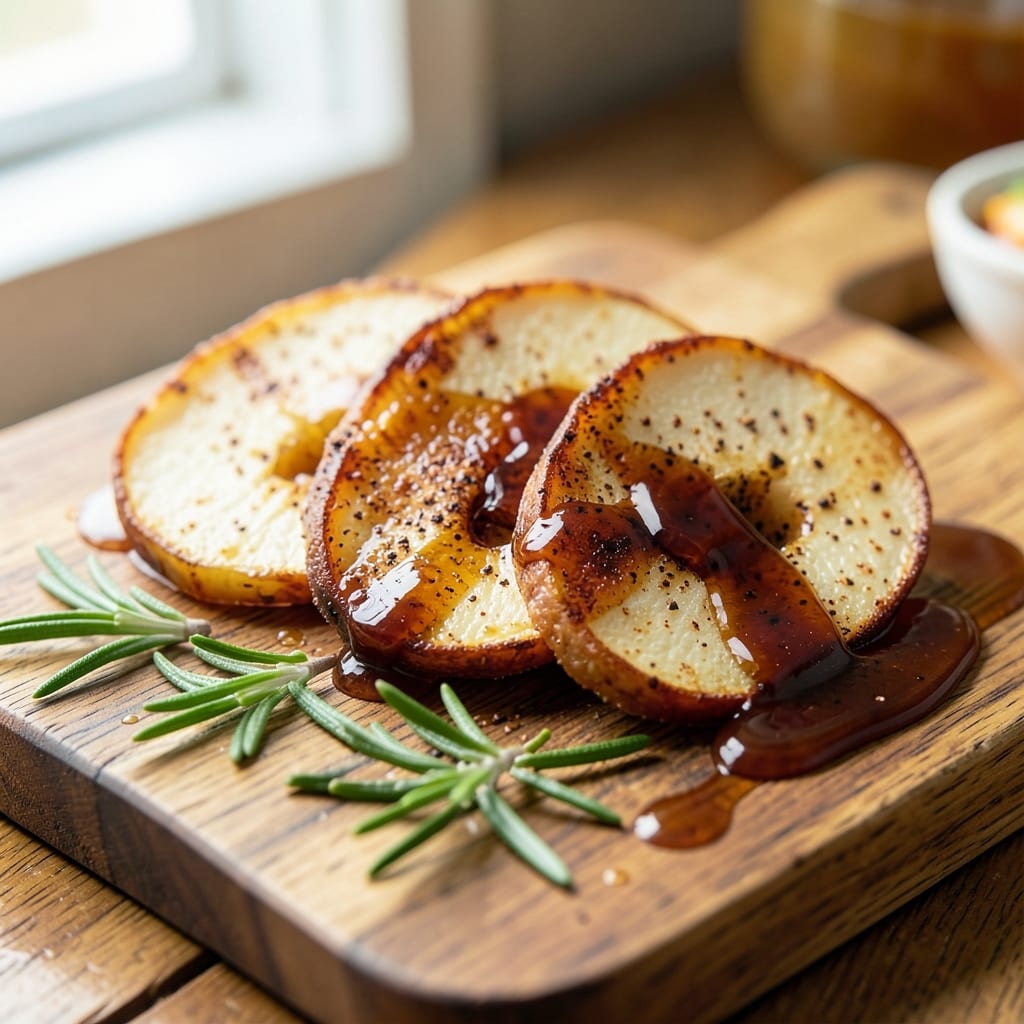
This apple cider jerky recipe transforms humble apples into smoky-sweet, leather-like snacks that pack serious flavor. The process is surprisingly simple—just blend, dehydrate, and enjoy—but the result is a chewy, aromatic treat that rivals traditional jerky. I developed this recipe after craving something sweet and satisfying without meat, and it’s become a staple in my snack rotation.
The magic happens during dehydration, where the apples take on that perfect chewy texture while absorbing smoky and sweet flavors. You’ll need just a few ingredients—apples, apple cider, spices, and a pinch of salt—plus a dehydrator or oven set to low heat. The process takes about 2 hours, but the payoff is worth every minute.
What you’ll end up with is a batch of jerky that’s sweet, slightly tangy, and just smoky enough to satisfy cravings. These bites are perfect for snacking on the go, pairing with cheese boards, or even adding a sweet contrast to savory cocktails. They store well in an airtight container for up to a week, making them ideal for meal prep or gifting.
The best part? This recipe is completely customizable. Add cinnamon for warmth, a splash of maple syrup for extra sweetness, or even a hint of cayenne for a spicy kick. Let’s get started on making your own batch of this addictive, plant-based jerky!
Ingredients for apple cider jerky
Sweet apples, smoky spices, and a touch of tang—this jerky transforms simple ingredients into addictive bites.
| Ingredient | Amount | Notes |
|---|---|---|
| Honeycrisp or Fuji Apples 🍎 | 4 medium | Peeled, cored, and chopped |
| Apple Cider 🍏 | 1 ½ cups | Unfiltered for best flavor |
| Smoked Paprika 🌶️ | 2 tbsp | For smoky depth |
| Ground Cinnamon 🍃 | 1 tbsp | Warm and aromatic |
| Kosher Salt 🧂 | 1 ½ tsp | For seasoning balance |
| Maple Syrup 🍯 | 2 tbsp | For extra sweetness |
| Cayenne Pepper 🔥 | ½ tsp | Optional for heat |
| Lemon Juice 🍋 | 1 tbsp | Freshly squeezed |
| Olive Oil 🫒 | 1 tbsp | For moisture retention |
The apples are the star here—Honeycrisp or Fuji are perfect for their balance of sweetness and texture. Grab a few from the produce section, or hit up Trader Joe’s for their organic varieties. Avoid any apples that feel mushy or bruised—you want firm, crisp fruit. Peel them first (the skin can get bitter during dehydration), then chop into even strips about 1/4-inch thick. If you're short on time, a food processor makes quick work of it, but hand-chopping gives you more control over the size. The goal? Uniform pieces that dehydrate evenly for that perfect chewy texture.
No smoked paprika? A pinch of liquid smoke (about 1/2 tsp) will give you that smoky kick, though it’s not quite the same. Running out of maple syrup? Agave nectar or brown sugar works in a pinch—just reduce the apple cider by 1 tbsp to balance the sweetness. Fresh lemon juice is ideal, but bottled works if you're in a hurry (just check for no added sugar). The olive oil might seem odd, but it helps the jerky retain moisture during dehydration—use a good-quality extra-virgin if you’ve got it. For extra flavor, toss in a pinch of ground ginger or nutmeg if you’re feeling adventurous. And if you’re making a big batch, double the spices and use a food dehydrator for even results.
Once dehydrated, store your jerky in an airtight container with parchment paper between layers to prevent sticking. It keeps for up to 2 weeks at room temperature, though I usually devour mine in a few days. For longer storage, freeze portions for up to 3 months—just let them come to room temp before snacking. These bites are perfect for packing in lunches, gifting in cute jars, or tossing into trail mix. Pro tip: Spritz with a little apple cider vinegar before dehydrating for extra tanginess—trust me, it’s a game-changer!
Why You'll Love This Recipe
- No-Fuss Prep: I swear by this recipe because it’s basically hands-off after slicing. Toss those Honeycrisp or Fuji slices into apple cider with smoked paprika and cinnamon, then bake—no flipping, no fuss. The apples caramelize right on the tray, and honestly? The hardest part was deciding which apples to use.
- Fall in Your Mouth: That smoky-sweet crunch? It’s like autumn in bite-sized form. The smoked paprika gives it depth, the cinnamon warms it up, and the apple cider keeps it from drying out—just enough chew to make it satisfying, not rubbery. (Yes, even on a Tuesday night.)
- Snack Attack Ready: This jerky is my go-to for lunchboxes, after-school snacks, or when I need a quick energy boost. It keeps well in the fridge for days, so I can prep a big batch and grab it for hikes, road trips, or just because I’m craving something sweet-savory. My kids call it “apple candy,” but I won’t correct them.
- Budget Magic: Apples and spices are cheap, and a little cider goes a long way. I’ve made this for under $5 for a full batch—enough to feed my family for a week. Plus, it’s one of those rare snacks where the flavor feels indulgent, but the cost isn’t. (Between us, it’s my secret for looking thrifty while still feeling fancy.)
Step-by-step instructions for apple cider jerky
Transform crisp apples into smoky-sweet jerky bites with this foolproof dehydrating method.
Prep the Apples for Perfect Texture
Start by peeling, coring, and chopping the 4 medium Honeycrisp or Fuji apples into even ¼-inch thick slices. I use a mandoline for consistency—thick slices stay chewy, thin ones dry out too fast. Arrange them on a baking sheet and toss gently with the 1 tablespoon olive oil and 1 tablespoon lemon juice. This keeps them moist during dehydration and adds brightness to balance the sweetness.
Let the apple slices sit for 15 minutes while you prepare the marinade. This gives the acid in the lemon juice time to penetrate slightly, preventing bitterness during drying. Pat them dry with paper towels before proceeding—any moisture left behind will make your jerky gummy instead of crisp.
Create the Smoky-Sweet Marinade
In a small bowl, whisk together the 1.5 cups apple cider, 2 tablespoons maple syrup, 1.5 teaspoons kosher salt, 1 tablespoon ground cinnamon, 2 tablespoons smoked paprika, and 0.5 teaspoon cayenne pepper. The mixture should be thick but pourable—if it's too thin, simmer it for 2-3 minutes to reduce slightly. This blend is what transforms ordinary apples into restaurant-quality jerky.
Taste the marinade before using it. You want a perfect balance of smoky, sweet, and slightly spicy notes. If it needs more depth, add another ½ teaspoon of smoked paprika. The cayenne is optional but adds a nice kick that pairs perfectly with the apple's natural sweetness. Pour this marinade into a shallow dish large enough to hold all your apple slices in a single layer.
Marinate and Arrange for Dehydrating
Add the apple slices to the marinade, turning them to coat both sides completely. Let them soak for 30 minutes, flipping halfway through. This ensures even flavor penetration and prevents any slices from drying unevenly. After marinating, remove the apples and arrange them in a single layer on dehydrator trays, leaving ¼-inch space between each slice for proper air circulation.
If you don't have a dehydrator, you can use your oven on its lowest setting with the door slightly propped open. The key is maintaining consistent airflow—this prevents soggy spots and ensures even drying. Arrange the trays so the apples aren't crowded, and make sure they're positioned on the middle rack for even heat distribution.
Dehydrate Until Leather-Like
Set your dehydrator to 135°F and process the apple slices for 6-8 hours, checking them every 2 hours. You're looking for jerky that's flexible but holds its shape when lifted—it should feel slightly chewy but not rubbery. If the edges start to brown too quickly, cover them lightly with parchment paper to prevent burning while still allowing airflow.
During the last hour of dehydrating, the apples will release more moisture. This is normal—it's the final stage of transformation. When you lift a piece and it springs back slowly (about 3-5 seconds) instead of immediately, it's ready. If they're still too moist, return them to the dehydrator for another 30-60 minutes. Over-drying makes jerky brittle, so aim for that perfect chewy texture.
Cool and Store for Maximum Freshness
Once fully dehydrated, let the apple jerky cool completely on the trays for 30 minutes. This prevents condensation from forming when you seal them in storage. Transfer the cooled jerky to airtight containers or resealable bags, pressing out as much air as possible to maintain freshness. When stored properly, these will keep for up to 2 weeks at room temperature or 3 months in the refrigerator.
For best flavor, enjoy within the first week. The jerky will continue to develop its smoky-sweet profile over time, but it's at its peak immediately after dehydrating. Serve with cheese, pair with charcuterie, or snack straight from the bag—either way, you've just created a unique, healthier alternative to traditional jerky that's perfect for outdoor adventures or gourmet snacking.
Pro Tips For Making Apple Cider Jerky
- Thin the Slices: Apple jerky needs to dry evenly, so cut each slice ¼-inch thick—no thicker or it’ll stay chewy inside. I learned this the hard way when my first batch turned out like leather instead of crispy strips. Use a mandoline if you’re impatient, but a sharp knife works too.
- Prep Apples First: Core and slice apples right after washing, then soak them in cold water for 10 minutes. This stops browning and keeps them from turning to mush in the cider. (Yes, even if you’re in a hurry—trust me, it’s worth it.)
- Skip the Boil: Some recipes call for boiling the apples first, but that makes them soggy. Instead, simmer the cider mixture until it reduces by half, then toss in the raw slices and cook just until tender—about 5 minutes. The cider will infuse flavor without turning the jerky into apple sauce.
- Salt in Layers: Sprinkle half the kosher salt on the apples before drying, then the rest after they’ve crisped up. This guarantees seasoning in every bite—no bland edges. (And don’t skip the smoked paprika; it’s the thing that makes it taste like fall.)
Perfect pairings for this apple cider jerky
Cheese Board Pairings
Apple cider jerky’s smoky-sweet profile shines alongside aged cheddar or blue cheese—the sharpness cuts through the fruit’s natural sugars beautifully. I love pairing it with sharp white cheddar from Cabot or Gouda for a creamy contrast. Add a few walnuts for crunch and a drizzle of honey to tie everything together. The jerky’s texture holds up perfectly to the cheese’s creaminess, creating a balanced bite. 🧀
Cocktail Complements
This jerky elevates cocktails with its caramelized depth. Try it with a whiskey sour—the apple cider notes mirror the bourbon’s vanilla undertones, while the smokiness adds complexity. For something lighter, a gin and tonic with apple cider syrup lets the jerky’s flavors shine. I also love it with sparkling cider cocktails, where the bubbles cleanse the palate between chewy bites. 🍸
Sweet & Savory Snack Boards
Create a fall-inspired snack board with apple cider jerky as the star. Pair it with dried apricots, pecans, and dark chocolate squares for a sweet contrast. Add crackers like water crackers or rye crisps for a salty crunch. A sprinkle of flaky sea salt on the jerky right before serving enhances its smoky-sweetness. This combo is perfect for game day or holiday gatherings. 🧂
Breakfast Boost
Start your day with a twist: crumble apple cider jerky over Greek yogurt or oatmeal for a chewy, flavorful crunch. The spices in the jerky—cinnamon and smoked paprika—warm up the dish instantly. I also love adding it to avocado toast with a drizzle of maple syrup for a sweet-savory breakfast. It’s a unique way to repurpose leftovers into a delicious morning treat. 🥣
Trail Mix Upgrade
Swap out traditional jerky in trail mixes for this apple cider version. Combine it with dried cranberries, pumpkin seeds, and dark chocolate chips for a festive, energy-packed snack. The jerky’s chewy texture contrasts perfectly with the crunch of seeds and the softness of dried fruit. Store in resealable bags for on-the-go snacking—great for hikes, road trips, or office lunches. 🌟
Nutrition facts
Frequently asked questions
Can I use any apples for this recipe?
You’ll get the best results with firm, sweet varieties like Honeycrisp or Fuji. These hold their shape well during dehydration and have the perfect balance of sweetness. Avoid overly soft apples like Red Delicious—they’ll turn mushy. If you can’t find these, Gala or Pink Lady work in a pinch, though they may be slightly less flavorful.
What if I don’t have a dehydrator?
No problem! Use your oven set to its lowest temperature (170°F or lower) with the door slightly open to allow airflow. Arrange the apple slices on a wire rack over a baking sheet to prevent sogginess. Check every 2 hours and rotate the tray for even drying. This method takes 8-12 hours instead of 6-8.
How do I know when the jerky is done?
It’s ready when the slices are flexible but hold their shape—like leather. Lift a piece: if it springs back slowly (about 3-5 seconds) rather than immediately, it’s perfect. Over-drying makes it brittle, while under-drying leaves it gummy. If unsure, return it to the dehydrator for 30 more minutes.
Can I add other fruits to this recipe?
Try thin slices of pear or peach for a similar texture. For extra flavor, add dried cranberries or blueberries (tossed in the marinade). Just ensure all fruit is peeled and cut to ¼-inch thickness for even drying. Avoid watery fruits like watermelon—they’ll turn to mush.
Why did my jerky turn out too soft?
This usually happens from excess moisture or insufficient drying time. Double-check that you patted the apples dry before marinating and arranged them with space between slices. If using an oven, ensure proper airflow by cracking the door. For next time, dehydrate 15-30 minutes longer or increase the temperature to 145°F.