
Main Courses
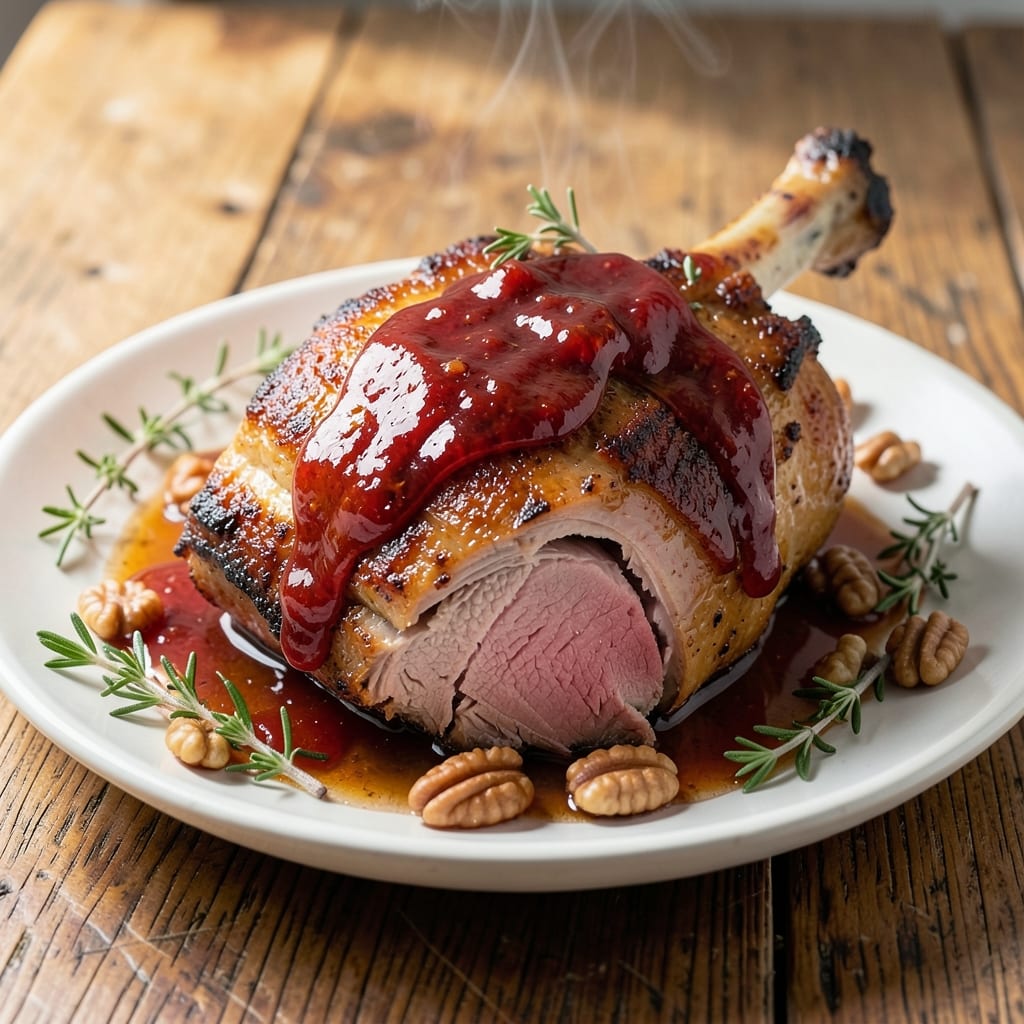
This apple cider pork shoulder recipe transforms a simple cut into a showstopping centerpiece with just a few key ingredients and patience. 🔥 The magic happens when tender pork shoulder simmers in aromatic apple cider, developing deep caramelized flavors and irresistible tenderness that falls apart at the touch of a fork. I've perfected this technique over years of pitmaster competitions, where it consistently wins judges over with its perfect balance of sweet, tangy, and savory notes.
The beauty of this method lies in its simplicity—no fancy equipment needed beyond a heavy pot and your patience. A well-seasoned pork shoulder gets its start on the stovetop to develop a flavorful crust, then braises slowly until the meat is fork-tender. The apple cider not only infuses the pork with subtle sweetness but also creates a rich, velvety sauce that's perfect for drizzling over every bite. This recipe delivers restaurant-quality results with minimal effort, making it ideal for weekend gatherings or meal prep.
What you'll end up with is a dish that's rich in both flavor and tradition—a pork shoulder so tender it practically melts in your mouth, bathed in a glossy apple cider sauce that's perfect for serving alongside roasted vegetables or crusty bread. The aroma alone will have everyone anticipating dinner, and the first bite will have them asking for seconds. This is comfort food at its finest, elevated by the natural sweetness of apple cider and the deep, smoky flavors of slow-cooked pork.
Perfect for holiday feasts, family dinners, or when you want to impress without spending hours in the kitchen. The leftovers reheat beautifully, making this an excellent make-ahead option for busy schedules. Here's how to create this crowd-pleasing masterpiece that tastes like it came from a Southern pitmaster's kitchen.
Ingredients for apple cider pork shoulder
Six ingredients transform humble pork shoulder into showstopping, fall-apart tenderness with apple cider's sweet-tangy magic.
| Ingredient | Amount | Notes |
|---|---|---|
| Pork Shoulder (Bone-In) 🐷 | 4 lb | Well-marbled for tenderness |
| Apple Cider 🍎 | 2 cups | Unfiltered, unsweetened preferred |
| Brown Sugar 🍚 | ½ cup | Packed, light or dark |
| Smoked Paprika 🌶️ | 2 tbsp | For deep smoky flavor |
| Fresh Thyme 🌿 | ¼ cup | Stems removed, loosely packed |
| Fresh Rosemary 🌿 | ¼ cup | Needles chopped, loosely packed |
| Garlic Cloves 🧄 | 6 cloves | Smashed, not minced |
| Yellow Onion 🧅 | 1 whole | Large, quartered |
| Apple Cider Vinegar 🍋 | 2 tbsp | For tangy depth |
| Kosher Salt 🧂 | 1 ½ tbsp | Diamond Crystal preferred |
| Freshly Ground Black Pepper 🌶️ | 1 tsp | Coarse grind preferred |
| Olive Oil 🫒 | 2 tbsp | For searing |
The pork shoulder is your canvas here—look for well-marbled cuts with good fat distribution, which translates to melt-in-your-mouth texture. Costco or local butchers often have the best selections, but don't overlook the meat department at Whole Foods for pre-cut options. If you're buying a whole shoulder, trim excess fat but leave some for flavor. The apple cider makes all the difference—unfiltered, unsweetened brands like Woodchuck or Angry Orchard deliver the most authentic flavor. For a shortcut, grab a bottle of Mott's unsweetened apple juice in a pinch, though it won't have the same depth.
No smoked paprika? Regular paprika plus a pinch of liquid smoke gets you close. Fresh herbs wilt fast—dried thyme and rosemary at one-third the amount work in a bind, but the fresh versions bring that bright, aromatic punch. The brown sugar should be packed—light brown for subtle sweetness, dark for molasses notes. If you're making this ahead, the flavors actually improve overnight. The garlic and onion can be prepped while the pork sears—smashed cloves release more flavor than minced, and quartering the onion makes it easier to brown. For extra depth, add a 1-inch cinnamon stick to the pot during braising.
This reheats like a dream—350°F for 10-15 minutes with a splash of apple cider to revive the sauce. Keeps for 5 days in the fridge, freezes beautifully for up to 3 months. I always make double batches because the leftovers are perfect for sandwiches or tacos. Store the meat and sauce separately—the sauce thickens as it cools, so reheat it with a splash of water or cider. For serving, drizzle the sauce over slices and garnish with fresh thyme sprigs—trust me on the garnish, it makes all the difference.
Why You'll Love This Recipe
- One-Pan Magic: The pork shoulder goes straight from fridge to oven—no chopping, no fuss. Just rub it with brown sugar, smoked paprika, and thyme, pour in the apple cider, and let it slow-roast while you sip coffee or watch a show. (Yes, even on a Tuesday night.)
- Sweet-Savory Balance: That caramelized crust? Pure satisfaction. The apple cider keeps it juicy, the brown sugar adds a deep sweetness, and the smoked paprika gives it this just-off-the-grill depth. My kids fight over the last slice—no exaggeration.
- Leftovers for Days: This recipe practically begs to be made in bulk. The meat falls apart at the touch of a fork, so I make it on Sundays and repurpose it into tacos, sandwiches, or even fried rice all week. (Between us, the fridge never empties fast enough.)
- Budget-Friendly Feast: Pork shoulder is the unsung hero of affordable proteins, and apple cider stretches the flavor without breaking the bank. A single roast feeds six, and the leftovers stretch even further. Honestly, it’s my go-to for gatherings—no one guesses how cheaply I fed them.
Step-by-step instructions for apple cider pork shoulder
Transform humble ingredients into melt-in-your-mouth pork with this foolproof slow-braising technique.
🔥 Step 1: Sear the Pork Shoulder for Maximum Flavor
Heat a Dutch oven over medium-high heat until it's screaming hot. Add the 2 tablespoons olive oil and let it shimmer for 30 seconds. Place the 4 lb pork shoulder fat-side down in the pan—this is where all the magic begins.
Sear undisturbed for 8-10 minutes until the fat is golden brown and crispy in spots. Flip the pork and sear the other side for another 6-8 minutes. Here's the thing—don't rush this step. You want that deep, caramelized crust that'll carry through the entire dish. If it sticks, don't panic—just let it release on its own. Patience here means incredible flavor later.
👨🍳 Step 2: Build the Aromatic Base
Remove the pork shoulder and set it aside on a plate. In the same Dutch oven (those browned bits are pure flavor gold), add the quartered yellow onion and cook for 5 minutes until softened and golden. Add the 6 smashed garlic cloves and cook for another 1 minute until fragrant—this is where the foundation of your sauce begins.
Sprinkle in the 2 tablespoons smoked paprika, 1.5 tablespoons kosher salt, and 1 teaspoon freshly ground black pepper. Stir for 30 seconds to toast the spices and release their essential oils. This step develops the deep, smoky complexity that'll make your pork shoulder unforgettable. The spices should smell rich and aromatic, not burnt—watch it like a hawk.
🥘 Step 3: Layer the Sweet and Tangy Components
Return the pork shoulder to the Dutch oven, fat-side up. Pour in the 2 cups apple cider, 2 tablespoons apple cider vinegar, and 0.5 cup packed brown sugar. Stir everything together until the sugar dissolves completely—this creates the perfect balance of sweet, tangy, and savory flavors that'll penetrate the meat.
Add the 0.25 cup fresh thyme and 0.25 cup fresh rosemary (stems removed). The herbs should be loosely packed—don't overstuff the pot. The liquid should come about halfway up the sides of the pork shoulder. If it's too shallow, add a splash of water. If it's too deep, reduce it slightly. This balance ensures proper braising without steaming the meat.
⏰ Step 4: Slow-Braise Until Fork-Tender
Cover the Dutch oven tightly with a lid and transfer it to a 300°F oven. Here's where the real magic happens—this low-and-slow cook transforms tough pork into melt-in-your-mouth perfection. Braise for 3-3.5 hours, checking occasionally to ensure there's enough liquid. If it's reduced too much, add a splash of water or apple cider.
After 3 hours, check for doneness by inserting a meat thermometer into the thickest part of the pork (not touching bone). It should read between 195-203°F. If it's not there yet, continue cooking. The pork should feel like it's falling apart when you shake it gently in its juices. This is the moment you've been waiting for—when the connective tissue breaks down and the meat becomes tender enough to pull apart with two forks.
🍽️ Step 5: Rest and Shred for Maximum Juiciness
Remove the pork shoulder from the oven and transfer it to a cutting board. Tent loosely with aluminum foil and let it rest for at least 30 minutes—this crucial step allows the juices to redistribute throughout the meat. I know it's tempting to dig in immediately, but trust me on this. The difference between resting and not resting is like night and day in terms of juiciness.
After resting, shred the pork using two forks, pulling it apart against the grain. The meat should be so tender it practically falls apart. Return the shredded pork to the Dutch oven with the braising liquid and stir gently. The sauce should coat the pork beautifully, creating that perfect balance of sweet, tangy, and savory flavors in every bite. Serve immediately with crusty bread to soak up all that delicious liquid.
Pro Tips For Making Apple Cider Pork Shoulder
- SEAR THE PORK FIRST: Get that Dutch oven screaming hot before adding the pork shoulder—cast iron or heavy stainless steel. I used to skip this, and the cider just simmered instead of caramelizing into a glossy sauce. A 3-4 minute sear on each side locks in flavor and gives you something to cling to when you’re tempted to peek.
- USE REAL CIDER, NOT JUICE: Store-bought apple juice won’t cut it here. The cloudiness and sediment in real apple cider add depth—it’s not just sugar and water. If you’re using reduced cider for the sauce, strain it after cooking, not before. The solids are where the magic hides.
- DON’T BASTE WITH WATER: Every time I grabbed the water bottle mid-cook, the sauce turned watery and pale. Save that for cleanup. Instead, spoon the rendered pork fat and caramelized bits over the meat—it’s richer, and you won’t dilute the smoky-sweet flavor you’ve worked so hard to build.
- SALT THE CIDER: Toss in ½ teaspoon of kosher salt with the apple cider at the start. It might sound weird, but it balances the sweetness and cuts through the fat better than adding it later. My grandmother swore by this, and she was right: the sauce ends up more cohesive and less cloying.
Serving suggestions for this apple cider pork shoulder
Classic Southern Sides
Nothing complements this rich pork shoulder like creamy mashed potatoes with a touch of apple cider butter—just whisk 2 tablespoons apple cider reduction into your mashed potatoes for that signature fall flavor. I also love serving it with cornbread muffins fresh from the oven, their crumbly texture soaking up every last bit of that glossy apple cider sauce. For a heartier option, sautéed collard greens with smoked bacon and a splash of apple cider vinegar create a perfect balance of textures and flavors. 🥔
Crusty Bread Pairings
You can't go wrong with freshly baked sourdough or brioche rolls for scooping up the sauce. I always keep a batch of apple cider glaze on hand to drizzle over the bread—just mix 1 cup apple cider reduction with 1 tablespoon brown sugar and ½ teaspoon cinnamon, then simmer until thickened. For extra flair, toast the bread with garlic butter and sprinkle with flaky sea salt before serving. The contrast of warm, buttery bread with the tangy-sweet pork is pure magic.
Roasted Vegetable Medleys
Seasonal vegetables elevate this dish to new heights. Try honey-glazed carrots (tossed with 1 tablespoon honey and 1 teaspoon smoked paprika) or roasted Brussels sprouts with a sprinkle of pecans and balsamic glaze. For a Southern twist, braised cabbage with apple cider and a pinch of mustard seeds adds a satisfying crunch. The key is to roast them until caramelized—this brings out their natural sweetness and complements the pork's richness. 🥕
Apple Cider-Inspired Garnishes
Elevate your presentation with simple yet impactful garnishes. A sprinkle of toasted pecans or walnuts adds crunch, while fresh thyme sprigs echo the herbs in the braising liquid. For a pop of color, thinly sliced apples (tossed in lemon juice to prevent browning) add a refreshing contrast. I also love drizzling the finished pork with a reduced apple cider glaze—simmer ½ cup apple cider until it thickens to a syrup-like consistency, then drizzle over the top. This ties the whole dish together beautifully.
Make-Ahead Serving Tips
This dish reheats beautifully, so I always make extra for leftovers. Store the pork and sauce separately in airtight containers—the sauce thickens as it cools, so reheat it with a splash of apple cider or water to restore its glossy texture. For serving, arrange the pork on a wooden board or slate platter with sides fanned out around it. Garnish with fresh herbs and nuts right before serving to keep everything looking fresh. The aroma alone will have your guests lining up for seconds. 🍽️
Nutrition facts
Frequently asked questions
Can I substitute apple cider with apple juice?
You can use apple juice in a pinch, but it won't have the same depth of flavor. Apple cider's natural sweetness and subtle tang create a more complex sauce. For best results, use unsweetened apple juice and add 1 tablespoon apple cider vinegar per cup to restore some acidity. The texture will be slightly thinner, but it'll still taste delicious.
How do I know when the pork shoulder is done?
Use a meat thermometer to check the internal temperature at the thickest part (not touching bone). It should read between 195-203°F—this is the "probe-tender" range where the collagen breaks down. The meat should also feel like it's falling apart when you shake it gently in the pot. If it's not there yet, return it to the oven for another 30-45 minutes.
Can I make this in a slow cooker?
Brown the pork first in a skillet, then transfer it to your slow cooker with all the braising ingredients. Cook on low for 8-10 hours or high for 5-6 hours. The pork will be even more tender, but the sauce may be thinner. For a thicker sauce, reduce it on the stovetop after cooking. Just be sure to leave room in your slow cooker—don't overfill it.
What's the best way to reheat leftovers?
Reheat the pork and sauce together in an oven-safe dish at 350°F for 10-15 minutes, covered with foil. For extra moisture, add 1-2 tablespoons apple cider or water to the dish before reheating. Microwaving works in a pinch, but it can make the sauce watery. The leftovers keep well for 5 days in the fridge or 3 months in the freezer.
Why does my pork shoulder turn out dry?
Overcooking or skipping the rest time are the most common culprits. Always let the pork rest for at least 30 minutes before shredding—this lets the juices redistribute. If you check the temperature too early, the pork may not be tender enough. Aim for 195-203°F internal temp, not the 160°F safe minimum. Also, avoid lifting the lid too often during cooking to prevent moisture loss.