
Desserts
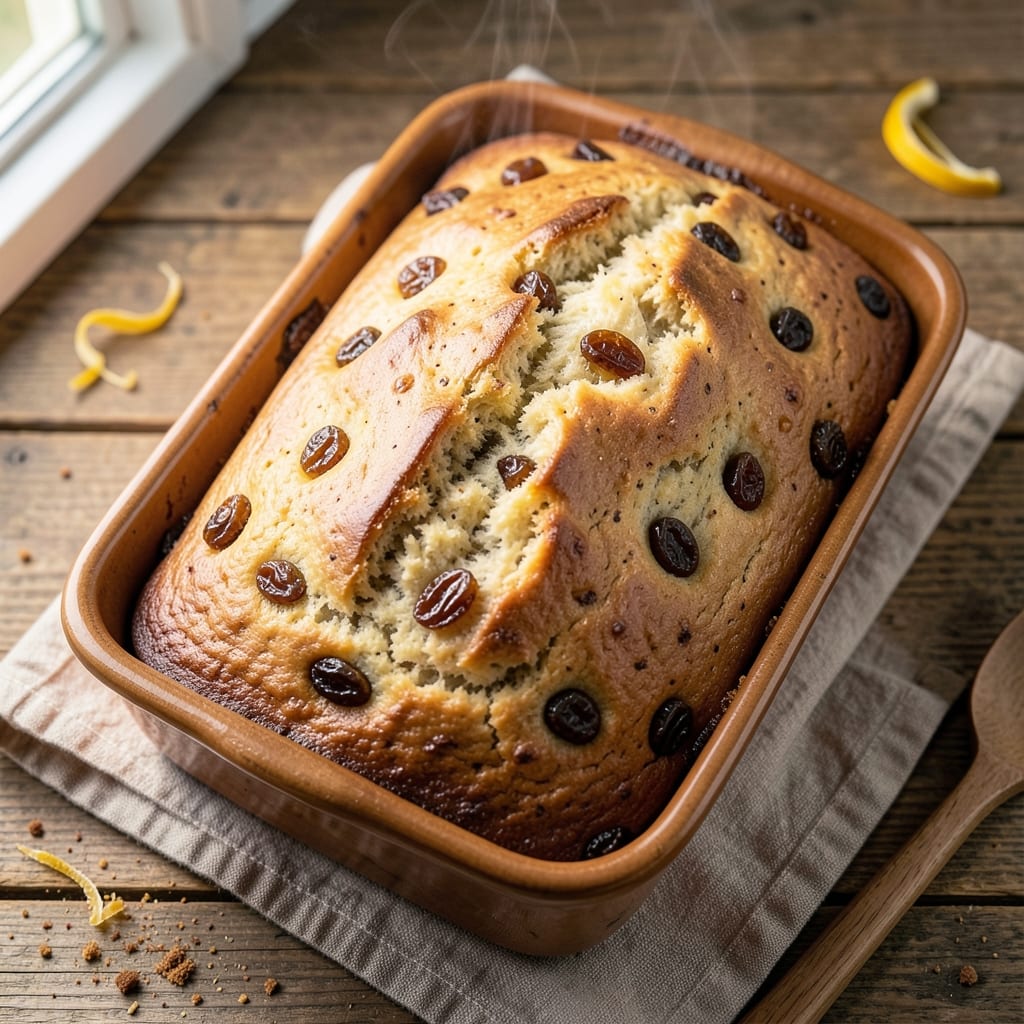
This apple cider raisin bread recipe transforms simple pantry staples into a golden loaf with warm cinnamon notes and plump raisins that burst with every bite. The secret lies in swapping water for apple cider—its natural sweetness and subtle tartness create depth that store-bought bread can't match. I've baked this version for holidays and weeknight dinners alike, and it never fails to impress.
The dough develops a perfect chewy texture through proper kneading and proofing, while the cider's caramelized aroma fills your kitchen as it bakes. Unlike quick breads, this recipe builds flavor through yeast fermentation, resulting in a tender crumb with just the right balance of sweetness and spice. The raisins stay moist and plump, never dry or rubbery.
With just 10 ingredients and 3 hours from start to finish (including rising time), this bread becomes your go-to for breakfast toast, sandwiches, or gifting. The warm spices—cinnamon, nutmeg, and cloves—echo fall flavors year-round, while the crust develops a beautiful golden-brown finish that's impossible to resist.
For extra richness, brush the baked loaf with melted butter while still warm. This recipe also adapts well to gluten-free flours if needed—just extend the rising time slightly. Let's get started on this comforting, crowd-pleasing loaf that tastes like autumn in every slice.
Ingredients for apple cider raisin bread
Pantry staples meet autumn's finest flavors in this chewy, spiced loaf—where apple cider and raisins create magic.
| Ingredient | Amount | Notes |
|---|---|---|
| Unbleached All-Purpose Flour 🌾 | 5 cups | Spooned and leveled measurement |
| Unsweetened Apple Cider 🍎 | 1 ¼ cups | Room temperature preferred |
| Active Dry Yeast 🍞 | 2 ¼ tsp | Ensure expiration date is recent |
| Granulated Sugar 🍚 | ½ cup | Light brown sugar optional for depth |
| Golden Raisins 🍇 | 1 ½ cups | Plump variety preferred |
| Unsalted Butter 🧈 | ½ cup | Cold, cubed for easier mixing |
| Large Eggs 🥚 | 1 whole | Room temperature for best incorporation |
| Ground Cinnamon 🌿 | 2 tsp | Freshly ground for optimal aroma |
| Ground Nutmeg 🌿 | ½ tsp | Freshly grated nutmeg preferred |
| Ground Cloves 🌶️ | ½ tsp | Lightly toasted for enhanced flavor |
| Diamond Crystal Kosher Salt 🧂 | 1 ½ tsp | Adjust to taste after baking |
| Honey 🍯 | ¼ cup | Wildflower preferred for complexity |
The apple cider is non-negotiable here—its acidity balances the sweetness while adding depth. Mott's or Woodchuck brands deliver consistent quality, but any unsweetened variety works. For the raisins, Sun-Maid golden raisins stay plump best, though any good-quality raisins will suffice. The flour should be unbleached for a lighter crumb, and King Arthur or Bob's Red Mill are reliable choices. Keep your yeast in a cool, dark place—it lasts longer than you'd think, but check the expiration date before using. The spices? Penzeys sells pre-ground blends, but freshly grinding whole spices makes a noticeable difference in flavor complexity.
No apple cider? Substitute with warm water plus 1 tbsp lemon juice—it won't have the same depth, but it'll work in a pinch. Raisins too expensive? Dried cranberries or chopped dates add a similar chewy texture. For a richer dough, replace half the butter with Greek yogurt—it adds moisture without overpowering the spices. The honey can be swapped for maple syrup if you prefer, though it'll alter the flavor slightly. If you're gluten-sensitive, King Arthur gluten-free flour blend works well, though you'll need to extend the proofing time by 30-45 minutes. And if you're watching sugar? Reduce the granulated sugar by 2 tbsp—the cider and honey provide enough natural sweetness.
This dough needs time to develop its full flavor—at least 2 hours of rising at room temperature, then another hour in the fridge if you're prepping ahead. Store the baked loaf wrapped in a clean kitchen towel at room temperature for 3-4 days, or freeze slices for up to 3 months. For extra richness, brush the warm loaf with melted butter while it's still in the pan. The crust will crisp up beautifully, and every slice will taste like autumn. If you make a double batch, freeze the second loaf—it's perfect for gifting or lazy breakfasts when you're not in the mood to bake.
Why You'll Love This Recipe
- No-Fuss Dough: I swear, the only measuring I do is eyeballing the raisins—just toss them in by the handful. The cider replaces water, so no extra liquid to track, and the yeast wakes up in warm cider in minutes. Honestly, the hardest part is waiting for it to rise.
- Cider-Soaked Sweetness: That first bite? The raisins plump up in the cider-infused dough, bursting with caramelized warmth. It’s like a slow-simmered fall flavor in every slice—no spices needed, just the natural depth of the cider and sugar playing together.
- Breakfast or Snack Hero: I keep a loaf on the counter all week. Toast it for breakfast with butter, pack it in lunches with peanut butter, or serve it with soup when the weather turns chilly. It’s the one bread that never feels like a chore to eat.
- Budget Loaf, Long Life: Flour, raisins, and cider are all pantry staples that won’t break the bank. And because it stays fresh for days (or freeze slices for later), you’re not scrambling for quick bread every morning. My wallet—and my mornings—thank me.
Step-by-step instructions for apple cider raisin bread
This method delivers a perfectly balanced loaf with tender crumb and chewy raisins.
Activate the Yeast with Warm Apple Cider
In a small bowl, combine the 1.25 cups unsweetened apple cider with 2.25 teaspoons active dry yeast. Stir gently to dissolve the yeast, then let the mixture sit in a warm place (78-82°F) for 5-10 minutes until it becomes frothy. This activation step ensures your bread rises properly.
I always test the water temperature first—it should feel warm but not hot to the touch. If the mixture doesn't bubble after 10 minutes, your yeast may be inactive. In that case, start fresh with a new packet of yeast. The apple cider's natural warmth helps activate the yeast more effectively than plain water would.
Mix Wet Ingredients and Combine with Dry Components
In a large mixing bowl, cream together the 0.5 cup unsalted butter (cold, cubed) and 0.5 cup granulated sugar using a hand mixer on medium speed until light and fluffy (3-4 minutes). This step incorporates air, which creates that tender crumb structure we want.
Add the 1 whole large egg, 0.25 cup honey, 2 teaspoons ground cinnamon, 0.5 teaspoon ground nutmeg, 0.5 teaspoon ground cloves, and 1.5 teaspoons diamond crystal kosher salt. Mix on low speed until just combined. In a separate bowl, whisk together the 5 cups unbleached all-purpose flour and the yeast mixture. Gradually add the dry ingredients to the wet mixture, mixing on low speed until a shaggy dough forms.
Knead the Dough Until Elastic
Turn the dough onto a lightly floured surface and knead for 8-10 minutes until smooth and elastic. You'll know it's ready when it springs back slowly when poked. I like to use the windowpane test—hold the dough up to the light and stretch it gently. If you can see light through it without tearing, it's properly kneaded.
During kneading, you might encounter slight resistance at first, but keep going. The gluten development is what gives bread its structure. If the dough feels too sticky, add 1 tablespoon of flour at a time until it becomes manageable. Once kneaded, place the dough in a lightly greased bowl, cover with a damp towel, and let it rise in a warm place for 1-1.5 hours or until doubled in size.
Fold in Raisins and Shape the Loaf
After the first rise, punch down the dough and fold in the 1.5 cups golden raisins. Gently press them into the dough so they distribute evenly. This step ensures each bite has that perfect chewy raisin surprise. Shape the dough into a 9x5-inch loaf pan, smoothing the top with wet hands for an even surface.
Cover the loaf pan with a damp towel and let it rise again for 45-60 minutes until it reaches the top of the pan. The dough should feel slightly springy when pressed gently. Preheat your oven to 350°F while the bread rises. This second rise ensures a light, airy texture rather than a dense one.
Bake to Golden Perfection
Bake the loaf for 45-50 minutes until the top is golden brown and a toothpick inserted into the center comes out clean. The bread should have a rich, caramelized aroma that fills your kitchen. If the top browns too quickly, tent the loaf with aluminum foil to prevent over-browning while it finishes baking.
Remove the bread from the oven and let it cool in the pan for 10 minutes. Then transfer it to a wire rack to cool completely. This resting period allows the crumb to set properly, preventing a gummy texture. Once fully cooled, slice and serve—each bite will deliver warm spice notes, tender crumb, and plump raisins soaked in apple cider sweetness.
Pro Tips For Making Apple Cider Raisin Bread
- Warm the cider first: The yeast will wake up faster if you heat the apple cider to about 105°F (40°C)—just warm enough to dissolve the sugar without killing the yeast. I used to skip this and wonder why my dough took forever to rise.
- Soak raisins in warm cider: Toss the raisins in a small bowl with ¼ cup of the warm cider while you mix the dough—this plumps them up and infuses them with flavor. Skipping this step means dry, chewy raisins that sink like stones.
- Don’t overmix the dough: Once you add the flour, stop mixing after 2–3 minutes—just until the dough comes together. Overworking it makes the bread dense and tough, and this recipe doesn’t need the extra gluten development.
- Use a thermometer for yeast: If your kitchen runs cold, proof the yeast in warm water (105–110°F) for 5–10 minutes before adding it to the cider. Cold water slows it down, and you’ll end up waiting twice as long for the dough to rise.
Best sauces and condiments for apple cider raisin bread
Honey Butter Glaze
Warm ¼ cup melted butter with 2 tbsp honey and 1 tsp cinnamon until fully combined. Brush this glaze over the warm loaf while still in the pan. The residual heat will create a beautiful caramelized finish that enhances the apple cider and raisin flavors. For extra richness, add a pinch of sea salt to balance the sweetness. 🍯
Cream Cheese Frosting
Mix 4 oz softened cream cheese, 2 tbsp softened butter, ¼ cup powdered sugar, and 1 tsp vanilla extract until smooth. Spread a thin layer between slices for a breakfast sandwich or on top for a festive touch. This tangy contrast cuts through the bread's sweetness beautifully. I like to dust with toasted cinnamon sugar for added texture. 🧀
Spiced Whipped Cream
Whip ½ cup heavy cream with 1 tbsp powdered sugar, ½ tsp cinnamon, and a pinch of nutmeg until soft peaks form. This light topping adds a luxurious finish to toasted slices. For a boozy twist, fold in 1 tsp bourbon or apple brandy. It pairs perfectly with the warm spice notes in the bread. 🥛
Apple Cider Reduction
Simmer ½ cup apple cider with 1 tbsp brown sugar and ½ tsp cinnamon until reduced by half. Drizzle this concentrated syrup over slices for an extra burst of apple flavor. The reduction intensifies the cider's natural sweetness and adds a glossy sheen. I love serving this with a scoop of vanilla ice cream for dessert. 🍎
Maple Walnut Spread
Toast ½ cup chopped walnuts in a dry pan until fragrant, then mix with 3 tbsp maple syrup and 1 tsp lemon zest. Spread this nutty-sweet mixture between slices for a hearty breakfast option. The walnuts add crunch while the maple syrup complements the bread's warm spices. 🌰
Caramelized Onion Jam
Slow-cook 1 cup thinly sliced onions with 2 tbsp brown sugar, 1 tbsp balsamic vinegar, and ½ tsp thyme until caramelized. Spread this jam on toasted bread for a sophisticated flavor combination. The sweet-tangy onions pair wonderfully with the bread's cinnamon notes. 🧅
Nutrition facts
Frequently asked questions
Can I substitute apple cider with another liquid?
Yes, but the flavor will change. For best results, use 1.25 cups warm water plus 1 tbsp lemon juice—this mimics the acidity. Avoid orange juice (too strong) or milk (can make the dough gummy). The cider's natural sweetness and depth are hard to replicate, but this combo works in a pinch.
Why did my bread turn out dense instead of chewy?
Dense bread usually means under-kneaded dough or insufficient rising time. Knead for 8-10 minutes until elastic, and let it rise until doubled in size (1-1.5 hours). Also check your yeast—if it didn't foam in the warm cider, it may have expired. For extra chewiness, try adding 1 tbsp extra honey to the dough.
How do I store this bread to keep it fresh?
Wrap cooled bread tightly in a clean kitchen towel or plastic wrap, then store at room temperature for 3-4 days. For longer storage, slice and freeze individual portions for up to 3 months. To revive, toast frozen slices for 2-3 minutes longer than fresh. The towel wrapping prevents drying better than plastic alone.
Can I make this gluten-free?
Yes, but expect a slightly denser texture. Use a 1:1 gluten-free flour blend (like King Arthur's) and increase the rising time by 30-45 minutes. Add 1 extra tbsp xanthan gum if your blend doesn't contain it. Also reduce the apple cider by 2 tbsp—gluten-free dough absorbs more liquid. The raisins will still be plump!
What's the best way to reheat sliced bread?
Toast slices in a toaster for 2-3 minutes until golden and crisp. For sandwiches, warm in a dry skillet over medium-low heat for 1 minute per side. Never microwave—it makes the bread rubbery. The warm spices taste best when reheated this way.