
Main Courses
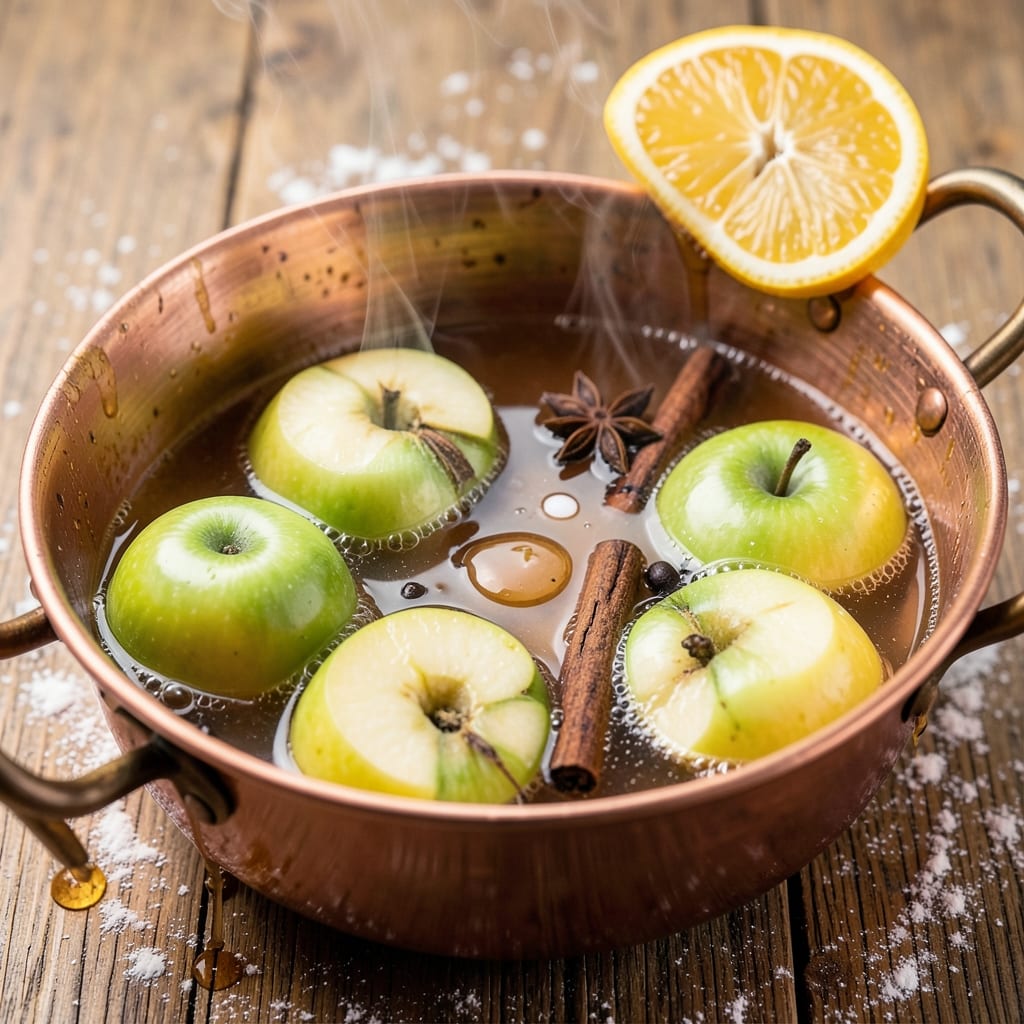
This apple cider recipe with cinnamon sticks transforms simple apples and spices into a rich, naturally thickened drink that tastes like autumn in a mug. The slow simmering process unlocks deep caramel notes while letting the cinnamon infuse its warm, earthy aroma—no artificial thickeners needed. I developed this version after years of perfecting the balance between sweetness and spice, ensuring every sip delivers that cozy, comforting flavor.
The secret lies in the slow simmer—about 45 minutes—which breaks down the apples into a velvety texture while concentrating their natural sugars. Cinnamon sticks add layers of warmth without overpowering, and a touch of vanilla extract (optional) deepens the complexity. This isn’t just cider; it’s a restaurant-quality drink that’s easier to make at home.
By the end, you’ll have a thick, spiced apple sauce that can be served warm as a drink, poured over vanilla ice cream, or even used as a glaze for roasted meats. The natural thickening means no lumps or additives—just pure, aromatic flavor. Perfect for chilly evenings or holiday gatherings, this recipe is both nostalgic and surprisingly modern.
For an extra touch, garnish with a cinnamon stick and star anise for presentation, or add a splash of bourbon for adults. The possibilities are endless, but the foundation—simple, spiced, and naturally thickened—is foolproof. Let’s get simmering!
Ingredients for apple cider recipe with cinnamon sticks
Twelve ingredients, one pot—this apple cider transforms humble apples into velvety spiced perfection.
| Ingredient | Amount | Notes |
|---|---|---|
| Apples, Honeycrisp or Granny Smith 🍎 | 4 lb | Cored and quartered, skins on |
| Cinnamon Sticks 🌿 | 4 whole | High-quality, 3-inch length |
| Water 💧 | 2 cups | Filtered preferred for clarity |
| Granulated Sugar 🍚 | ½ cup | Organic preferred for purity |
| Orange Juice, Freshly Squeezed 🍊 | ¼ cup | Navel or Valencia oranges |
| Vanilla Extract 🥛 | 1 tsp | Pure Madagascar bourbon |
| Star Anise 🌟 | 2 whole | Optional for depth of flavor |
| Cloves 🌶️ | 4 whole | Whole, for subtle warmth |
| Apple Cider Vinegar 🍶 | 1 tbsp | Bragg preferred for quality |
| Salt 🧂 | ¼ tsp | Diamond Crystal kosher |
| Lemon Juice 🍋 | 1 tbsp | Freshly squeezed for brightness |
| Bourbon or Rum (Optional) 🥃 | 2 tbsp | For adult serving suggestion |
The apples are the foundation—Honeycrisp or Granny Smith deliver the perfect balance of sweetness and tartness for natural thickening. Local orchards or specialty grocers often carry these varieties in season, but any crisp apple works. Avoid mealy varieties like Red Delicious. For the cinnamon sticks, spice markets like Penzeys or bulk bins at Whole Foods offer the highest quality. Look for sticks that are straight and free of cracks—broken pieces infuse too quickly, making the cider bitter. Store your cinnamon sticks in a cool, dark place; they stay potent for up to 2 years—longer than most other spices.
No vanilla extract? Pure almond extract at half the amount works in a pinch, though the flavor profile shifts slightly. Substituting orange juice? Grapefruit juice adds complexity but requires adjusting the sugar to taste. For a non-alcoholic version, skip the bourbon entirely—the vanilla and spices carry enough warmth. The apple cider vinegar might seem unusual, but it prevents cloudiness and enhances the caramelization during simmering. If you can't find Bragg, any high-quality raw vinegar will do. The star anise and cloves are optional but elevate the depth—think of them as the secret weapon for restaurant-quality flavor.
This cider thickens as it cools, so resist the urge to stir frequently—gentle simmering is key. Store leftovers in airtight containers for up to 5 days in the fridge, though it tastes best within 24 hours. For longer storage, freeze in ice cube trays—perfect for quick drinks later. The cinnamon sticks can be reused once or twice if kept dry. Garnish with a fresh cinnamon stick and star anise for presentation, or drizzle with bourbon for an adult touch. The natural thickening means no lumps—just pure, aromatic flavor that improves with time.
Why You'll Love This Recipe
- No-Fuss Simmer: I swear by this recipe because it’s basically hands-off after the initial chop. Toss in whole apples, cinnamon sticks, and a splash of orange juice, then let it bubble away while I handle the rest of dinner—no stirring, no stress.
- Sweet-Spiced Magic: That first sip of Honeycrisp’s crisp bite with warm cinnamon and a hint of orange? It’s like autumn in a mug, but better because I made it. Granny Smith fans get the same cozy vibe, just with a sharper kick.
- Crowd-Pleaser Basics: I’ve served this at everything from backyard BBQs to quiet Sunday mornings, and no one ever asks what’s in it—just seconds. The orange juice keeps it bright, so it’s never cloying, even when I double the batch.
- Pantry Goldmine: Honestly, this uses stuff I already have. A few apples, sugar, and cinnamon sticks stretch into multiple servings, and the leftovers? I freeze them for quick hot toddies later. Budget-friendly doesn’t get much easier than that.
Step-by-step instructions for spiced apple sauce that thickens naturally
Transform fresh apples into velvety, naturally thickened cider with aromatic spices and balanced acidity.
Prepare and Simmer the Apple Base
In a large, heavy-bottomed pot, combine the 4 lb cored and quartered apples, 2 cups water, 4 whole cinnamon sticks, 2 whole star anise, and 4 whole cloves. Bring to a boil over medium-high heat, then immediately reduce to medium-low heat. Let the mixture simmer uncovered for 20-25 minutes until the apples break down and the liquid reduces slightly.
I stir occasionally to prevent sticking, but avoid mashing the apples prematurely. You'll know it's ready when the apples soften enough to pierce easily with a fork and the mixture smells deeply aromatic. The cinnamon and spices should infuse the liquid with warm, earthy notes—this is the foundation of your sauce's complexity.
Add Sweetness and Acid Balance
Once the apple mixture has softened, stir in the 0.5 cup granulated sugar, 0.25 cup freshly squeezed orange juice, 1 tbsp apple cider vinegar, and 1 tbsp lemon juice. Increase heat to medium and simmer for an additional 10-15 minutes, stirring frequently. The sugar will dissolve completely, and the acidity from the vinegar and lemon juice will brighten the flavors.
Here's the thing—this isn't just about sweetness. The acid balance is critical. The vinegar and lemon juice prevent the sauce from tasting cloyingly sweet while enhancing the apple's natural tartness. Taste the mixture as it simmers; you're aiming for a harmonious blend where the sweet, tart, and spiced elements come together. If you prefer a stronger adult note, now's the time to add the 2 tbsp bourbon or rum and simmer for another 2 minutes to infuse the flavors.
Thicken and Finish with Vanilla
Using an immersion blender or standard blender, carefully purée the apple mixture until smooth. Return it to the pot and add the 1 tsp vanilla extract and 0.25 tsp salt. Simmer gently over low heat for 5-7 minutes, stirring constantly. The sauce will naturally thicken as moisture evaporates—this is the key to achieving that perfect, spoonable consistency without added starches.
Watch the sauce closely during this final stage. It should coat the back of a spoon but remain silky, not gluey. If it thickens too quickly, add 1-2 tablespoons of water to adjust the texture. The vanilla extract adds depth and rounds out the spices, while the salt enhances all the flavors. Remove from heat once the sauce reaches your desired thickness—it will continue to thicken slightly as it cools.
Strain and Serve
Line a fine-mesh strainer with cheesecloth or a coffee filter and carefully strain the sauce into a clean bowl or pitcher. This step removes the spices and any remaining apple fibers, leaving you with a velvety smooth sauce. Press gently on the solids to extract every last drop of flavorful liquid.
Serve the strained apple sauce warm, accompanied by the spice-infused apple pulp on the side for garnish. For an elegant presentation, pour the sauce into small jars or ramekins and chill for up to 5 days in the refrigerator. The flavors will deepen as it cools, making it perfect for pairing with cheeses, pork dishes, or simply enjoying on its own with a dollop of whipped cream.
Pro Tips For Making Apple Cider Recipe With Cinnamon Sticks
- PEEL THE APPLES: Use a sharp paring knife instead of a peeler—it’s faster and leaves cleaner cuts for even cooking. Granny Smiths have thicker skins, so take your time; Honeycrisp peels easier but still needs precision to avoid chunks in your cider.
- SIMMER LOW AND SLOW: Start on medium-high to get the apples boiling, then drop to a gentle simmer—think tiny bubbles, not rolling. I learned this the hard way: boiling too hard turns the cider bitter, and you’ll end up with a muddy mess instead of bright, fragrant cider.
- STRAIN TWICE: First pass through a fine-mesh sieve catches big bits, but the second pass with cheesecloth or a coffee filter removes the fine pulp that clouds the liquid. Skip this, and your cider will taste like you’re drinking apple juice through a straw.
- ADD ORANGE JUICE LAST: Pour it in during the final 5 minutes of simmering—this keeps the citrus bright and prevents it from cooking into a sad, flat flavor. Freshly squeezed is non-negotiable; bottled juice adds weird aftertastes that ruin the balance.
Essential equipment for this dish
Heavy-Bottomed Pot
Your 6-8 quart Dutch oven or stainless steel stockpot is non-negotiable for even heat distribution. I swear by my All-Clad stainless steel pot—it handles the 45-minute simmer without hot spots that can scorch your apples. Avoid non-stick coatings; they can't handle the prolonged heat and may release harmful fumes when simmering spices. A wide base prevents boiling over, which is critical when working with apples that release liquid as they break down. 🔥
Immersion Blender
An immersion blender (like the Ninja 1200-watt) is my secret weapon for puréeing directly in the pot—no messy transfers. If you don’t own one, a standard blender works, but transfer the hot mixture carefully to avoid burns. For restaurant-quality smoothness, blend in 2-second pulses while keeping the motor submerged. The key is to avoid splattering; cover the blender with a towel if needed. 💫
Fine-Mesh Strainer
A dedicated juice strainer (like the OXO Good Grips) or even a cheesecloth-lined colander removes spices and fibers for that ultra-smooth finish. I prefer metal mesh for durability—it won’t clog like plastic and holds up to repeated use. For the best results, press the strained pulp gently with a wooden spoon to extract every last drop of flavorful liquid. Store the leftover spice-infused pulp in the freezer for homemade apple compote later. ✨
Wooden Spoons
Use heat-resistant wooden spoons (like Ozeri Naturals) to stir—stainless steel can scratch your pot and release metallic notes into the sauce. Wood also helps prevent sticking during the 20-minute simmer when the apples begin to break down. I keep a dedicated spoon for spiced recipes to avoid cross-contamination with other flavors. 🌿
Cinnamon Stick Remover
After simmering, use tongs or a slotted spoon to remove cinnamon sticks and star anise—never your fingers! I keep a pair of stainless steel tongs (like OXO Good Grips) nearby for this purpose. Reuse your cinnamon sticks once or twice by storing them in an airtight container until they lose their aroma. Discard cloves and star anise after one use, as they can turn bitter. 🌟
Thermometer (Optional)
While not essential, a candy or instant-read thermometer (like Thermoworks Thermapen) ensures your sauce reaches the ideal 205°F for natural thickening. This is especially helpful if you’re making this in high-altitude areas where boiling points differ. I only use it for reference, but it’s a game-changer for consistency. For most home cooks, taste and texture are your best guides. 🌡️
Nutrition facts
Frequently asked questions
Can I use store-bought apple juice instead of fresh apples?
While it's possible, fresh apples create a much richer, naturally thickened texture. Store-bought juice lacks the fiber and natural sugars that develop during simmering, so you'd need to add 1-2 tablespoons of cornstarch to achieve thickness. For best results, stick with fresh apples—they're worth the effort!
How do I adjust the sweetness if my apples are very tart?
Start with the full 0.5 cup sugar and taste as you simmer. For extra tart apples, add 1-2 tablespoons more sugar during the final 5-minute simmer. Alternatively, balance tartness with 1 extra tablespoon of orange juice—it adds natural sweetness while brightening flavors.
Can I make this cider without alcohol?
Simply omit the bourbon or rum entirely. The vanilla, cinnamon, and star anise provide plenty of warmth. For kids or non-drinkers, serve with whipped cream or a sprinkle of cinnamon sugar for extra coziness.
Why is my cider too thin after simmering?
Natural thickening happens as it cools, but if it's still too thin, simmer uncovered for 5-10 more minutes to evaporate excess liquid. For an instant fix, mix 1 tablespoon cornstarch with 2 tablespoons cold water, stir into the cider, and simmer 2 minutes until thickened.
What's the best way to reheat leftover cider?
Gently warm in a saucepan over low heat while stirring constantly. For microwave reheating, use 30-second intervals, stirring between each, to avoid scorching. Never boil—just warm to 165°F to preserve the delicate spice flavors.