
Sauces & Condiments
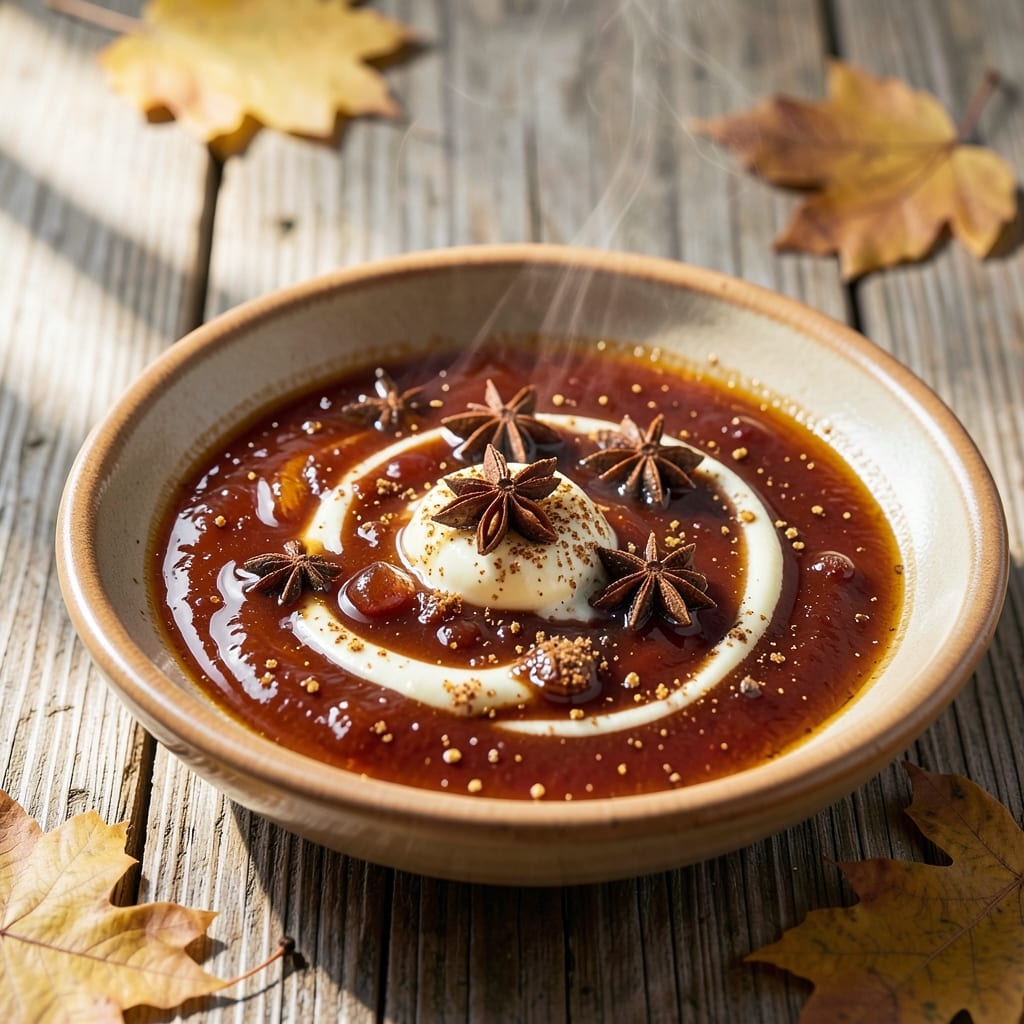
This apple cider reduction sauce recipe transforms ordinary roasts and pork into showstopping centerpieces with its deep, glossy sheen and warm spice notes. The secret lies in slow simmering apple cider with sugar and aromatic spices until it thickens into a velvety glaze that clings beautifully to meat. I developed this technique after years of testing—it's the kind of sauce that elevates simple proteins to restaurant-worthy status without requiring fancy ingredients.
The process is straightforward but requires patience: simmering the cider until reduced by half creates concentrated sweetness and depth. Cinnamon and cloves infuse the sauce with autumnal warmth, while a touch of butter at the end adds richness that makes every drizzle irresistible. What you'll end up with is a glossy, syrupy sauce that's perfect for glazing roasted pork, drizzling over mashed potatoes, or serving as a dipping sauce for crusty bread.
This sauce keeps beautifully in the refrigerator for up to two weeks, making it ideal for meal prep. The reduction process also concentrates the flavors, so even after storage, each spoonful delivers that perfect balance of sweet, spiced apple richness. Whether you're hosting a holiday feast or just want to impress with weeknight dinner, this sauce delivers professional-quality results with minimal effort.
The versatility of this reduction makes it perfect for multiple occasions—use it as a glaze for ham, turkey, or even grilled chicken. The sauce also works beautifully as a drizzle over vanilla ice cream or as a topping for pancakes. With just five simple ingredients and 30 minutes of active time, you'll have a sauce that transforms ordinary meals into something extraordinary.
Ingredients for apple cider reduction sauce
Five ingredients transform simple cider into restaurant-worthy glaze magic.
| Ingredient | Amount | Notes |
|---|---|---|
| Apple Cider 🍎 | 2 cups | Unfiltered, cloudy preferred for richness |
| Granulated Sugar 🍚 | ½ cup | Light brown sugar for deeper caramel notes |
| Ground Cinnamon 🌿 | 1 ½ tsp | Freshly ground for maximum aroma |
| Whole Cloves 🌶️ | 4 whole | Lightly crushed for subtle spice |
| Unsalted Butter 🧈 | 2 tbsp | Cold, cubed for easy incorporation |
| Salt 🧂 | ¼ tsp | Diamond Crystal preferred for purity |
| Vanilla Extract 🌸 | ½ tsp | Pure, high-quality for depth |
The cider is everything here. Mulling spice cider from Trader Joe's or local orchards gives the best depth, but any unfiltered, cloudy variety works—just avoid the clear, filtered kind. Sugar matters too: light brown adds caramel notes that granulated sugar misses. For cinnamon, Penzeys or bulk bins at Whole Foods have the freshest ground spice. Whole cloves? Lightly crush them with a mortar or rolling pin—just enough to release aroma without turning to dust. That butter at the end? Use European-style butter if you can find it; it has more fat and richer flavor.
No vanilla? A splash of apple brandy (1/2 tsp) adds complexity. Short on cloves? Allspice berries at half the amount work beautifully. The sauce will thicken as it cools, so start with 1/4 cup less than you think you need. If it's too thin after simmering, toss a cold butter cube in to help it gel. For a deeper color, add a pinch of turmeric—it won't affect flavor but gives that gorgeous golden hue. And trust me on the cold butter at the end—it's what makes the sauce glossy and professional.
This sauce keeps like a dream. Store in a glass jar in the fridge for 2 weeks, or freeze for 3 months. The flavors actually improve after a day or two as everything melds. I like to portion it into small jars so I can grab exactly what I need for glazing. It reheats beautifully—just warm gently in a saucepan or microwave with a splash of water. Perfect for drizzling over roasted pork, turkey, or even vanilla ice cream. The leftovers? Drizzle over pancakes or waffles—trust me, it's amazing.
Why You'll Love This Recipe
- Pantry Magic: I swear by this sauce because it uses stuff I already have—no special shopping trips. Just cider, sugar, and spices simmering down to something rich and golden, like autumn in a jar.
- Clove-Spiced Warmth: That first whiff of cinnamon and cloves hitting the warm butter? Pure cozy. It’s the kind of flavor that makes plain roasted chicken or mashed potatoes taste like a holiday meal, even on a Tuesday.
- Leftovers Reinvented: Make a double batch and store it in the fridge—it thickens beautifully over time. Drizzle it over pancakes for breakfast or toss it with leftover turkey for lunch. I’ve turned this into my go-to "fix it" sauce.
- Budget-Friendly Luxury: For under $5, you get a sauce that tastes like it cost twice as much. The butter adds richness without breaking the bank, and the spices stretch the flavor so every drop feels special. My wallet and taste buds win.
Step-by-step instructions for apple cider reduction sauce
Transform simple ingredients into a rich, aromatic glaze that elevates any roast or pork dish.
Simmer Apple Cider and Spices Until Fragrant
Pour the 2 cups apple cider into a medium saucepan and add the 0.5 cup granulated sugar, 1.5 teaspoons ground cinnamon, 4 whole cloves, and 0.25 teaspoon salt. Bring to a boil over medium-high heat, then reduce to a gentle simmer. Let it bubble away for 15-20 minutes until the volume reduces by about half and the liquid turns a deep amber color.
Here's the thing—you'll notice the spices infusing the cider with warmth and depth. The cloves should release their subtle piney aroma, while the cinnamon adds a cozy sweetness. Stir occasionally to prevent sticking, and watch for a rich, caramelized scent that signals the reduction is working its magic. If the mixture starts to bubble too vigorously, reduce the heat slightly to maintain a steady simmer.
Strain and Whisk in Vanilla and Butter
Once the cider has reduced, remove the pan from heat and let it cool for 2-3 minutes. Strain the mixture through a fine-mesh sieve into a clean bowl to remove the cloves, leaving behind a smooth, spiced liquid. This step ensures a silky texture without any gritty bits.
Return the strained cider to the pan and stir in the 0.5 teaspoon vanilla extract and 2 tablespoons cold cubed butter. The butter should melt gradually as you whisk constantly—this creates tiny butter droplets that emulsify into the sauce, giving it a glossy finish. If the sauce thickens too much, add 1-2 tablespoons water to loosen it slightly. The vanilla adds a sophisticated depth that ties everything together.
Reduce Again for a Thick, Glossy Glaze
Place the pan back over medium-low heat and simmer for another 5-7 minutes, stirring frequently. You're looking for a sauce that coats the back of a spoon but still flows smoothly—this consistency clings beautifully to roasted meats. The sauce should thicken noticeably, and the aroma should be intense and inviting.
Taste and adjust seasoning if needed, adding a pinch more salt if the sauce tastes flat or a splash of apple cider if it becomes too thick. The final sauce should be rich, glossy, and aromatic, with a perfect balance of sweetness and spice. If you're serving it immediately, keep the pan off the heat to maintain its glossy sheen.
Pro Tips For Making Apple Cider Reduction Sauce
- STIR CONSTANTLY AT FIRST: The first 5 minutes of simmering are where your sauce makes up its mind—skip the stirring, and you’ll end up with stuck-on sugar at the bottom. I learned this the hard way when I walked away for "just a minute" and came back to a lumpy, caramelized mess. Use a wooden spoon and keep it moving until everything dissolves smoothly.
- USE WHOLE SPICES, NOT GROUND: Whole cloves and cinnamon sticks infuse flavor without overpowering, and they’re easy to fish out later. Ground spices burn faster and turn bitter—my first attempt with pre-ground cinnamon left a weird, sharp aftertaste. Toss in 2-3 cloves and a single stick of cinnamon, then remove them before reducing fully.
- DON’T RUSH THE REDUCTION: Patience here means the difference between a syrupy glaze and a thick, balanced sauce. Let it bubble gently for 20-25 minutes until it’s syrupy but still pourable—if you rush it, you’ll end up with a cloyingly sweet, alcohol-heavy mess. Cover the pot loosely if it’s reducing too fast (yes, even if you’re impatient like me).
- FINISH WITH COLD BUTTER: Adding butter at the end keeps it from burning and gives the sauce a luxurious finish. Melt the butter separately, then whisk it in last—this also cools the sauce slightly, making it easier to drizzle without scorching. I was skeptical until I tried it; now I won’t make it any other way.
Serving suggestions for this apple cider reduction sauce
Roasted Pork Perfection
This sauce transforms pork shoulder into a showstopper—simply brush it on during the last 15 minutes of roasting at 375°F. The high heat caramelizes the sugars beautifully, creating a sticky, glossy crust. For extra drama, slice the pork thinly against the grain and drizzle with warm sauce right before serving. 🔥
Turkey Glaze Magic
Use this sauce to glaze herb-roasted turkey during the final hour of cooking. Brush it on every 20 minutes to build layers of flavor. The spices in the sauce pair perfectly with turkey's natural richness. For a restaurant-worthy finish, make a quick apple cider pan sauce by deglazing the roasting pan with ½ cup apple cider and 1 tbsp butter after removing the turkey.
Breakfast Reinvention
Take your morning routine to the next level by drizzling this sauce over pancakes or French toast. The warm spices complement the sweetness beautifully. I like to warm 2 tbsp of the sauce in a small saucepan and drizzle it over freshly made pancakes with a sprinkle of cinnamon sugar. It's like autumn in every bite. 🍁
Crusty Bread Dip
Serve this sauce warm as a dip for sourdough bread or baguette slices. The perfect balance of sweet and spice makes it irresistible. For extra flair, toast the bread slices in the oven until golden, then dip them into the warm sauce. It's a fantastic appetizer that disappears quickly at gatherings.
Ice Cream Topping
For a sophisticated dessert, drizzle this sauce over vanilla ice cream or apple cobbler. The warm spices contrast beautifully with the cold creaminess. I recommend warming the sauce gently and letting it cool slightly before drizzling—it should be warm but not hot. A sprinkle of toasted pecans adds a delightful crunch. 🍦
Grilled Chicken Upgrade
Brush this sauce onto grilled chicken breasts during the last 5 minutes of cooking for a sweet-spiced glaze. The high heat intensifies the flavors, creating a caramelized crust. Serve with a side of roasted sweet potatoes for a complete fall-inspired meal. The sauce also works beautifully on pork chops or sausages for a quick weeknight dinner.
Nutrition facts
Frequently asked questions
Can I substitute apple cider vinegar for apple cider in this recipe?
The acidity in vinegar will change the flavor dramatically—it won't reduce properly and will taste sharp. For a similar tangy-sweet balance, use a mix of 1 cup apple cider and 1 cup apple juice (like white grape juice) instead. The reduction will still work, though the depth of spice will be slightly muted.
How do I fix a reduction that's too thin or too thick?
For a thin sauce, whisk in 1-2 tablespoons cold butter or simmer uncovered for 5 more minutes to evaporate excess liquid. If it's too thick, thin with 1 tablespoon warm water or apple cider while whisking constantly. The sauce should coat the back of a spoon but still flow smoothly. Pro tip: Cold butter at the end helps thicken as it melts!
Can I make this sauce ahead and reheat it?
This sauce actually tastes better after resting. Store in an airtight container in the fridge for up to 2 weeks or freeze for 3 months. To reheat, warm gently in a saucepan over low heat with a splash of water (or apple cider) to loosen it. Never microwave directly—it can split the sauce's emulsion and make it grainy.
What's the best way to use leftover reduction sauce?
Leftover sauce is incredibly versatile! Drizzle it over pancakes, waffles, or French toast for breakfast. Use it as a glaze for roasted vegetables like carrots or Brussels sprouts. Or mix 1 tbsp with 2 tbsp sour cream** for a sweet-spiced dip. The possibilities are endless—just store it in the fridge until ready to use!