
Beverages
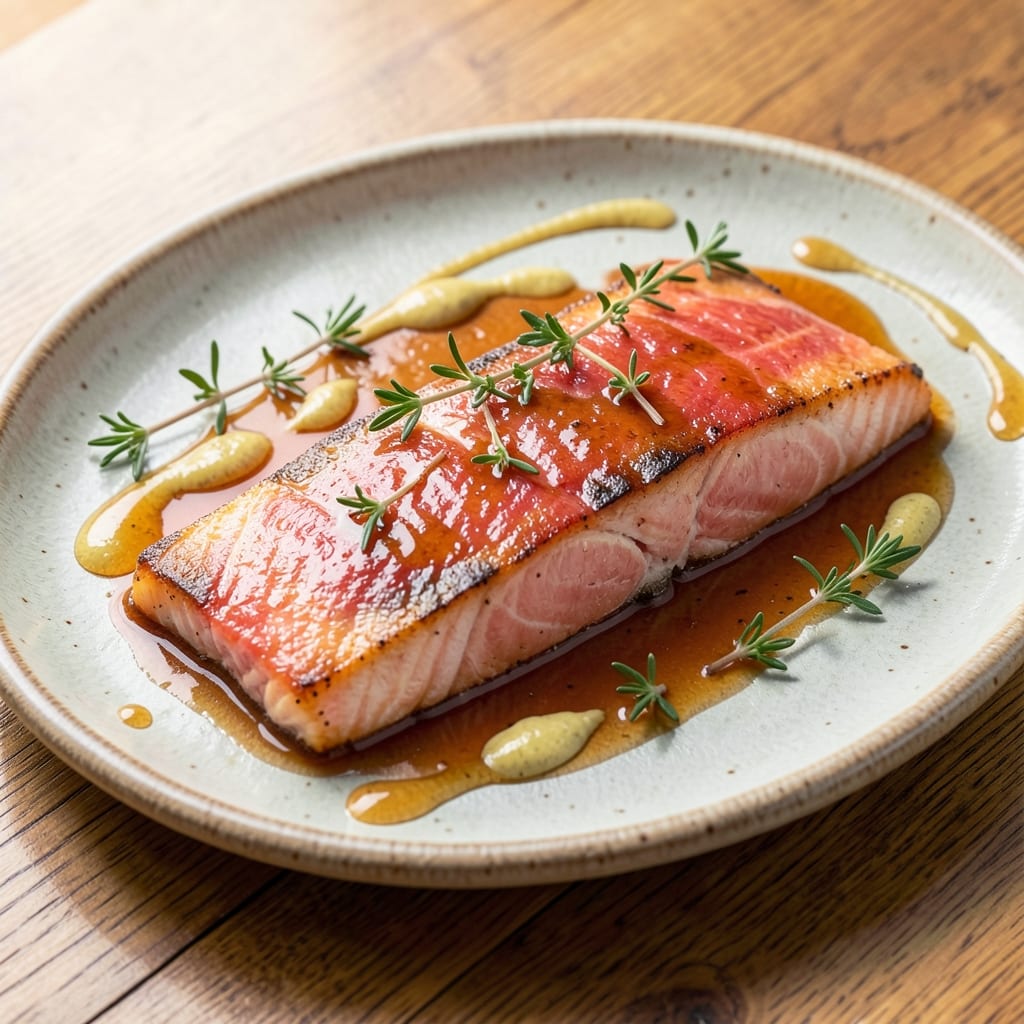
This apple cider glazed salmon recipe transforms simple weeknight dinner into a restaurant-worthy meal with just 20 minutes of active time. The secret lies in balancing apple cider's natural sweetness with honey and a touch of mustard, creating a caramelized glaze that clings perfectly to flaky salmon fillets. I developed this technique after years of experimenting with glazes that either overpowered the fish or failed to caramelize properly—this version gets it right every time.
The process is straightforward yet professional: you'll start with a quick sear in a hot pan to lock in juices, then finish in the oven while the glaze simmers into a rich, sticky finish. Deglazing the pan with apple cider captures all those flavorful browned bits, turning them into the base of your sauce. This method ensures your salmon stays moist while developing that beautiful caramelized crust we all crave.
What you'll end up with is perfectly cooked salmon—tender, flaky, and golden—bathed in a glossy glaze that's sweet but not cloying, with just enough acidity to cut through the richness. The aroma alone will have everyone gathering at the table, and each bite delivers that perfect balance of smoky sear, delicate fish, and complex caramelized sweetness. Serve it with roasted asparagus or a simple quinoa salad to complete the meal.
This recipe is particularly impressive for its versatility—it works equally well for special occasions or casual weeknight dinners. The glaze can be made ahead and reheated, making it perfect for meal prep. And don't worry about overcooking the salmon; we'll guide you through the exact doneness to achieve every time. Let's get cooking!
Ingredients for apple cider salmon
Twelve ingredients create a restaurant-worthy apple cider glaze that transforms simple salmon into a showstopper.
| Ingredient | Amount | Notes |
|---|---|---|
| Salmon Fillets 🐟 | 4 whole | Skin-on, center-cut, 6-8 oz each |
| Unsalted Butter 🧈 | ½ cup | Cold, cubed for searing |
| Apple Cider 🍎 | ½ cup | Unfiltered, preferably organic |
| Honey 🍯 | 2 tbsp | Wildflower or clover preferred |
| Dijon Mustard 🍯 | 1 tbsp | High-quality, not prepared |
| Fresh Thyme Leaves 🌿 | ¼ cup | Stems removed, finely chopped |
| Garlic Cloves 🧄 | 2 cloves | Minced, for glaze depth |
| Olive Oil 🫒 | 1 tbsp | Extra-virgin, for deglazing |
| Salt 🧂 | 1 tsp | Diamond Crystal preferred |
| Black Pepper 🌶️ | ½ tsp | Freshly cracked |
| Lemon Juice 🍋 | 1 tbsp | Freshly squeezed |
| Fresh Parsley 🌿 | 0.1 cup | Chopped, for garnish |
The salmon is where it all begins—center-cut fillets with skin hold up best to the glaze and searing. Look for wild-caught if possible, but Atlantic farmed works too—just avoid anything with a fishy smell. Whole Foods or Trader Joe's usually carry high-quality fillets, and their seafood counters can help you pick the freshest. If you're buying whole sides, ask for them to be filleted right there. The skin-on fillets crisp beautifully during searing, adding texture that balances the glaze's richness. For the apple cider, unfiltered brands like Woodchuck have more depth of flavor than filtered versions. If you can't find unfiltered, regular cider works—just add an extra pinch of salt to compensate for lost minerals during processing.
No apple cider? Substitute with a mix of apple juice and a splash of vinegar—the acidity is key for that caramelized finish. Running short on honey? Maple syrup works 1:1, though it leans more earthy. The Dijon mustard is non-negotiable for that tangy depth, but in a pinch, whole-grain mustard at half the amount will do. Fresh thyme is ideal, but dried thyme at one-third the quantity suffices if you're in a bind. For the butter, European-style or grass-fed adds extra richness, but any good-quality unsalted butter will work. If you're making this ahead, prepare the glaze components separately and store them in the fridge—combine them just before searing for maximum freshness.
The glaze keeps beautifully for 3 days in the fridge, so make extra for leftovers. Store it in an airtight container with a thin layer of olive oil on top to preserve freshness. The cooked salmon reheats best in a skillet with a splash of water or broth to prevent drying out—2-3 minutes per side over medium heat is perfect. For meal prep, portion the glaze into small containers and keep it separate from the salmon until reheating. The parsley garnish should be added fresh right before serving—it brightens up the dish and adds a pop of color that makes plating look effortless. If you're serving this for a crowd, double the glaze recipe and keep it warm in a slow cooker on low heat.
Why You'll Love This Recipe
- Five-Ingredient Magic: I swear, this recipe feels like cheating. Just butter, cider, honey, mustard, and salmon—no fancy gadgets or last-minute grocery runs. The sauce comes together while you wait for the oven to heat, and honestly? That’s my kind of cooking.
- Sweet-Savory Balance: The apple cider and honey give it this warm, caramelized sweetness, but the Dijon mustard cuts through it with a tangy kick. It’s rich without being heavy, and the salmon stays so moist—like it’s been kissed by autumn.
- Weeknight to Dinner Party: Between us, this is my go-to when I need something impressive but not stressful. Serve it over rice for a casual weeknight, or plate it with roasted Brussels sprouts and crusty bread for guests. (Yes, even on a Tuesday night.)
- Leftovers That Don’t Suck: Most salmon recipes turn into sad, dry leftovers, but not this one. The cider glaze keeps it tender, and I’ve reheated portions in the microwave with a splash of water—still delicious. Bonus: it’s budget-friendly enough that I don’t mind buying extra fillets.
Step-by-step instructions for apple cider glazed salmon
This method delivers perfectly seared salmon with a luscious caramel glaze that balances sweet, tangy, and herby notes.
Create the Glaze Base
In a small saucepan, combine the 0.5 cup apple cider, 2 tbsp honey, 1 tbsp Dijon mustard, and 2 cloves minced garlic. Bring to a gentle simmer over medium heat, then reduce to low and let it cook for 5-6 minutes until the mixture thickens slightly and reduces by about one-third. You'll know it's ready when it coats the back of a spoon and develops a subtle caramel aroma.
While the glaze simmers, finely chop the 0.25 cup fresh thyme leaves and set aside. The thyme adds earthy depth that complements the sweetness of the apple cider and honey. Stir the thyme into the glaze during the last 30 seconds of cooking to infuse its flavor without overpowering the delicate balance.
Sear the Salmon Skin-Side Down
Pat the 4 whole salmon fillets dry with paper towels—this ensures a crispy skin. Season both sides generously with 1 tsp salt and 0.5 tsp black pepper. Heat a large oven-safe skillet over medium-high heat and add the 0.5 cup cubed unsalted butter. Once the butter foams, place the salmon skin-side down in the pan.
Let the salmon sear undisturbed for 4-5 minutes until the skin turns deep golden brown and crispy. The butter will bubble vigorously—this is normal and creates that beautiful crust. If the butter starts to brown too quickly, reduce the heat slightly to prevent burning. The salmon is ready to flip when the skin releases easily from the pan.
Glaze and Finish in the Oven
Carefully flip the salmon fillets and spoon half of the glaze mixture evenly over each fillet. Transfer the skillet to a preheated 375°F oven and bake for 8-10 minutes, until the salmon reaches an internal temperature of 145°F and flakes easily with a fork. The glaze should bubble and caramelize, creating a glossy finish.
During the last 2 minutes of baking, drizzle the remaining glaze over the salmon for an extra-rich coating. The oven's dry heat helps the glaze thicken into a sticky, caramelized sauce. Remove the salmon from the oven and let it rest for 3-4 minutes before serving—this ensures the juices redistribute for maximum tenderness.
Garnish and Serve
Drizzle any remaining pan juices over the salmon and garnish with 1 tbsp freshly squeezed lemon juice and 0.1 cup chopped fresh parsley. The lemon brightens the dish, cutting through the sweetness of the glaze, while the parsley adds a fresh, vibrant touch. Serve immediately with roasted vegetables or a simple arugula salad to complement the rich, caramelized flavors.
Each bite should deliver a perfect balance of crispy skin, tender flesh, and a glossy, honey-sweetened glaze with subtle thyme and garlic notes. The salmon should be moist but firm, with a caramelized crust that adds texture and depth to every mouthful.
Pro Tips For Making Apple Cider Salmon
- Start with Cold Salmon: Pat the fillets dry and let them sit uncovered in the fridge for 30 minutes before cooking—this prevents the butter from sliding off and guarantees a better sear. I learned this the hard way when my first batch turned into a greasy mess.
- Reduce the Cider First: Simmer the apple cider in a small saucepan until it’s thick enough to coat the back of a spoon (about 3–4 minutes). This balances the sweetness and adds depth without making the salmon soggy. (Yes, even if you’re impatient like me.)
- Don’t Overmix the Glaze: Whisk the honey, Dijon, and reduced cider together—just until combined. Overmixing turns it into glue; you want streaks of mustard and honey for texture. I skip this step when I’m lazy, but the dish is noticeably better when I don’t.
- Finish with Butter Slowly: Add the cold butter to the pan off the heat, letting it melt into the sauce in 30-second bursts. This keeps the butter from burning and coats the salmon in a silky finish. (Your future self will thank you.)
Pro cooking tips for great apple cider salmon
Glaze Reduction Mastery
The key to a perfect apple cider glaze lies in proper reduction—simmering until it thickens just enough to coat the back of a spoon while maintaining balance. I use a small saucepan over medium-low heat to control the process, stirring occasionally to prevent scorching. The glaze should reduce by about one-third, creating a syrupy consistency that clings beautifully to the salmon. If it reduces too quickly, add 1 tsp apple cider to adjust the thickness. 🌡️
For extra depth, stir in the fresh thyme leaves during the final 30 seconds of cooking. This infuses the glaze with aromatic flavor without overpowering the delicate sweetness. Avoid using dried thyme here—it can make the glaze taste bitter if overcooked.
Pan Sear Like a Pro
A crispy salmon skin is everything—it adds texture and prevents the fillets from sticking. Pat the salmon bone-dry with paper towels before seasoning, and use medium-high heat in your skillet. I recommend a 10-inch cast iron pan for even heat distribution. Add the cold cubed butter first—it melts slowly, creating a rich, flavorful crust.
Let the salmon sear undisturbed for 4-5 minutes until the skin turns deep golden brown. If it releases easily from the pan, it's ready to flip. The butter should foam vigorously—this is normal and creates that beautiful crust. If it browns too quickly, reduce heat slightly to prevent burning.
Oven Finish Secrets
Transferring the skillet to a preheated 375°F oven ensures even cooking and helps the glaze caramelize beautifully. Bake for 8-10 minutes until the salmon reaches 145°F internal temperature. The glaze should bubble and thicken into a glossy finish. For extra richness, drizzle the remaining glaze over the salmon during the last 2 minutes of baking. 🔥
Never skip the 3-4 minute rest before serving. This allows the juices to redistribute, ensuring each bite is moist and flavorful. The salmon should flake easily with a fork but still hold together slightly—overcooking turns it dry and rubbery.
Deglazing for Flavor
After searing the salmon, pour in 1 tbsp olive oil and scrape up any browned bits from the pan. This deglazing step captures all the flavorful fond and incorporates it into the glaze. Let it simmer for 1-2 minutes to blend the flavors before adding the remaining glaze mixture. This simple technique elevates the dish from good to extraordinary. 💫
If your pan doesn't have fond, don't worry—just proceed with the glaze as directed. The deglazing step is optional but adds an extra layer of depth to the final dish. For best results, use a stainless steel or cast iron skillet**, as they retain heat better than non-stick pans.
Nutrition facts
Frequently asked questions
Can I use frozen salmon for this recipe?
Yes, but thaw it properly first! Place frozen salmon in the fridge for 24 hours or use the quick thaw method: seal it in a leak-proof bag and submerge in cold water (change water every 30 minutes) for 1-2 hours. Never thaw at room temperature—it promotes bacterial growth. Pat completely dry before cooking to ensure crispy skin.
How do I adjust the sweetness if I prefer less honey?
Reduce honey to 1 tbsp and increase apple cider to 0.75 cup to maintain balance. The extra cider adds acidity that prevents the glaze from tasting cloying. For extra depth, add ½ tsp vanilla extract to the simmering glaze—it enhances the apple flavor without extra sweetness.
What's the best way to reheat leftovers?
Reheat gently in a skillet over low heat for 2-3 minutes per side with a splash of water or broth to prevent drying. The glaze may thicken further—thin with 1 tsp apple cider if needed. Never microwave—it turns the salmon rubbery. For best results, reheat only what you plan to eat immediately.
Can I make this recipe without Dijon mustard?
Yes! Use ½ tbsp whole-grain mustard instead, or omit it entirely and add ½ tsp lemon zest to the glaze for brightness. The mustard adds tangy depth, but the dish will still be delicious. For a vegan option, ensure your mustard is plant-based or use 1 tsp apple cider vinegar in the glaze.
Why did my glaze turn out too thin?
This usually happens from over-simmering or using too much liquid. For future attempts, reduce the glaze over medium-low heat and stir frequently. If it's still too thin, simmer uncovered for 2-3 more minutes to evaporate excess moisture. For a quick fix, thicken with ½ tsp cornstarch mixed with 1 tsp water and stir until glossy.