
Beverages
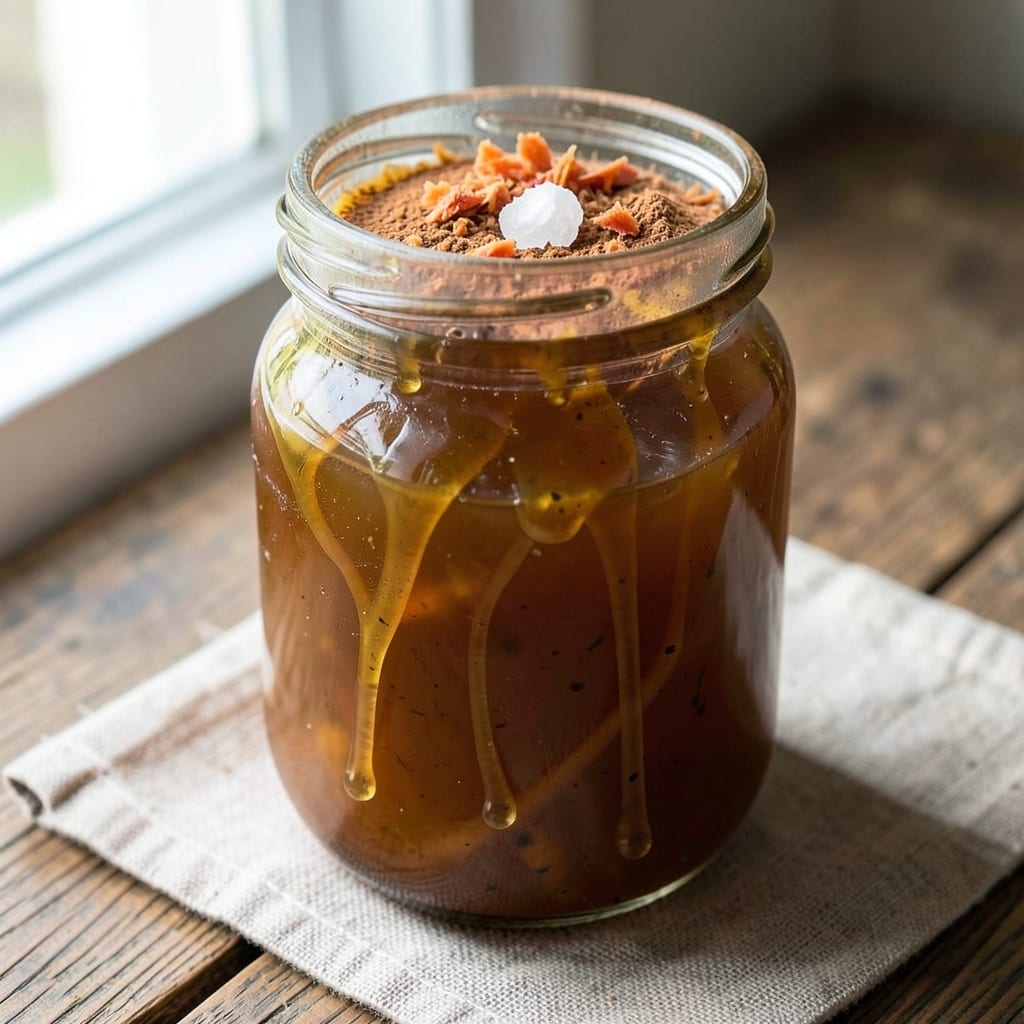
This apple cider shrub recipe transforms simple pantry staples into a tangy, aromatic condiment that elevates everything from cocktails to charcuterie boards. The fermentation process creates a bright, complex flavor that bridges sweet and tart—perfect for adding depth to drinks or brightening up dips. I developed this version after realizing how versatile shrubs can be, far beyond just cocktail mixers.
The beauty of this recipe lies in its simplicity: just apple cider, vinegar, honey, and a touch of cinnamon for warmth. Unlike store-bought versions, this shrub ferments naturally over two weeks, developing layers of flavor that make it worth the wait. The result is a vibrant, slightly effervescent liquid that adds zing to both savory and sweet dishes.
Once ready, this shrub works magic in cocktails (try it in a spritz or mocktail), as a glaze for roasted vegetables, or drizzled over vanilla ice cream for a sophisticated twist. The fermentation process also makes it shelf-stable for months, so you can make a big batch and enjoy it all season long.
Whether you're a home bartender or just love bright, flavorful condiments, this apple cider shrub delivers restaurant-quality results with minimal effort. The key is patience—letting the flavors develop fully ensures every drop tastes like fall in a bottle.
Ingredients for apple cider shrub
Four simple ingredients plus a touch of spice create this vibrant fermented shrub.
| Ingredient | Amount | Notes |
|---|---|---|
| Unfiltered Apple Cider 🍎 | 2 cups | Cloudy, unfiltered preferred |
| White Vinegar 🍶 | 1 cup | Distilled or apple cider vinegar |
| Raw Honey 🍯 | 1 cup | Local honey for depth of flavor |
| Ground Cinnamon 🌿 | 1 tbsp | Ceylon cinnamon preferred |
| Fresh Ginger 🌶️ | 1 tbsp | Finely grated, peeled |
| Sea Salt 🧂 | ½ tsp | Fine grain preferred |
| Fresh Lemon Juice 🍋 | ¼ cup | Freshly squeezed, no pulp |
| Vanilla Bean Seeds 🌸 | 1 tsp | Scraped from 1 bean |
The apple cider makes or breaks this shrub—unfiltered, cloudy cider has the best flavor and natural fermentation kick. Local orchards or Trader Joe's often carry the good stuff. If you can't find unfiltered, pasteurized cider works in a pinch, but it'll be less complex. The honey should be raw and local if possible—local honey stores or farmers markets are great sources. For ginger, grab the freshest root you can find (the peel should be smooth and unblemished) and grate it yourself—pre-grated loses potency fast. Cinnamon? Ceylon over cassia for a smoother flavor, but regular ground works too.
No apple cider vinegar? White vinegar or rice vinegar both work, though the flavor will be slightly different. Running short on honey? Maple syrup at a 1:1 ratio keeps things vegan, though the texture will be slightly thicker. Fresh ginger too spicy? Reduce to 0.5 tbsp or swap for 1 tsp ground ginger. The lemon juice can be bottled, but fresh is always better—just strain out any pulp. No vanilla bean? Pure vanilla extract at half the amount works, though it lacks that beautiful speckled look. For a boozy twist, add 1 oz bourbon or brandy to the mix before fermenting.
This shrub ferments best in a glass jar with an airlock or tight lid—burping it daily prevents overflow. Keeps in the fridge for up to 6 months, though it'll taste best within the first 3 months. For gifting, use amber glass bottles to protect from light. The flavor actually improves with age, developing deeper complexity over time. I always make a double batch—one for drinks, one for roasted veggies. The effervescence fades after opening, so drink it up within 2 weeks once opened.
Why You'll Love This Recipe
- Five-Ingredient Magic: I swear by this combo—just cider, vinegar, honey, cinnamon, and ginger. No fancy tools, no stress, and zero measuring headaches. Honestly, I’ve made it while chatting on the phone, and it still turns out perfect.
- Spice-Sweet Balance: That first sip? Warm honey cutting through the tang of vinegar, with ginger’s kick and cinnamon’s cozy depth. It’s like autumn in a bottle—bright, complex, and impossible to resist. (Yes, I’ve been known to drink it straight.)
- Pantry-to-Party Ready: Stash a jar in your fridge for when guests show up unexpectedly. Drizzle it over yogurt, mix it into cocktails, or even glaze roasted veggies—it’s the ultimate flavor multiplier. Between us, it’s my go-to for Thanksgiving leftovers too.
- Lasts Forever, Costs Nothing: This shrub keeps for months, and the ingredients? Cheap as dirt. A little goes a long way, so you’re not scrambling to use it up. I’ll be real: I’ve had a jar sitting since last Halloween, and it’s still just as good.
Step-by-step instructions for crafting apple cider shrub
Here's how to create a vibrant, fermented shrub bursting with autumnal warmth.
Combine the Base Ingredients
In a clean, non-reactive glass jar with a lid, combine the 2 cups unfiltered apple cider, 1 cup white vinegar, and 1 cup raw honey. Stir vigorously with a wooden spoon until the honey dissolves completely and the mixture becomes homogenous. The unfiltered apple cider will give your shrub that authentic cloudy texture and deeper flavor profile—don't strain it out.
Add the 1 tablespoon finely grated fresh ginger and 1 teaspoon vanilla bean seeds, stirring gently to distribute. The ginger will infuse its bright, peppery notes while the vanilla adds subtle depth. Let the mixture sit at room temperature for 10 minutes to allow the flavors to begin melding before proceeding.
Season and Prepare for Fermentation
In a small bowl, whisk together the 0.5 teaspoon sea salt and 0.25 cup fresh lemon juice until fully dissolved. This mixture is crucial for balancing the sweetness and acidity of the shrub. Slowly pour it into the jar with the other ingredients, stirring gently to incorporate. The salt will enhance the flavors while the lemon juice adds a bright, citrusy tang that cuts through the richness.
Add the 1 tablespoon ground cinnamon, stirring well to ensure it's evenly distributed throughout the mixture. The cinnamon will lend warmth and complexity, making this shrub perfect for both cocktails and savory applications. Give the jar one final stir to combine all ingredients thoroughly.
Ferment for Optimal Flavor Development
Seal the jar tightly with the lid and let it sit at room temperature for 7-10 days. This fermentation period allows the flavors to meld and develop depth. Shake the jar gently once a day to help distribute the flavors and prevent any separation. You'll notice the mixture will start to bubble slightly—this is a good sign that fermentation is actively occurring.
After 7 days, taste the shrub. It should be tangy, slightly sweet, and complex with notes of apple, ginger, and cinnamon. If you prefer a stronger flavor, let it ferment for an additional 2-3 days, but don't exceed 14 days total to avoid over-fermentation, which can make the shrub taste harsh.
Strain and Store for Freshness
Once the shrub has reached your desired flavor profile, strain it through a fine-mesh sieve or cheesecloth into a clean glass bottle or jar. This removes any sediment and creates a smooth, ready-to-use shrub. The strained solids can be composted or used to make a simple syrup by simmering with equal parts water and honey.
Store the finished shrub in the refrigerator, where it will keep for up to 3 months. The flavors will continue to develop slightly over time, so it's best to use it within this window for peak freshness. This shrub is incredibly versatile—use it in cocktails, drizzle over vanilla ice cream, or even mix into yogurt for a tangy, spiced twist.
Pro Tips For Making Apple Cider Shrub
- STRAIN THE GINGER: Grate it fresh, but don’t skip straining the juice through a fine-mesh sieve—those fibrous bits turn your shrub into a muddy mess. I learned this the hard way after drinking a shrub that tasted like chewing on a bristle brush.
- USE A 1:1 CIDER-TO-VINEGAR RATIO: Equal parts unfiltered cider and white vinegar balance tartness without overpowering. I used to eyeball it and ended up with either a weak sipper or something that stung like a wasp. Measure it out—your taste buds will notice.
- LET THE HONEY DISSOLVE FULLY: Warm the cider and vinegar mixture to about 160°F (just below a boil) before adding honey—this guarantees it blends smoothly, not clumps. Cold honey in hot liquid is a recipe for grainy shrub, and nobody wants that.
- ADD CINNAMON LAST: Sprinkle the ground cinnamon over the cooled shrub and let it sit for 10 minutes before straining—this extracts maximum flavor without turning your drink into a spice-infused sludge. Skip this, and you’re just stirring dust.
Regional styles of this dish
New England Classic
In the Northeast, apple cider shrubs often incorporate maple syrup instead of honey, reflecting the region's love for maple. Swap the honey for 1 cup pure maple syrup and add ½ tsp ground cloves for a cozy, autumnal twist. This version pairs perfectly with lobster rolls or maple-glazed pork tenderloin—a nod to Maine's coastal and farm traditions. 🌲
Southern Spiced Twist
Southern cooks love their heat, so this variation adds ½ tsp cayenne pepper and ½ tsp smoked paprika to the base recipe. The result? A shrub with a smoky-sweet kick that works brilliantly in bourbon cocktails or as a glaze for smoked brisket. I’ve seen it drizzled over peach cobbler for a tangy contrast—trust me, it’s a game-changer. 🔥
Pacific Northwest Berry Fusion
Out west, foragers often blend apple cider with local berries like blackberries or raspberries. Add 1 cup mashed berries (plus their juices) to the base recipe and reduce the honey to ½ cup to balance the fruit’s natural sweetness. This shrub shines in sparkling wine spritzers or as a drizzle for goat cheese plates. The berries add a jammy depth that’s pure Pacific Northwest charm. 🍇
Midwest Apple Orchard Style
The Midwest’s apple orchards inspire a simpler, rustic shrub with dried apple slices (soaked in hot water for 10 minutes) replacing fresh fruit. Add 1 tsp ground allspice for warmth and serve it in apple cider cocktails or as a dip for caramelized onion tartlets. This version feels like a hug in a bottle—perfect for fall gatherings. 🍏
Urban Cocktail Shrub
For city dwellers, this quick-ferment version skips the 10-day wait by using pasteurized apple cider vinegar and 1 tbsp apple cider vinegar (instead of white vinegar) for a cleaner taste. Add 1 oz vodka to the jar before fermenting to boost alcohol content, making it ideal for gin fizzes or whiskey sours. It’s ready in just 3-4 days—perfect for last-minute entertaining. 🍸
Gift-Worthy Holiday Batch
Double the recipe and infuse it with 1 star anise pod and 2 whole allspice berries for a spiced holiday shrub. Package it in amber glass bottles with a ribbon and tag it as a "Shrub for the Holidays"—guests will adore it drizzled over roasted root vegetables or mixed into mulled wine. The spices add a festive aroma that makes it feel like Christmas. 🎄
Nutrition facts
Frequently asked questions
Can I use pasteurized apple cider instead of unfiltered?
Yes, but expect a slightly less complex flavor. Unfiltered cider contains natural yeast and sediment that kickstart fermentation and add depth. If using pasteurized, add 1 teaspoon apple cider vinegar to the jar before sealing to help fermentation along. The texture will be clearer, but the taste will still be delicious.
How do I know when the shrub is ready?
Taste it after 7 days—it should be tangy with balanced sweetness and spice. Look for subtle bubbles in the jar (fermentation activity) and a slightly cloudy appearance. If it tastes too sweet, let it ferment 2-3 more days. Never exceed 14 days or it may become overly acidic.
What can I do with leftover shrub solids?
Compost them or make a simple syrup! Simmer the strained solids with equal parts water and honey (1 cup solids + 1 cup water + 1 cup honey) for 10 minutes, then strain again. This syrup works great in cocktails or drizzled over pancakes. The ginger and cinnamon flavors will still shine through.
Can I make this shrub without alcohol?
This recipe is naturally alcohol-free (the fermentation creates minimal alcohol). For a boozy version, add 1 oz bourbon or brandy during fermentation, but it's not required. The shrub works perfectly in mocktails—try mixing with sparkling water and a splash of ginger ale for a refreshing drink.
Why did my shrub turn cloudy and separate?
This is normal! The cloudiness comes from natural fermentation byproducts. If it separates, simply stir before using. For a clearer shrub, strain it through a coffee filter after the 14-day mark. Avoid refrigerating during fermentation—keep it at room temperature until fully fermented to prevent separation.