
Beverages
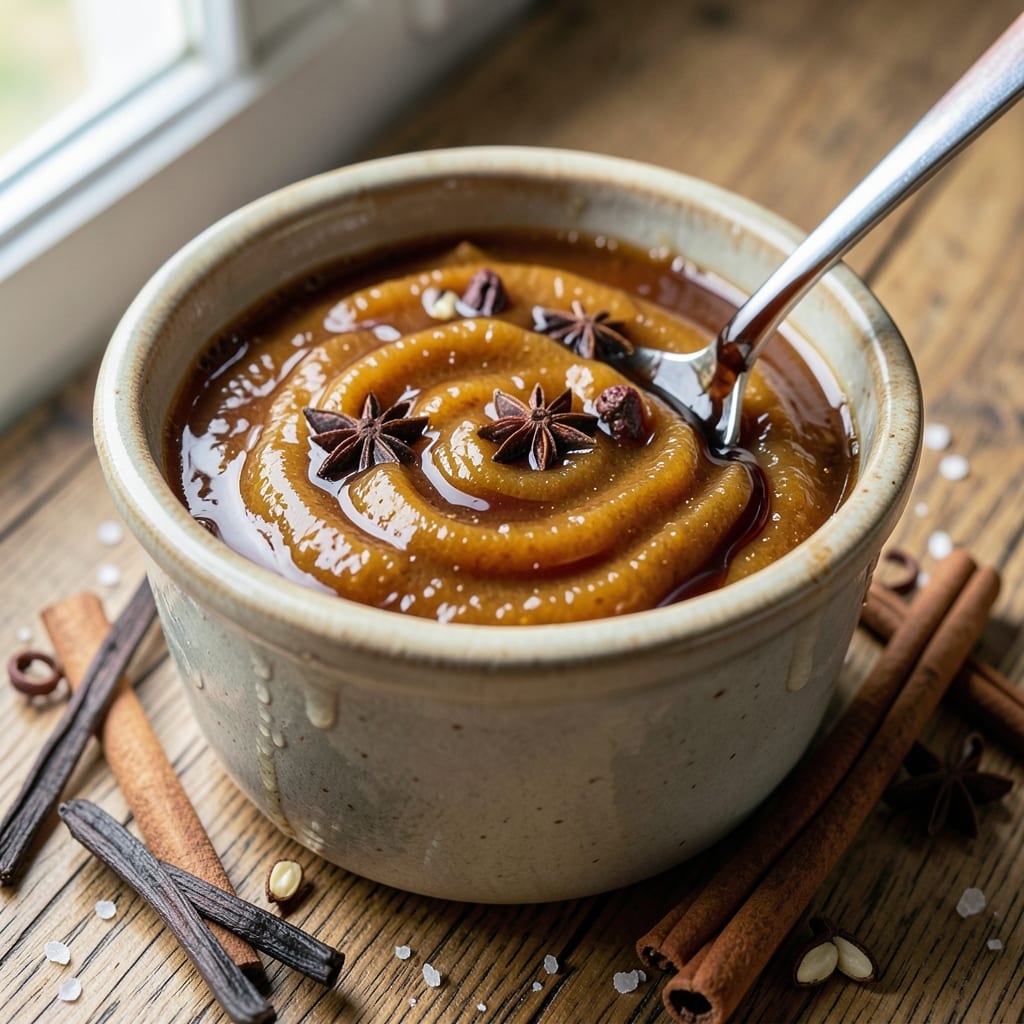
Transforming apple cider into this spiced spread unlocks a world of caramelized depth and aromatic warmth perfect for toast, desserts, or cocktails. The slow simmer reduces the cider into a thick, velvety paste infused with cinnamon, cloves, and a touch of vanilla—creating a texture that clings beautifully to every bite. What starts as a simple simmer evolves into a complex, multi-layered condiment that bridges the gap between sweet and savory.
The process is straightforward yet transformative: apple cider simmers with sugar until it caramelizes into a rich syrup, then spices bloom to release their full flavor. A final touch of butter or cream (or coconut oil for a vegan version) rounds out the texture, ensuring it’s spreadable, glossy, and irresistibly aromatic. This isn’t just a topping—it’s a flavor experience that turns ordinary dishes into something extraordinary.
Once cooled, this spread develops even deeper caramel notes and a smooth, almost buttery consistency, making it ideal for drizzling over pancakes, swirling into coffee, or pairing with sharp cheeses. The spices mellow as it sits, allowing the natural sweetness of the cider to shine through. Whether you’re hosting a holiday gathering or craving a cozy autumn treat, this recipe delivers restaurant-quality depth with minimal effort.
Store it in the fridge for up to two weeks, or freeze for months—its versatility makes it a pantry staple. For added richness, experiment with nutmeg or orange zest, or reduce it further for a glazed finish. Let’s create something that tastes like fall in every spoonful.
Ingredients for apple cider spread
Nine ingredients transform simple apple cider into a luxurious, restaurant-quality spread with caramelized depth.
| Ingredient | Amount | Notes |
|---|---|---|
| Unsweetened Apple Cider 🍎 | 4 cups | High-quality, preferably organic |
| Granulated Sugar 🍚 | 1 ½ cups | Light or dark brown preferred |
| Ground Cinnamon 🌿 | 2 tbsp | Freshly ground for optimal flavor |
| Whole Cloves 🌶️ | 1 tsp | Lightly crushed for aroma release |
| Vanilla Extract 🌸 | 1 tbsp | Pure Madagascar preferred |
| Pure Vanilla Bean Paste 🌸 | 1 tsp | For visible specks and depth |
| Unsalted Butter 🧈 | ½ cup | Cold, cubed for easier incorporation |
| Orange Zest 🍊 | 1 tsp | From organic orange peel |
| Kosher Salt 🧂 | ¼ tsp | Diamond Crystal preferred |
| Ground Nutmeg 🌿 | ½ tsp | Freshly grated for warmth |
The apple cider is the foundation—look for brands like Woodchuck or Angry Orchard for authentic flavor. Organic cider has fewer additives and more natural sweetness, which enhances the caramelization. Sugar choice matters: light brown sugar adds subtle molasses notes, while dark brown gives deeper caramel richness. If using granulated, reduce by 0.25 cup for equivalent sweetness. For spices, Penzeys or bulk bins offer the freshest ground cinnamon and nutmeg. Whole cloves should be lightly crushed between two spoons to release their aroma without bitterness—this is where the depth of flavor emerges during simmering.
No vanilla extract? Seeds from one vanilla bean scraped into the warm spread at the end work beautifully. Substitute orange zest with lemon zest at double the amount, though the citrus profile will differ slightly. Butter can be swapped for coconut oil for a vegan version, though texture will be slightly firmer. For a spicier kick, add a pinch of cayenne at the end. If your cider is tart, increase sugar by 0.25 cup to balance acidity. The key is patience—simmering until reduced by half concentrates the flavors into a velvety consistency that clings perfectly to toast or desserts.
This spread thickens as it cools, developing a smooth, almost buttery mouthfeel. Store in an airtight glass jar in the fridge for up to two weeks, or freeze for three months—portion into ice cube trays for easy single-serving use. For a glaze, reduce an additional 1 cup cider with 0.5 cup sugar until syrupy. The flavors deepen over time, so making a batch ahead for holiday gatherings is ideal. Reheat gently in a saucepan or microwave until smooth. A sprinkle of additional cinnamon before serving enhances its aromatic profile.
Why You'll Love This Recipe
- I’ll be real: this recipe costs me pennies. Apple cider, sugar, and spices are all staples I already have, and it makes enough to last for weeks. Plus, the leftovers? Even better the next day—if there are any. (Spoiler: there won’t be.)
- Simmer Not Stress: I swear by this recipe because it’s basically hands-off. Toss the cider, sugar, and spices into a pot, bring it to a boil, then let it bubble away while I fold laundry or scroll through my phone. No stirring, no watching—just set it and forget it.
- Spiced Like Fall: That first sip? Chef’s kiss. The cloves and cinnamon hit you like a warm hug, but the vanilla extract ties it all together so smoothly. It’s the kind of flavor that makes you want to lick the spoon—seriously, I’ve done it.
- Holiday or Hangry Fix: Between us, this spread is my secret weapon for Thanksgiving, but honestly? I keep a jar in my fridge for when I’m craving something sweet but don’t want to bake. Slather it on toast, dip apples in it, or just eat it straight from the spoon—no judgment here.
Step-by-step instructions for apple cider spread
Transform simple ingredients into a rich, aromatic spread with perfect caramelized depth.
Simmer the Apple Cider and Sugar
In a heavy-bottomed saucepan, combine the 4 cups unsweetened apple cider and 1.5 cups granulated sugar. Bring to a boil over medium-high heat, then reduce to a gentle simmer. Let it cook uncovered for 20-25 minutes, stirring occasionally to prevent sticking. You're looking for the mixture to reduce by about one-third—when it reaches a syrupy consistency and smells intensely of caramelized apples.
This reduction step is critical. It concentrates the natural apple flavors while developing that deep, molasses-like richness. If you see sugar crystals forming on the sides, gently stir them back in—this ensures even caramelization. The spread should thicken noticeably but still be pourable at this stage.
Add Spices and Simmer Further
Once the cider-sugar mixture has reduced, stir in the 2 tbsp ground cinnamon, 1 tsp lightly crushed whole cloves, 0.25 tsp kosher salt, and 0.5 tsp ground nutmeg. Let the mixture simmer gently for another 10 minutes, stirring frequently. The spices will infuse the spread with warm, aromatic notes while the cloves release their distinctive floral aroma.
Here's where the magic happens: the spices should be fully dissolved, and the spread should thicken further to a soft, spreadable consistency. If it's still too thin, continue simmering for 2-3 more minutes—just don't let it boil vigorously, or it may crystallize. The final texture should resemble thick maple syrup with visible spice flecks.
Incorporate Vanilla and Butter
Remove the saucepan from heat and let it cool slightly for 2 minutes—this prevents the butter from seizing. Stir in the 0.5 cup cold, cubed unsalted butter and 1 tbsp vanilla extract using a whisk or rubber spatula. The butter will melt into a silky emulsion, creating a velvety texture. Add the 1 tsp vanilla bean paste and the 1 tsp orange zest, folding them in gently to preserve their delicate flavors.
At this stage, the spread should be smooth and glossy with visible vanilla specks and orange zest particles. If it appears slightly grainy, strain it through a fine-mesh sieve for a polished finish. The orange zest adds a bright, citrusy contrast that cuts through the richness of the spices.
Adjust Consistency and Finish
Return the spread to low heat if it's too thick, and stir in 1-2 tablespoons of water until it reaches a spoonable consistency—it should coat the back of a spoon but still be pourable. Taste and adjust seasoning: add a pinch more cinnamon or salt if needed. The final spread should balance sweetness, spice, and acidity with a lingering warmth from the nutmeg.
For best results, let the spread cool to room temperature before serving. This allows the flavors to meld completely. Store any leftovers in an airtight container in the refrigerator for up to 2 weeks, or freeze for up to 3 months. The spread thickens as it cools, so reheat gently over low heat, stirring occasionally, until smooth again.
Pro Tips For Making Apple Cider Spread
- Simmer Slow and Steady: Don’t rush the reduction—this isn’t a race. A gentle simmer at 200°F (93°C) keeps the cloves from burning and lets the flavors meld properly. I learned this the hard way when my first batch tasted bitter from overcooking.
- Toast Your Spices First: Whole cloves pack more punch if you toast them lightly in a dry pan for 30 seconds until fragrant. This deepens their aroma without bitterness—skip this, and your spread will taste underwhelming.
- Strain Like a Pro: Use a fine-mesh sieve or cheesecloth to remove cloves and sediment. A lazy strain? You’ll end up with a gritty spread that’s more work than it’s worth.
- Balance Sweetness Last: Add vanilla extract and sugar after reducing the cider, not before. This lets you taste and adjust the sweetness properly—trust me, you’ll want to tweak it, and doing it early ruins the balance.
Creative variations of this dish
Spiced Caramelized Twist
For a deeper, more complex flavor profile, add 1 tbsp molasses during the initial simmer with the apple cider and sugar. The molasses enhances caramelization and adds a subtle smoky depth that pairs beautifully with the spices. I also recommend increasing the cinnamon to 2.5 tbsp and adding ½ tsp ground allspice for a warm, almost chai-like aroma. This variation works especially well when drizzled over vanilla ice cream or swirled into coffee. 🌶️
Citrus-Infused Brightness
Brighten the spread by incorporating 2 tbsp fresh lemon juice and 1 tbsp lemon zest along with the orange zest. The acidity cuts through the richness, creating a balanced, refreshing flavor. I like to use this version as a glaze for roasted pork tenderloin or as a topping for pancakes. For an extra citrus kick, add a pinch of cardamom, which complements the lemon beautifully.
Vegan Coconut Cream
Replace the butter with ½ cup coconut cream (chilled overnight) for a rich, dairy-free version. Whisk the coconut cream into the warm spread off the heat, then add 1 tbsp coconut oil for extra smoothness. This variation keeps the same velvety texture but adds a subtle tropical note that pairs wonderfully with baked apples or oatmeal. For extra depth, stir in ½ tsp cinnamon-infused coconut oil at the end.
Caramelized Nut Version
For a nutty twist, toast ½ cup pecans or walnuts in a dry skillet over medium heat for 3-4 minutes until fragrant, then finely chop. Fold the toasted nuts into the spread during the final step for added crunch and richness. This version is perfect for spreading on toast with sliced apples or drizzling over cheese boards. For extra indulgence, add 1 tbsp honey during the simmer to complement the nuts.
Herbal Sage-Eucalyptus
Infuse the spread with herbal notes by adding 2 fresh sage leaves and ½ tsp dried eucalyptus leaves (culinary-grade) during the initial simmer. Remove the herbs before adding the spices, as their flavors can become bitter if overcooked. This variation has a sophisticated, slightly earthy profile that works beautifully with game meats like venison or as a drizzle for roasted sweet potatoes. 🌿
Boozy Maple Whiskey
Elevate the spread with a 2 tbsp whiskey or bourbon (like Maker's Mark) added during the final simmer. The alcohol burns off, leaving behind a warm, smoky depth that enhances the caramelized flavors. This version is perfect for drizzling over cheesecake or swirling into hot chocolate. For an extra touch, add ½ tsp smoked paprika to complement the whiskey notes. 🥃
Nutrition facts
Frequently asked questions
Can I make this spread without butter?
For a dairy-free version, replace the 0.5 cup butter with ½ cup coconut cream (chilled overnight) plus 1 tbsp coconut oil for smoothness. The texture will be slightly firmer but still spreadable, especially when warmed. This vegan adaptation works beautifully with baked apples or oatmeal.
How do I know when the spread is thick enough?
The spread should coat the back of a spoon but still be pourable—like thick maple syrup with visible spice flecks. If it's too thin, simmer uncovered for 2-3 more minutes; if too thick, stir in 1 tbsp water. Test consistency frequently during the final 10-minute simmer to avoid over-reduction.
Will this spread thicken more as it cools?
Yes! The spread develops a smooth, almost buttery texture as it cools—this is normal and desirable. For immediate use, reheat gently over low heat with 1 tbsp water per cup of spread until smooth. Store leftovers in an airtight jar in the fridge for up to 2 weeks.
Can I substitute maple syrup for apple cider?
While possible, the flavor will be different. Apple cider provides the unique caramelized depth and subtle tartness that maple lacks. If substituting, reduce 2 cups maple syrup with 0.5 cup water to mimic the reduction process, then add spices as directed. For best results, stick with cider for authentic autumnal flavor.
How can I use this spread beyond breakfast?
This versatile spread elevates savory dishes too! Drizzle over roasted pork tenderloin, swirl into mashed sweet potatoes, or pair with sharp cheeses like aged cheddar. Try it as a glaze for brisket or as a topping for grilled chicken. The spices and caramelized sweetness bridge sweet/savory beautifully.