
Beverages
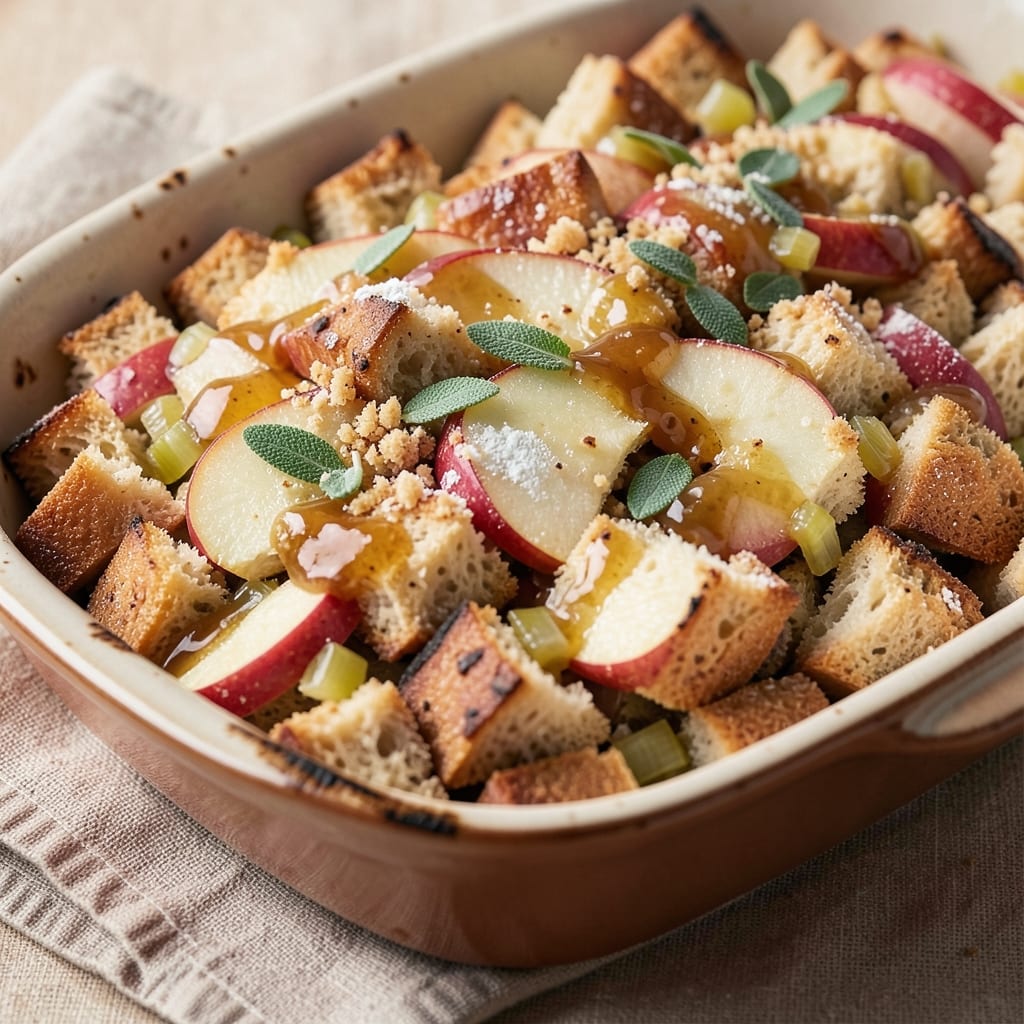
This apple cider stuffing recipe transforms a classic holiday side into something extraordinary—warm, aromatic, and packed with the cozy flavors of fall. 🍂 The secret lies in infusing tender bread cubes with sautéed apples, onions, and celery, then baking until golden and fragrant with cinnamon, sage, and thyme. I developed this version after years of perfecting the balance between sweet and savory, ensuring every bite delivers that perfect harmony of textures and spices.
What sets this stuffing apart is the way the apples caramelize during baking, adding natural sweetness that complements the herby, spiced bread. You'll start with a simple sauté of onions, celery, and diced apples—just enough time to soften them without losing their texture—then mix in cubed bread, cider, and a blend of warm spices. The result is a stuffing that's moist, flavorful, and impossible to resist.
Baking at 375°F for about 30 minutes ensures the stuffing reaches that ideal golden-brown finish, with crispy edges and a tender, custard-like interior. The aroma alone will fill your kitchen with the essence of autumn, making it perfect for Thanksgiving or any cozy gathering. Serve it alongside roasted turkey, ham, or even as a hearty side for holiday dinners.
This recipe is designed to be foolproof, with clear steps that even beginner cooks can follow. The ingredients are simple—just a few staples and a handful of fresh herbs—but the outcome is anything but ordinary. Once you try this apple cider stuffing, it will become a staple in your holiday rotation. Let's get started!
Ingredients for apple cider stuffing
Eight cozy ingredients blend autumn flavors into this unforgettable stuffing masterpiece.
| Ingredient | Amount | Notes |
|---|---|---|
| Day-Old Bread 🍞 | 8 cups | Cubed, crusts removed |
| Granny Smith Apples 🍎 | 2 medium | Peeled, diced (about 2 cups) |
| Yellow Onion 🧅 | 1 whole | Diced small |
| Celery Stalks 🧅 | 3 whole | Diced small |
| Unsalted Butter 🧈 | ½ cup | Melted, full-fat preferred |
| Apple Cider 🍎 | 1 ½ cups | Unsweetened, chilled |
| Chicken or Vegetable Broth 💧 | 1 ½ cups | Low-sodium preferred |
| Fresh Sage Leaves 🌿 | ½ cup | Chopped finely |
| Fresh Thyme Leaves 🌿 | 2 tbsp | Chopped finely |
| Ground Cinnamon 🌶️ | 1 tbsp | Freshly ground preferred |
| Ground Nutmeg 🌶️ | ½ tsp | Freshly grated |
| Salt 🧂 | 1 tsp | Kosher or sea salt |
| Black Pepper 🌶️ | ½ tsp | Freshly ground |
| Large Eggs 🥚 | 2 whole | Room temperature |
The bread is non-negotiable here—day-old works best, but if you're fresh out, toast it first to dry it out. I grab a loaf of crusty sourdough from Whole Foods or Trader Joe's for that perfect texture. Granny Smith apples add the right tartness, but Fuji or Honeycrisp work too. Just make sure they're firm, not mushy. The herbs? Fresh is ideal, but if you're using dried, cut the amount in half—Penzeys has great bulk bins for this. For the broth, low-sodium is key since we're adding plenty of salt later.
No Granny Smiths? Any crisp apple works—just adjust sweetness with extra cinnamon. Running low on sage? Thyme or rosemary can step in, but sage is the star here. The butter matters—full-fat is non-negotiable for that rich flavor. Short on eggs? Flax eggs (1 tbsp ground flax + 3 tbsp water per egg) work in a pinch. The cider can be swapped for apple juice**, but cider has more depth. And if you're making this ahead, prep everything up to baking—it reheats beautifully.
This stuffing tastes even better the next day, so make it ahead if you can. Store leftovers in an airtight container for up to 5 days in the fridge. For freezing, portion into single servings—they thaw perfectly in the microwave. The bread cubes stay freshest if you cube them right before mixing, but if you're prepping ahead, toast them first and store in a sealed bag. The herbs? Keep them wrapped in damp paper towels in the fridge for up to 5 days—they lose flavor fast once picked.
Why You'll Love This Recipe
- No Waste, All Flavor: I swear by using day-old bread—no stale crumbs, just perfect texture. And those Granny Smith apples? They sweeten up beautifully while keeping the stuffing bright, not cloying.
- One-Pan Magic: Honestly, this is my lazy Sunday go-to. Toss everything—celery, onion, butter, bread—into one bowl, bake, and boom. No chopping marathon, no messy pans. My kids even help stir.
- Holiday or Weeknight: Between us, I serve this at Thanksgiving and as a side for roasted chicken on a Tuesday. The apple cider twist makes it feel special without the fuss—just add broth and bake.
- Budget-Friendly Luxury: Butter, apples, and bread? Check. Fills a crowd for pennies. And the leftovers? Reheat them with a splash of cider and they taste like they just came out of the oven. My wallet thanks me.
Step-by-step instructions for apple cider stuffing
Here's how to transform simple ingredients into a fragrant, golden stuffing with perfect texture.
👨🍳 Step 1: Prep the Bread and Vegetables
Start by tearing the 8 cups day-old bread into 1-inch cubes and removing any crusts. I like to work in batches—place half the bread cubes in a large mixing bowl. This size ensures they absorb moisture evenly without becoming soggy.
Next, peel and dice the 2 medium Granny Smith apples into small, even pieces (about 2 cups total). The acidity in Granny Smiths balances the sweetness beautifully. Finely dice the 1 whole yellow onion and 3 whole celery stalks—small pieces ensure they cook through completely without becoming mushy.
🍳 Step 2: Sauté the Vegetables and Spices
Melt the 0.5 cup unsalted butter in a large skillet over medium heat. Add the diced onion, celery, and apples, cooking for 8-10 minutes until softened but not browned. You'll smell that wonderful caramelization starting—this is where the magic begins.
Stir in the 0.5 cup finely chopped fresh sage leaves, 2 tbsp chopped fresh thyme leaves, 1 tbsp ground cinnamon, 0.5 tsp ground nutmeg, 1 tsp salt, and 0.5 tsp black pepper. Cook for another 2 minutes until the spices are fragrant and the vegetables are tender. Remove from heat and let cool slightly.
🥘 Step 3: Combine Everything in a Bowl
Transfer the sautéed vegetable mixture to the bowl with the bread cubes. Add the 1.5 cups chilled apple cider and 1.5 cups chicken or vegetable broth (low-sodium preferred). The liquid should just begin to moisten the bread—if it looks dry, add 1-2 tablespoons more broth. Mix gently but thoroughly with your hands or a wooden spoon.
Here's the thing—don't overmix. You want the bread to stay slightly irregular, which creates those beautiful pockets of texture. The stuffing should look moist but not wet, like a damp sandcastle. If it feels too dry, add another splash of broth.
🍳 Step 4: Add Eggs and Final Mixing
Crack the 2 whole large eggs (room temperature) into the bowl and mix gently until just combined. The eggs will bind everything together as it bakes. I like to use my hands for this part—it helps distribute the eggs evenly and creates that perfect bread pudding texture.
Taste the mixture and adjust seasoning if needed. The spices should be warm and inviting, with a hint of apple sweetness. If it needs more depth, add a pinch of cinnamon or nutmeg. The stuffing should be flavorful but not overpowering—balance is key.
🔥 Step 5: Bake to Golden Perfection
Preheat your oven to 375°F and grease a 9x13-inch baking dish. Transfer the stuffing mixture to the dish and spread it evenly. For extra crispy edges, I press down gently on the top—this prevents it from puffing up too much and ensures even browning.
Bake for 35-40 minutes until the top is golden brown and the center feels firm when gently pressed. The stuffing should be moist but not wet, with a crispy exterior that gives way to tender, spiced bread. If the top browns too quickly, tent it with foil for the last 10 minutes of baking.
Let it rest for 5-10 minutes before serving—this allows the juices to redistribute, ensuring every bite is moist and flavorful. Serve warm with your favorite main dish and watch it disappear!
Pro Tips For Making Apple Cider Stuffing
- SAUTE ONIONS LOW AND SLOW: I learned this the hard way—blasting onions on high heat turns them bitter and mushy. For apple cider stuffing, cook them at medium-low for 8-10 minutes until translucent and just starting to caramelize. The extra patience pays off when you taste that deep, sweet base under the apples.
- GRATE APPLES, DON’T CHOP: Yes, even if you’re impatient like me. A box grater gives you fine, even shreds that melt into the stuffing instead of sitting as chunks. Skip the food processor—it makes the texture gummy. (And save yourself the cleanup of a sticky blade.)
- DRY THE BREAD WELL: This isn’t the prettiest method, but it’s the tastiest: Tear day-old bread into chunks, spread them on a baking sheet, and pop in a 300°F oven for 10 minutes. The dryness soaks up the cider and butter better, so you don’t end up with a soggy mess. (Your future self will thank you.)
- SWEAT CELERY FIRST: Add celery to the pan with the onions and cook for 3-4 minutes before tossing in the apples. This softens the stalks slightly and prevents them from turning to mush later. I was skeptical until I tried it—now I never skip it.
Common mistakes when making perfect results
Over-Soaking the Bread
One of the biggest mistakes is adding too much liquid, which turns your stuffing into a soggy mess. The bread should be moist but not wet—think of it like a damp sandcastle. If your mixture feels like wet sand, you've overdone it. I've found that 1.5 cups of liquid total (cider + broth) is perfect for 8 cups of bread, but always taste and adjust. If it looks dry, add just 1 tablespoon at a time until it reaches the right consistency. 🍞
Skipping the Sauté
Many recipes call for raw vegetables, but I strongly recommend sautéing the onions, celery, and apples first. This step builds flavor by caramelizing the vegetables and releasing their natural sweetness. If you skip it, your stuffing will taste bland and underseasoned. Cook the veggies for 8-10 minutes over medium heat until softened but not browned—they should still hold their shape. This step is non-negotiable for depth of flavor.
Using Fresh Bread
Fresh bread absorbs liquid too quickly, leading to a dry, crumbly stuffing. Day-old bread is ideal because it's slightly stale, which helps it hold its shape and absorb moisture evenly. If you only have fresh bread, toast it first to dry it out. I've made this mistake before—trust me, the texture suffers. For best results, use bread that's at least 24 hours old, or toast it thoroughly if you're in a pinch.
Overmixing the Stuffing
Mixing too vigorously compresses the bread cubes, creating a dense, uniform texture instead of the beautiful, airy pockets we want. Gently fold in the liquid and eggs with your hands or a wooden spoon—just until combined. The stuffing should look slightly uneven, with some bread cubes still visible. Overmixing is a common pitfall, especially when using a stand mixer. By hand is always better for this step.
Ignoring the Rest Time
Serving stuffing immediately after baking can lead to dry, crumbly bites because the juices haven't redistributed. Always let it rest for 5-10 minutes before serving. This allows the moisture to settle evenly, ensuring every bite is tender and flavorful. I've learned this the hard way—skipping the rest time means missing out on that perfect texture. Patience pays off here! ⏰
Underestimating Spice Balance
The spices in this recipe are meant to complement the sweetness of the apples and cider, not overpower them. I've seen recipes where the cinnamon or nutmeg was added too generously, making the stuffing taste like dessert instead of a savory side. Start with the recommended amounts and taste as you go. If it needs more warmth, add a pinch of cinnamon or nutmeg, but remember—you can always add more, but you can't take it out. Balance is everything.
Nutrition facts
Frequently asked questions
Can I make this stuffing without eggs?
Replace the 2 eggs with 2 tablespoons cornstarch mixed with 3 tablespoons water for a vegan version. For gluten-free, use a 1:1 gluten-free bread blend and ensure your broth is certified GF. The texture stays moist and holds together beautifully.
How far ahead can I prepare the stuffing?
This recipe makes an excellent make-ahead dish! Assemble everything up to baking, then cover tightly and refrigerate for up to 24 hours. Bake as directed, adding 5-10 extra minutes if cold. For freezing, bake first, then cool completely before wrapping in foil. Reheat at 350°F for 20-25 minutes until warmed through.
What's the best bread for this recipe?
Stick with day-old sourdough, brioche, or challah for the best texture—their sturdy structure holds up to baking. Avoid soft white bread (it gets mushy) or overly crusty varieties (they stay too firm). For extra richness, try a baguette or Italian bread with added herbs. The key is bread that's slightly stale but still tender.
Can I substitute apple cider with something else?
Yes! Use unsweetened apple juice (same amount) for a milder flavor, or white grape juice for depth. For a savory twist, swap with low-sodium chicken broth + 1 tbsp apple cider vinegar. Avoid sweet juices like orange—they'll overpower the spices. The liquid should complement the apples, not compete with them.
Why did my stuffing turn out dry?
Dry stuffing usually means either too much baking time or not enough liquid. Check your oven temp (use an oven thermometer) and reduce to 350°F if needed. For future batches, add 1-2 extra tablespoons broth if the mixture looks dry before baking. The bread should be moist but not soggy—like a damp sponge.