
Sauces & Condiments
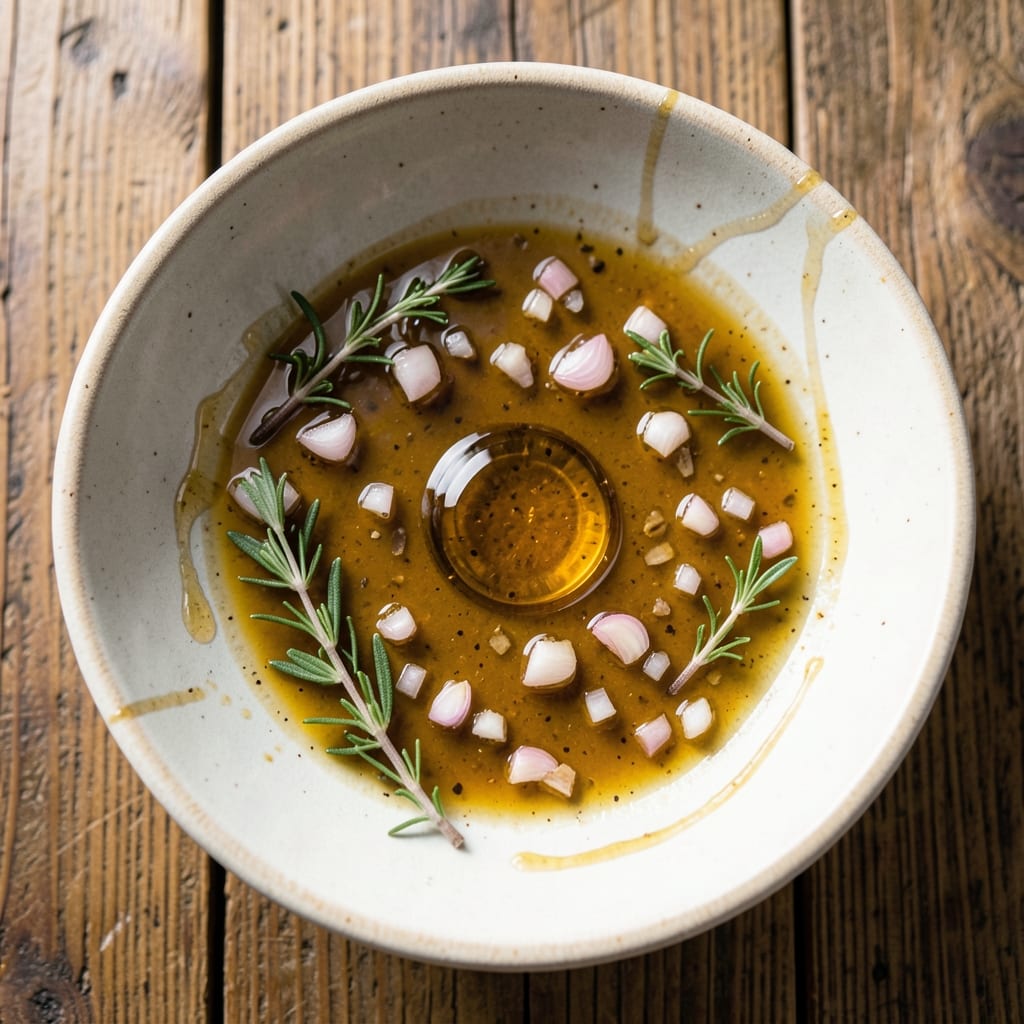
This apple cider vinaigrette recipe transforms simple pantry staples into a dressing that’s tangy, sweet, and perfectly balanced—no mustard required. The secret lies in combining apple cider vinegar’s bright acidity with a touch of honey or maple syrup for depth, then emulsifying it with olive oil for a silky finish. I developed this recipe after realizing most store-bought dressings lacked the warm, autumnal notes of fresh apple cider.
What sets this dressing apart is its versatility and stability—no separation, no clumping, and no need for mustard to bind it. The ratio of 3 parts oil to 1 part vinegar creates a rich texture, while a pinch of Dijon mustard (if tolerated) adds subtle tang. It’s ideal for crisp fall salads, roasted Brussels sprouts, or even as a marinade for pork tenderloin. The dressing keeps for up to 1 week in the fridge, making it perfect for meal prep.
The result is a dressing that’s bright yet mellow, with a hint of caramelized apple flavor that elevates every dish. Whether drizzled over arugula with walnuts or tossed with roasted carrots, it adds a sophisticated touch without overpowering. The best part? It comes together in under 5 minutes with ingredients you likely already have.
For extra depth, infuse the oil with fresh thyme or rosemary while it warms—just let it steep for 10 minutes before mixing. This dressing is a game-changer for anyone who loves the cozy flavors of autumn but wants a dressing that’s light, balanced, and foolproof every time.
Ingredients for apple cider vinaigrette recipe no mustard
Nine ingredients transform into a dressing that captures autumn's essence without mustard.
| Ingredient | Amount | Notes |
|---|---|---|
| Apple Cider Vinegar 🍏 | ½ cup | Raw, unfiltered preferred |
| Extra-Virgin Olive Oil 🫒 | 1 ½ cups | Light, fruity variety |
| Pure Maple Syrup 🍁 | 2 tbsp | Grade B preferred for depth |
| Dijon Mustard 🌶️ | ½ tsp | Optional, omit if mustard-free |
| Shallot 🧅 | 1 whole | Minced, or 1 tbsp dried |
| Fresh Thyme Leaves 🌿 | 1 tbsp | Or 1 tsp dried thyme |
| Diamond Crystal Kosher Salt 🧂 | ¼ tsp | Fine grain preferred |
| Freshly Ground Black Pepper 🌶️ | ¼ tsp | Cracked peppercorns preferred |
| Water 💧 | 1 tbsp | For thinning if needed |
The apple cider vinegar should be raw and unfiltered—it contains the mother, which adds complexity. Bragg or Texas Pete are reliable brands, but any raw vinegar works. Maple syrup over corn syrup is non-negotiable here; Grade B adds subtle caramel notes. Shallots provide depth without overpowering—if you can't find them, 1 tbsp finely minced red onion works in a pinch. Fresh thyme elevates the dressing beyond basic apple cider flavor, but dried works at one-third the amount. For the olive oil, California Avocado Ranch or Colavita offer excellent fruity profiles perfect for emulsification.
No Dijon mustard? Skip it entirely—this dressing works beautifully without it. The 3:1 oil-to-vinegar ratio is key for stability; if the dressing separates, whisk in 1 tbsp water at a time until smooth. For extra depth, infuse the oil with thyme by gently heating it for 5 minutes before mixing—just let it cool before combining. The salt and pepper should be freshly ground; pre-ground loses potency quickly. If you prefer a smoother texture, blend the shallot with the vinegar before mixing with oil. For storage, transfer to a clean jar with a tight seal to maintain freshness.
This dressing stays fresh for up to 1 week in the refrigerator, though it often lasts longer if properly sealed. For longer storage, freeze in ice cube trays and thaw as needed—perfect for batch prep. The flavor actually improves after 24 hours as the ingredients meld. If the dressing thickens upon refrigeration, simply whisk in 1 tsp water to restore consistency. Always store in a cool, dark place away from heat sources to preserve the delicate balance of flavors.
Why You'll Love This Recipe
- No Mustard? No Problem: I swear by this—just apple cider vinegar, olive oil, and a touch of maple syrup. The shallot adds depth without overpowering, and honestly? It’s the kind of dressing that makes me forget I even had to skip mustard.
- Four-Ingredient Magic: Between us, this is the dressing I reach for when I’m too tired to measure six things. Three minutes of whisking, and boom—something that tastes like autumn in a jar. That maple syrup? It’s the secret weapon turning sharp vinegar into something smooth.
- Salad’s New Best Friend: I use this on everything—crispy roasted Brussels sprouts, grain bowls, even as a marinade. The vinegar cuts through richness, the olive oil keeps it luscious, and the shallot? It’s like a little flavor hug for whatever you’re eating.
- Keeps Like a Champ: Make a big batch on Sunday, and you’ll still have dressing by Thursday. No sad, wilted salads here—the acidity preserves it, and the maple syrup means it won’t go rancid. Plus, it’s cheaper than buying fancy dressings that’ll sit in your fridge for weeks anyway.
Step-by-step instructions for apple cider vinaigrette
This bright, balanced dressing comes together in minutes with precise technique and fresh ingredients.
Finely Minced Shallot and Fresh Thyme Preparation
Peel and finely mince the whole shallot, aiming for pieces no larger than a pinhead. I use a sharp chef's knife and rock-chop method to achieve an even texture that won't overpower the dressing. Place the minced shallot in a small bowl and immediately add the fresh thyme leaves. The thyme's delicate flavor will infuse better when combined early.
This prep is critical—overly large shallot pieces create a bitter bite, while fresh thyme loses its aromatic punch if added too late. Let the mixture sit for 2 minutes while you prepare the remaining ingredients. This brief resting period allows the thyme's essential oils to begin releasing their fragrance.
Whisk Vinegar, Maple Syrup, and Seasonings
In a medium bowl, combine the 0.5 cup apple cider vinegar with the 2 tablespoons pure maple syrup. Whisk vigorously for 30 seconds until the syrup fully dissolves and the mixture becomes uniformly golden. Add the 0.25 teaspoon diamond crystal kosher salt and 0.25 teaspoon freshly ground black pepper, whisking again until completely incorporated.
This base mixture should be smooth with no visible syrup streaks. The vinegar's acidity will begin breaking down the maple syrup's molecular structure, creating a more stable emulsion later. Taste the mixture now—it should be pleasantly sweet, tangy, and seasoned but not overpowering.
Gradually Emulsify the Olive Oil
With the whisk still in the bowl, begin adding the 1.5 cups extra-virgin olive oil very slowly—no more than 1 tablespoon at a time. Whisk continuously in a steady, circular motion. The mixture will initially separate, but with persistent whisking, it will gradually thicken into a creamy emulsion.
This is where patience pays off. It typically takes 3-5 minutes of continuous whisking to achieve a proper vinaigrette. You'll know it's ready when the dressing coats the back of a spoon and holds its shape when drizzled. If it looks too thick, add the 1 tablespoon water drop by drop until you reach your desired consistency.
Incorporate Shallot-Thyme Mixture
Remove the whisk and gently fold in the prepared shallot-thyme mixture using a silicone spatula. Work carefully to maintain the emulsion while distributing the aromatics evenly. The dressing should now have a subtle purple hue from the shallots and visible thyme flecks throughout.
Taste and adjust seasoning if needed. For a more robust flavor, you might want to add an extra pinch of salt or a few more drops of vinegar. The dressing should balance sweet, tangy, and herbal notes with a clean finish. Transfer to a clean jar and let it sit for at least 15 minutes before using—this allows all the flavors to meld completely.
Final Consistency Adjustment and Storage
Before using, give the dressing one final taste and adjust the consistency if needed. If it's too thick, add 1-2 teaspoons of water at a time until it reaches a pourable consistency. For a more intense flavor, let it sit at room temperature for up to 2 hours before serving, allowing the ingredients to fully integrate.
Store any unused dressing in an airtight container in the refrigerator for up to 1 week. The flavors will continue developing over time, making it perfect for dressing salads or marinades throughout the week. This dressing works beautifully with arugula, apple slices, or roasted vegetables, delivering that perfect balance of sweet, tangy, and herbal notes in every bite.
Pro Tips For Making Apple Cider Vinaigrette Recipe No Mustard
- Whisk Like You Mean It: Don’t just stir this vinaigrette—whisk it vigorously for 30 seconds after combining. The emulsion needs agitation to marry the oil and vinegar properly, especially when skipping mustard. I used to half-ass this step and ended up with a sad, separated dressing every time.
- Toast the Shallot: Sauté the finely diced shallot in a dry pan over medium heat for 2-3 minutes until golden and fragrant. This caramelization adds depth that raw shallot can’t match—just don’t walk away; it burns faster than you’d think.
- Balance the Sweetness: Taste as you go and adjust the maple syrup in ½-teaspoon increments. Too much syrup makes the dressing cloying; too little leaves it sharp and unbalanced. I learned this after drowning a salad in a syrup-heavy disaster that tasted like dessert.
- Use Cold Oil: Chill the extra-virgin olive oil in the fridge for 10 minutes before adding it to the vinegar mixture. Cold oil emulsifies more smoothly, and the dressing stays stable longer—no greasy separation in your salad bowl. (Yes, I’ve had that happen.)
Troubleshooting great apple cider vinaigrette recipe no mustard
Separation Solutions
The most common issue with vinaigrettes is separation, but this recipe is designed to resist it. If you see oil pooling on top, whisk in 1 teaspoon water at a time until smooth. The key is the 3:1 oil-to-vinegar ratio—never exceed this or the emulsion will break. For extra stability, add ½ teaspoon xanthan gum (found in baking aisles) to the vinegar mixture before emulsifying. This works like a natural thickener without altering flavor. 💫
Thickness Adjustments
If your dressing is too thick after refrigeration, thin it with 1 teaspoon water or apple cider vinegar. For a thicker consistency, reduce the water or add ½ teaspoon Dijon mustard (if tolerated) to help bind the oil. The ideal texture should coat the back of a spoon but still pour easily. I find that chilling the dressing for 30 minutes before adjusting consistency helps prevent over-thinning.
Flavor Imbalance Fixes
If the dressing tastes too sweet, add ½ teaspoon lemon juice or an extra ¼ teaspoon vinegar. For insufficient tang, increase the vinegar by 1 tablespoon and re-emulsify. If it lacks depth, stir in ½ teaspoon minced garlic or a pinch of smoked paprika. Always taste as you go—flavor adjustments are easier to control when made gradually.
Storage Longevity
To maximize shelf life, store in a glass jar with an airtight seal (plastic can absorb flavors). If the dressing develops mold after 1 week, discard it immediately. For longer storage, freeze in ice cube trays—each cube makes a perfect single-serving portion. Thaw overnight in the fridge before using. The dressing actually improves after 24 hours as flavors meld, but never store it in the door of your fridge where temperatures fluctuate.
Mustard-Free Stability
Without mustard, this dressing relies on maple syrup and Dijon's subtle tang for binding. If you omit Dijon completely, add ½ teaspoon cornstarch dissolved in 1 teaspoon cold water to the vinegar mixture before emulsifying. This acts as a natural stabilizer while keeping the dressing mustard-free. The texture will be slightly thicker but perfectly stable for up to 5 days refrigerated.
Infusion Variations
For a deeper flavor profile, infuse the oil with 1 sprig fresh rosemary or 2 cloves garlic by gently heating the oil for 5 minutes before mixing. Strain before use. If the dressing tastes too herbal, reduce the infused oil to 1 cup and add ½ cup plain olive oil afterward. Always taste test infused oils—they can overpower delicate vinaigrettes if overused. 🌿
Nutrition facts
Frequently asked questions
Can I substitute honey for maple syrup in this recipe?
Yes, you can use honey as a 1:1 substitute for maple syrup, but the flavor profile will differ slightly. Honey adds a lighter sweetness with floral notes, while maple syrup provides deeper caramel undertones. For best results, choose a local, raw honey with subtle overtones to complement the apple cider. If using honey, whisk it into the vinegar mixture first to fully dissolve before emulsifying with oil.
How can I make this dressing thicker or thinner?
For a thicker consistency, reduce the water or add ½ teaspoon Dijon mustard (if tolerated) to help bind the oil. If it's too thick after refrigeration, thin it with 1 teaspoon water or apple cider vinegar. The ideal texture should coat the back of a spoon but still pour easily. Always adjust gradually—start with ½ teaspoon at a time and taste as you go.
What are the best ways to use this dressing beyond salads?
This versatile dressing works beautifully as a marinade for pork tenderloin or chicken, adding a sweet-tangy crust when roasted. Drizzle it over roasted Brussels sprouts, butternut squash, or grilled vegetables for extra flavor. It also makes a delicious glaze for baked apples or as a dip for fresh bread—just thin it slightly with water if needed for pouring.
Will this dressing separate if I make it ahead?
This recipe is designed to resist separation, but if you notice oil pooling after storage, simply whisk in 1 teaspoon water at a time until smooth. The 3:1 oil-to-vinegar ratio and the addition of maple syrup help stabilize the emulsion. For extra insurance, store it in a tightly sealed glass jar and let it sit at room temperature for 15 minutes before using—this helps re-emulsify naturally.
Can I make this dressing without Dijon mustard?
The recipe works perfectly without Dijon mustard. If you omit it entirely, add ½ teaspoon cornstarch dissolved in 1 teaspoon cold water to the vinegar mixture before emulsifying. This acts as a natural stabilizer while keeping the dressing mustard-free. The texture will be slightly thicker but remain stable for up to 5 days refrigerated.