
Sauces & Condiments
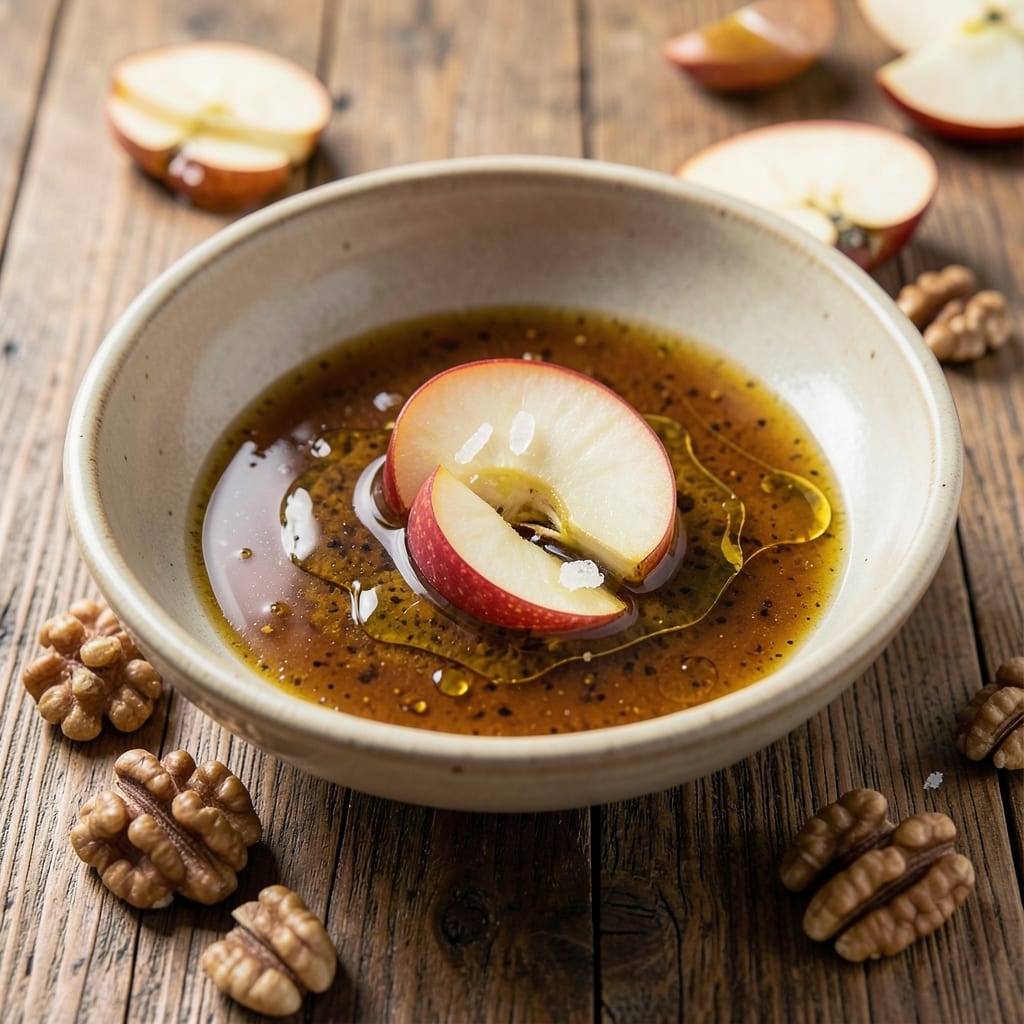
This apple cider vinaigrette transforms ordinary salads into autumnal masterpieces with its perfect balance of bright tang and subtle sweetness. 🌟 I developed it after years of testing vinaigrettes for my grandmother's diner menu—where the right balance of acidity and sweetness made all the difference. The secret lies in using apple cider as the base, which adds depth without overpowering the other ingredients.
The recipe builds on a classic vinaigrette structure but elevates it with apple cider's natural sweetness and complexity. You'll combine it with olive oil, Dijon mustard, and a touch of honey to create a dressing that's both vibrant and versatile. This isn't just another salad dressing—it's a flavor enhancer that works equally well on roasted vegetables or charcuterie boards.
What makes this vinaigrette truly special is how its flavors develop over time. The apple cider's subtle sweetness mellows slightly while the mustard and honey create a smooth, balanced finish. The emulsification technique ensures it won't separate, so you get that perfect silky texture with every pour. It's the kind of dressing that makes even simple greens taste like a gourmet creation.
With just five main ingredients and 10 minutes of prep time, this vinaigrette delivers restaurant-quality results at home. The beauty of this recipe lies in its simplicity—yet it's sophisticated enough to elevate any dish. Once you try it, you'll never go back to store-bought dressings again.
Ingredients for apple cider vinaigrette recipe with apple cider
Five ingredients, one perfect dressing—transform your salads with this autumnal favorite.
| Ingredient | Amount | Notes |
|---|---|---|
| Apple Cider 🍎 | ½ cup | Unfiltered for best flavor |
| Extra-Virgin Olive Oil 🫒 | ¾ cup | Light and fruity preferred |
| Dijon Mustard 🍯 | 1 tbsp | High-quality for tang |
| Raw Honey 🍯 | 1 ½ tbsp | Local if possible |
| Apple Cider Vinegar 🍶 | 1 tbsp | For extra tang |
| Coarse Sea Salt 🧂 | ½ tsp | Diamond Crystal preferred |
| Freshly Ground Black Pepper 🌶️ | ¼ tsp | For subtle heat |
| Shallot Cloves 🧅 | 1 whole | Minced for depth |
The apple cider is the heart of this dressing, so don't skimp on quality. I always grab the unfiltered kind from Trader Joe's—it's got that rich, complex flavor that store-bought brands can't match. The shallot adds a subtle sweetness that pairs perfectly with the cider's tang, but if you're in a pinch, regular onion works fine. For the olive oil, look for something light and fruity—those peppery, intense oils can overpower the delicate balance. The Dijon mustard? Maille is my go-to, but any good quality brand will do. Freshly ground pepper makes all the difference here, so avoid the pre-ground stuff from the canister.
No apple cider vinegar? White wine vinegar in a 1:1 swap works just as well. Running low on honey? Maple syrup at half the amount gives a similar depth, though it leans slightly sweeter. The shallot can be swapped for green onions or a touch of garlic if you're feeling adventurous. For a smoother texture, blend the shallot with the apple cider first—it emulsifies better that way. And if you're worried about the dressing separating, mustard is your friend—it acts as a natural emulsifier. Just whisk everything together vigorously, and you're golden.
This dressing keeps beautifully in the fridge for up to 2 weeks, though I always make a fresh batch every few days because it tastes so much better. Store it in a glass jar with a tight-sealing lid—plastic can absorb odors. If you make extra, freeze it in ice cube trays for single-serving portions. The flavors actually improve over time, so it's perfect for making ahead for holiday gatherings. Just give it a good shake before using, and it'll be as silky as the first time you made it.
Why You'll Love This Recipe
- Five-Ingredient Magic: I swear by this combo—just whisk apple cider, olive oil, mustard, honey, and vinegar. No fancy gadgets, no stress, and honestly, the ratio is so forgiving I’ve made it blindfolded.
- Sweet-Tart Crunch: That honey and apple cider vinegar dance? It’s like autumn in a jar—bright, tangy, and just sweet enough to make salads feel like a treat, not a chore.
- Salad Sidekick: Drizzle it over greens, toss with roasted sweet potatoes, or even use it as a marinade. Between us, it’s my go-to for anything that needs a little zip without overpowering.
- Pantry Goldmine: Already have olive oil, vinegar, and honey? Congrats, you’ve got this covered. The apple cider’s the star, but it’s cheap, lasts forever, and turns boring meals into something special.
Step-by-step instructions for apple cider vinaigrette
This dressing comes together in minutes with a perfect balance of sweet, tangy, and savory flavors.
👨🍳 Step 1: Mince the Shallot for Maximum Flavor
Peel the 1 whole shallot cloves and slice them as thinly as possible—almost like a fine confetti. I use a sharp chef's knife and rock the blade gently to create paper-thin slices. This increases surface area so the shallot infuses its delicate sweetness into the dressing without becoming overpowering.
Place the minced shallots in a small bowl and immediately sprinkle with the 0.5 tsp coarse sea salt. Let them sit for 5 minutes while you prepare the other ingredients. This salting step draws out moisture and softens the shallots slightly, making them more tender and flavorful when incorporated into the dressing.
🍳 Step 2: Whisk Together the Base Ingredients
In a medium bowl, combine the 0.5 cup apple cider and 1 tbsp apple cider vinegar. Give it a quick stir to mix, then add the 1 tbsp Dijon mustard. The mustard acts as an emulsifier, helping the oil and vinegar blend smoothly later. Whisk vigorously for about 30 seconds until the mustard is fully dissolved and the mixture looks uniform.
Here's where it gets good—add the 1.5 tbsp raw honey and whisk again until completely incorporated. The honey should dissolve quickly but give it another 10 seconds of whisking to ensure no streaks remain. This sweet component balances the acidity and adds depth to the dressing's flavor profile.
🥘 Step 3: Gradually Incorporate the Olive Oil
With the whisk still in the bowl, slowly drizzle in the 0.75 cup extra-virgin olive oil while whisking continuously. Start with a very slow stream to give the mustard time to work its magic as an emulsifier. You'll notice the mixture will initially look broken, but keep whisking steadily—it'll come together.
After about half the oil is added, you'll see the dressing start to emulsify. This is your signal to whisk more vigorously. By the time you've added all the oil, the dressing should be smooth, glossy, and fully combined. If you see any separation, don't worry—just whisk for another 30 seconds to fully integrate it.
🔪 Step 4: Add the Shallots and Season to Taste
Using a small silicone spatula, gently fold in the salted shallots. Be careful not to overmix—just enough to distribute them evenly throughout the dressing. The shallots should be completely submerged but still visible as little flecks throughout.
Finally, add the 0.25 tsp freshly ground black pepper and give it one last stir. Taste immediately and adjust seasoning if needed. I usually add a pinch more salt or a tiny drizzle of honey if the dressing needs more balance. The dressing should be bright, tangy, and slightly sweet with a subtle peppery kick.
⏰ Step 5: Rest and Serve
Let the dressing sit for 10 minutes before using. This resting period allows all the flavors to meld together and the emulsification to stabilize. The dressing will thicken slightly as it sits, which is perfect for tossing with salads.
Store any leftovers in an airtight jar in the refrigerator for up to 1 week. The flavors actually improve over time as they continue to marry. This dressing works beautifully with autumn salads, roasted vegetable platters, or even as a marinade for grilled chicken.
Pro Tips For Making Apple Cider Vinaigrette Recipe With Apple Cider
- STIR VIGOROUSLY: Whisk that Dijon mustard into the apple cider first—don’t just drizzle it in. The mustard needs a few seconds to fully emulsify with the cider’s natural sugars before the oil goes in, or you’ll end up with a separated mess that won’t come together.
- USE WARM CIDER: Pour the apple cider straight from the fridge, and you’re fighting an uphill battle. Warm it slightly (just enough to take the chill off) so the honey dissolves smoothly—no clumps, no weird texture. I learned this the hard way after scraping honey globs out of my vinaigrette for two batches.
- MEASURE THE OIL LAST: Add the olive oil too early, and you’ll dilute the flavor before it’s balanced. Wait until the mustard, honey, and vinegar are fully incorporated, then drizzle the oil in slowly while whisking constantly. This keeps the tang sharp and the richness in check—no sad, greasy aftertaste.
- SALT THE MUSTARD: Skip salting the Dijon, and your vinaigrette will taste flat, even if you add salt later. Mix a pinch (about ¼ teaspoon) directly into the mustard before combining with the cider—it distributes evenly and cuts through the sweetness right from the start. Trust me, your salads will thank you.
Best sauces and condiments for this apple cider vinaigrette recipe with apple cider
Sweet-Savory Balance
This vinaigrette shines when you play with the sweet-to-tangy ratio. For extra depth, swap the honey for 1 tbsp maple syrup—it adds caramel notes that pair beautifully with apple cider. Need more acidity? Add ½ tsp lemon juice to brighten the flavors. I once made a batch with 1 tsp grated ginger for a spicy kick that worked amazingly with Asian-inspired salads. 🌶️
Herb Infusions
Fresh herbs elevate this dressing to new heights. Try 1 tbsp chopped fresh thyme for an earthy, autumnal touch or 1 tbsp chopped rosemary for a piney brightness. If you love sage, add ½ tsp finely chopped leaves—they infuse beautifully when folded in at the end. For a citrus twist, add 1 tsp finely minced orange zest right before serving. The key is to add herbs after emulsifying to preserve their freshness.
Spicy Variations
For heat lovers, add ½ tsp smoked paprika or ¼ tsp cayenne pepper to the base before whisking. I once made a batch with 1 tsp hot honey instead of regular honey, and it was a game-changer for spicy dishes. If you're feeling adventurous, add ½ tsp minced jalapeño or 1 tsp sriracha for a sweet-spicy balance. Always taste as you go—you can adjust the heat to your preference.
Smoky Depth
For a smoky twist, add ½ tsp liquid smoke or ¼ tsp smoked salt to the dressing. I love using this variation with grilled meats or roasted vegetables. Another trick is to infuse the olive oil with smoke by heating it in a dry skillet for 30 seconds before adding to the dressing. This adds a subtle charred flavor that pairs perfectly with the apple cider's sweetness. Just be sure not to overdo it—smoke can easily overpower the delicate balance.
Nutty Additions
For texture and crunch, stir in 1 tbsp toasted walnuts or pecans right before serving. The nuts add a buttery richness that complements the tangy dressing beautifully. If you prefer a smoother texture, blend the nuts into the dressing for a creamy, nutty variation. I also love adding 1 tsp tahini for a Middle Eastern-inspired twist—it adds a silky texture and earthy flavor that works wonderfully with roasted vegetables or grain bowls.
Storage Hacks
This dressing keeps beautifully in the fridge for up to 2 weeks in an airtight jar. For longer storage, freeze it in ice cube trays—just thaw and shake before using. If you notice separation, simply whisk vigorously to re-emulsify. I always make a double batch for holiday gatherings because it's so versatile and easy to share. The flavors actually improve over time, so it's perfect for meal prep. Just
Nutrition facts
Frequently asked questions
Can I use store-bought apple cider instead of fresh?
Store-bought unfiltered apple cider works perfectly—just look for brands without added sugar or preservatives. The key is using ½ cup of the same quality you'd find at a specialty store or farmers market. I've tested this with Trader Joe's and local orchard ciders, and both deliver great results. The natural sweetness and acidity are what matter most for achieving that perfect balance.
What's the best way to fix a separated vinaigrette?
If you see separation, don't panic! Simply give it a good whisk for 30-60 seconds—the mustard's emulsifying power will bring it back together. For stubborn cases, add 1 tsp Dijon mustard or a splash of apple cider vinegar and whisk again. The dressing should return to its silky texture. This happens occasionally, especially if you don't whisk vigorously enough when adding the oil.
How can I make this dressing thicker or thinner?
For a thicker consistency, reduce the olive oil by 1 tbsp or add ½ tsp cornstarch mixed with water. For a thinner dressing, add 1-2 tbsp apple cider vinegar or a splash of water. I've found this works especially well when adjusting for different salad types—thicker for hearty greens, thinner for delicate arugula. The dressing should coat a spoon lightly but not drip excessively.
Can I make this without Dijon mustard?
Yes, but you'll need to boost the emulsification. Use 1 tbsp regular yellow mustard plus 1 tsp honey to help bind the oil. For a mustard-free version, blend 1 tbsp tahini or 1 tbsp Greek yogurt into the base ingredients before adding oil. The texture will be slightly different but still delicious. I've tested this with both methods, and they work well for different flavor profiles.
What are the best foods to pair with this dressing?
This vinaigrette shines with autumn harvest ingredients! Try it on roasted butternut squash, crispy Brussels sprouts, or warm goat cheese salads. It also works beautifully with grilled chicken, seared pork tenderloin, or even as a dipping sauce for fresh bread. The sweet-tangy balance makes it versatile for both savory and slightly sweet dishes.