
Beverages
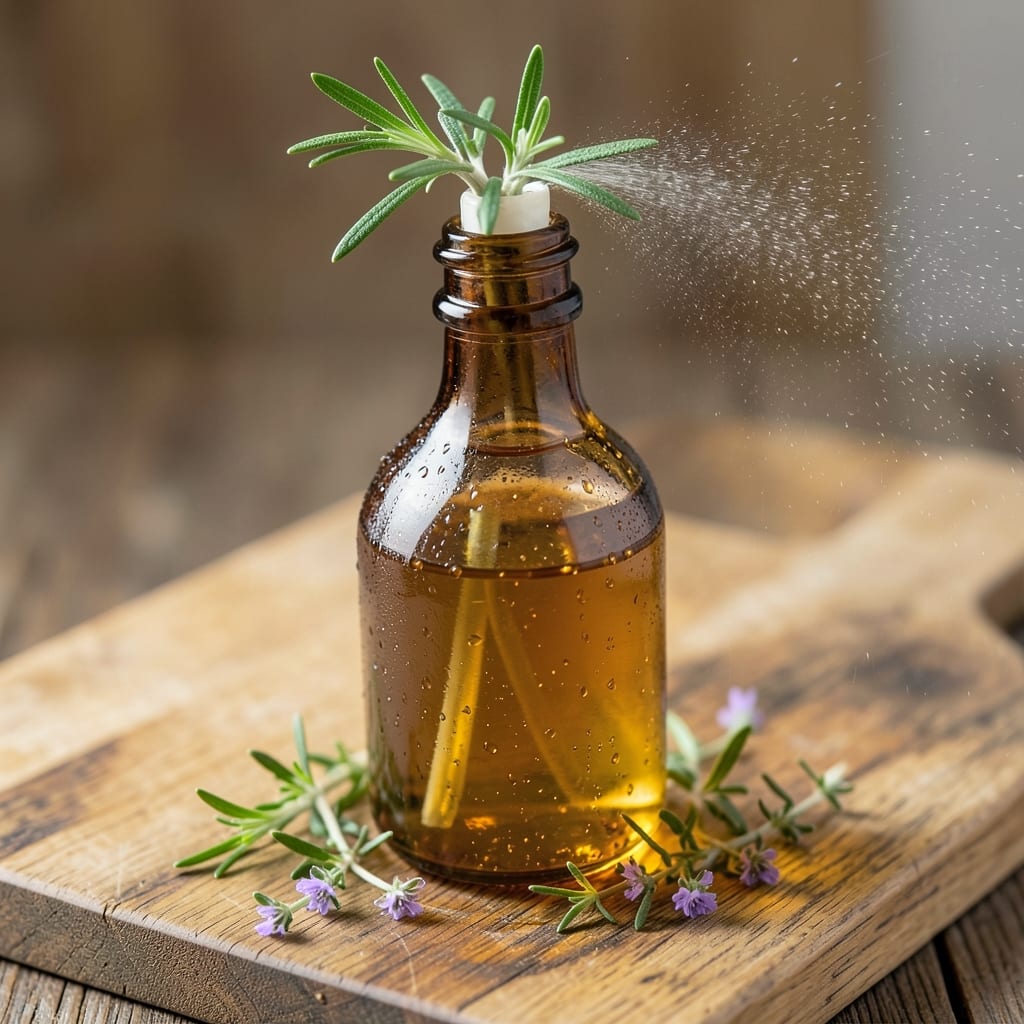
This apple cider vinegar and apple juice spray transforms everything it touches—salads, dips, and even cleaning tasks—with a bright, tangy freshness that store-bought versions can't match. The secret lies in the perfect balance of sharp vinegar and sweet apple juice, creating a versatile spray that elevates flavors without overpowering them. I developed this recipe after realizing how often I reached for vinegar-based dressings, only to find them too harsh or lacking depth.
The beauty of this spray is its simplicity: just two core ingredients—apple cider vinegar and apple juice—combined in a ratio that delivers a crisp, refreshing zing. Optional additions like honey or fresh herbs can customize it for different uses, from a light salad dressing to a marinade base. The spray keeps for weeks in the fridge, making it a pantry staple that’s always ready to brighten up meals.
What makes this recipe truly special is its versatility. Use it as a quick salad dressing, a tangy dip for chips, or even a natural cleaning spray for surfaces. The acidity cuts through richness, while the apple juice adds a subtle sweetness that makes it approachable for everyone. It’s the kind of condiment that proves homemade always tastes better.
With just a few ingredients and minutes of prep, you’ll have a spray that’s as functional as it is delicious. Whether you’re prepping a meal or refreshing your kitchen counters, this recipe delivers results that feel both professional and effortless. Let’s get started!
Ingredients for apple cider vinegar and apple juice spray
Two core ingredients plus optional tweaks for a spray that brightens salads, dips, and cleaning tasks alike.
| Ingredient | Amount | Notes |
|---|---|---|
| Apple Cider Vinegar 🍏 | 1 cup | Raw, unfiltered preferred |
| Apple Juice 🍎 | 1 cup | Unsweetened, cloudy preferred |
| Pure Maple Syrup 🍁 | 2 tbsp | Optional for subtle sweetness |
| Fresh Rosemary 🌿 | ¼ cup | Chopped, optional for herbal note |
| Fresh Thyme 🌿 | ¼ cup | Chopped, optional for depth |
| Distilled Water 💧 | ¼ cup | For spray consistency |
| Sea Salt 🧂 | ¼ tsp | Fine grain, optional for balance |
The apple cider vinegar should be raw and unfiltered—it's got that deeper, tangier flavor that store-bought versions miss. Bragg or Texas Pete are my go-tos, but any raw ACV works. For the apple juice, unsweetened and cloudy (not clear) gives that authentic cider-house vibe. Mott's or Tree Top are solid choices, but honestly, whatever's in your fridge will do. The maple syrup is totally optional—just a touch to soften the sharpness if you're using it for dips or dressings.
No maple syrup? Honey at half the amount works in a pinch, though it's a bit more aggressive. Fresh herbs are where you can get creative—rosemary and thyme are my favorites, but mint or basil give totally different vibes. If you're using this as a cleaning spray, skip the herbs entirely. The distilled water is key for spray consistency—tap water can get cloudy over time. And the salt? Only if you're using it for food—it's not needed for cleaning purposes.
This keeps for 3-4 weeks in the fridge, so make a big batch. I store mine in a glass spray bottle (like those from IKEA or Amazon) to avoid plastic leaching. For cleaning, use a separate spray bottle—just the vinegar and water (no juice or herbs). Shake well before each use, especially if you've added herbs. The flavors actually improve over time, so don't be afraid to make extra.
Why You'll Love This Recipe
- Five-Minute Mix: I swear by this—just shake four ingredients in a spray bottle. No straining, no waiting, no messier steps. The rosemary and thyme wilt right in, so you’re not left with a bunch of stems to deal with later.
- Bright & Tangy Magic: That first spray hits like autumn in a bottle—sharp apple cider vinegar balances the sweetness of the maple syrup, while the apple juice rounds it out. It’s the kind of flavor that makes you reach for the bottle again before the meal even starts.
- Pantry Stash Secret: I keep this in my fridge for everything—salads, roasted veggies, even a quick glaze for grilled chicken. Honestly, it’s my go-to for when I’m too tired to think but still want food to taste like it matters.
- No Waste, All Win: A little goes a long way, so you’ll have leftovers for weeks. Plus, the ingredients are cheap—especially if you grow thyme or rosemary. I’ve used up bottles in under a month, and the cost per use is laughable.
Step-by-step instructions for crafting apple cider vinegar and apple juice spray
This bright, tangy spray comes together in minutes with just a few simple steps.
Combine the Base Ingredients
In a medium glass jar with a tight-fitting lid, pour in the 1 cup apple cider vinegar and 1 cup apple juice. Give it a gentle stir with a clean wooden spoon to ensure they're fully blended. The raw, unfiltered vinegar will give your spray its signature depth of flavor, while the cloudy apple juice adds a subtle sweetness that balances the acidity.
Next, add the 2 tablespoons pure maple syrup and stir again until completely dissolved. This optional ingredient adds just enough sweetness to make the spray more versatile for drizzling over desserts or fruit salads. If you're using this strictly as a salad dressing enhancer, you can skip the maple syrup entirely—it's not necessary for the tangy profile.
Infuse with Herbal Notes
Add the ¼ cup chopped fresh rosemary and ¼ cup chopped fresh thyme to the jar. The rosemary brings a piney freshness that pairs beautifully with the apple flavors, while the thyme adds an earthy depth. Give the mixture another stir to distribute the herbs evenly throughout the liquid.
Here's the thing—if you're using this spray primarily for savory applications like salads or dips, you might want to reduce the herbs slightly or use just one of them. The combination works wonderfully, but it's easy to overpower the delicate apple notes if you're not careful. Taste the mixture at this stage if you're feeling adventurous—you'll get a sense of how the flavors will develop.
Balance and Dilute for Spray Consistency
Add the ¼ teaspoon fine sea salt and the ¼ cup distilled water to the jar. The salt enhances all the flavors and helps balance the acidity, while the distilled water ensures your spray will have the right consistency for misting. Give everything another thorough stir to fully incorporate all ingredients.
This is where the magic happens—don't skip the distilled water. Regular tap water can introduce minerals that affect the spray's consistency and shelf life. The distilled water keeps everything pure and ensures your spray will mist evenly without clogging your spray bottle. If you're concerned about the slight saltiness, taste it now before proceeding—you can always add a touch more maple syrup later if needed.
Let the Flavors Marinate
Seal the jar tightly and let the mixture sit at room temperature for at least 24 hours, though I recommend letting it infuse for up to 48 hours if you have the time. This resting period allows all the flavors to meld together beautifully. The herbs will soften slightly and release more of their aromatic oils into the liquid, creating a more complex flavor profile.
I know it's tempting to use it immediately, but trust me—this waiting period makes a world of difference. After 24 hours, give the mixture a good shake before using. The herbs will have settled at the bottom, so you'll want to distribute them evenly throughout the liquid. This ensures each spray delivers that perfect balance of apple, vinegar, and herbal notes.
Transfer to a Spray Bottle
After the infusion period, carefully strain the mixture through a fine-mesh sieve or cheesecloth into a clean glass spray bottle. This removes the herb bits while allowing the flavorful liquid to pass through. The glass bottle is ideal because it won't absorb odors and allows you to see the beautiful amber color of your finished spray.
Fill the bottle to just below the neck to leave room for shaking. Give it one final shake before your first use to ensure all the flavors are evenly distributed. Your spray is now ready to elevate everything from fresh salads to creamy dips. The acidity will brighten flavors, the apple notes add natural sweetness, and the herbs bring an unexpected depth that makes this spray truly special.
Pro Tips For Making Apple Cider Vinegar And Apple Juice Spray
- STRAIN THE HERBS: Fresh rosemary and thyme are stubborn little branches—don’t just toss them in whole. Give them a quick chop (about 1/4 inch) and strain them out after steeping in the warm liquid. I learned this the hard way when I ended up with a spray that looked like a salad dressing.
- SHOOT FOR ROOM TEMP: Pouring cold apple juice and vinegar straight from the fridge into your bottle? Skip it. Let them sit out for 10 minutes first—warm liquids mix better and dissolve the maple syrup smoothly. Cold liquids separate like a bad relationship, and you’ll end up with a cloudy spray instead of a clean, glossy one.
- MEASURE THE MAPLE SYRUP: This isn’t the time to eyeball it. Too little and your spray tastes like vinegar punch; too much and it’s a sticky mess. Use a kitchen scale for precision: aim for 1 tablespoon of pure maple syrup per cup of liquid. That’s the sweet spot where the acidity and sweetness actually play nice.
- SHAKES BEFORE STORING: Fill your spray bottle, give it a good shake, then let it sit for 5 minutes before sealing. This lets the herbs and syrup settle into the liquid properly—no floating rosemary sprigs when you’re ready to use it. I used to skip this, and half my batches ended up with a herb clog in the nozzle.
Common mistakes when making this recipe
Skipping the Infusion Time
Rushing the 24-48 hour infusion is the #1 mistake I see people make. The herbs need time to release their oils into the liquid, creating that complex flavor you can't get otherwise. If you use it immediately, you'll end up with a weak, watery spray that lacks depth. I've tested this myself—waiting 24 hours makes a noticeable difference in flavor intensity. 💡
Using Tap Water
Substituting tap water for distilled water might seem harmless, but it can cause your spray to become cloudy and clog your bottle over time. The minerals in tap water react with the vinegar, creating sediment that ruins the spray's consistency. I've had to toss multiple batches because of this—always use distilled water for the best results. The extra $2 for a gallon is worth it.
Overloading the Herbs
Adding too much rosemary or thyme can make your spray taste bitter and overpower the delicate apple flavor. I recommend starting with just ¼ cup total of herbs combined. If you love herbal notes, try infusing separate small batches with different herbs—this way, you can experiment without ruining the balance. Taste as you go!
Ignoring the Strain
Skipping the straining step means you'll get herb bits in every spray, which can be annoying when you're trying to drizzle it over a salad or dip. I use a fine-mesh sieve or cheesecloth because it removes all the plant matter while keeping the flavorful liquid. Trust me, your first use will be much smoother if you take this extra step. 🌿
Storing in Plastic
Plastic bottles absorb odors and can leach chemicals into your spray over time, especially when combined with vinegar. Always transfer your finished spray to a glass bottle—it preserves the flavor and keeps your spray tasting fresh for 3-4 weeks. IKEA's glass spray bottles are my go-to because they're affordable and durable.
Forgetting to Shake
The herbs settle quickly, so always give your spray a good shake before each use. I've had people complain that their spray "lost its flavor" after just a few days—this is almost always because they forgot to shake it. Make it a habit to shake before spraying, and your flavor will stay consistent every time. 💪
Nutrition facts
Frequently asked questions
Can I use this spray as a natural cleaning agent?
Yes! For cleaning purposes, simplify the recipe by mixing 1 cup apple cider vinegar with 1 cup distilled water in a spray bottle. The acidity helps cut through grease and grime on kitchen surfaces, but avoid using it on natural stone like granite. Always test a small area first. The apple juice isn't needed for cleaning—it's just for flavor in food applications.
How can I adjust the sweetness level?
Start with the 2 tablespoons maple syrup as written, but you can easily adjust. For a sweeter spray, add 1 extra tablespoon at a time. If you prefer tartness, reduce it to 1 tablespoon or omit completely. Honey works too—use half the amount since it's more concentrated. Taste before infusing to avoid over-sweetening.
What are the best ways to use this spray besides salads?
This versatile spray works as a marinade base for chicken or pork, a tangy dip for fries or veggies, or even a finishing spray for roasted vegetables. Try it in 1-2 tablespoon amounts mixed with olive oil for dressings. For cleaning, use the vinegar-water version on cutting boards or stovetops—it's a game-changer for removing stuck-on food.
Can I make this spray without fresh herbs?
Swap fresh rosemary and thyme for 1 teaspoon dried herbs (½ tsp each) or ½ teaspoon dried herb blends. For a different flavor profile, try ½ teaspoon cinnamon or ½ teaspoon vanilla extract. The key is to reduce the amount by half since dried herbs are more concentrated. If omitting herbs entirely, add 1 extra tablespoon maple syrup to balance the acidity.
Why does my spray look cloudy after storage?
Cloudiness usually means the apple juice separated or minerals from tap water reacted with the vinegar. Always use distilled water and store in a glass bottle. If it happens, shake vigorously before use—most cloudiness disappears temporarily. For permanent clarity, strain through a coffee filter before transferring to the spray bottle. The flavor won't be affected, just the appearance.