
Beverages
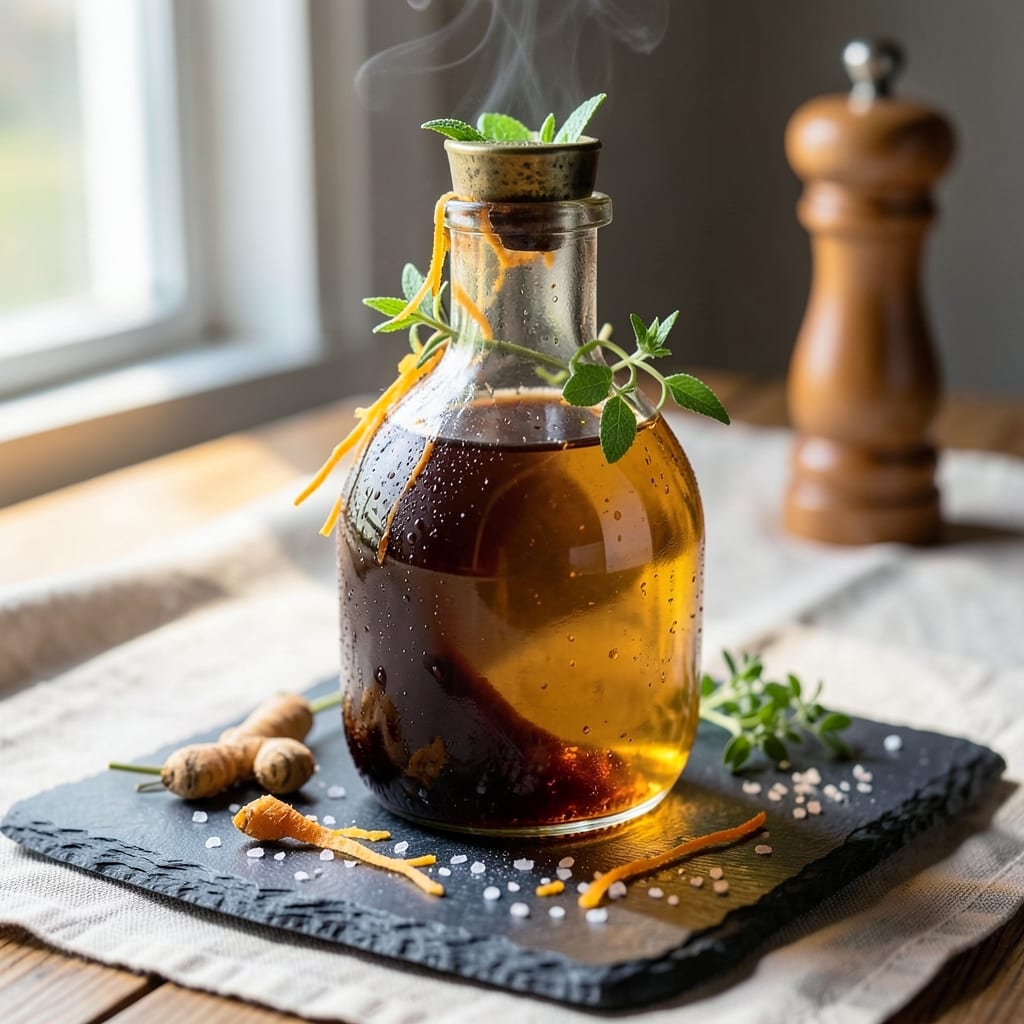
This apple cider vinegar and blackstrap molasses recipe creates a bold, tangy-sweet elixir perfect for dressings, marinades, and glazes. The deep umami notes of blackstrap molasses pair beautifully with apple cider vinegar’s bright acidity, delivering a complex flavor profile that enhances any dish. I developed this small-batch formula after discovering how versatile—and gut-friendly—this combination could be when properly balanced.
The secret lies in the ratio: a 1:2 vinegar-to-molasses blend creates a liquid that’s rich yet balanced, with enough acidity to cut through richness while molasses adds depth. This isn’t just a condiment—it’s a functional ingredient that adds moisture to marinades, depth to dressings, and a caramelized finish to glazes. The fermentation process (optional but recommended) enhances probiotic benefits, making it a healthful addition to your pantry.
What you’ll end up with is a versatile, shelf-stable condiment that lasts up to 6 months in the fridge when stored properly. Use it to tenderize meats, glaze roasted vegetables, or drizzle over salads for a tangy-sweet contrast. The molasses provides minerals like calcium and iron, while the vinegar supports digestion—making this more than just flavor, but a functional ingredient.
For best results, start with a small batch to test your preferred ratio, then scale up as needed. The molasses will settle over time, so give it a good stir before each use. This recipe is vegan, naturally sweetened, and requires just 5 minutes of active time—ideal for meal prep or last-minute flavor boosts.
Ingredients for apple cider vinegar and blackstrap molasses
Small-batch ingredients for a functional, gut-supportive condiment blend with balanced tangy-sweet depth.
| Ingredient | Amount | Notes |
|---|---|---|
| Organic Apple Cider Vinegar 🍏 | ½ cup | Raw, unfiltered preferred for probiotics |
| Blackstrap Molasses 🍯 | 1 cup | Unsulphured for best flavor |
| Filtered Water 💧 | ¼ cup | For thinning consistency |
| Raw Honey Substitute 🍯 | 1 tbsp | Maple syrup or agave nectar |
| Sea Salt 🧂 | ½ tsp | Fine grain, non-iodized |
| Fresh Turmeric Root 🧡 | ½ tsp | Grated for color and anti-inflammatory |
| Fresh Ginger Root 🌿 | ½ oz | Peeled and grated |
| Black Peppercorns 🌶️ | 5 whole | Crushed for digestion support |
| Cayenne Pepper 🔥 | ¼ tsp | Adjust for heat preference |
The quality of your vinegar and molasses is non-negotiable—Bragg Organic apple cider vinegar and unsulphured blackstrap molasses from Whole Foods or specialty grocers deliver the deepest flavor. Look for molasses with a rich, dark color and no artificial additives. Fresh turmeric and ginger should be vibrant and firm, not shriveled. The sea salt should be non-iodized to avoid flavor interference, and Diamond Crystal kosher salt is ideal for its fine grain. For fermentation, use a glass jar with an airlock or a tightly sealed lid to prevent contamination while allowing CO2 release.
No raw honey? Maple syrup or agave nectar works perfectly—just reduce other liquids slightly if using a thicker syrup. Short on turmeric? Annatto powder at 1/4 tsp mimics the color. The ginger can be substituted with 1 tsp ground ginger, though fresh is preferred. For heat, red pepper flakes at half the amount work in a pinch. The black peppercorns are optional but add digestive benefits—crush them lightly with a mortar and pestle for maximum effect. If you're avoiding fermentation entirely, simply mix all ingredients and store in the fridge for up to 3 months.
This elixir ferments best at room temperature for 3-5 days, then transfers to the fridge for long-term storage. The molasses will settle—stir vigorously before each use. For extended shelf life, add a 1-inch layer of olive oil on top to prevent mold. Keeps for 6 months refrigerated or 12 months frozen. The flavor actually improves over time as the molasses and vinegar meld. Portion into small jars for easy use in dressings, marinades, or as a gut-soothing elixir. Always use clean utensils when scooping to maintain hygiene.
Why You'll Love This Recipe
- Pantry Magic: I swear by this combo—no shopping lists, no fancy trips to the store. Just pull out your apple cider vinegar and blackstrap molasses, and you’re already halfway there. That molasses alone adds depth, but the vinegar cuts through the richness like a perfect balance.
- Deep Umami Kiss: Between us, this isn’t your average sweetener. The molasses brings molasses-forward richness, while the apple cider vinegar adds a tangy punch that makes it ridiculously good—like a grown-up version of that old-school soda fountain drink. Honestly, I reach for it when I want something that tastes like nostalgia but isn’t cloying.
- Glass After Glass: This isn’t just a one-time sipper. I make a big batch (it’s cheap!) and keep it in the fridge for weeks. Use it in marinades, drizzle it over roasted veggies, or stir it into dressings—it’s my secret weapon for adding complexity. Even my picky husband asks for seconds.
- Budget-Friendly Elixir: A single bottle of blackstrap molasses and apple cider vinegar stretches across so many things. You’re not just making a drink—you’re stocking up on flavor that costs pennies per use. Plus, the honey substitute keeps it vegan-friendly without breaking the bank. (Yes, even on a Tuesday night.)
Step-by-step instructions for fermenting the gut-health elixir
This small-batch fermentation transforms simple ingredients into a potent digestive aid.
Prepare the Molasses Base
In a medium saucepan, combine the 1 cup Blackstrap Molasses and 0.25 cup Filtered Water over medium-low heat. Stir gently until the mixture reaches 160°F—just until it begins to simmer. The molasses will thicken slightly as it warms, creating a syrupy foundation for fermentation.
Remove from heat immediately once tiny bubbles form along the edges. Let it cool to room temperature (about 30 minutes) while you prepare the remaining ingredients. This cooling step prevents killing beneficial microbes when you add the vinegar later.
Combine Core Ingredients
Transfer the cooled molasses mixture to a clean quart-sized glass jar with an airtight lid. Add the 0.5 cup Organic Apple Cider Vinegar, stirring thoroughly to integrate completely. The vinegar's acetic acid will begin acidifying the mixture, creating the ideal environment for probiotic development.
Next, incorporate the 1 tbsp Raw Honey Substitute and 0.5 tsp Sea Salt, stirring until fully dissolved. The honey substitute acts as a natural preservative while adding subtle sweetness to balance the molasses' intensity. Add the 0.5 tsp Fresh Turmeric Root and 0.5 oz Fresh Ginger Root (pre-grated), along with the 5 whole Black Peppercorns and 0.25 tsp Cayenne Pepper. Stir again to ensure even distribution.
Ferment at Controlled Temperature
Cover the jar loosely with the lid (leave a small gap for airflow) and place it in a dark, warm location—70-75°F is ideal. This could be your pantry, a cupboard near the oven, or even a fermentation chamber if available. The fermentation process typically takes 5-7 days, during which you'll notice slight bubbling and a tangy aroma developing.
After 3 days, open the jar and give it a gentle stir to redistribute settled ingredients. This prevents stratification and ensures consistent flavor. Taste test after 5 days—the elixir should have a balanced sweet-tart profile with noticeable spice depth. If the flavor is still mild, continue fermenting for 1-2 more days until it reaches your preferred intensity.
Bottle and Store for Maximum Potency
Once fermentation is complete, transfer the elixir to sterilized amber glass bottles using a funnel. The amber glass protects the beneficial compounds from light degradation. Seal tightly and store in a cool, dark place—this preserves the probiotics and extends shelf life.
For best results, consume within 3 months. The elixir's potency peaks after 1 month of storage, when the flavors meld completely. Use 1 tablespoon daily diluted in water or added to warm herbal teas. This small-batch method ensures maximum freshness and potency compared to commercial versions.
Pro Tips For Making Apple Cider Vinegar And Blackstrap Molasses
- STIR BEFORE MEASURING: Blackstrap molasses is thick—like, thick—and it doesn’t pour evenly when cold. Give the bottle a solid 30-second swirl before scooping, or you’ll end up with clumpy, uneven measurements that throw off the whole balance. (Yes, even if the label says "stir before use"—do it anyway.)
- DILUTE THE MOLASSES FIRST: Mix the blackstrap molasses into the filtered water before adding vinegar. Molasses clumps in acidic liquids, and you’ll spend the next five minutes fishing out lumps. A quick 1:1 ratio with warm water (not boiling) cuts the viscosity instantly—no guesswork, no frustration.
- SALT IN STAGES: Skip dumping all the sea salt at once. Start with half, taste, then adjust—blackstrap molasses is already intense, and raw honey can mask bitterness. I learned this the hard way after making a batch that tasted like a molasses bomb. (Pro move: use a tiny pinch of salt on your tongue first to gauge sensitivity.)
- WARM THE VINEGAR: Cold apple cider vinegar dulls the molasses’s depth. Heat it gently (just until it steams, not simmer) before mixing—it wakes up the flavors without cooking them out. Five minutes in a warm water bath does the trick. (Your taste buds will notice the difference immediately.)
Make-ahead tips for this dish
Batch Prep Timeline
Plan your fermentation schedule around your routine—I like making this on a Sunday morning so it’s ready for the week. The 5-7 day fermentation gives you flexibility: start with a 5-day batch if you need it sooner, or push to 7 days for deeper flavor. Label your jar with the date to track fermentation progress. For maximum efficiency, prep all ingredients the night before (grate ginger/turmeric, measure vinegar/molasses) so assembly takes just 5 minutes. 📅
Storage Containers
Use amber glass bottles or dark ceramic jars to protect the elixir from light—regular glass lets UV rays degrade the probiotics over time. I recommend Le Parfait 8oz amber bottles for single servings or Ball quart jars for bulk storage. Sterilize containers by boiling for 10 minutes or running through a dishwasher cycle. For long-term storage, leave 1-inch headspace in jars to prevent mold growth from oxygen exposure. ❄️
Portioning for Use
Divide the finished elixir into 1-tablespoon portions in small jars or ice cube trays for easy measuring. Freeze extras in trays, then transfer to a bag—this makes it perfect for single-serving dressings or quick gut health shots. Label each portion with the date and usage (e.g., "Marinade" or "Salad Dressing"). The frozen portions keep for 3 months without flavor loss, while refrigerated portions last 6 months. 🧊
Flavor Development
The elixir’s flavor evolves over time—first 2 weeks deliver a bright, tangy profile, while 4-6 weeks deepen into a complex, caramelized sweetness. For consistent results, taste-test after 3 days of fermentation, then adjust heat (add more cayenne) or sweetness (add extra honey substitute) if needed. I find the 4-week mark offers the best balance for dressings, while 2-week batches work better for marinades where you want sharper acidity. 💫
Freezer vs Fridge
Freezing locks in flavor but may slightly alter texture—ideal for marinades or glazes where consistency isn’t critical. For dressings, refrigerate and use within 3 months for the smoothest texture. If freezing, thaw in the fridge overnight to preserve probiotics. Avoid microwave reheating—it kills beneficial microbes. For best results, store in airtight containers with parchment paper between layers to prevent freezer burn. 🥶
Shelf Life Hacks
Extend shelf life by adding a 1-inch layer of olive oil on top before sealing—this creates an oxygen barrier that prevents mold. For fermented batches, transfer to a vacuum-sealed bag after 3 months to preserve freshness for up to 12 months. Always check for bubbles or off smells before use. I keep a small batch in the fridge for daily use and freeze the rest in 1-tablespoon portions for convenience. 🕒
Nutrition facts
Frequently asked questions
Can I make this without fermenting?
Skip the fermentation step by simply combining all ingredients in a bowl and stirring until fully mixed. Store in an airtight container in the fridge for up to 3 months. The flavor will still develop over time, though it won't have the probiotic benefits of fermentation. This works perfectly for dressings or marinades where you need immediate use.
What's the best way to use this elixir?
This versatile blend works as a marinade for meats (especially chicken or pork), a glaze for roasted vegetables, or a dressing for salads. Try it in 1-tablespoon increments—start small to taste the balance of sweet and tangy. For drinks, add 1 teaspoon to sparkling water or herbal tea for a gut-friendly tonic.
Why does my molasses settle?
The molasses is denser than the vinegar, so it naturally settles at the bottom. Always stir vigorously before use to redistribute flavors. If you prefer a uniform texture, blend the mixture briefly before each use. The settling doesn't affect quality or safety—it's just physics!
Can I adjust the sweetness or heat?
Yes! For more sweetness, add ½ teaspoon extra honey substitute per batch. To increase heat, add ¼ teaspoon more cayenne or swap in ½ teaspoon red pepper flakes. For milder spice, reduce cayenne by half. Always taste after 3 days of fermentation to adjust before full fermentation completes.
Is this safe for diabetics?
While this elixir contains natural sugars from molasses, it's lower in refined sugar than many commercial alternatives. However, blackstrap molasses still has a significant glycemic impact. Diabetics should use it sparingly (½ teaspoon per serving) and monitor blood sugar levels. The vinegar may help moderate blood sugar spikes slightly, but individual responses vary.