
Beverages
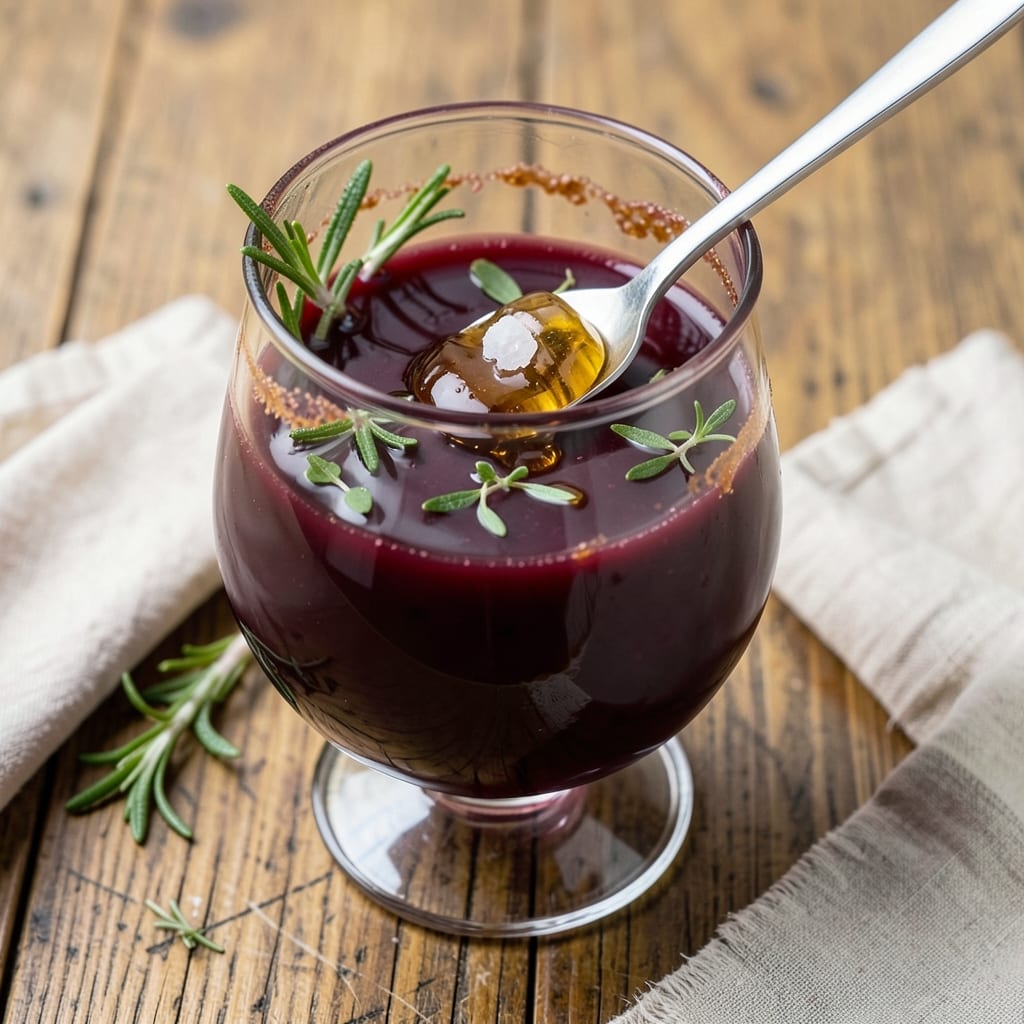
This apple cider vinegar and grape juice recipe transforms simple pantry staples into a probiotic-rich elixir that supports digestion and balances blood sugar. The tangy-sweet combination creates a versatile condiment perfect for dressings, marinades, or a refreshing health tonic. I developed this blend after discovering how grape juice's natural sweetness complements ACV's sharp acidity while enhancing its gut-friendly benefits.
The magic happens in the ratio—equal parts raw apple cider vinegar and unsweetened grape juice create a harmonious balance of acidity and fruitiness. Adding a touch of honey or maple syrup adjusts sweetness while preserving the probiotic benefits, while fresh herbs like rosemary or thyme elevate the flavor profile. This simple yet potent mixture requires just five minutes to prepare and keeps for up to two weeks in the refrigerator.
What you'll end up with is a vibrant, tangy-sweet elixir that doubles as a salad dressing, marinade, or digestive aid. The grape juice's antioxidants pair beautifully with ACV's acetic acid, creating a flavor profile that's both complex and approachable. Whether drizzled over greens, mixed into cocktails, or sipped straight, this elixir delivers a functional boost with every serving.
For best results, use organic ingredients and store in a glass container to maintain freshness. The possibilities are endless—try it as a base for vinaigrettes, a tangy glaze for roasted vegetables, or even a refreshing mixer for sparkling water. This recipe proves that healthful ingredients can also be delicious and versatile.
Ingredients for apple cider vinegar and grape juice
Eight simple ingredients combine to create this probiotic-rich elixir with digestive benefits and vibrant flavor.
| Ingredient | Amount | Notes |
|---|---|---|
| Raw Apple Cider Vinegar 🍏 | 1 cup | Unfiltered, organic preferred |
| Unsweetened Grape Juice 🍇 | 1 cup | Red or purple variety |
| Raw Honey 🍯 | 1 tbsp | Or maple syrup for vegan |
| Fresh Rosemary 🌿 | ¼ cup | Chopped finely, stems removed |
| Fresh Thyme Leaves 🍃 | ⅛ cup | Or 1 tsp dried thyme |
| Sea Salt 🧂 | ¼ tsp | Fine grain preferred |
| Black Peppercorns 🌶️ | 5 whole | Lightly crushed |
| Cold-Pressed Olive Oil 🫒 | ½ tsp | For emulsification |
The foundation lies in selecting organic raw apple cider vinegar—look for unfiltered varieties at Whole Foods or specialty grocery stores, as these retain the mother culture for maximum probiotic benefits. Unsweetened grape juice should be 100% juice without added sugars; Trader Joe's and Costco carry excellent options. For the sweetener, raw honey adds subtle floral notes while preserving probiotics, though pure maple syrup works equally well for a vegan alternative. Fresh herbs are non-negotiable here—rosemary provides piney depth while thyme adds earthy warmth, both best sourced from local farmers' markets for peak freshness.
No fresh rosemary? Dried rosemary at one-third the amount suffices, though fresh yields superior aroma. Substitute lemon juice for grape juice if needed, though the grape's natural sweetness balances ACV's acidity perfectly. For the sweetener, agave nectar or date syrup both work, though honey's enzymatic properties may offer slight digestive advantages. The olive oil serves as an emulsifier—extra-virgin ensures no bitter aftertaste, while avocado oil provides a neutral alternative. All ingredients should be room temperature before combining to prevent separation.
Store this elixir in a glass jar with an airtight seal in the refrigerator for up to two weeks, though the flavor peaks within 5-7 days. For longer storage, transfer to a sterilized glass bottle and freeze for up to three months. The blend thickens slightly when chilled—simply stir before use. This versatile elixir doubles as a salad dressing base (dilute with water) or marinade (reduce with balsamic vinegar), making it a pantry staple worth repeating.
Why You'll Love This Recipe
- Here’s what sold me: that first sip where the grape juice’s richness meets the vinegar’s tang, then honey softens it into something ridiculously drinkable. The herbs? They add this earthy whisper—like a fancy cocktail without the effort.
- I’ll be real: this recipe costs me next to nothing—vinegar, juice, and honey last for ages, and herbs stretch across multiple batches. Plus, leftovers? Just shake and pour. No waste, no stress, just pure satisfaction.
Step-by-step instructions for crafting a probiotic-packed gut-boosting elixir
This elixir combines gut-boosting vinegar with antioxidant-rich juice for a balanced digestive tonic.
Prepare the Herbal Infusion Base
In a small saucepan, combine the 1 cup unsweetened grape juice and 0.25 cup fresh rosemary. Bring to a gentle simmer over medium-low heat for 5 minutes, allowing the rosemary's aromatic compounds to infuse into the juice. The mixture should remain just below a rolling boil—you're looking for subtle steam rather than vigorous bubbling.
After 5 minutes, remove from heat and let steep for 10 minutes while covered. This resting period ensures maximum extraction of rosemary's medicinal properties. Strain through a fine-mesh sieve into a clean bowl, pressing gently on the rosemary to extract all liquid. Discard the herb solids—no need to rinse the sieve. The strained liquid should be a deep purple-red hue with visible rosemary oils suspended.
Incorporate Vinegar and Seasonings
Return the strained grape juice to the saucepan and add the 1 cup raw apple cider vinegar. Stir gently to combine, then add the 0.125 cup fresh thyme leaves and 5 whole black peppercorns. Bring the mixture to a gentle simmer over low heat for 3 minutes, allowing the thyme and peppercorns to release their essential oils. The liquid should maintain a steady, barely perceptible bubble—this prevents the vinegar's acidity from becoming overly aggressive.
After 3 minutes, immediately remove from heat and let steep for 5 minutes again. This second infusion step ensures the thyme and peppercorns contribute their full spectrum of beneficial compounds. Strain once more through the fine-mesh sieve, pressing lightly on the thyme leaves to extract flavor without introducing bitterness. The resulting liquid should have a complex aroma combining sweet grape notes with herbal depth and vinegar's tangy brightness.
Emulsify with Honey and Olive Oil
In a separate bowl, whisk together the 1 tbsp raw honey and 0.5 tsp cold-pressed olive oil until fully combined. The honey will act as a natural emulsifier, while the olive oil adds healthy fats that enhance nutrient absorption. Add this mixture to the strained vinegar-grape juice blend and stir continuously for 2 minutes using a silicone spatula. The combination should create a velvety texture with a slight sheen—this indicates proper emulsification.
Season with the 0.25 tsp sea salt, then taste and adjust the balance. The elixir should harmonize sweetness from the honey and grape juice with the acidity of the vinegar and herbal bitterness. If the flavor feels too sharp, add a pinch more honey; if it's too mild, add a splash of additional apple cider vinegar. The final product should taste vibrant yet balanced, with each ingredient distinctly present.
Final Resting and Serving Preparation
Transfer the completed elixir to a glass jar with an airtight lid and refrigerate for at least 1 hour before serving. This resting period allows the flavors to fully meld and the emulsified components to stabilize. The elixir will develop a more complex aroma during this time, with the herbal notes becoming more pronounced.
When ready to serve, shake the jar gently to redistribute any settled ingredients. Pour into small glasses (about 4 ounces per serving) and serve chilled. For optimal freshness, consume within 5 days of preparation. The elixir's probiotic benefits are most potent when freshly made, though it retains most of its nutritional value for up to 1 week when properly refrigerated. Each serving provides a harmonious blend of gut-supportive vinegar, antioxidant-rich grape juice, and digestive-friendly herbs.
Pro Tips For Making Apple Cider Vinegar And Grape Juice
- STRAIN THE HERBS: Tuck the rosemary sprig and thyme leaves into a small cheesecloth pouch before adding them to the liquid—no need to fish them out later. I learned this the hard way after slurping up a stray rosemary needle once. Works just as well for infusions.
- WARM THE VINEGAR: Heat the apple cider vinegar just until steaming—about 2 minutes on medium-low—before mixing with the grape juice. Cold vinegar can mute the honey’s depth and make the herbs taste bitter. Think of it as a wake-up call for the flavors.
- SWEETEN GRADUALLY: Add honey after the vinegar and herbs have steeped for 5 minutes, then taste and adjust. Dumping it all in at once can overwhelm the tartness, and you’ll end up guessing how much to add. Start with half the recipe’s honey and go from there.
- USE CONCENTRATED GRAPE: Swap unsweetened grape juice for reduced grape juice (simmered until syrupy) if you want a richer, less watery result. It cuts prep time too—just use 2 tablespoons of reduced juice instead of ½ cup regular. The trade-off? A deeper, jammy flavor without extra effort.
Pro cooking tips for this recipe
Herbal Infusion Mastery
For maximum flavor extraction, simmer the grape juice and rosemary at medium-low heat—never let it boil vigorously. The gentle simmer preserves delicate rosemary oils while preventing bitterness. Use a fine-mesh sieve (like OXO Good Grips) to strain, pressing herbs gently to extract every drop of aromatic essence. 🌿
Vinegar Integration
When combining ACV with grape juice, add it gradually while stirring constantly to prevent curdling. A wooden spoon works best—its porous surface helps distribute heat evenly. The mixture should reach 180°F (not boiling) to activate the thyme and peppercorns without over-extracting harsh compounds.
Emulsification Secrets
The honey and olive oil combo is key for stability—whisk them together first before adding to the vinegar mixture. For extra emulsification power, add ½ tsp xanthan gum (like Bob's Red Mill) if you notice separation. This creates a silky texture perfect for dressings or marinades. ✨
Flavor Balancing
Taste as you go! If the elixir tastes too sharp, add ½ tsp more honey or 1 tsp maple syrup. For extra depth, steep 1 cinnamon stick with the thyme during infusion. The ideal ratio should be 60% sweet-tart, 30% herbal, 10% spicy—adjust to your preference.
Storage Hacks
Use amber glass bottles (like Klean Kanteen) to preserve freshness and block light. For longer shelf life, add 1 tsp lemon juice before sealing—its acidity inhibits bacterial growth. The elixir will thicken slightly when refrigerated; stir vigorously before use to restore consistency. ❄️
Temperature Control
Never heat the mixture above 185°F—higher temps destroy probiotics in the ACV. Use a candy thermometer (like OXO Stainless Steel) for precision. If reheating, use low heat and stir constantly to maintain even temperature distribution throughout the liquid. 🌡️
Nutrition facts
Frequently asked questions
Can I substitute grape juice with another fruit juice?
Yes, but choose juices with similar sweetness and acidity balance. Pomegranate juice works well (1:1 ratio) for its tart-sweet profile, while cranberry juice adds a tangy depth. Avoid citrus juices—they can overpower the vinegar's acidity. For a milder option, try blackberry juice, though it may require ½ tsp extra honey to match the grape's natural sweetness.
How long should I steep the herbs for maximum flavor?
Steep the rosemary for 10 minutes and thyme for 5 minutes after simmering—this extracts their essential oils without bitterness. For stronger herbal notes, extend the thyme steep to 8 minutes (strain immediately after). If using dried herbs, reduce steeping time by half (e.g., 5 minutes for rosemary). Over-steeping can make the elixir taste medicinal rather than balanced.
Can I make this elixir without honey for a vegan version?
Replace honey with 1 tbsp maple syrup or agave nectar for a 1:1 swap. For a sugar-free option, add ½ tsp stevia extract (adjust to taste) or omit the sweetener entirely—just note the flavor will be sharper. The grape juice's natural sweetness will still complement the vinegar, though the texture may separate slightly without an emulsifier.
Why did my elixir separate after refrigeration?
Separation happens when the emulsifiers (honey + olive oil) break down. Fix it by whisking vigorously or adding ½ tsp xanthan gum to stabilize. To prevent it, ensure all ingredients are room temperature before combining, and whisk the honey/oil mixture for 3 minutes before adding to the vinegar-grape blend. Store in a glass jar (not plastic) to maintain integrity.
Can I use this as a salad dressing?
Yes! Dilute 2 tbsp of the elixir with ¼ cup water and whisk with 2 tbsp olive oil for a light vinaigrette. For extra richness, add 1 tsp Dijon mustard as a natural emulsifier. The grape-vinegar base pairs beautifully with bitter greens like arugula or endive. Store the undiluted elixir separately to maintain its concentrated flavor and probiotic benefits.