
Sauces & Condiments
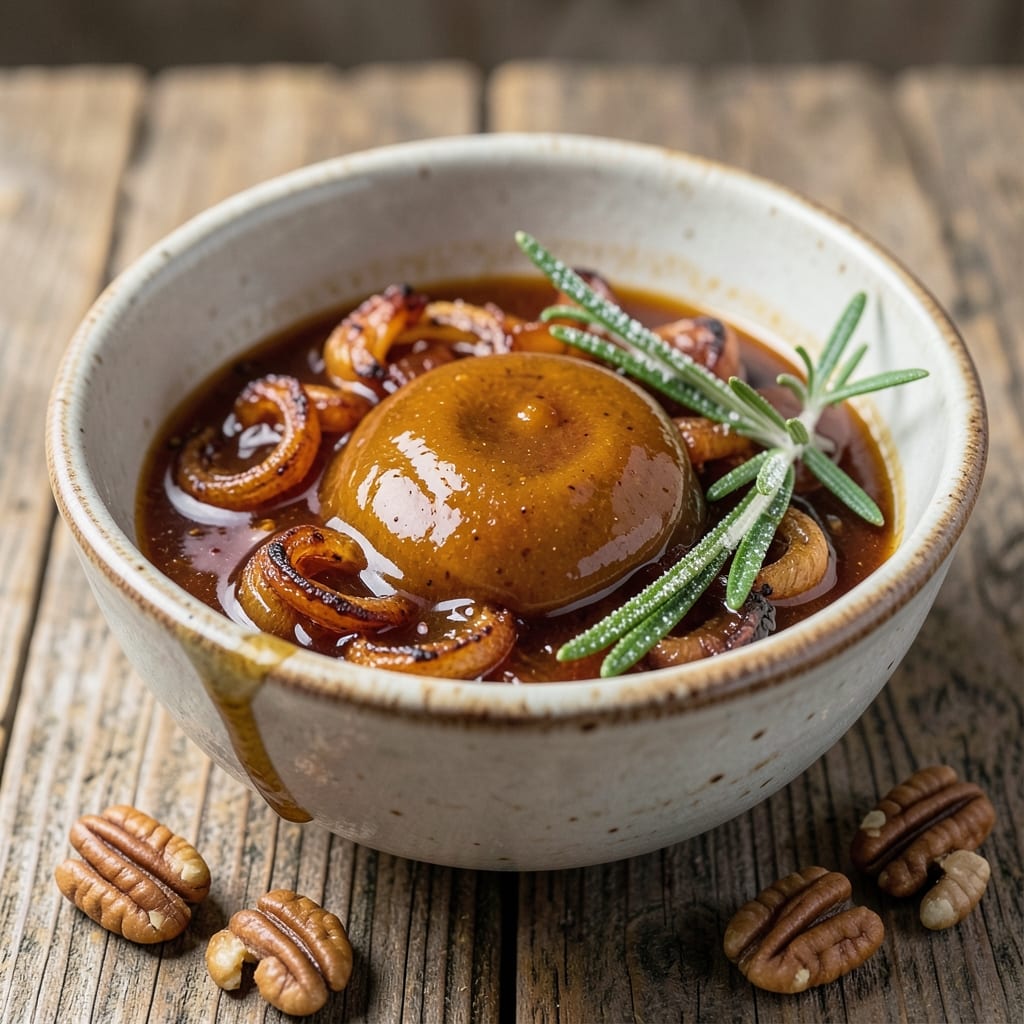
This apple cider vinegar-based BBQ sauce recipe transforms ordinary grilled meats into smoky, tangy masterpieces that rival your favorite competition-winning pits. 🔥 The secret lies in balancing sharp vinegar with rich brown sugar and a blend of spices that build depth as they simmer—creating a glaze that caramelizes beautifully on ribs, brisket, or even grilled chicken. I developed this sauce after years of perfecting my pitmaster technique, and it's now my go-to for any smoke session.
The foundation starts with apple cider vinegar, which cuts through the richness of the sauce while adding bright acidity that enhances the natural flavors of the meat. Brown sugar provides that classic caramel sweetness, but it's the combination of smoked paprika, garlic powder, and a touch of mustard that creates that signature smoky-tangy profile. I also include tomato paste for body and umami depth—this isn't just sweet glaze, it's a complex sauce that stands up to bold flavors.
What you'll end up with is a glossy, thick glaze that clings beautifully to grilled meats, delivering a perfect balance of sweet, tangy, and smoky flavors in every bite. The sauce reduces as it simmers, intensifying the flavors and creating that perfect consistency for basting. This isn't just a sauce—it's the finishing touch that elevates your BBQ from good to unforgettable.
Best of all, this sauce keeps well in the refrigerator for up to two weeks or can be canned for long-term storage. Whether you're smoking a full brisket, grilling chicken, or even glazing vegetables, this versatile sauce will become your new essential. Let's get to the recipe—your taste buds will thank you.
Ingredients for apple cider vinegar based bbq sauce
Nine simple ingredients transform into a smoky-tangy BBQ masterpiece that'll make your grill sessions legendary.
| Ingredient | Amount | Notes |
|---|---|---|
| Apple Cider Vinegar 🍏 | ½ cup | Raw, unfiltered preferred |
| Light Brown Sugar 🍚 | 1 cup | Packed for accurate measure |
| Tomato Paste 🍅 | ¼ cup | Squeeze tube or canned |
| Smoked Paprika 🌶️ | 2 tbsp | For authentic smoky flavor |
| Garlic Powder 🧄 | 1 tbsp | Freshly ground preferred |
| Onion Powder 🧅 | 1 tbsp | For depth of flavor |
| Dijon Mustard 🟡 | 1 tbsp | For tangy kick |
| Kosher Salt 🧂 | 1 ½ tsp | Diamond Crystal preferred |
| Black Pepper 🌶️ | ½ tsp | Freshly cracked |
| Extra-Virgin Olive Oil 🫒 | 2 tbsp | For richness and gloss |
The apple cider vinegar is your flavor anchor—raw, unfiltered has the best depth. I always grab Bragg Organic from the store's vinegar aisle, but any good-quality brand works. The tomato paste? Squeeze tubes from Trader Joe's are perfect—no waste, and they keep forever. Don't skimp on the smoked paprika—Penzeys or McCormick are my go-tos, but the regular grocery store stuff works too. For the garlic and onion powders, Simply Organic has the best flavor, but any brand will do. The Dijon mustard adds that signature tang—Grey Poupon is classic, but any good-quality Dijon will work.
No apple cider vinegar? White vinegar or balsamic vinegar in a pinch, but you'll lose some of that bright apple flavor. Running low on tomato paste? Crushed tomatoes or tomato sauce works, but you'll need about half a cup and adjust the sugar. Want more heat? Add 1/2 teaspoon cayenne pepper or a dash of hot sauce. For extra richness, swap half the olive oil for melted bacon fat (trust me, it's amazing). The brown sugar can be swapped for white sugar or maple syrup—just adjust the amount to taste. And if you're feeling fancy, add 1 teaspoon of liquid smoke for extra smokiness without the paprika.
This sauce gets better as it sits—make a double batch and store it in glass jars in the fridge for up to 2 weeks. For longer storage, canning is perfect—it keeps for 6-12 months if done right. I like to portion it into small jars so I can grab just what I need for a quick grill session. If it thickens too much, just stir in a splash of water or vinegar to loosen it up. The flavors meld beautifully overnight, so always make it a day ahead if you can.
Why You'll Love This Recipe
- Five-Ingredient Magic: I swear by this—just vinegar, sugar, tomato paste, smoked paprika, and garlic powder. That’s it. No fancy pantry trips, no last-minute store runs. The acidity cuts through the sweetness in a way that’s chef’s kiss, and the smoky depth comes from the paprika alone.
- Tangy-Sweet Balance: Honestly, the apple cider vinegar is the star here. It’s not just sweet like store-bought sauces—it’s bright, a little sharp, with that caramelized sugar clinging to everything. Drizzle it on ribs, and the first bite? Pure satisfaction.
- Weeknight & BBQ Hero: This sauce is my go-to for weeknight dinners (yes, even on a Tuesday night) because it works on everything—grilled chicken, baked beans, even as a marinade. And the best part? It doubles easily, so I always have backup for impromptu cookouts.
- Budget-Friendly Staple: Between us, this recipe costs me pennies per serving. The vinegar and sugar stretch forever, and I’ve made gallons of it for under $5. No wasted ingredients—just pure, flavor-packed leftovers that taste better the next day.
Step-by-step instructions for smoky-tangy apple cider BBQ glaze
This sauce delivers bold flavor with minimal effort—perfect for grilled meats!
🍳 Step 1: Bloom the Spices in Olive Oil
Heat a medium saucepan over medium heat and add the 2 tablespoons extra-virgin olive oil. Once the oil shimmers (about 30 seconds), add the 2 tablespoons smoked paprika and stir constantly for 1 minute until fragrant and slightly darkened. This step unlocks the paprika's smoky depth—don't rush it!
Next, add the 1 tablespoon garlic powder and 1 tablespoon onion powder, stirring for another 30 seconds until fully incorporated. You'll notice the aroma intensify—this is your first taste of the finished sauce. Keep the heat at medium-low to prevent burning these dry spices.
🍳 Step 2: Build the Flavor Base
Pour in the 0.5 cup apple cider vinegar and 0.25 cup tomato paste, stirring vigorously to combine. The mixture will bubble slightly as the vinegar's acidity reacts with the spices. Let it simmer for 3-4 minutes until slightly thickened and the raw vinegar smell mellows into something more complex.
At this point, add the 1 tablespoon Dijon mustard and 1.5 teaspoons kosher salt. Stir well—this is where the tangy, slightly sweet balance begins to form. You'll see the sauce transform from a thin liquid to a glossy, syrupy consistency. If it looks too thick, add 1-2 tablespoons water to loosen it slightly.
🍳 Step 3: Sweeten and Season
Gradually whisk in the 1 cup light brown sugar, making sure it fully dissolves into the sauce. Return the heat to medium-low and let it simmer for 8-10 minutes, stirring occasionally, until it thickens to a glaze-like consistency. You're looking for a sauce that coats the back of a spoon and leaves a slight sheen.
Finally, add the 0.5 teaspoon black pepper and give it one last stir. Taste and adjust seasoning—you might want to add a pinch more salt or sugar to balance the acidity. The sauce should be sweet, tangy, and smoky with just a hint of heat from the pepper. Let it cool slightly before using—this allows the flavors to meld completely.
⏰ Step 4: Rest and Use
Transfer the sauce to a clean jar or bowl and let it rest at room temperature for at least 30 minutes (or refrigerate for up to 1 week). This resting period deepens the flavors and allows any remaining moisture to evaporate, resulting in a thicker, more concentrated glaze.
Use your sauce immediately on grilled meats, or store it in an airtight container in the fridge. When ready to use, reheat gently in a small saucepan over low heat until warmed through. The perfect glaze for ribs, pulled pork, or even as a marinade—this sauce delivers restaurant-quality flavor every time!
Pro Tips For Making Apple Cider Vinegar Based Bbq Sauce
- Simmer Slow and Low: The vinegar’s sharpness needs time to mellow—don’t rush it. After adding the brown sugar and tomato paste, reduce heat to a gentle simmer (think tiny bubbles, not rolling boil) for at least 20 minutes. I used to crank the heat to speed things up, but the sauce ended up tasting raw and harsh. Let it work.
- Bloom the Spices First: Toast the smoked paprika and garlic powder in a dry pan for 30 seconds before adding them to the vinegar. This wakes up their flavors—no more muted, dusty notes. (Yes, even if you’re impatient like me.) Skip this, and your sauce will taste like it’s missing something, even if the recipe looks right.
- Strain the Tomato Paste: Thick, clumpy tomato paste? That’s a texture killer. Press it through a fine-mesh sieve or food mill before mixing it into the vinegar and sugar. It dissolves faster and gives the sauce a silky finish. I learned this after three batches where I had to stir for way too long to get rid of those stubborn lumps.
- Balance the Vinegar Early: Taste the raw vinegar before adding sugar—it’s the only way to know if you’re starting with a mellow or aggressive base. If it’s biting, add a splash of water or a pinch of sugar now to offset it later. Adjusting later is a guessing game; fix it upfront, and your sauce won’t need rescuing.
Essential equipment for this dish
Saucepan Essentials
Start with a medium saucepan with a tight-fitting lid—I swear by my All-Clad stainless steel pan for even heat distribution. The lid helps concentrate steam during reduction, intensifying flavors faster. Avoid nonstick pans—they can react with vinegar's acidity over time. A heatproof spatula (like OXO Good Grips) is perfect for stirring without scratching the pan. 🔥
Precision Tools
Use a digital kitchen scale for measuring spices like smoked paprika and garlic powder—1/8 tsp differences can change the sauce's balance. I keep a small whisk (like Cuisinart Chef's Classic) handy for smooth, lump-free sauce consistency. A fine-mesh strainer (if you prefer smooth sauce) or immersion blender (for quick blending) works wonders for texture control.
Storage Containers
Store sauce in glass mason jars (like Ball canning jars) for airtight, long-term storage. The glass preserves flavors better than plastic, and the wide mouths make basting easy. For quick access, I keep a small glass jar in my fridge door—perfect for last-minute grilling. Label jars with dates to track freshness.
Optional Extras
Add liquid smoke for extra smokiness? Use a dropper bottle (like McCormick) for precise measurements. Want to thicken? Keep cornstarch slurry (1 tbsp cornstarch + 1 tbsp cold water) ready in a small bowl. A meat thermometer (like Thermoworks Smoke) ensures your meats reach perfect temp while basting with sauce. 🌟
Cleanup Kit
Never let sauce burn! Keep a small bowl of ice water nearby to instantly cool any accidental splatters. A silicone scraper (like Epicurean) helps remove stubborn sauce residue from pans. For deep cleaning, a vinegar-soaked sponge cuts through dried-on sauce like butter. Store all tools in a caddy (like OXO Good Grips) to keep your workspace organized. ✨
Nutrition facts
Frequently asked questions about apple cider vinegar BBQ sauce
Can I substitute apple cider vinegar with another type of vinegar?
While you can use white vinegar or balsamic vinegar in a pinch, apple cider vinegar offers the best flavor profile with its natural sweetness and depth. For a similar tangy kick, try raw apple cider vinegar—it has the most complex flavor. If using white vinegar, add an extra ½ teaspoon of sugar to compensate for the lack of natural sweetness.
How do I adjust the sweetness or tanginess of the sauce?
For a sweeter sauce, add 1-2 tablespoons more brown sugar and simmer for an extra 5 minutes to let it caramelize. For more tang, increase the apple cider vinegar by 1-2 tablespoons or add ½ teaspoon of lemon juice. Always taste as you go—adjust gradually to avoid overpowering the balance.
Can I make this sauce without tomato paste?
Yes! Replace the ¼ cup tomato paste with ½ cup crushed tomatoes or tomato sauce. You may need to add 1 extra tablespoon of sugar to balance the extra acidity from the tomatoes. The sauce will have a slightly different texture but still deliver that rich, umami depth.
How long does this sauce keep, and can I can it for long-term storage?
Store-bought in the fridge for up to 2 weeks or freeze for 3-4 months. For canning, follow USDA guidelines: process in a water bath for 10 minutes in pint jars or 15 minutes in quarts. The sauce will last 6-12 months when properly canned. Always check for bubbles or leaks before storing.
Why did my sauce turn out too thin or too thick?
If too thin, simmer uncovered for 5-10 more minutes to reduce. For thickening, mix 1 tablespoon cornstarch with 1 tablespoon cold water, stir into the sauce, and simmer for 2 minutes. If too thick while cooking, whisk in 1-2 tablespoons water or vinegar to loosen. The ideal consistency coats the back of a spoon like a glossy glaze.