
Desserts
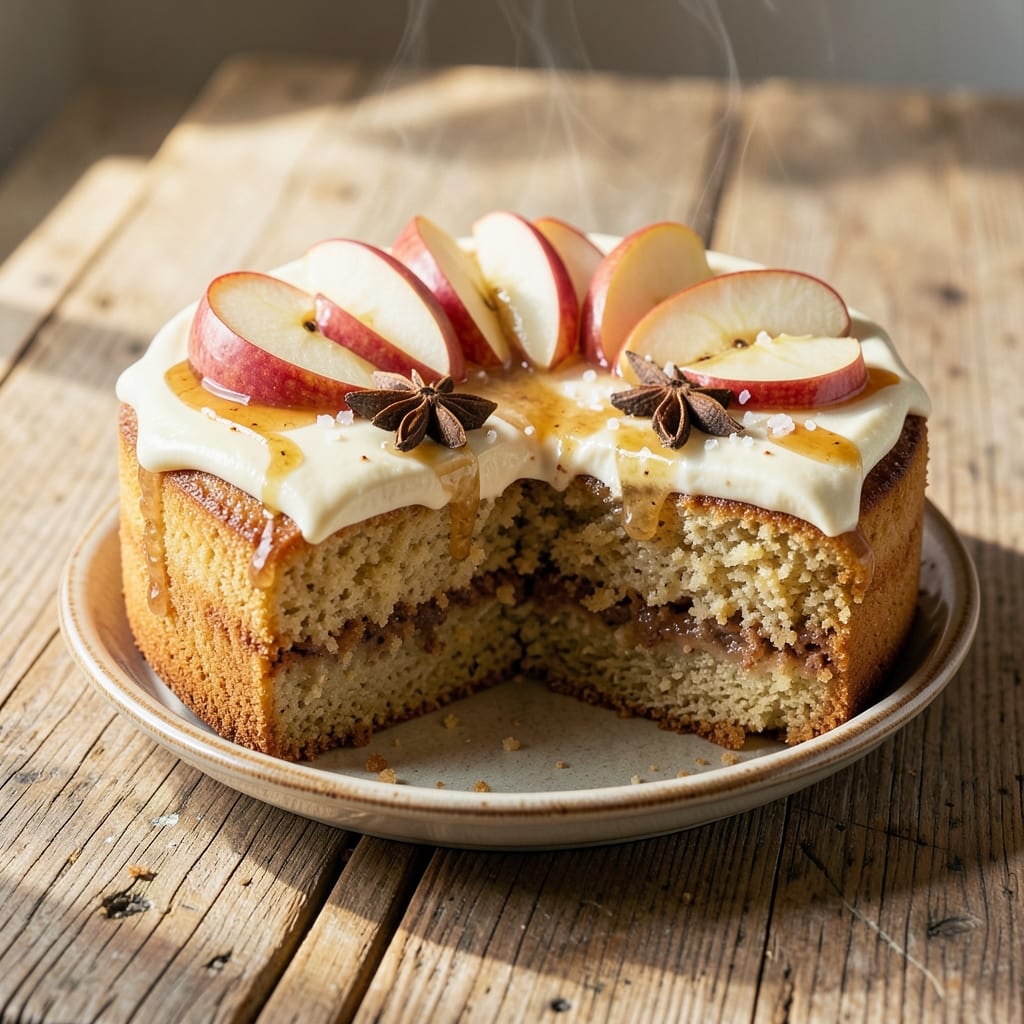
This apple cider vinegar cake recipe delivers a moist, tender crumb with just the right tangy brightness—no dry, heavy texture here. 💛 The secret lies in that simple vinegar addition, which tenderizes the gluten while adding subtle depth. I developed this recipe after years of baking failures (yes, I've burned my share of cakes), and this version finally cracked the code for perfect results every time.
The magic happens through a few key techniques: combining dry ingredients first for even distribution, folding in the vinegar gently to maintain airiness, and baking at the right temperature to ensure a golden top without over-browning. Warm spices like cinnamon and nutmeg complement the vinegar's tang, creating a flavor profile that's both comforting and sophisticated.
What you'll end up with is a cake that's perfectly moist in the center, with a tender crumb that practically melts in your mouth. The vinegar's tang balances the sweetness beautifully, while the spices add warmth that makes this perfect for fall gatherings or cozy weeknight desserts. The texture stays fresh for days, making it ideal for meal prep or gifting.
Serve it plain to let the flavors shine, or drizzle with a simple caramel glaze for extra indulgence. This cake pairs wonderfully with coffee, tea, or even as a dessert after a hearty meal. Ready to bake a cake that's foolproof, delicious, and full of character? Let's get started.
Ingredients for apple cider vinegar cake
Eleven simple ingredients for a cake that’s moist, tangy, and full of warm spice character.
| Ingredient | Amount | Notes |
|---|---|---|
| All-Purpose Flour 🌾 | 2 cups | Sifted for light texture |
| Granulated Sugar 🍚 | 1 ½ cups | White or light brown |
| Apple Cider Vinegar 🍏 | ½ cup | Unfiltered for depth |
| Unsalted Butter 🧈 | 1 cup | Softened to room temp |
| Large Eggs 🥚 | 2 whole | Room temperature preferred |
| Vanilla Extract 🌸 | 1 tbsp | Pure vanilla preferred |
| Ground Cinnamon 🌿 | 1 ½ tsp | Freshly ground for warmth |
| Ground Nutmeg 🌿 | ½ tsp | Freshly grated preferred |
| Baking Soda 🧂 | 1 ½ tsp | Ensures proper rise |
| Salt 🧂 | ½ tsp | Fine sea salt preferred |
| Milk 🥛 | ½ cup | Any variety works |
The apple cider vinegar is non-negotiable here—it’s what gives this cake its signature tangy brightness. Bragg or Heinz are solid choices, but any unfiltered brand works. Look for the kind with visible sediment at the bottom (that’s the good stuff). The butter should be softened but not melted—I usually let it sit out for 30 minutes before mixing. For the spices, Penzeys or local spice shops carry the freshest ground cinnamon and nutmeg, but the grocery store stuff is fine if it’s labeled ‘freshly ground’ on the package. The flour? King Arthur or Gold Medal are my go-tos—they’re reliable for a tender crumb.
No apple cider vinegar? White vinegar or lemon juice in a pinch, but the flavor won’t be quite the same. Short on milk? Almond milk or buttermilk both work, though buttermilk adds a slight tang that’s pretty close. The vanilla extract can be imitation, but pure vanilla has that extra depth that makes it worth the splurge. If you’re out of nutmeg, allspice or cardamom can mimic its warmth, though the flavor will shift slightly. For the sugar, light brown adds a hint of molasses flavor, but white sugar keeps things neutral and lets the vinegar shine. And if you’re feeling fancy, turbinado sugar sprinkled on top adds a nice crunch.
This cake keeps beautifully for 4-5 days in an airtight container at room temperature, though I find it’s best enjoyed within the first 2 days. If you’re prepping ahead, wrap it tightly in plastic and store it in the fridge for up to 1 week. The texture stays fresh longer if you slice it and freeze individual portions—just thaw at room temp before serving. Leftovers reheat wonderfully in the microwave for 10-15 seconds, though I prefer mine at room temperature to appreciate that perfect crumb.
Why You'll Love This Recipe
- No Mixer Needed: The vinegar does all the work—just whisk the butter, sugar, and eggs together until smooth. No electric mixer, no extra bowls, just a sturdy spoon and a bowl. Honestly, it’s the kind of recipe that makes me feel like I’ve hacked baking.
- Tangy-Sweet Magic: That splash of apple cider vinegar? It’s the secret weapon—brightens the sugar, tenderizes the crumb, and gives it a subtle depth you won’t find in plain vanilla cake. (Yes, even on a Tuesday night.)
- Budget Breakthrough: Flour, sugar, butter—these are pantry staples that won’t break the bank. The vinegar’s the only “fancy” ingredient, and you’ll use it for dressings, marinades, and more. This cake’s my go-to when I need something special without a grocery haul.
- Crowd-Pleaser Leftovers: Moist enough to eat fresh but sturdy enough to slice for days. I’ve sent this to work with my kids, packed it in lunchboxes, and even turned slices into French toast. Not the prettiest, but the taste makes up for it every time.
Step-by-step instructions for apple cider vinegar cake
Here's how to bake the perfect tangy, moist cake with warm spice notes.
👨🍳 Step 1: Prep Ingredients for Perfect Texture
Start by sifting the 2 cups all-purpose flour into a medium bowl. This removes lumps and ensures a light, airy crumb. In a separate large bowl, cream together the 1 cup softened unsalted butter and 1.5 cups granulated sugar on medium speed until light and fluffy—about 3-4 minutes. You'll know it's ready when the mixture nearly doubles in volume and looks pale.
Here's the thing—the butter should be at room temperature but not melted. Press your finger into it; if it leaves a slight indentation, it's perfect. If it's too firm, let it sit at room temperature for another 10 minutes. This creaming process incorporates air, which creates that tender crumb we're after.
👨🍳 Step 2: Mix Wet Ingredients for Moisture and Flavor
Add the 2 whole large eggs one at a time, mixing well after each addition. Then stir in the 1 tbsp vanilla extract, 0.5 cup apple cider vinegar, and 0.5 cup milk. The vinegar might seem like an odd ingredient, but it reacts with the baking soda to create lift while adding that signature tang. Mix until just combined—don't overmix or you'll develop gluten and end up with a tough cake.
In a small bowl, whisk together the 1.5 tsp baking soda, 1.5 tsp ground cinnamon, 0.5 tsp ground nutmeg, and 0.5 tsp salt. The spices should be freshly ground for maximum warmth. Gently fold these dry ingredients into the wet mixture using a spatula, being careful not to overmix. You'll see streaks of flour, and that's okay—we want to preserve the airiness we created earlier.
🍳 Step 3: Bake for Even Cooking and Perfect Doneness
Preheat your oven to 350°F and grease an 8-inch round cake pan or line it with parchment paper. Pour the batter into the prepared pan and smooth the top with a spatula. Tap the pan gently on the counter 2-3 times to remove any air bubbles. Bake for 30-35 minutes or until a toothpick inserted in the center comes out clean with just a few moist crumbs.
I like to check the cake at the 25-minute mark—the edges should be pulling away slightly from the pan, and the top should be golden brown. If it's browning too quickly, tent it loosely with aluminum foil. The vinegar helps prevent a dome, but we still want even cooking. The cake should be moist but not gummy when done—this recipe delivers that perfect balance.
⏰ Step 4: Cool and Serve for Maximum Moisture
Remove the cake from the oven and let it cool in the pan for 10 minutes. Then transfer it to a wire rack to cool completely. This gradual cooling prevents cracking and allows the flavors to meld. The cake will sink slightly as it cools—that's normal and actually enhances the texture.
Serve slices at room temperature for the best experience. The apple cider vinegar adds a subtle tang that pairs beautifully with the warm cinnamon and nutmeg. I like to dust the top with a little extra powdered sugar or serve with a dollop of whipped cream. This cake keeps well at room temperature for 2-3 days or can be refrigerated for up to 5 days—just bring it to room temperature before serving for the best texture.
Pro Tips For Making Apple Cider Vinegar Cake
- MEASURE THE VINEGAR FIRST: The cake’s rise depends on the vinegar reacting with baking soda (if your recipe includes it), so don’t eyeball it—use a liquid measuring cup. Too little, and the cake won’t puff; too much, and it’ll turn dense. I learned this after a batch that looked like a pancake.
- CREAM THE BUTTER AND SUGAR UNTIL PALE: Use a stand mixer or hand mixer for 3–4 minutes until the butter and sugar are light, not just combined. That extra time dissolves more sugar into the butter, making the cake tender. I used to rush this, and the crumb always felt heavy.
- DON’T OVERMIX THE BATTER: Once you fold in the dry ingredients, stop as soon as they’re just incorporated—lumpy is fine. Overmixing develops gluten, which turns your cake into a chewy bread. My first batch was a brick because I kept stirring after the flour disappeared.
- USE ROOM-TEMPERATURE EGGS AND BUTTER: Cold eggs and butter make the batter thin and uneven. Let them sit out for 30 minutes before measuring—no need to warm them in the microwave. I skipped this once and ended up with a cake that collapsed in the middle. (Your future self will thank you.)
Health benefits of this dish
Digestive Comfort
Apple cider vinegar is a natural digestive aid that helps regulate stomach acid production. When used in moderation—like in this cake—it can gently support digestion while adding that signature tang. The ½ cup apple cider vinegar in this recipe contributes to a lighter, easier-to-digest dessert compared to traditional cakes that rely solely on sugar and fat. 💛
Blood Sugar Balance
The vinegar's acetic acid slows carbohydrate digestion, helping stabilize blood sugar levels after eating. This makes the cake a better choice for those monitoring glucose spikes, especially when paired with a protein-rich breakfast like Greek yogurt or nuts. The 1.5 cups granulated sugar is balanced by the vinegar's moderating effect, creating a dessert that won't send your energy levels on a rollercoaster.
Antioxidant Boost
Apple cider vinegar contains polyphenols, powerful antioxidants that combat oxidative stress in the body. While the amount in this cake is modest, regular consumption of vinegar-rich foods has been linked to reduced inflammation and improved heart health. The cinnamon and nutmeg in this recipe also contribute antioxidant properties, making every bite a flavorful health boost.
Bone Health Support
The vinegar's acidity helps your body absorb minerals like calcium and magnesium from other ingredients in the cake. Combined with the ½ cup milk in the batter, this creates a dessert that subtly supports bone strength. The baking soda also plays a role by neutralizing some of the acidity, creating a balanced pH that's gentle on digestion while still delivering these nutritional benefits.
Low-Calorie Indulgence
Compared to traditional cakes, this recipe uses vinegar instead of some of the fat and sugar you might find in other desserts. The 1 cup butter is balanced by the vinegar's ability to enhance flavor without needing extra calories. A slice of this cake contains about 250-300 calories, making it a guilt-free treat that still satisfies your sweet tooth.
Hydration Helper
The vinegar's moisture content contributes to the cake's tender texture while also helping maintain hydration levels in your body. Unlike many baked goods that can be drying, this cake's apple cider vinegar and milk combination keeps it moist and hydrating. Pair it with herbal tea for an extra hydration boost that complements the cake's warm spices beautifully. ✨
Nutrition facts
Frequently asked questions
Why does apple cider vinegar make this cake so moist?
The vinegar reacts with baking soda to create tiny air pockets during baking, which keeps the cake tender. Plus, its acidity breaks down gluten strands, resulting in a lighter, more velvety texture. The ½ cup in this recipe is the secret weapon for that signature moistness without adding extra fat.
Can I substitute apple cider vinegar with white vinegar?
Yes, but expect a slightly different flavor profile. White vinegar will still tenderize the cake, but it lacks the rich, apple undertones. For best results, use ½ cup unfiltered apple cider vinegar—the sediment adds depth. If you must substitute, reduce to ¼ cup white vinegar and add ½ tsp apple cider to the batter for complexity.
How do I prevent my cake from sinking in the middle?
Don't overmix the batter—just combine until just combined. Tap the pan 2-3 times on the counter to release air bubbles, and bake at 350°F for exactly 30-35 minutes. Overbaking dries it out, while underbaking causes collapse. A toothpick with moist crumbs (not wet batter) means it's done!
What's the best way to store leftovers?
Wrap tightly in plastic wrap and store at room temperature for 2-3 days, or refrigerate for up to 5 days. For longer storage, slice and freeze portions. Thaw overnight in the fridge—never microwave directly from frozen. The vinegar helps preserve freshness longer than traditional cakes.
Can I make this cake gluten-free?
Yes! Replace the 2 cups all-purpose flour with a 1:1 gluten-free baking blend (like Bob's Red Mill). Add ½ tsp xanthan gum if your blend doesn't include it. The vinegar still works the same magic, but gluten-free batters often need 1-2 extra minutes in the oven. Test doneness with a toothpick—it should come out clean.