
Beverages
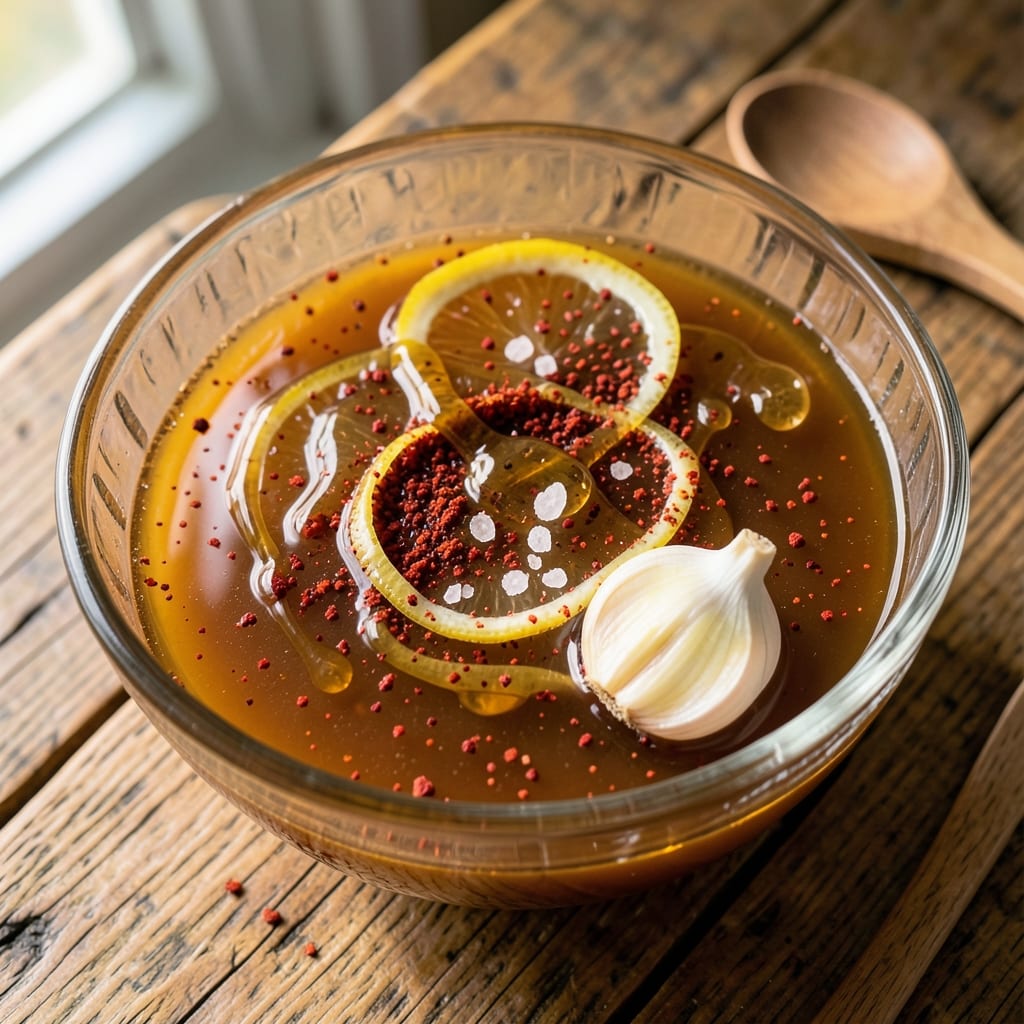
This apple cider vinegar cayenne pepper lemon recipe transforms simple pantry staples into a bold, tangy sauce that elevates everything from salads to dips. The sharp brightness of lemon, the deep tang of vinegar, and the subtle heat of cayenne create a perfect balance that wakes up flavors without overpowering them. I developed this versatile condiment after craving something that could cut through rich dishes while adding a fiery kick—it’s now my go-to for dressings, marinades, and quick dipping sauces.
The beauty of this recipe lies in its simplicity: just four core ingredients combine to create a sauce that’s foolproof and adaptable. Whether you drizzle it over greens, toss it with roasted vegetables, or use it as a marinade for grilled meats, the acidity and heat work together to enhance texture and depth. The cayenne can be adjusted to suit your spice tolerance, making it customizable for any palate. Plus, it comes together in under 5 minutes, so you’ll always have a flavor booster ready.
What makes this sauce truly special is its ability to transform ordinary meals into something extraordinary. The lemon brightens the vinegar’s tang, while the cayenne adds a slow-building heat that lingers on the palate. It’s the kind of condiment that turns a simple salad into a restaurant-worthy dish or turns ordinary fries into a spicy, tangy delight. The best part? It keeps well in the fridge for up to two weeks, so you can make a batch and use it all week long.
Perfect for salads, dips, marinades, or even a quick cocktail mixer, this sauce is a game-changer for home cooks who want bold flavor without complexity. Let’s get started—your taste buds will thank you.
Ingredients for apple cider vinegar cayenne pepper lemon
Four bold flavors that transform ordinary meals into zesty, fiery sensations—perfect for salads and dips.
| Ingredient | Amount | Notes |
|---|---|---|
| Apple Cider Vinegar 🍏 | ½ cup | Raw, unfiltered preferred for depth |
| Fresh Lemon Juice 🍋 | ¼ cup | Freshly squeezed, no pulp |
| Cayenne Pepper 🌶️ | 1 tsp | Adjust for heat preference |
| Raw Honey 🍯 | 1 tbsp | Balances acidity, optional |
| Sea Salt 🧂 | ½ tsp | Fine grain preferred |
| Garlic Cloves 🧄 | 1 whole | Minced for extra depth |
| Extra-Virgin Olive Oil 🫒 | 2 tbsp | For smooth finish |
Apple cider vinegar is the backbone here. Bragg or Texas Pete are my go-tos—they’ve got that rich, tangy depth that cheaper brands miss. Fresh lemon juice is non-negotiable; bottled won’t cut it. The cayenne can be adjusted—start with 1/2 teaspoon if you’re sensitive, or go up to 2 teaspoons for serious heat. I always grab cayenne from Penzeys or the bulk section at Whole Foods—it’s more potent and less likely to be stale. The garlic? Freshly minced makes all the difference; pre-minced is a flavor crime.
No honey? Maple syrup or agave works in a pinch, though honey’s floral notes balance the acidity perfectly. Short on olive oil? Avocado oil has a higher smoke point if you’re using this as a marinade. The salt might seem minor, but it rounds out the flavors—Diamond Crystal is my go-to because it dissolves completely. Want more complexity? Add a 1/2 teaspoon of Dijon mustard for depth. And if you’re feeling fancy, a pinch of smoked paprika adds another layer of warmth without overpowering.
This sauce keeps for up to 2 weeks in the fridge, sealed tight in a glass jar. The acidity acts as a natural preservative, so you won’t find mold or spoilage. I always make a double batch—one for dressings, one for dipping. If it thickens over time, just stir in a splash of water or lemon juice to loosen it up. Freezes beautifully too, though the texture might separate slightly when thawed. Just whisk it back together, and it’ll be ready to go.
Why You'll Love This Recipe
- Five-Ingredient Magic: I swear by this mix—just stir, taste, adjust. No measuring cups, no fancy tools, just instinct. Honestly, the first time I made it, I used a spoon and a mason jar lid. That’s how simple.
- Zingy Wake-Up Call: The cayenne hits first—bright, sharp, like a jolt of energy—then the honey softens it into something warm and addictive. I keep a bottle in my fridge because it turns even plain water into a refreshing sipper.
- Dresses Up Everything: Drizzle it on roasted sweet potatoes, mix it into salad dressings, or toss it with grilled chicken. Between us, I’ve even used it as a marinade for shrimp—trust me, the lemon and vinegar tenderize like a dream.
- Lasts Forever, Costs Nothing: A little goes a long way, and the ingredients? Cheap. I’ve had this batch for weeks, and it’s still potent. No waste, no stress—just pure, budget-friendly flavor that never lets me down.
Step-by-step instructions for zesty fire infusion dressing
This tangy, spicy dressing comes together in minutes with bold flavors that'll elevate any dish.
Combine the Base Ingredients
In a medium bowl, whisk together the 0.5 cup apple cider vinegar and 0.25 cup fresh lemon juice until fully incorporated. I like to use a fork for this initial mixing—it helps break up any pulp from the lemon juice and creates a smooth foundation. The combination of vinegar and citrus creates an immediate bright acidity that forms the backbone of the dressing.
Next, add the 1 whole garlic clove (minced) and give it another quick stir. The garlic will infuse its aromatic punch into the mixture, but don't worry if it's not completely dissolved yet—it'll blend fully when we add the olive oil later. This is where the flavor magic starts happening, so don't skip this step even if it seems simple.
Add the Heat and Sweetness
Reduce heat intensity by adding the 1 tsp cayenne pepper and 1 tbsp raw honey all at once. Whisk vigorously until the cayenne is completely dissolved and the honey has blended smoothly. You'll notice the mixture immediately takes on a deeper, more complex color from the cayenne, and the honey will begin to soften the acidity just slightly. This is the moment that matters—the balance between the fiery cayenne and sweet honey creates that perfect zing.
Here's the thing—if you're sensitive to heat, you might want to start with just ½ tsp cayenne and adjust to taste. But trust me, this amount delivers a satisfying kick without overpowering the other flavors. The honey isn't just for sweetness; it also helps emulsify the dressing later, creating that silky texture we're after.
Season and Emulsify
Add the 0.5 tsp sea salt and whisk until fully dissolved. The salt might seem like a small amount, but it's crucial for rounding out all the flavors and preventing the dressing from tasting one-dimensional. Now comes the most important part—adding the 2 tbsp extra-virgin olive oil in a slow, steady stream while whisking continuously.
This emulsification process is what transforms our simple mixture into a luscious dressing. Start by adding just 1 tablespoon of olive oil and whisk vigorously for about 30 seconds until the mixture begins to thicken slightly. Then add the remaining 1 tablespoon and whisk for another 30-45 seconds until the dressing reaches your desired consistency. You're looking for a smooth, velvety texture that coats the back of a spoon.
Taste and Adjust
Give your dressing a taste and adjust the seasoning as needed. If it needs more acidity, add another 1 teaspoon of lemon juice at a time. For extra heat, add cayenne in ¼ tsp increments. If it's too sharp, a touch more honey will balance it out. The beauty of this recipe is how customizable it is—your perfect balance might be different from mine, and that's okay!
Once you're happy with the flavor, transfer the dressing to a clean jar or airtight container. It'll keep in the refrigerator for up to 1 week, making it perfect for quick meals. The flavors actually improve over time as everything melds together beautifully. Give it a good shake before each use to redistribute any separated oil.
Pro Tips For Making Apple Cider Vinegar Cayenne Pepper Lemon
- STIR BEFORE MEASURING: Mix your apple cider vinegar and honey first—don’t just eyeball it. The honey thickens when cold, so stir until fully dissolved before adding lemon or cayenne, or you’ll end up with a clumpy, uneven dressing that separates later. Trust me, you’ll taste the difference.
- USE FRESH LEMON JUICE: Bottled lemon juice lacks the bright punch fresh does. Roll the lemon on the counter before cutting to soften the flesh, then strain out seeds and pulp—no one wants grit in their dressing. If you’re short on time, at least pick a high-quality bottled version labeled "from concentrate" (it’s less processed).
- DILUTE THE CAYENNE FIRST: Add cayenne to a splash of vinegar or honey before mixing into the full batch. This prevents hot spots and lets you taste as you go—critical when adjusting heat. I learned this the hard way after accidentally making a batch that could’ve stripped paint.
- SALT IN LAYERS: Taste after adding vinegar and lemon, then salt before the cayenne. The acid dulls salt’s flavor, so you’ll need more than you think. A pinch now, another after the honey—this way, you’re not playing catch-up with flavor. (Yes, even if you’re impatient like me.)
Dietary considerations for this apple cider vinegar cayenne pepper lemon
Spice Level Control
Adjust the cayenne to your heat preference—start with ½ teaspoon if you're sensitive, or go up to 1½ teaspoons for serious heat lovers. I’ve found that Penzeys cayenne pepper delivers consistent, potent heat without the bitterness of some store brands. For extra complexity, add ¼ teaspoon smoked paprika—it adds warmth without overpowering the sharp lemon and vinegar. 🌶️
Sweetness Balance
The 1 tablespoon raw honey is key for balancing acidity, but you can swap it for maple syrup or agave if needed. If your sauce tastes too sharp after mixing, add another ½ teaspoon honey—it’ll mellow the tang while keeping the dressing bright. For a deeper flavor, stir in ½ teaspoon Dijon mustard—it adds a subtle umami note that rounds out the sharpness.
Allergy-Friendly Swaps
This recipe is naturally gluten-free, dairy-free, and vegan, but watch for cross-contamination if using shared utensils. For nut-free kitchens, skip the honey and use agave or coconut sugar—both work well and avoid allergen risks. If you’re avoiding refined sugar, monk fruit sweetener blends seamlessly without altering the dressing’s texture.
Low-Sodium Options
Reduce the ½ teaspoon sea salt to just a pinch if you’re watching sodium, but don’t skip it entirely—the salt enhances all the other flavors. For a salt-free version, boost umami with 1 teaspoon soy sauce or coconut aminos—they add depth without the mineral tang of salt. Taste as you go, though, since these alternatives can overpower the delicate balance.
Storage Flexibility
This dressing keeps for 2 weeks refrigerated in an airtight glass jar, but it also freezes beautifully for up to 3 months. Thaw in the fridge overnight and whisk to re-emulsify. For a longer shelf life, add ½ teaspoon xanthan gum—it stabilizes the emulsion and prevents separation. Just stir it in before adding the olive oil.
Nutrition facts
Frequently asked questions
Can I make this sauce without honey?
Replace the 1 tablespoon honey with 1 tablespoon maple syrup or agave nectar for a vegan option. If you prefer no sweetener, omit it entirely and add an extra ½ teaspoon lemon juice to enhance brightness. The honey primarily balances acidity, so adjustments may slightly alter texture but won't ruin the flavor.
How spicy will this dressing be with 1 teaspoon cayenne?
The 1 teaspoon cayenne delivers noticeable heat but won't overwhelm—think "kick" rather than "flame." For reference, it's roughly equivalent to 1-2 slices of jalapeño. If you're sensitive to spice, start with ½ teaspoon and adjust gradually. The lemon and vinegar help distribute the heat evenly throughout the dressing.
What are the best uses for this sauce beyond salads?
This versatile sauce works as a marinade for grilled chicken or tofu, a dip for fries or veggie sticks, or even a cocktail mixer (try it in a vodka lemonade!). It also elevates roasted vegetables, tacos, and sandwiches. For extra richness, drizzle it over avocado toast or use it to baste meat while cooking. The acidity tenderizes proteins beautifully.
Will this dressing separate if I don't whisk enough?
Yes, but don't worry—it's easily fixable! If separation occurs, simply whisk vigorously for 30-60 seconds to re-emulsify. For long-term storage, add ½ teaspoon xanthan gum before the olive oil to stabilize the mixture. The dressing may still separate slightly over time, but a quick shake before use will restore its silky texture.
Can I use bottled lemon juice instead of fresh?
While bottled lemon juice works in a pinch, fresh is ideal for maximum brightness and flavor. The pulp from fresh juice adds subtle texture, and bottled versions often contain preservatives that can slightly alter the taste. If you must use bottled, strain it well to remove any additives and consider adding an extra ¼ teaspoon lemon zest for depth.