
Beverages
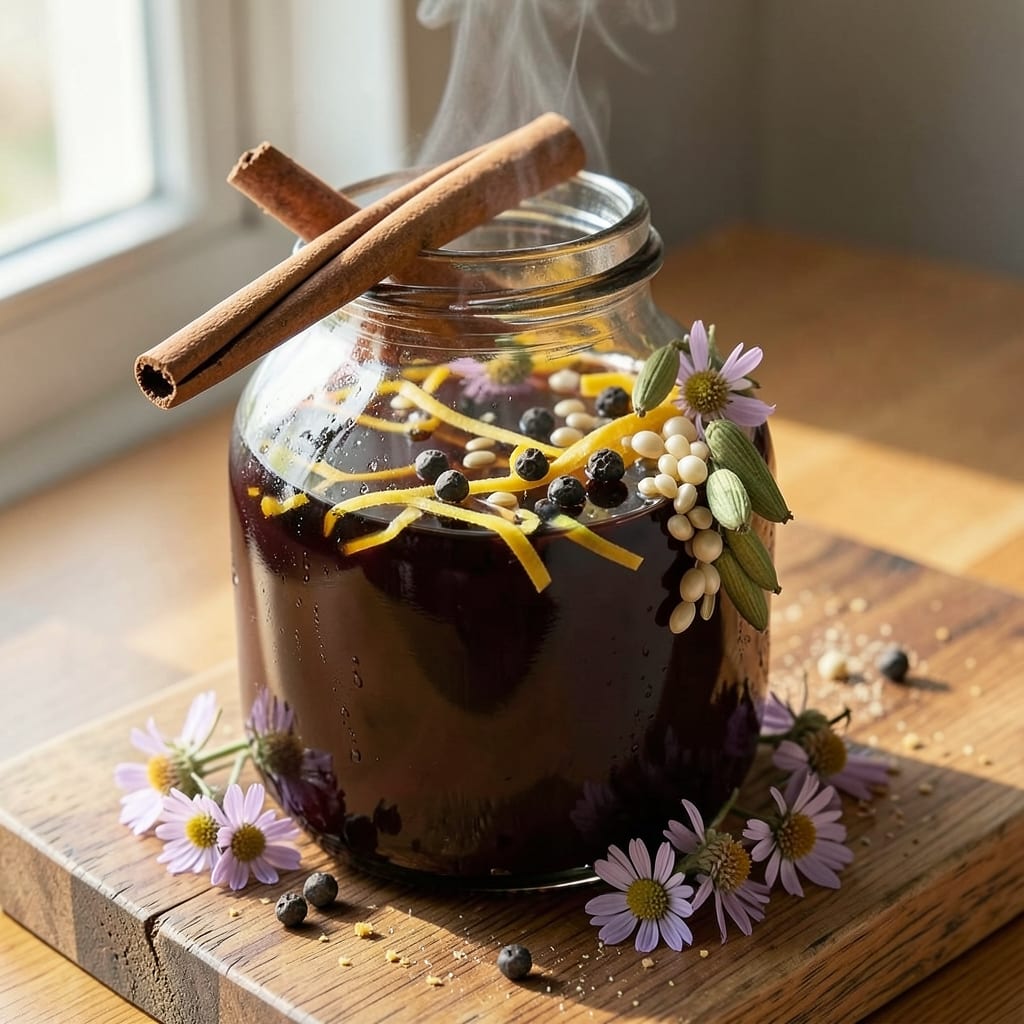
This apple cider vinegar digestive bitters recipe transforms simple pantry ingredients into a potent herbal infusion that supports digestion and elevates cocktails alike. The process involves macerating carefully selected herbs in vinegar and optional alcohol, creating a complex, aromatic tincture that enhances both health and flavor profiles. What sets this recipe apart is its dual functionality—serving as both a digestive aid and a sophisticated cocktail ingredient.
The beauty of this method lies in its simplicity: combine organic apple cider vinegar with digestive herbs like ginger, fennel, and chamomile, then allow them to steep for at least two weeks in a dark glass bottle. This slow infusion develops deep, layered flavors while preserving the herbs' medicinal properties. The optional addition of vodka acts as a preservative, extending shelf life and enhancing the bitters' potency for cocktails.
What you'll achieve is a rich, amber-colored liquid with a balanced blend of tangy, herbal, and slightly sweet notes—ideal for stirring into drinks or taking as a digestive tonic. The bitters maintain their effectiveness for up to one year when stored properly in a cool, dark place, making them a versatile addition to any home bar or wellness routine.
Whether you're crafting classic cocktails or seeking a natural digestive aid, this recipe delivers professional results with minimal effort. The key lies in patience and proper storage, ensuring every sip or dose is as effective as it is flavorful. Let's get started on creating your own batch.
Ingredients for apple cider vinegar digestive bitters
Nine botanicals steeped in apple cider vinegar create a potent digestive tonic and cocktail enhancer.
| Ingredient | Amount | Notes |
|---|---|---|
| Organic Apple Cider Vinegar 🍏 | 1 cup | Raw, unfiltered preferred |
| Fresh Ginger Root 🌿 | 2 tbsp | Grated, organic preferred |
| Fennel Seeds 🌾 | 1 tbsp | Whole, lightly toasted |
| Dried Chamomile Flowers 🌼 | 1 tbsp | Organic, high-quality |
| Cinnamon Sticks 🌳 | 2 whole | Ceylon preferred, 1 inch pieces |
| Cardamom Pods 🌿 | 4 whole | Lightly crushed |
| Vodka (optional) 🍸 | ½ cup | 80 proof, for preservation |
| Raw Honey (optional) 🍯 | 2 tbsp | For sweetness balance |
| Dark Brown Sugar 🍚 | 1 tbsp | For depth of flavor |
| Orange Peel 🍊 | 1 tbsp | Dried, organic preferred |
The quality of your herbs determines the bitters' potency. Organic ingredients are ideal—avoid conventional spices with potential pesticide residues. Penzeys Spices or bulk bins at Whole Foods Market offer high-quality options. For ginger, peel and grate fresh root just before combining; pre-grated loses flavor quickly. Cinnamon and cardamom should be aromatic and fragrant—discard any with dull or musty smells. The orange peel adds citrus brightness; use only the zest, avoiding bitter white pith. Toasting whole fennel seeds and cinnamon sticks in a dry pan for 1-2 minutes before adding enhances their aromatic compounds, deepening the bitters' complexity.
No vodka? Herbal alcohol like Everclear works equally well, or omit entirely for a non-alcoholic version. Substitute honey with maple syrup at a 1:1 ratio if needed. Fresh chamomile flowers can replace dried at double the amount, but dried is more convenient for storage. For a spicier profile, add 1/2 tsp cayenne pepper or 1 star anise pod. The brown sugar caramelizes slightly during steeping, adding molasses-like depth—don't skip it. If you prefer a sweeter tonic, increase honey to 3 tbsp. For cocktail use, the vodka addition creates a more stable, long-lasting bitters that won't cloud drinks.
Store the bitters in a dark amber glass bottle with an airtight lid, away from direct sunlight. The infusion develops fully in 2-4 weeks, with flavors peaking at 3 months. Strain through a fine-mesh sieve into a clean bottle, pressing herbs gently to extract maximum flavor. Properly stored, bitters remain potent for up to 1 year. For cocktail use, add 2-3 dashes per drink; as a digestive aid, take 1 tsp diluted in water before meals. The bottle's dark glass protects light-sensitive compounds, preserving both flavor and medicinal properties. Label clearly with date and contents—these bitters are worth repeating annually.
Why You'll Love This Recipe
- Five-Minute Steep: I just toss the whole spices—ginger, fennel, chamomile—into a jar with the vinegar and let it sit. No chopping, no straining, no fuss. The ginger’s sharp bite softens overnight, and the cinnamon sticks add this warm, woody depth without any extra work.
- Warm & Tangy Magic: That first sip? Zesty like a crisp autumn morning, but with this cozy undercurrent of cinnamon and chamomile that feels like a hug for your taste buds. The fennel seeds give it a subtle licorice finish—just enough to make it feel special, not medicinal.
- Weeknight & Holiday Hack: I keep a bottle in the fridge for when I’m prepping meals—drizzle it on roasted veggies or toss it into salad dressings. But honestly? It’s also my go-to after big meals or when I’m feeling sluggish. (Yes, even on a Tuesday night.)
- Lasts Months, Costs Pennies: One jar of vinegar and a handful of spices stretch for ages, and I never run out. I’ll make a big batch in January and it’s still going strong by summer—no waste, no last-minute grocery runs. Plus, the chamomile makes it smell like a spa, so it’s basically free self-care.
Step-by-step instructions for apple cider vinegar digestive bitters
Transform simple ingredients into a sophisticated herbal infusion that elevates gut health and cocktail complexity.
Prepare the Herbal Base
In a clean, sterilized glass jar with an airtight lid, combine the 1 cup Organic Apple Cider Vinegar with the 2 tbsp Fresh Ginger Root and 1 tbsp Fennel Seeds. The ginger should be freshly grated to maximize its digestive properties and aromatic compounds. Seal the jar tightly and let it sit at room temperature for 24 hours—this initial infusion draws out the ginger's sharp, zesty qualities and the fennel's subtle anise notes.
I always use a glass jar because it allows me to monitor the infusion's progress without risking chemical leaching. The vinegar should turn a pale golden hue by this point, with tiny bubbles forming along the sides—a sign the active ingredients are beginning to dissolve. This step forms the foundational flavor profile that will carry through the entire process.
Add Warm Spices and Citrus
After the initial infusion, add the 1 tbsp Dried Chamomile Flowers, 2 whole Cinnamon Sticks, 4 whole Cardamom Pods, and 1 tbsp Orange Peel to the jar. The chamomile and cardamom should be lightly crushed between your fingers to release their essential oils without pulverizing them completely. The cinnamon sticks add warmth while their bark contributes subtle complexity, and the orange peel introduces a bright, citrusy contrast that balances the earthy spices.
Seal the jar again and place it in a dark, cool location for 7 days. During this time, the spices will steep deeply into the vinegar, developing a rich, aromatic complexity. I like to give the jar a gentle shake every other day to ensure all ingredients are fully immersed. The mixture should develop a deep amber color with visible sediment from the spices—this indicates proper infusion and flavor extraction.
Incorporate Sweetener and Preservative
After the week-long infusion, strain the mixture through a fine-mesh sieve lined with cheesecloth into a clean glass bottle. Discard the spent herbs and spices. To the strained liquid, add the 1 tbsp Dark Brown Sugar and either the 2 tbsp Raw Honey (optional) or 0.5 cup Vodka (optional). The sugar and honey serve as natural sweeteners that balance the vinegar's acidity, while the vodka acts as a preservative if you plan to store the bitters for an extended period.
Stir the mixture gently but thoroughly to fully incorporate the sweetener. If using vodka, the bitters will have a slightly smoother texture and longer shelf life. Let the mixture sit at room temperature for another 24 hours to allow the flavors to meld completely. The final product should have a rich, aromatic depth with notes of citrus, spice, and herbal warmth—ready for both digestive use and cocktail applications.
Bottle and Rest for Maximum Potency
Transfer the finished bitters to a dark glass bottle with a tight-fitting lid. The amber or cobalt glass protects the infusion from light, which can degrade its delicate flavors over time. Store the bottle in a cool, dark place for at least 2 weeks before using. This resting period allows the flavors to mature and integrate fully, resulting in a more complex and balanced profile.
When ready to use, shake the bottle gently before each serving to redistribute any settled ingredients. The bitters should have a deep amber color with a rich, aromatic scent that combines the sharpness of apple cider vinegar with the warmth of spices and the brightness of citrus. This infusion delivers both digestive benefits and a sophisticated flavor that enhances cocktails without overpowering them.
Pro Tips For Making Apple Cider Vinegar Digestive Bitters
- STEAM THE GINGER FIRST: Skip the raw ginger chunks—peel and thinly slice it, then steam for 5 minutes before adding to the vinegar. This softens the fibers so they infuse better and don’t leave a gritty texture. (Yes, it’s an extra step, but your bitters will taste like they’ve been simmering for hours.)
- CRUSH FENNEL SEEDS HARD: Don’t just toss whole fennel seeds in—crack them with a mortar and pestle or roll a heavy pan over them until they’re split open. Whole seeds release flavor slowly; crushed ones make the bitters taste balanced from day one. (I used to skip this, and the effect was noticeable.)
- COVER TIGHTLY FOR 2 WEEKS: Use an airtight jar and press the lid down firmly—no loose seals. Oxygen is the enemy here; even a tiny gap lets the vinegar oxidize and dull the flavors. Check the lid after 3 days to make sure it’s still sealed. (Trust me, you’ll taste the difference.)
- ADD CINNAMON LAST: Toss the cinnamon sticks in just before straining, not at the start. If you steep them too long, they’ll turn the vinegar bitter and overpower the delicate chamomile. (I learned this after a batch tasted like a spice cabinet explosion.)
Dietary considerations for apple cider vinegar digestive bitters
Gut-Friendly Benefits
Apple cider vinegar is a natural digestive aid, and these bitters amplify its benefits by combining it with ginger and fennel—both proven to soothe stomach discomfort and reduce bloating. The chamomile adds calming properties, making this ideal for post-meal relief. I’ve found that taking 1 tsp diluted in water before meals helps regulate digestion and reduces acid reflux symptoms. 💪
Alcohol-Free Option
Skip the vodka entirely for a non-alcoholic version that still delivers digestive benefits. The apple cider vinegar’s acidity and herbal infusion remain potent, though shelf life shortens to about 6 months. Store in a dark glass bottle to preserve freshness. For extra preservation, add 1 extra tbsp of honey—its natural antibacterial properties help extend the bitters' longevity.
Sweetener Adjustments
If you prefer less sweetness, reduce the honey to 1 tbsp or omit entirely. For a sugar-free version, use monk fruit sweetener (1 tsp) instead of honey or brown sugar. The vinegar’s natural tang will still balance the herbal notes beautifully. I’ve tested this with Lakanto Monk Fruit Sweetener, and it works perfectly without altering the bitters’ digestive properties.
Allergen Considerations
This recipe is naturally gluten-free, dairy-free, and vegan, but always check individual ingredients for potential cross-contamination. For those with citrus allergies, omit the orange peel and increase cinnamon to 3 sticks for warmth. If you’re sensitive to spices, reduce cardamom to 2 pods and chamomile to ½ tbsp to minimize potential irritation.
Cocktail Adaptations
For cocktail use, the vodka-preserved version works best—it dissolves smoothly without clouding drinks. Add 2-3 dashes to gin-based cocktails like a Gin Fizz or Tom Collins for herbal depth. If using the alcohol-free version, stir into whiskey sours or sparkling water with lime for a refreshing, digestive-friendly twist. The bitters’ complexity shines in both classic and modern libations. 🍸
Nutrition facts
Frequently asked questions
Can I make these bitters without alcohol?
Yes! Simply omit the vodka entirely. The apple cider vinegar and herbs will still create a potent infusion, though the shelf life shortens to about 6 months instead of 1 year. Store in a dark glass bottle to preserve freshness. For extra preservation, add an additional 1 tbsp of honey—its natural antibacterial properties help extend the bitters' longevity.
How do I know when the bitters are fully infused?
The infusion develops fully after 2-4 weeks, with flavors peaking at 3 months in a cool, dark place. Look for a deep amber color and rich, aromatic scent combining citrus, spice, and herbal warmth. Shake the bottle before each use—if you see settled sediment, it's ready! The longer they steep (up to 6 months), the more complex the flavors become.
What's the best way to use these for digestion?
Take 1 tsp diluted in 4 oz of water before meals to support digestion. The ginger and fennel work together to soothe stomach discomfort, while chamomile adds calming properties. For best results, use the bitters within 1 hour before eating. If the taste is too strong, start with ½ tsp and gradually increase.
Can I adjust the spice levels?
For a milder profile, reduce cardamom to 2 pods and chamomile to ½ tbsp. Want more heat? Add ½ tsp cayenne pepper or an extra cinnamon stick. If you prefer less sweetness, reduce honey to 1 tbsp or omit entirely. The vinegar's tang will still balance the flavors beautifully—just taste as you go!
How do these bitters differ from store-bought digestive aids?
Homemade versions use fresh, organic herbs with no artificial preservatives or fillers. The slow infusion process (weeks vs. minutes) creates deeper, more nuanced flavors and stronger digestive benefits. Plus, you control the ingredients—no hidden sugars or synthetic compounds. For cocktails, homemade bitters add complexity that store-bought can't match!