
Sauces & Condiments
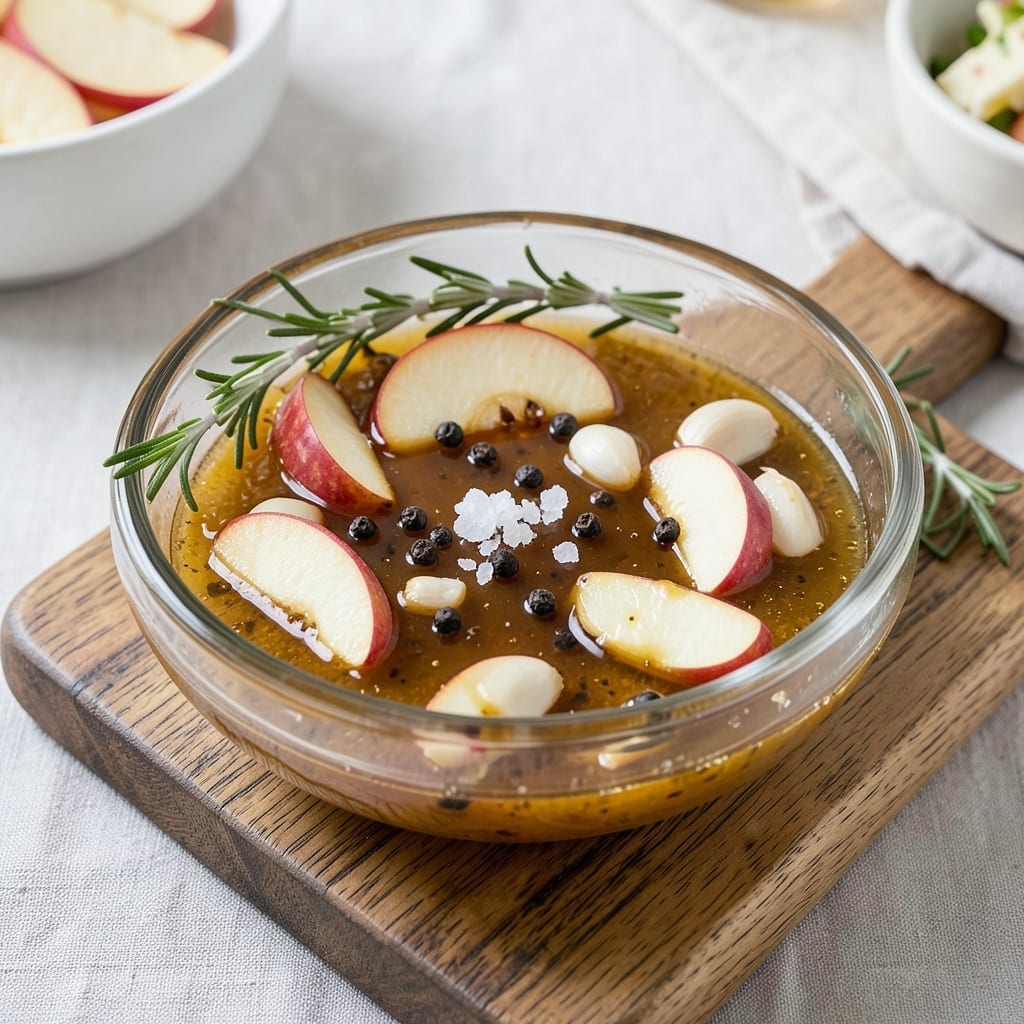
This apple cider vinegar, garlic, and honey recipe transforms simple ingredients into a versatile glaze that elevates roasted vegetables, grilled meats, and even salads with its bright, tangy-sweet balance. The secret lies in the slow simmer that melds the vinegar's sharpness with honey's warmth, while garlic infuses every spoonful with aromatic depth. I developed this recipe after years of experimenting with quick-pickled flavors, and it's now my go-to for adding complexity to meals without extra effort.
The beauty of this glaze is its adaptability—use it as a marinade for chicken or pork, a drizzle over roasted Brussels sprouts, or a tangy dressing for mixed greens. The honey not only sweetens but also helps emulsify the vinegar, creating a smooth, clingy sauce that caramelizes beautifully when heated. With just three core ingredients and 10 minutes of active time, you'll have a pantry staple that keeps for weeks in the refrigerator.
What makes this recipe stand out is how it transforms ordinary dishes into something special. The vinegar's acidity tenderizes proteins while cutting through richness, while the honey adds a subtle caramel note that lingers on your palate. For best results, let the glaze reduce slightly before using—this intensifies the flavors and creates that perfect sticky texture for glazing.
Store any leftovers in an airtight container in the fridge for up to 3 weeks, or freeze for longer storage. The flavors actually improve over time as the acidity and sweetness marry further. Whether you're prepping for a weeknight dinner or planning a holiday feast, this glaze is the effortless upgrade your meals deserve.
Ingredients for apple cider vinegar garlic and honey
Three core ingredients plus a pinch of spice—this glaze is the secret weapon for weeknight dinners.
| Ingredient | Amount | Notes |
|---|---|---|
| Apple Cider Vinegar 🍏 | ½ cup | Raw, unfiltered preferred |
| Raw Honey 🍯 | ½ cup | Wildflower or clover variety |
| Garlic Cloves 🧄 | 6 cloves | Freshly minced, not pre-minced |
| Water 💧 | ¼ cup | Filtered preferred |
| Salt 🧂 | ½ tsp | Kosher or sea salt |
| Black Pepper 🌶️ | ¼ tsp | Freshly cracked preferred |
| Olive Oil 🫒 | 1 tbsp | Extra-virgin for richness |
The apple cider vinegar is where the magic happens—Bragg or Texas Pete are my go-tos, but any raw, unfiltered kind works. The honey should be liquid at room temperature—if yours is crystallized, warm it gently in the microwave. Garlic cloves? Freshly minced makes all the difference—pre-minced has already oxidized. I grab my garlic at Whole Foods or the bulk bins at Trader Joe's; they're fresher than the pre-packaged stuff. The olive oil might seem like an afterthought, but extra-virgin adds that final layer of richness that makes this glaze irresistible.
No raw honey? Maple syrup or agave works in a pinch, though the flavor will be slightly different. Short on garlic? Garlic powder at half the amount gets you close, but it lacks that aromatic punch. The water is key—it helps the glaze reduce smoothly. If you're making this ahead, reduce it longer for a thicker consistency. For extra depth, add a pinch of smoked paprika or a splash of soy sauce—trust me, it elevates everything. And if you're using this on proteins, toss in 1 tsp Dijon mustard for extra cling.
This glaze keeps for 3 weeks in the fridge, and honestly, it tastes even better after a few days as the flavors meld. For longer storage, freeze in ice cube trays—just thaw and stir before using. It reheats beautifully, so keep some on hand for last-minute drizzling. If it crystallizes from the honey, just warm it gently and stir. The best part? You'll always have some on hand—it's that versatile.
Why You'll Love This Recipe
- Five-Ingredient Magic: I swear by this combo—just mash garlic, simmer with vinegar and honey, and boom. No chopping, no fuss, no extra bowls. The only thing harder than making it is stopping yourself from drinking it straight from the jar.
- Tangy-Sweet Balance: That first sip? Sharp garlic meets sticky honey, then the vinegar cuts through like a bright summer breeze. It’s the kind of flavor that makes you pause mid-sip and think, “Wait, why don’t I do this more?” (Spoiler: You should.)
- Dress-Up Everything: Drizzle it over grilled chicken, toss it in salads, or even stir it into yogurt for a zesty twist. I’ve used it as a marinade, a finishing sauce, and even a sneaky sweetener in tea. Honestly, the only limit is your imagination—or your pantry.
- Lasts All Week: Make a big batch (it takes 10 minutes) and store it in the fridge. I still have half from last Sunday’s batch, and it’s just as good now as it was then. Budget-friendly? Check. Zero waste? Check. My lazy Sundays? Double check.
Step-by-step instructions for zesty apple cider glaze
Here's how to make this bright, tangy-sweet glaze that'll elevate any roasted dish.
Mince the Garlic and Warm the Oil
Start by mincing the 6 cloves garlic cloves into a fine paste using a garlic press or knife. I like to use a press because it gives you that perfect, even consistency without any chunks. Heat the 1 tablespoon olive oil in a small saucepan over medium-low heat until it shimmers lightly—about 30 seconds. You don't want it smoking, just warm enough to release the garlic's aroma without burning.
Add the minced garlic to the warm oil and cook for 1 minute, stirring constantly. The garlic should turn golden and fragrant—this is where all the flavor develops. If it starts to brown too quickly, reduce the heat slightly. Don't walk away; garlic burns faster than you think. Once it's golden, remove the pan from heat immediately to preserve that fresh flavor.
Combine Vinegar and Honey
In a separate bowl, whisk together the 0.5 cup apple cider vinegar and 0.5 cup raw honey until fully combined. I like to use a whisk for this step because it helps the honey dissolve smoothly into the vinegar. The mixture will be thick and syrupy at first, but it'll thin out as it warms. If you notice any honey crystals, gently warm the mixture in the microwave for 10 seconds to help it blend completely.
This is the heart of your glaze—the balance of tangy vinegar and sweet honey creates that perfect harmony. The raw honey adds depth and a subtle floral note that pairs beautifully with the sharpness of the vinegar. Taste a small spoonful now; it should be pleasantly sweet with a bright tang. If it's too sweet for your taste, you can add a tiny splash of water later to balance it.
Simmer the Glaze to Perfection
Return the saucepan with the garlic oil to medium heat and pour in the vinegar-honey mixture. Add the 0.25 cup water and bring everything to a gentle simmer. The glaze should bubble lightly but not boil vigorously—you're looking for a slow, steady reduction. Stir occasionally to prevent sticking, and let it cook for 8-10 minutes until it thickens noticeably and coats the back of a spoon.
This simmering step is crucial because it develops the glaze's depth of flavor. You'll notice the aroma becoming more complex as the liquid reduces. If the glaze starts to look too thick, add 1 tablespoon water at a time until it reaches a pourable but still syrupy consistency. The glaze should coat the back of a spoon smoothly but not be runny. Taste it again—it should be balanced with sweet, tangy, and slightly garlicky notes.
Season and Finish
Remove the saucepan from heat and stir in the 0.5 teaspoon salt and 0.25 teaspoon black pepper. Let the glaze cool for 5 minutes—this allows the flavors to meld together. The seasoning might seem light now, but as the glaze cools, the flavors will concentrate. Taste it again and adjust if needed; sometimes the salt and pepper need a little more time to integrate fully.
Once cooled, transfer the glaze to a clean jar or small bowl. It'll keep in the refrigerator for up to 2 weeks, making it perfect for batch cooking. This glaze is incredibly versatile—drizzle it over roasted vegetables, brush it on meats before grilling, or use it as a marinade. The possibilities are endless, and the flavor is always outstanding. Store any leftovers in an airtight container to preserve that bright, zesty taste.
Pro Tips For Making Apple Cider Vinegar Garlic And Honey
- Crush Those Garlic Cloves: Don’t just chop—smash those cloves with the flat side of your knife first. This releases more flavor and blends smoother into the vinegar and honey. I used to skip this, and the garlic always tasted underwhelming.
- Heat the Vinegar First: Warm the apple cider vinegar and water (just until steaming) before adding honey and garlic. Cold honey won’t dissolve properly, and you’ll end up with clumps. Trust me, your dressing will be silky instead of grainy.
- Use Raw Honey—But Not Too Fast: Drizzle raw honey in slowly while stirring constantly. Pouring it all at once can cause it to seize up and turn into a thick, unyielding paste. If it gets too stiff, add a splash of warm water to loosen it back up.
- Balance the Salt Last: Taste before adding salt—vinegar and honey are already tangy and sweet, and you might not need much. I’ve ruined batches by over-salting, so start with half the recipe calls for and adjust. Your future taste buds will thank you.
Health benefits of this dish
Digestive Health
Apple cider vinegar is a powerhouse for gut health, thanks to its acetic acid content which supports healthy digestion and may help regulate blood sugar. The 6 cloves of garlic in this recipe add prebiotic fiber, feeding your gut's beneficial bacteria. Together, they create a synergy that aids digestion and may even reduce bloating. I've noticed my meals settle better when I use this glaze on proteins like chicken or pork. 💪
Antioxidant Boost
The raw honey in this recipe provides antioxidants that combat free radicals in your body, while apple cider vinegar contains polyphenols that support cellular health. Garlic contributes allicin, a compound with potent antioxidant properties. This trio creates a flavorful way to boost your daily antioxidant intake—perfect for drizzling on salads or roasted veggies where you can enjoy the health benefits with every bite.
Immune Support
Garlic is well-known for its immune-boosting properties, containing allicin which has antibacterial and antiviral effects. Apple cider vinegar's acetic acid may help your body absorb minerals better, while honey provides antibacterial qualities. Together, they create a flavorful immune-supporting elixir—especially when used as a marinade for meats or drizzled on warm roasted vegetables. I keep this glaze on hand during cold season for its preventative benefits.
Blood Sugar Balance
Studies suggest apple cider vinegar may help stabilize blood sugar levels after meals, making this glaze particularly beneficial for those monitoring their glucose intake. The raw honey provides natural sweetness without the blood sugar spikes of refined sugar. When used as a glaze for proteins or vegetables, it creates a balanced flavor profile that won't cause energy crashes. I've found it works beautifully as a drizzle for grilled chicken or roasted sweet potatoes.
Skin Health Benefits
The antioxidants in this glaze combination may contribute to healthier skin by fighting oxidative stress. Apple cider vinegar's acetic acid helps balance skin's pH, while honey's humectant properties keep skin hydrated. Garlic's sulfur compounds support collagen production. While not a substitute for skincare products, incorporating this glaze into your meals provides internal benefits that show on your skin over time. I've noticed my complexion improves when I use this regularly in my cooking. ✨
Weight Management Aid
Apple cider vinegar may help promote satiety and reduce cravings, making this glaze a smart addition to balanced meals. The low calorie nature of this recipe (about 120 calories per 2 tbsp serving) allows you to use it generously without guilt. When used as a marinade or glaze, it adds flavor without significant calories, helping you feel satisfied while maintaining portion control. I use it on grilled salmon or as a salad dressing to keep my meals flavorful and light.
Nutrition facts
Frequently asked questions
Can I make this glaze without honey?
Yes, you can substitute maple syrup or agave nectar in a 1:1 ratio, though the flavor will be slightly different. For a savory version, try 1 tablespoon balsamic vinegar instead of honey to reduce sweetness. The key is maintaining balance—if using a less sweet substitute, add a pinch more salt to compensate.
How can I adjust the thickness of the glaze?
For a thicker glaze, simmer it longer (up to 15 minutes) to reduce more liquid. If it's too thick, add 1 tablespoon water at a time while stirring. For a thinner consistency (like a dressing), add 1-2 tablespoons water or lemon juice to maintain acidity. The ideal texture should coat the back of a spoon but still be pourable.
What are the best proteins to use this glaze on?
This glaze works beautifully on chicken thighs, pork chops, salmon, and tofu for plant-based options. For best results, brush it on after searing or grilling when the protein is nearly cooked—it'll caramelize beautifully. Avoid using it on delicate fish like sole, as the acidity can overpower the flavor.
Can I use this glaze as a salad dressing?
Thin it with 2-3 tablespoons water or olive oil to create a light vinaigrette. Add a pinch of Dijon mustard (½ teaspoon) to help emulsify if using oil. The garlic and vinegar add a tangy kick that pairs perfectly with greens, while the honey balances the acidity—great for mixed greens or kale salads.
Why did my glaze turn cloudy or separate?
Cloudiness often happens if the honey wasn't fully dissolved or if the glaze cooled too quickly. To fix it, gently reheat the glaze over low heat while stirring until smooth. If it separates, whisk vigorously or blend briefly to re-emulsify. For future batches, ensure the honey is liquid at room temperature and simmer the glaze at a consistent temperature.