
Sauces & Condiments
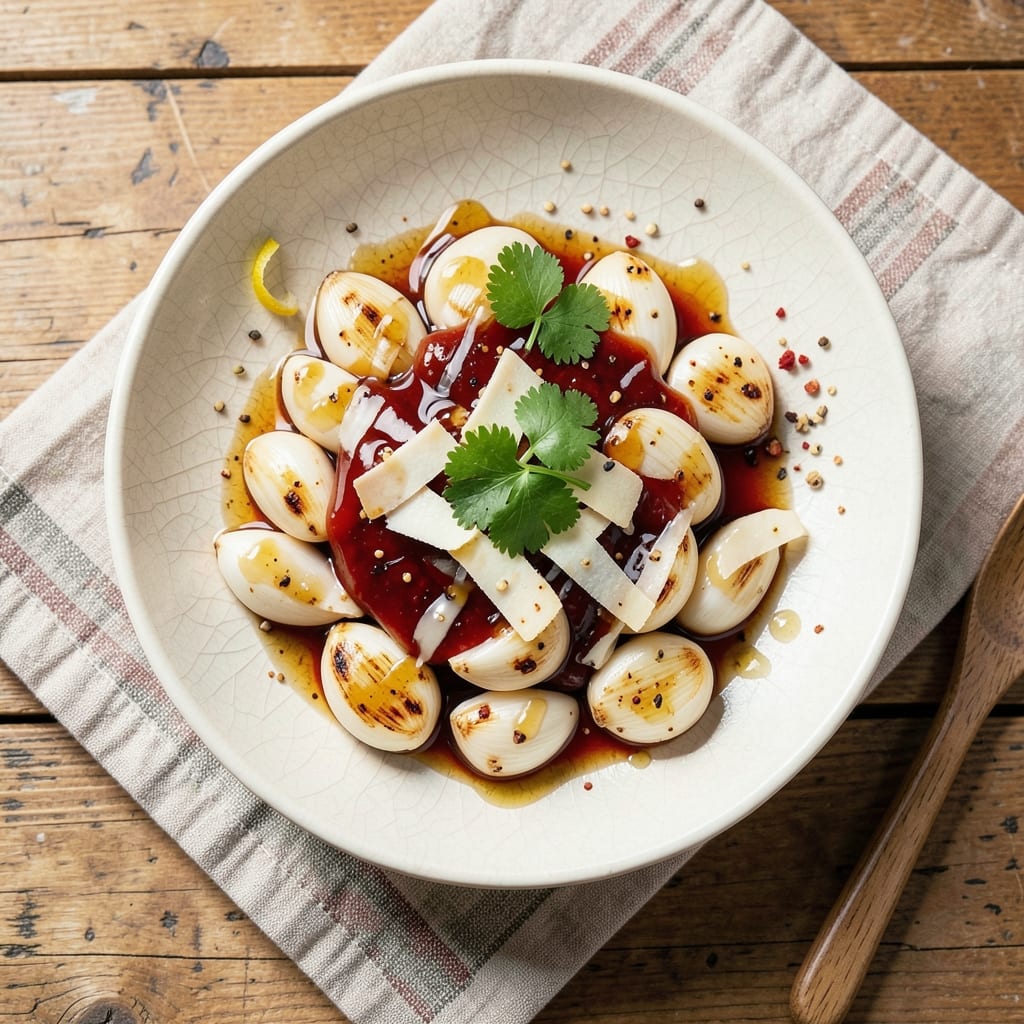
This apple cider vinegar garlic ginger sauce transforms ordinary stir-fries into restaurant-quality meals with just five minutes of prep. The tangy brightness of apple cider vinegar cuts through rich ingredients, while fresh garlic and ginger add layers of aromatic depth that linger on your tongue. I developed this recipe after years of experimenting with umami-rich sauces—it's the one that finally delivers that perfect balance of sweet, sour, and savory in every bite.
The beauty of this sauce lies in its versatility—it works as a marinade for meats, a dressing for salads, or a dipping sauce for spring rolls. The key is blending the ingredients thoroughly and letting them sit for at least 15 minutes before using, which allows the flavors to meld into a cohesive, complex base. You'll notice how the garlic softens slightly while retaining its punch, and the ginger adds a subtle warmth that enhances any dish.
What makes this sauce truly special is how it elevates simple ingredients to gourmet levels. A few tablespoons tossed with stir-fried vegetables or grilled chicken instantly transforms a basic meal into something sophisticated. The sauce keeps well in the refrigerator for up to two weeks, making it a perfect pantry staple for quick weeknight cooking.
Whether you're cooking for one or feeding a crowd, this recipe scales effortlessly. The measurements are simple—no fancy techniques required—and the ingredients are likely already in your kitchen. Let's create a sauce that will become your new go-to flavor booster.
Ingredients for apple cider vinegar garlic ginger
Eight simple ingredients blend into a sauce that transforms stir-fries into restaurant-quality meals.
| Ingredient | Amount | Notes |
|---|---|---|
| Apple Cider Vinegar 🍏 | ½ cup | Raw, unfiltered preferred |
| Garlic Cloves 🧄 | 6 cloves | Fresh, peeled, minced fine |
| Fresh Ginger 🌿 | 2 tbsp | Grated, not powdered |
| Low-Sodium Soy Sauce 🥢 | 2 tbsp | Kikkoman preferred |
| Sesame Oil 🌱 | 1 tbsp | Toasted, not flavored |
| Honey 🍯 | 1 tbsp | Wildflower preferred |
| Olive Oil 🫒 | 2 tbsp | Extra-virgin for richness |
| Garam Masala 🌶️ | ½ tsp | Freshly toasted |
| Salt 🧂 | ½ tsp | Diamond Crystal kosher |
| Black Pepper 🌶️ | ¼ tsp | Freshly ground |
The apple cider vinegar is the foundation—Bragg Organic or Maelin's are my go-tos for that bright, tangy punch. Fresh garlic and ginger make all the difference here; peel and mince the garlic right before blending to preserve its aroma. The ginger should be freshly grated, not powdered, for that zesty kick. Soy sauce adds umami depth, and I always opt for low-sodium Kikkoman to control the saltiness. If you're using regular soy sauce, reduce the added salt slightly. Toasted sesame oil adds nutty richness—avoid flavored versions, which can taste artificial.
No sesame oil? Toasted peanut oil works in a pinch, though the flavor will differ slightly. Short on honey? Maple syrup at a 1:1 ratio keeps the sauce vegetarian-friendly. The garam masala can be swapped for equal parts cumin and coriander if unavailable, though the warmth won't be identical. For a gluten-free version, use tamari instead of soy sauce. The sauce thickens as it sits, so if it's too thin after blending, simmer uncovered for 2-3 minutes to reduce slightly. This sauce plays well with others—add a splash of rice vinegar for extra tang or a pinch of red pepper flakes for heat.
Store in an airtight jar in the fridge for up to 2 weeks, though it often lasts longer. The flavors actually deepen over time, making it perfect for batch cooking. For long-term storage, freeze in ice cube trays—thaw and whisk before using. This sauce reheats beautifully; gentle warmth on the stove is best to preserve its brightness. Use within 3 months of freezing for optimal flavor. The sauce thickens when chilled, so stir well before using—a splash of water thins it if needed.
Why You'll Love This Recipe
- Pantry Magic: I swear by this combo—no fresh produce? No problem. The ACV and ginger hit like a bright, zesty punch while the garlic and soy sauce add depth. It’s the kind of flavor that makes you think, "Wait, I didn’t even shop for this?"
- Umami Bomb: That sesame oil finish? Chef’s kiss. The garlic and ginger sizzle in the pan, then the vinegar cuts through with this tangy sharpness that makes everything taste alive. Honestly, it’s the kind of sauce that turns bland rice or noodles into a full meal.
- Weeknight Swiss Army: Slather it on stir-fries, toss it in marinades, or drizzle it over grilled chicken—this stuff does it all. I keep a jar in the fridge for when I’m too tired to think, and it never lets me down. (Yes, even on a Tuesday night.)
- Leftovers’ BFF: Make a big batch—it keeps for days in the fridge and freezes like a dream. A splash in soups, a stir into congee, or a quick glaze for roasted veggies? This sauce turns yesterday’s leftovers into today’s star. My wallet thanks me too—five ingredients, zero waste.
Step-by-step instructions for apple cider vinegar garlic ginger base
This vibrant umami base transforms simple stir-fries into restaurant-quality dishes with minimal effort.
Toast the Spices for Depth of Flavor
Heat a small dry skillet over medium heat and add the 0.5 teaspoon freshly toasted garam masala. Toast for 30-45 seconds until fragrant and lightly golden—you'll smell the warm spices awakening. Immediately transfer the toasted garam masala to a small bowl and set aside.
This step unlocks the full aromatic potential of the garam masala. The brief toasting enhances its earthy notes and removes any raw bitterness. Don't skip this—it's what transforms good stir-fries into exceptional ones. Watch the spices closely; they toast quickly and can burn easily.
Bloom the Garlic and Ginger in Olive Oil
In a medium saucepan, combine the 2 tablespoons extra-virgin olive oil with the 6 cloves minced garlic and 2 tablespoons grated fresh ginger. Heat over medium-low heat for 3-4 minutes until the garlic becomes translucent and the ginger softens slightly—you'll see it release its oils and turn aromatic.
This gentle cooking process prevents the garlic from burning while allowing the ginger to release its subtle heat. Stir occasionally to distribute the heat evenly. You'll know it's ready when the mixture smells intensely fragrant and the raw garlic color transforms to a pale golden hue. Remove from heat immediately after.
Build the Base with Vinegar and Soy
Return the pan to medium heat and add the 0.5 cup raw apple cider vinegar and 2 tablespoons low-sodium soy sauce. Bring to a gentle simmer and reduce by half—about 5-6 minutes—until the liquid thickens slightly and coats the back of a spoon. Stir occasionally to prevent sticking.
The vinegar will initially smell sharp, but as it reduces, those bright acid notes mellow into a complex umami foundation. This reduction step concentrates the flavors and creates a balanced base that won't overpower your stir-fry. You're looking for a syrupy consistency that's still pourable but noticeably thicker than when you started.
Finish with Sweetness and Nutty Depth
Remove from heat and stir in the 1 tablespoon toasted sesame oil, 1 tablespoon honey, 0.5 teaspoon salt, and 0.25 teaspoon freshly ground black pepper. The mixture will immediately transform—smooth, glossy, and complex with layers of sweet, tangy, and nutty flavors.
Let the base cool slightly for 2-3 minutes to allow all the components to meld. The honey will help balance the acidity while the sesame oil adds a rich, toasty note. Taste and adjust seasoning if needed—this is your opportunity to fine-tune the balance before using it in your stir-fry. The finished base should taste vibrant and well-rounded, with no single flavor dominating.
Use Immediately or Store for Later
This versatile base works immediately in stir-fries, marinades, or dressings. For best results, use within 3-4 days when stored in an airtight container in the refrigerator. When ready to use, simply warm through gently over low heat and adjust consistency with a splash of water if needed.
The base will keep its vibrant color and complex flavors when properly stored. If you notice any separation, simply stir vigorously before using. This concentrated umami base makes an excellent addition to any Asian-inspired dish—just remember to build your stir-fry around its bold character rather than trying to overpower it with additional sauces.
Pro Tips For Making Apple Cider Vinegar Garlic Ginger
- Mince Ginger Like a Pro: Grab a spoon—yes, a spoon—and press the ginger flat against the blade instead of chopping it. This keeps the juices in and gives you a smoother texture without the mess of grating. I used to hack at it with a knife, and half the time it ended up in my eyes.
- Toast Garlic First: Hit the garlic cloves with a quick sear in sesame oil for 30 seconds until they’re just golden. This stops them from turning bitter later and adds a nutty depth the raw version can’t match. Skip this, and your dish will taste underwhelming—trust me, I’ve done it.
- Balance the Vinegar: Start with half the apple cider vinegar called for, taste, then add more if needed. Raw ACV is sharp, and you’ll regret dumping it all in upfront. My first batch was way too sour—now I taste as I go.
- Simmer Soy Sauce Low: Reduce the heat to low once the soy sauce hits the pan. High heat burns it fast, turning it bitter and ruining the whole dish. Sounds obvious, but I’ve seen people walk away from the stove and come back to a sad, charred mess.
Perfect pairings for this dish
Stir-Fry Pairings
This sauce elevates classic stir-fries with proteins like chicken thighs or tofu. Toss 1 lb sliced chicken with 2 tbsp sauce and 1 tbsp cornstarch before stir-frying. For extra depth, add shredded red cabbage and snap peas—the sauce's tangy brightness cuts through the richness. 🥗
For a vegetarian version, use extra-firm tofu pressed and pan-fried until crispy. The sauce's umami profile complements tofu's neutral base perfectly. I like adding baby bok choy and shiitake mushrooms for texture contrast. Serve with steamed jasmine rice to soak up every drop.
Marinade Magic
Use this sauce as a marinade for pork tenderloin or salmon fillets. Coat 1 lb protein with 3 tbsp sauce and marinate for 30-60 minutes in the fridge. The apple cider vinegar tenderizes while the garlic and ginger add aromatic depth. Grill or pan-sear until caramelized for maximum flavor. 🍖
For shrimp, toss 1 lb peeled shrimp with 2 tbsp sauce and 1 tsp honey. The acidity prevents overcooking while infusing incredible flavor. Sauté in 1 tbsp butter for 2-3 minutes per side—just until pink. Serve with cucumber ribbons for a refreshing contrast.
Dipping Sauce
Thin the sauce with 1-2 tbsp water to create a perfect dipping sauce for spring rolls or egg rolls. The balance of sweet, tangy, and umami makes it irresistible. For extra richness, stir in 1 tsp chili crisp or sriracha to taste. 🥟
For a creamy twist, whisk in 1 tbsp plain Greek yogurt after cooling. This works beautifully with crispy cauliflower bites or fried wontons. The yogurt softens the acidity while adding a velvety texture that pairs perfectly with crispy foods.
Salad Dressing
Use as a bold dressing for Asian-inspired salads. Toss with mixed greens, edamame, and shredded carrots. The sauce's complexity stands up to hearty ingredients without overpowering. Add toasted sesame seeds for extra crunch. 🥗
For a warm dressing, gently heat 2 tbsp sauce with 1 tsp honey and drizzle over warm greens like spinach or kale. The heat enhances the garlic and ginger notes while the honey mellows the acidity. Perfect for fall harvest salads with roasted squash and pomegranate seeds.
Breakfast Boost
Add to scrambled eggs for an umami-packed breakfast. Stir 1 tbsp sauce into 4 eggs cooked with 1 tbsp butter. The tangy notes cut through the richness while adding depth. Top with crispy fried shallots for texture contrast. 🍳
For breakfast burritos, spread 2 tbsp sauce on a warm tortilla before adding eggs, cheese, and your favorite fillings. The sauce's complexity makes simple breakfasts feel gourmet. Wrap tightly and serve with hot sauce for extra heat if desired.
Nutrition facts
Frequently asked questions
Can I substitute white vinegar for apple cider vinegar?
While white vinegar will work in a pinch, it lacks the complex depth and subtle sweetness of apple cider vinegar. The apple cider variety adds a pleasant fruitiness and richer umami profile that white vinegar can't replicate. If you must substitute, use a 1:1 ratio but be prepared for a slightly sharper, less nuanced flavor.
How long should I let the sauce sit before using it?
For best flavor development, let the sauce rest for at least 15 minutes before using. This allows the garlic and ginger to fully infuse their flavors and the vinegar's acidity to mellow slightly. If you have time, 30 minutes in the fridge enhances the depth even more. The longer it sits, the more complex the flavors become!
What if my sauce ends up too thin?
Simmer the sauce uncovered for 2-3 minutes to reduce the liquid naturally. If it's still too thin, stir in 1/2 teaspoon cornstarch mixed with 1 teaspoon water and simmer for another minute until thickened. Avoid over-reducing, as this can make the sauce too concentrated and lose its brightness.
Can I make this sauce without sesame oil?
Yes! For a similar nutty depth, use toasted peanut oil or avocado oil in the same amount. If you're avoiding all oils, omit it entirely and increase the honey to 1.5 tablespoons to maintain balance. The sauce will still be delicious, though the texture will be slightly lighter without the oil's richness.
How can I make this sauce spicier?
Add 1/2 teaspoon red pepper flakes or 1 teaspoon sriracha to the finished sauce for immediate heat. For a smoky kick, stir in 1/2 teaspoon smoked paprika with the garam masala during toasting. Always adjust gradually—you can add more heat, but you can't remove it once it's there!