
Beverages
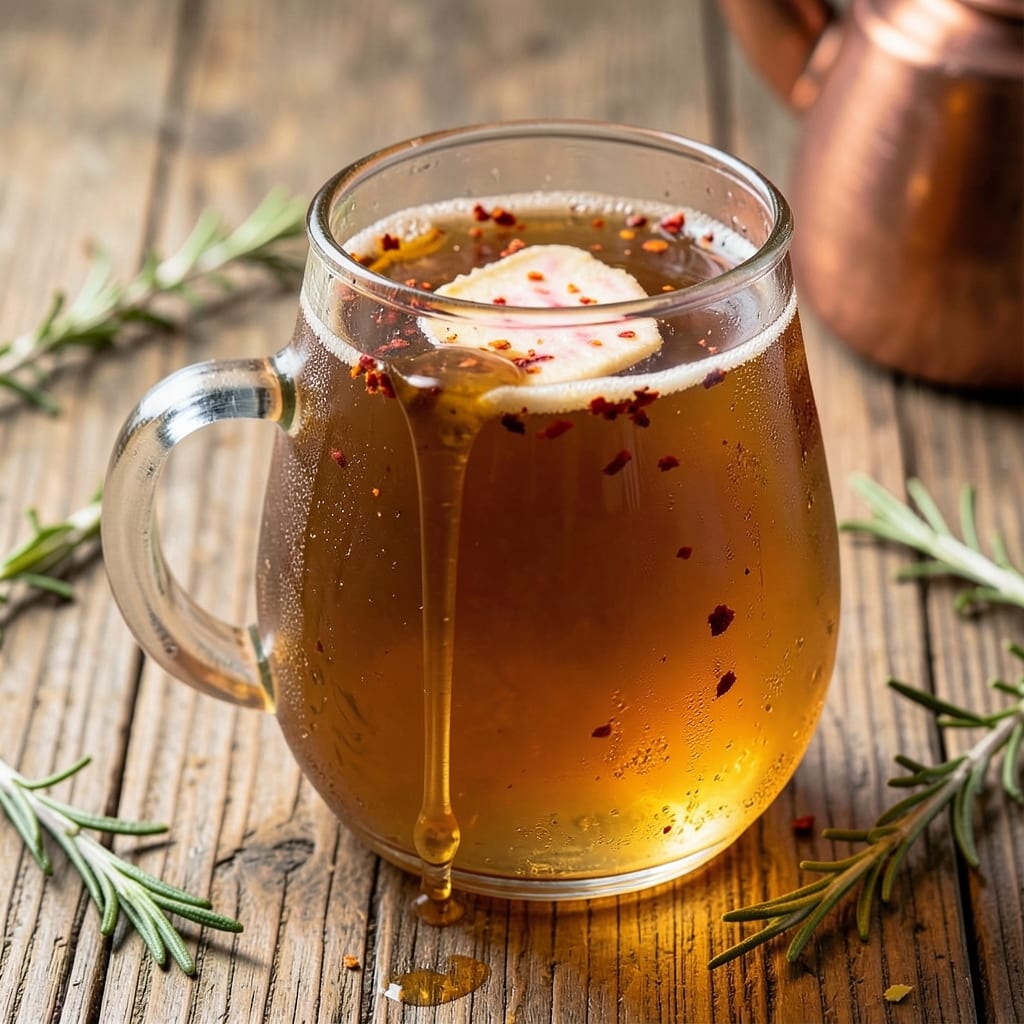
This apple cider vinegar, ginger, and honey drink recipe transforms simple pantry staples into a gut-friendly elixir that balances tangy, spicy, and sweet flavors. The combination of raw apple cider vinegar and fresh ginger creates a zesty base, while honey adds natural sweetness and soothes the throat. I developed this recipe after discovering how a warm cup of this mixture could ease digestion and boost energy—perfect for both health-conscious sippers and those craving a refreshing, naturally sweetened beverage.
The beauty of this drink lies in its versatility—enjoy it chilled as a spa-like tonic, warm as a comforting digestive aid, or even as a base for a sophisticated mocktail. The ginger provides a gentle kick, while the apple cider vinegar adds probiotic benefits and helps stabilize blood sugar. With just five core ingredients, this recipe is foolproof and customizable: add lemon for brightness, turmeric for anti-inflammatory properties, or a splash of sparkling water for effervescence.
What makes this drink truly special is how it elevates everyday moments—whether you're winding down after dinner, prepping for a workout, or simply craving something nourishing. The honey not only balances the acidity but also enhances the drink's natural healing properties, making it ideal for seasonal wellness routines. Best of all, it requires no special equipment—just a jar, a spoon, and patience to let the flavors meld.
Once you try this elixir, you'll find endless ways to adapt it: serve it over ice with a cinnamon stick for a festive touch, or sip it warm with a sprinkle of cayenne for extra metabolism-boosting power. The possibilities are as endless as your health goals. Let’s make this refreshing drink your new daily ritual.
Ingredients for apple cider vinegar ginger and honey drink
Five simple ingredients blend into a gut-soothing, energizing elixir perfect for any moment.
| Ingredient | Amount | Notes |
|---|---|---|
| Raw Apple Cider Vinegar 🍎 | ½ cup | Unfiltered with mother preferred |
| Fresh Ginger Root 🧄 | 2 tbsp | Finely grated, skin on |
| Raw Honey 🍯 | ¼ cup | Local preferred for flavor |
| Filtered Water 💧 | 1 ½ cups | Room temperature preferred |
| Lemon Juice 🍋 | 1 tbsp | Freshly squeezed, optional |
| Cayenne Pepper 🔥 | ⅛ tsp | Adjust for heat preference |
| Ground Cinnamon 🌿 | ¼ tsp | Optional for warmth |
The apple cider vinegar should be raw and unfiltered—look for brands like Bragg or Mother Culture at health food stores or the vinegar aisle. Fresh ginger root makes all the difference here; skip the jarred stuff. I always grab organic ginger from the produce section at Whole Foods or Trader Joe's—their roots are consistently fresh. The honey? Local, raw honey adds depth, but any quality honey will work. For the water, filtered is ideal, but tap water in most areas is fine if you let it sit out for 30 minutes to release chlorine. The lemon juice and spices are just the cherry on top—optional but worth it for that extra zing.
No raw apple cider vinegar? White vinegar or balsamic vinegar works in a pinch, though the flavor won’t be as complex. Fresh ginger unavailable? Ginger powder at one-third the amount gets you close, but it lacks that vibrant kick. Short on honey? Maple syrup or agave nectar are great substitutes—just reduce the water slightly since they’re thicker. The lemon juice can be swapped for lime juice if that’s what you have. For the spices, ground cinnamon is a must for warmth, but nutmeg or cardamom add a different twist. If you’re sensitive to spice, skip the cayenne entirely—this drink is still delicious without it.
This elixir keeps beautifully in the fridge for up to 2 weeks once mixed, though I find it’s best enjoyed fresh within 5-7 days. Store it in a glass jar with a tight lid to preserve all those good flavors. For a quick serving, just pour 1-2 tbsp into a glass with warm or cold water—it’s that easy. I like to pre-mix a big batch and keep it in the fridge for those days when I’m craving something nourishing. The flavors actually deepen over time, so don’t hesitate to make extra.
Why You'll Love This Recipe
- Five-Ingredient Magic: I swear by this combo—just peel and grate ginger, measure honey, and stir. No fancy tools, no waiting for oven timers, just you, a glass, and five minutes of your life.
- Zingy Warmth: That fresh ginger kick with honey’s sweetness? It’s like a hug for your throat—bright, spicy, and just enough tang from the ACV to keep it lively. Honestly, my morning coffee can’t compete.
- Morning or Sore Throat: I keep a pitcher in the fridge for when I’m rushing out the door or when my voice gets scratchy. The lemon juice cuts through the heaviness, making it refreshing any time of day.
- Budget Brightener: A little goes a long way—this drink costs pennies per serving and stretches for days. Plus, you’re not buying overpriced health tonics; it’s real food, real flavor, no gimmicks.
Step-by-step instructions for crafting the perfect apple cider vinegar elixir
This warm, zesty drink comes together in minutes with just a few simple steps.
Prepare the Ginger Infusion
Peel and finely grate the 2 tablespoons fresh ginger root using a microplane or fine grater. You want the texture to be almost paste-like—this ensures maximum flavor extraction. Transfer the grated ginger to a small saucepan and add the 1.5 cups filtered water. Bring to a gentle simmer over medium heat for 5 minutes, stirring occasionally. The water should take on a pale golden hue and develop a subtle ginger aroma. Remove from heat immediately to prevent bitterness from developing.
Here's the thing—ginger releases its oils best when heated gently. If you see bubbles forming vigorously, reduce the heat slightly. Let the mixture steep for another 5 minutes off the heat, covered with a lid. This resting period allows the ginger's compounds to fully infuse into the water, creating a fragrant base for your elixir.
Strain and Sweeten
Line a fine-mesh strainer with cheesecloth or a coffee filter if you want an especially smooth texture. Pour the ginger-water mixture through, pressing gently on the ginger with a spoon to extract every last drop of flavor. Discard the solids and return the strained liquid to the saucepan. Stir in the 0.25 cup raw honey over low heat until it dissolves completely. You'll know it's ready when the mixture becomes translucent and slightly glossy.
I like to warm the honey slightly with the liquid—this helps it integrate more smoothly than adding cold honey directly. If you prefer a more pronounced sweetness, you can add the honey at room temperature, but warming it ensures even distribution throughout the drink. Let the mixture cool for 2-3 minutes before proceeding.
Combine All Ingredients
Return the saucepan to the stove over low heat and add the 0.5 cup raw apple cider vinegar and 1 tablespoon lemon juice. Stir gently to combine—you'll notice the vinegar's sharp aroma mellow slightly as it blends with the warm ginger-honey mixture. Sprinkle in the 0.125 teaspoon cayenne pepper and 0.25 teaspoon ground cinnamon, whisking until fully dissolved. The spices should disperse evenly, creating a subtle warmth throughout the drink.
Taste at this stage to assess the balance. The vinegar should be noticeable but not overpowering, the ginger should add a bright zing, and the honey should provide a smooth sweetness. If you find the mixture too acidic, add a touch more honey. If it needs more kick, a pinch of extra cayenne works wonders. This is your chance to adjust to your exact preference.
Simmer and Serve Warm
Bring the entire mixture to a gentle simmer over low heat for 3-4 minutes, stirring occasionally. You're not trying to cook the drink—just warm it through so all the flavors meld together. The liquid should be steaming lightly but not boiling vigorously. Remove from heat and let it sit for 1 minute to allow any foam to settle.
Ladle the warm elixir into heatproof glasses. I like to serve it immediately while it's still steaming—this preserves all the aromatic compounds. For an extra touch, garnish each glass with a thin slice of fresh ginger or a sprinkle of ground cinnamon. The contrast between the warm drink and cool garnish makes it even more inviting. This drink is best enjoyed fresh, so prepare only what you plan to consume within the hour.
Pro Tips For Making Apple Cider Vinegar Ginger And Honey Drink
- GRATE GINGER FINE: I used to chop ginger roughly, thinking it’d be fine—wrong. Use a microplane or fine grater for ginger; you want it almost paste-like so it dissolves smoothly into the drink. No one wants to taste tiny, chewy pieces in their sip.
- STIR BEFORE MEASURING HONEY: Raw honey’s viscosity varies wildly. Give that jar a good swirl before scooping, or you’ll end up with a lumpy, uneven mix. Trust me, you don’t want to taste the difference between "blended" and "clumpy" honey in your drink.
- DILUTE THE VINEGAR FIRST: Pour the apple cider vinegar into your water before adding honey or ginger. This prevents a harsh, undiluted burn on your tongue—like chugging straight vinegar instead of sipping a balanced drink. Start with a 1:3 vinegar-to-water ratio if you’re sensitive.
- ADD LEMON LAST: Lemon juice oxidizes fast. If you mix it in early, the drink will turn cloudy and lose brightness. Wait until the very end, then give it a quick stir—your drink will stay clear and zesty, not dull and flat. (Yes, even if you’re impatient like me.)
Regional styles of these flavors
Traditional Ayurvedic Twist
In India, this elixir is known as "ginger-honey vinegar tea" and has been used for centuries in Ayurvedic medicine to balance vata dosha (air element) and support digestion. I’ve seen it served warm after meals in Kerala, where they add 1 tsp black pepper to enhance circulation—a practice rooted in the belief that ginger and pepper together "kindle the digestive fire." The honey acts as a rasayana (rejuvenating agent), while the vinegar helps maintain agni (digestive strength). 🌿
Japanese Shochu Base
In Japan, this drink takes on a different form as a shochu mixer, where the apple cider vinegar is replaced with yuzu juice and a splash of awamori (Okinawan shochu). The ginger is often thinly sliced and steeped cold for hours to preserve its crispness. I tried this version at a Kyoto izakaya, where it was served over ice with a star anise pod for aroma. The key difference? The shochu adds a smooth, warming alcohol content while keeping the ginger’s sharpness intact.
Scandinavian Winter Elixir
Nordic countries embrace this drink as a winter tonic, often called "surtr's fire" in Icelandic folklore, referencing the god of fire. They combine it with cloudberry juice (a tart, orange-hued berry) and a pinch of fennel seeds for a digestive aid during long, cold winters. In Sweden, it’s common to serve it with lingonberry jam on the side for dipping—adding a sweet-tart contrast that balances the vinegar’s acidity. The Scandinavians swear by its ability to boost immunity during flu season.
Southern U.S. "Fire Cider" Cousin
Down in the American South, this drink evolves into "fire cider"—a spicier, more robust version often used as a cold-and-flu remedy. The base is similar, but they add horseradish, garlic, and chili peppers for extra heat. I’ve seen it sold at farmers' markets in Georgia, where vendors claim it can "clear your sinuses in one sip." The honey in this regional twist is often sourwood or tupelo, adding a deeper, almost caramel-like sweetness that pairs perfectly with the vinegar’s tang.
Middle Eastern "Sukkar al-Hal" Adaptation
In the Middle East, this drink is known as "sukkar al-hal" (sugar of health) and is traditionally made with date syrup instead of honey. The ginger is often lightly fried in ghee before adding to the mixture, giving it a nutty depth. I had it in a Moroccan teahouse, where it was served with mint tea on the side. The date syrup adds a caramelized richness that complements the vinegar’s sharpness beautifully, making it a staple during Ramadan for breaking fasts.
Modern Mocktail Variation
For a contemporary twist, mix this elixir into a sparkling mocktail by adding 2 cups chilled sparkling water and a squeeze of lime. Top with edible rose petals for a visually stunning drink that’s perfect for brunch or cocktails. I’ve served this at summer parties, and it’s a hit with guests who want something refreshing yet sophisticated. The bubbles cut through the vinegar’s acidity, making it feel like a luxurious spa water—without the price tag. 💫
Nutrition facts
Frequently asked questions
Can I make this drink without honey?
The honey is key for balancing the vinegar's acidity and adding natural sweetness, but you can substitute maple syrup or agave nectar in equal amounts. Just reduce the water by 1-2 tablespoons since these alternatives are thicker. For a sugar-free version, try monk fruit sweetener—it dissolves well and won't alter the drink's texture.
How long should I steep the ginger for maximum flavor?
For the best flavor, simmer the ginger in water for 5 minutes over low heat, then let it steep off the heat for another 5-10 minutes covered. This ensures the ginger's natural oils fully infuse without becoming bitter. If you're short on time, a 10-minute total infusion (5 minutes simmering + 5 minutes steeping) still delivers great results.
Is this drink safe to consume daily?
Yes, this drink is safe for daily consumption when made with quality ingredients. The apple cider vinegar provides probiotics, ginger aids digestion, and honey offers natural sweetness. However, limit to 1-2 servings per day due to the vinegar's acidity. If you have acid reflux or sensitive teeth, reduce the vinegar to ¼ cup and increase honey to balance it.
Can I make this drink ahead of time?
Store the finished mixture in a glass jar in the fridge for up to 2 weeks. The flavors actually deepen over time. When ready to serve, simply warm 1-2 tablespoons in hot water or enjoy it chilled with sparkling water. For a quick version, mix 1 tablespoon of the concentrate with ½ cup water and a squeeze of lemon.
Why does my drink taste too sharp or vinegary?
The acidity comes from the apple cider vinegar, but honey and ginger should balance it. If it tastes too sharp, add 1-2 extra tablespoons of honey and warm gently to dissolve. For a smoother taste, reduce the vinegar to ¼ cup next time. If you prefer less tang, try white vinegar (though it lacks the probiotics of apple cider vinegar).