
Sauces & Condiments
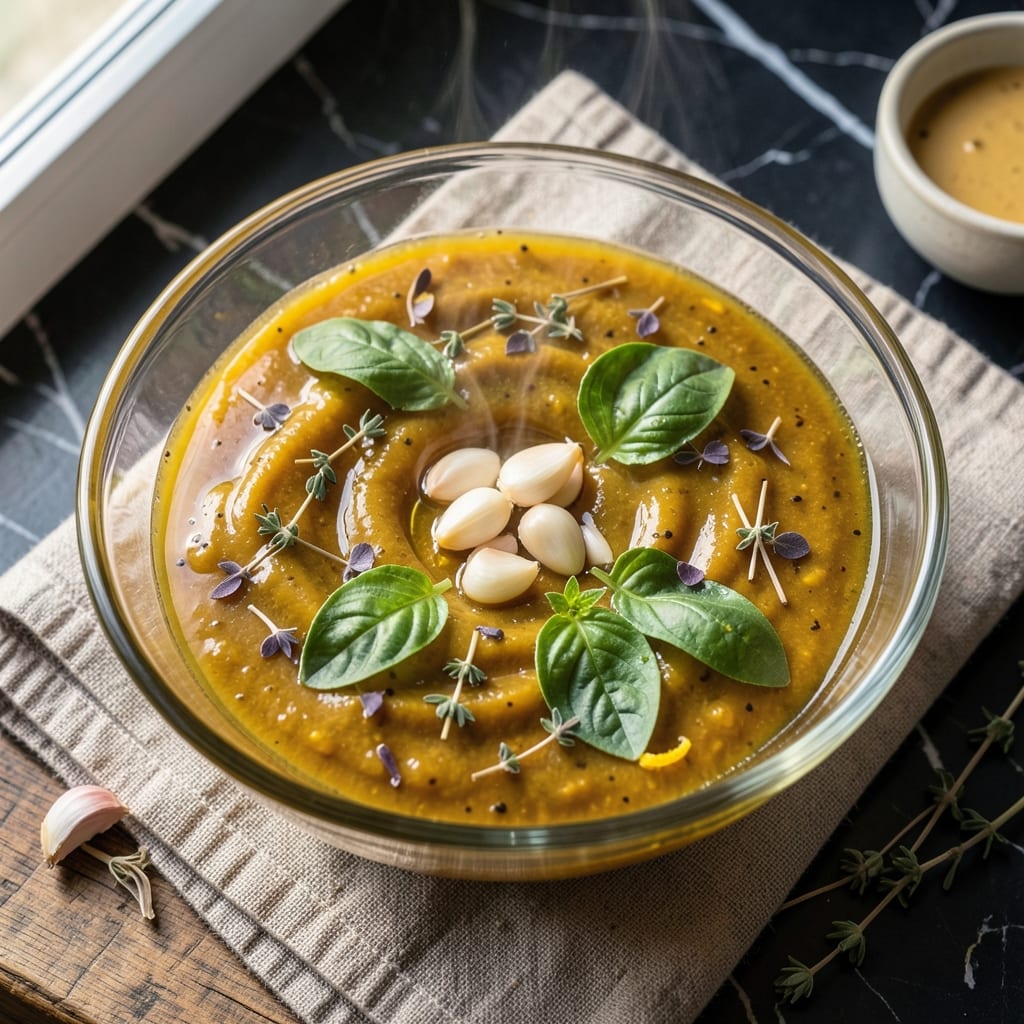
This apple cider vinegar Italian dressing recipe transforms simple ingredients into a vibrant, tangy sauce that elevates everything from fresh salads to roasted vegetables. The key lies in balancing sharp vinegar with rich olive oil and fresh herbs, creating a dressing that's bright yet deeply flavorful—without overpowering your dish. I developed this version after struggling to find a store-bought Italian dressing that didn't taste artificial or overly sweet.
The secret to its success is the ratio of vinegar to oil—just enough acidity to cut through richness while letting the garlic, oregano, and basil shine. Unlike traditional Italian dressings that rely on processed ingredients, this version uses real apple cider vinegar for a subtle fruitiness that pairs beautifully with tomatoes, caprese salads, or even drizzled over warm pasta. The dressing stays fresh for up to 2 weeks in the fridge, making it perfect for meal prep.
What makes this dressing stand out is its versatility—it works as a marinade for chicken or fish, a dip for crusty bread, or a finishing touch for roasted Brussels sprouts. The herbs are finely chopped to distribute flavor evenly, ensuring every bite is infused with that classic Italian tang. Once you try this, you’ll never reach for the bottled kind again.
For best results, whisk the ingredients together just before serving to preserve the herbs' freshness. If you prefer a thicker consistency, let it sit for 10 minutes to allow the oil to fully emulsify. Store in an airtight container, and enjoy the difference real ingredients make.
Ingredients for apple cider vinegar italian dressing
Nine simple ingredients create a dressing brighter than anything store-bought.
| Ingredient | Amount | Notes |
|---|---|---|
| Apple Cider Vinegar 🍏 | ½ cup | Raw, unfiltered preferred |
| Extra-Virgin Olive Oil 🫒 | ¾ cup | Light fruity variety |
| Fresh Basil Leaves 🌿 | ¼ cup | Finely chopped, stems removed |
| Fresh Oregano Leaves 🌿 | 1 tbsp | Or 1 tsp dried oregano |
| Garlic Cloves 🧄 | 3 cloves | Minced or finely grated |
| Dried Thyme 🌿 | ½ tsp | Or 1 tsp fresh thyme |
| Dijon Mustard 🍯 | 1 tsp | For emulsification |
| Sea Salt 🧂 | 1 ½ tsp | Diamond Crystal preferred |
| Black Pepper 🌶️ | ½ tsp | Freshly ground preferred |
Apple cider vinegar is the heart of this dressing. Bragg or local orchard brands have the best flavor—avoid the cheap white vinegar stuff. The olive oil should be light fruity, not peppery or extra-virgin (too strong). Fresh basil and oregano make all the difference—grab them from the grocery store's produce section where they're usually fresher than the herb bins. If you're using dried herbs, crush them between your fingers to release the flavor. The garlic? Freshly minced is ideal, but pre-minced from a jar works in a pinch (just drain the oil).
No fresh herbs? Dried works at one-third the amount—just be sure to crush them. Short on vinegar? White wine vinegar or balsamic can substitute, but the apple cider's subtle sweetness is what makes this special. Want more depth? Add a pinch of red pepper flakes. The mustard helps emulsify the dressing so it doesn't separate—Dijon is non-negotiable here. For a sweeter dressing, add 1 tsp honey or maple syrup. The salt and pepper should be Diamond Crystal kosher if you've got it—it dissolves better than table salt.
This dressing keeps for 2 weeks in the fridge, but it gets better with age as the flavors meld. Store it in a glass jar with a tight lid—plastic can absorb odors. For a thicker consistency, let it sit for 10 minutes before using. Shake or whisk before each use to redistribute the oil. Make a double batch—it disappears fast. The emulsification improves over time, so wait 30 minutes before tasting if you can. Freezes beautifully for up to 3 months.
Why You'll Love This Recipe
- Here’s what sold me: I make a big batch on Sunday, and it doesn’t go bad. The vinegar acts like a natural preservative, so I’m not scrambling to finish a sad, wilted bottle of dressing by Friday. Plus, the olive oil keeps it from separating like those sad, watery store-bought bottles. I’ll be real: I’ve had this dressing sit for almost two weeks, and it’s still fresh enough to make me want to eat a whole loaf of bread.
- Five-Ingredient Magic: I swear, this dressing comes together faster than I can say "pasta night." Just toss the raw garlic, basil, and oregano into a mortar—or even a jar—with the vinegar and olive oil, then crush. No straining, no fuss, no waiting for a slow simmer. That tangy bite from the apple cider vinegar cuts through the richness of the olive oil like a knife, but it’s so simple my 12-year-old could do it (and often does).
- Herb-Packed Punch: Between us, this isn’t your basic jarred Italian dressing. The garlic cloves get a proper smash, releasing their punch, while the fresh basil and oregano—actual leaves, not dried crumbs—infuse the olive oil with bright, green goodness. Honestly, the first time I drizzled it over grilled chicken, I nearly spilled my wine laughing. It’s bold but balanced, like a hug from a nonna who knows her herbs.
- Weeknight Swiss Army Knife: This dressing is my secret weapon for everything. Toss it on salads, drizzle it over roasted veggies, or use it as a marinade for chicken skewers. I’ve even mixed it into mayo for sandwiches when I’m lazy. It’s the one thing I keep in my fridge that makes me look like a cooking genius, even when I’m just throwing things together at 7 PM. (Yes, even on a Tuesday night.)
Step-by-step instructions for apple cider vinegar Italian dressing
This bright, tangy dressing comes together in minutes with simple ingredients you likely already have.
Combine Wet Ingredients in a Bowl
In a medium bowl, whisk together the 0.5 cup apple cider vinegar and the 0.75 cup extra-virgin olive oil. I like to start with these two ingredients first because they form the base of the dressing. Use a fork or whisk to blend them thoroughly until they're fully emulsified and look like a smooth, pale yellow liquid.
This is where the magic begins—the vinegar's sharp tang cuts through the richness of the olive oil, creating a perfect balance. If you're using raw, unfiltered apple cider vinegar, you'll notice a slightly cloudy appearance, which adds to the dressing's rustic charm. Give it a taste at this point—it should be pleasantly acidic but not overwhelming.
Add Aromatics and Mustard
Next, stir in the 1 tsp Dijon mustard, 3 cloves minced garlic, and 0.5 tsp dried thyme. The mustard acts as an emulsifier, helping to bind the oil and vinegar together for a silky texture. I like to add the garlic and thyme now because their flavors need time to meld with the other ingredients.
Mix well until everything is fully incorporated. You'll see the mustard blend smoothly into the mixture, and the garlic will release its aromatic oils. This step is crucial for building flavor depth—don't rush it. If you're using fresh thyme instead of dried, you'll need about 1 tsp, but make sure to remove the woody stems first. The dressing should now have a rich, herby aroma with a hint of garlic's sharpness.
Fold in Fresh Herbs and Season
Gently stir in the 0.25 cup finely chopped fresh basil leaves and 1 tbsp fresh oregano leaves. I always add the herbs last to preserve their vibrant color and fresh flavor. Use a spoon to fold them in lightly—you don't want to bruise the leaves, which can make the dressing bitter.
Season with the 1.5 tsp sea salt and 0.5 tsp freshly ground black pepper. The salt enhances all the flavors, while the pepper adds a subtle heat that balances the dressing's acidity. Taste as you go—this is your chance to adjust the seasoning. If it needs more tang, add a splash of extra apple cider vinegar. If it's too sharp, a drizzle of olive oil can soften the acidity.
Let It Rest and Emulsify
Cover the bowl with plastic wrap and let the dressing rest at room temperature for at least 15 minutes. This resting period allows all the flavors to fully meld together and gives the mustard time to work its magic as an emulsifier. I know it's tempting to use it right away, but trust me—waiting makes a world of difference.
After resting, give the dressing another good stir. It should now have a creamy, velvety texture with no separation. If you notice any oil pooling on top, simply whisk it back into the mixture. The dressing is now ready to use, but I find it tastes even better after 1 hour in the fridge, when the flavors have had time to develop even further.
Pro Tips For Making Apple Cider Vinegar Italian Dressing
- PULSE THE GARLIC: I learned this the hard way—don’t just chop garlic and toss it in. Smash 2-3 cloves with the flat side of your knife first, then mince. The cell walls break, releasing more flavor and aroma instantly. (Yes, even if you’re impatient like me, wait 30 seconds before adding the vinegar—it mellows the bite.)
- STRAIN THE OIL FIRST: Extra-virgin olive oil is precious, but if you’re using a cheap bottle, strain it through a fine-mesh sieve before emulsifying. Sediment ruins the texture and makes the dressing gritty. I skip this with high-quality oil, but for anything under $12/bottle, it’s worth the 10-second effort.
- WHISK IN BATCHES: Don’t dump everything in the bowl at once and hope for the best. Mix 1/3 of the oil first, then alternate with vinegar and herbs in small additions. This guarantees a smooth emulsion instead of a split dressing. (Your blender won’t save you here—this is a whisk-only job.)
- SALT THE BASIL: Toss the fresh basil leaves in 1/2 teaspoon of flaky sea salt before adding them to the dressing. It softens the leaves slightly and balances the vinegar’s sharpness. I was skeptical until I tried it—now I can’t imagine skipping it. (Pro move: Use the stems too, finely chopped.)
Creative variations of this dish
Spicy Italian Twist
For a kick of heat, add 1 tsp red pepper flakes or ½ tsp cayenne pepper to the dressing. This works beautifully with roasted vegetables or grilled meats. I like to toast the red pepper flakes in a dry pan for 30 seconds to deepen their flavor before mixing them in. 🌶️
Herb Variations
Swap out basil and oregano for other Italian herbs like rosemary or sage for a completely different profile. Use 1 tbsp fresh rosemary (finely chopped) or 1 tsp dried sage instead. Rosemary adds a piney depth, while sage brings earthy warmth—both pair wonderfully with hearty dishes like roasted lamb or crusty bread.
Sweet & Tangy Version
Add 1 tbsp honey or 1 tsp maple syrup to balance the acidity and create a sweeter dressing. This version works amazingly on fruit salads or as a glaze for grilled chicken. I often drizzle it over warm balsamic-roasted Brussels sprouts for a perfect sweet-savory contrast. For extra richness, add ½ tsp vanilla extract—it’s a game-changer for desserts like pound cake or ice cream.
Garlic Lover’s Boost
Double the garlic to 6 cloves for a more intense flavor, or add 1 tsp garlic powder for convenience. For a smoky twist, use smoked garlic powder instead. This bolder version pairs perfectly with charred vegetables or grilled steak. Just be sure to let the dressing rest for 20 minutes to mellow the garlic’s sharpness before using it.
Creamy Italian Dressing
Blend in 2 tbsp Greek yogurt or sour cream for a creamy texture that’s perfect for potato salads or cold pasta dishes. I like to whisk it in gently to avoid curdling. For extra richness, use whipped heavy cream instead—it adds a luxurious touch to warm pasta salads or roasted cauliflower. Store the creamy version in the fridge and use it within 5 days for the best texture.
Balsamic Glaze Fusion
Reduce ¼ cup balsamic vinegar to a thick glaze by simmering it in a small saucepan for 5-7 minutes, then stir it into the dressing. This adds a deep, caramelized sweetness that’s perfect for drizzling over Caprese salads or grilled shrimp. For an extra touch, finish with a sprinkle of crumbled feta cheese or toasted pine nuts. The balsamic glaze keeps the dressing stable for up to 3 weeks in the fridge.
Nutrition facts
Frequently asked questions
Can I use white wine vinegar instead of apple cider vinegar?
White wine vinegar will work, but you'll lose the subtle sweetness and depth that apple cider vinegar brings. For a similar tang without the fruitiness, use an equal amount of white wine vinegar, but consider adding ½ tsp honey to mimic the apple cider's natural sweetness. The flavor profile will be sharper and more traditional Italian.
How do I fix separated dressing?
If your dressing separates, simply whisk vigorously or use an immersion blender to re-emulsify. The mustard acts as a natural emulsifier, so adding ½ tsp extra Dijon mustard and whisking again should restore its creamy texture. For future batches, let the dressing rest for 15-20 minutes before using to prevent separation.
What's the best way to store this dressing?
Store in an airtight glass jar in the fridge for up to 2 weeks. The glass preserves flavor better than plastic. For longer storage, freeze for up to 3 months—thaw in the fridge overnight. Always shake or whisk before using to redistribute any settled oil. The flavors actually improve after 24 hours in the fridge!
Can I make this dressing without fresh herbs?
Yes! Use 1 tsp dried basil and ½ tsp dried oregano (crushed between your fingers). For extra flavor, add ½ tsp dried marjoram—it mimics fresh oregano's depth. The texture will be slightly less vibrant, but the taste remains excellent. Toast the dried herbs in a dry pan for 30 seconds before adding to deepen their aroma.
What are the best dishes to use this dressing with?
This dressing shines on Caprese salads, pasta salads, grilled chicken, and roasted vegetables. It also works as a marinade for fish or lamb (use within 4 hours of marinating). For desserts, try it with warm pound cake or baked apples—the tang cuts through sweetness beautifully.