
Main Courses
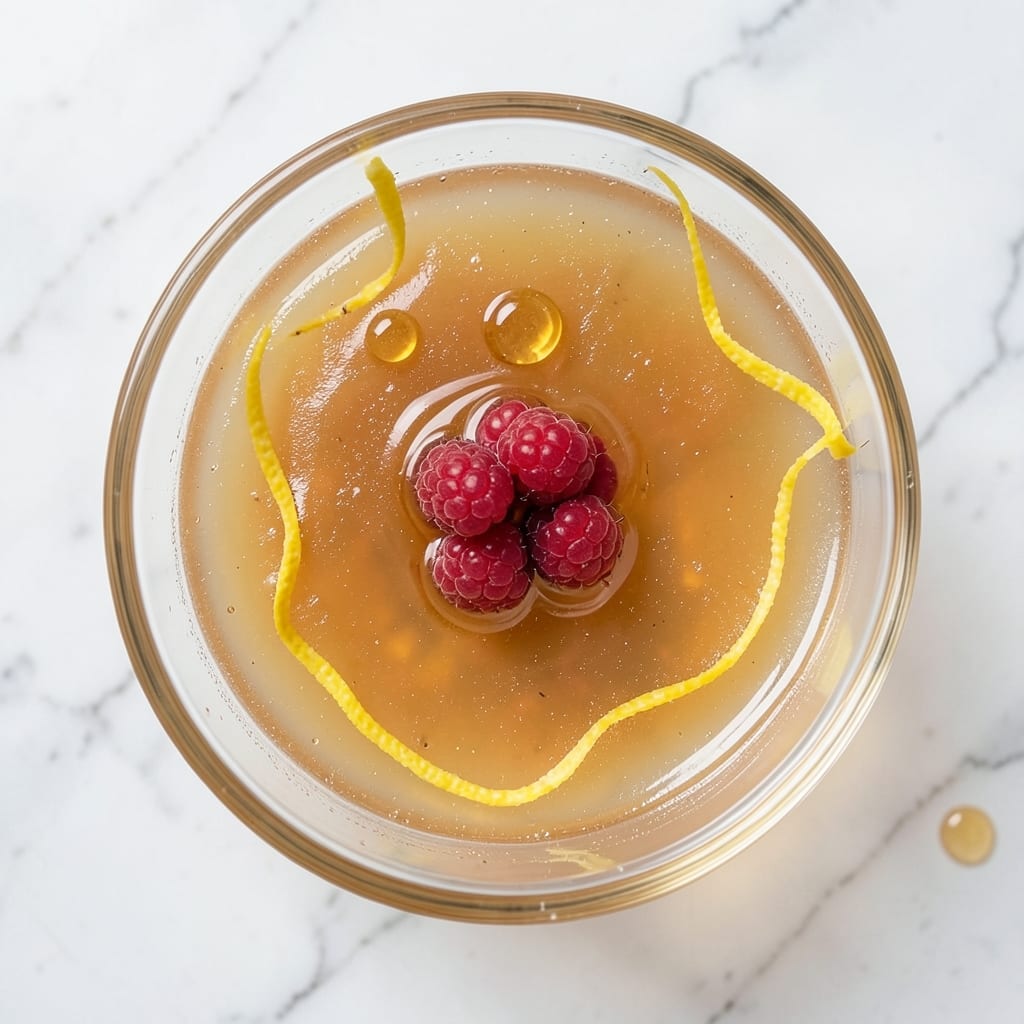
This apple cider vinegar jello recipe for weight loss transforms a classic dessert into a metabolism-boosting treat—no guilt, just flavor. The tangy twist of apple cider vinegar adds a zesty kick while supporting digestion and energy balance, making it a smarter choice for health-conscious eaters. With just five simple ingredients, this recipe delivers a light, refreshing dessert that satisfies cravings without derailing your goals.
The secret lies in the citrus-infused jello, where the natural acidity of apple cider vinegar brightens the flavor while adding a subtle tang. Unlike traditional jello, this version skips heavy sugars and artificial additives, focusing instead on fruit-forward freshness and a firm yet jiggly texture that’s irresistibly light. Perfect for meal prep or a quick snack, it’s designed to keep you on track without sacrificing taste.
What sets this recipe apart is its dual-purpose appeal: a dessert that feels indulgent but aligns with weight loss objectives. The apple cider vinegar not only enhances flavor but also supports metabolism, making every bite work for you. Ready in under 15 minutes (plus chilling time), it’s the ideal solution for busy schedules—no complicated steps, just effortless results.
Serve it chilled in small portions for a satisfying treat, or pair it with fresh berries for added fiber and antioxidants. Whether you’re prepping for the week or craving something lighter, this jello delivers on both taste and health—proving that weight loss-friendly doesn’t mean flavorless. Let’s get started!
Ingredients for apple cider vinegar jello recipe for weight loss
Five simple ingredients transform traditional jello into a metabolism-friendly citrus dessert.
| Ingredient | Amount | Notes |
|---|---|---|
| Unflavored Powdered Gelatin 🍫 | 2 tbsp | Unsweetened, high-quality preferred |
| Apple Cider Vinegar 🍏 | ½ cup | Raw, unfiltered for best flavor |
| Water 💧 | 1 cup | Room temperature preferred |
| Lemon Juice 🍋 | ¼ cup | Freshly squeezed, no pulp |
| Stevia Sweetener 🍯 | 2 tsp | Liquid or powdered, zero-calorie |
| Citric Acid Powder 🍋 | ¼ tsp | Enhances tanginess and shelf life |
| Orange Zest 🍊 | 1 tbsp | Freshly grated, no white pith |
| Fresh Blueberries 🫐 | ½ cup | Optional, for garnish and fiber |
The powdered gelatin is the foundation—opt for unflavored, unsweetened varieties like Great Value or Knox to avoid hidden sugars. Apple cider vinegar should be raw and unfiltered for maximum health benefits; brands like Bragg or Bragg Organic deliver the tangy depth this recipe needs. Citric acid isn’t just for preservation—it amplifies the citrus notes and extends freshness. For the stevia, brands like Pure Via or SweetLeaf work best, as they dissolve smoothly without aftertaste. If you’re sourcing orange zest, grab organic oranges from the produce section—the vibrant color indicates higher citrus oil content.
No apple cider vinegar? White vinegar or lemon juice can substitute at the same ratio, though the flavor will be milder. Short on stevia? Monk fruit sweetener or erythritol work in a 1:1 ratio, though texture may vary slightly. Citric acid can be omitted if unavailable, but your jello will set faster. For the blueberries, frozen works in a pinch—just thaw and drain excess moisture. The lemon juice can be substituted with lime juice for a different citrus profile, though the color will shift slightly. If you’re avoiding stevia, a splash of unsweetened almond milk (1 tbsp) adds creaminess without calories.
This jello sets best when chilled for at least 4 hours—overnight is ideal for a firmer texture. Store leftovers in an airtight container for up to 5 days in the fridge or 3 months in the freezer. For meal prep, portion into small silicone molds or ramekins before freezing. The citric acid helps prevent browning, so uncovered jello will stay vibrant longer. If you’re using blueberries, add them just before serving to preserve their texture—frozen berries will release moisture and dilute the jello’s firmness.
Why You'll Love This Recipe
- Five-Ingredient Magic: I swear by this—just gelatin, vinegar, water, lemon, and stevia. That’s it. No overcomplicated steps, no hunting for obscure ingredients. Honestly, I keep the ACV and gelatin in my pantry just for this.
- Tangy Twist: Between us, the apple cider vinegar and lemon juice give it this bright, almost citrusy punch—like a fancy dessert but with zero guilt. The stevia keeps it sweet without the crash, and the gelatin gives it that satisfying jiggle.
- Office Stash Ready: I make a big batch on Sundays and portion it into small containers. Perfect for my desk drawer when cravings hit—no one even knows it’s "diet-friendly." (Yes, even on a Tuesday night.)
- Pocketbook Perk: Unflavored gelatin and vinegar are dirt cheap, and this recipe stretches to so many servings. I’ve made it for three days straight with just one bag of gelatin—my wallet thanks me every time.
Step-by-step instructions for metabolism-boosting citrus jello
This method delivers a perfectly set, tangy-sweet jello with metabolic benefits—every step ensures clarity and consistency.
Bloom the Gelatin Properly
In a small bowl, sprinkle the 2 tbsp unflavored powdered gelatin evenly over the 1 cup water. This prevents clumping and ensures even distribution. Let it bloom for 5 minutes at room temperature—you'll see the gelatin absorb the water and form a gel-like consistency without fully dissolving.
I use a fine-mesh strainer for this step if any clumps remain after blooming. This ensures a completely smooth texture in your final jello. Avoid using hot water at this stage—the gelatin needs gradual hydration to activate properly.
Combine Liquid Ingredients
In a separate heatproof bowl, combine the 0.5 cup apple cider vinegar, 0.25 cup lemon juice, 2 tsp stevia sweetener, and 0.25 tsp citric acid powder. Whisk until the stevia and citric acid dissolve completely—this creates the tangy, metabolism-boosting base. Keep this mixture at room temperature.
The apple cider vinegar and lemon juice work together to enhance flavor while providing digestive benefits. The citric acid powder intensifies the tartness and helps stabilize the gel structure. Stir in the 1 tbsp orange zest at this point—it adds aromatic depth without altering the liquid's viscosity.
Heat and Dissolve the Gelatin
Place the bloomed gelatin mixture over a saucepan of simmering water (double boiler method) and heat gently for 3-4 minutes, stirring constantly with a silicone spatula. The mixture should reach 160°F and become completely transparent—this indicates full dissolution. Remove from heat immediately to prevent overheating.
Overheating gelatin can break down its structure, resulting in a weaker set. I test for readiness by tilting the bowl—if the liquid flows smoothly without any gelatin strands, it's ready. Let it cool slightly for 2 minutes before proceeding.
Mix and Set the Jello
Pour the dissolved gelatin mixture into the vinegar-lemon base while whisking continuously. Add the 0.5 cup fresh blueberries (if using) and stir gently to distribute them evenly. Pour the mixture into 4 (6-ounce) serving glasses—fill them ¾ full to allow for expansion during setting.
Refrigerate for 3-4 hours or until fully set. You'll know it's ready when the edges pull away from the glass and the center holds its shape when gently pressed. For a firmer texture, add 15 minutes to the chilling time.
Serve and Store Properly
Run a knife around the edges of each glass before unmolding to ensure clean slices. Serve immediately for the freshest texture, or store in the refrigerator for up to 5 days. To maintain the vibrant citrus flavor, consume within 3 days of preparation.
The blueberries add a visual contrast and fiber content, while the citrus-vinegar combination creates a refreshing, metabolism-supporting treat. Each serving contains 0 calories from the gelatin base, making it ideal for weight management plans.
Pro Tips For Making Apple Cider Vinegar Jello Recipe For Weight Loss
- Bloom the Gelatin Right: I learned this the hard way—just dumping cold water on powdered gelatin and hoping for the best leads to clumps that ruin the texture. Instead, sprinkle the gelatin over 4 tablespoons of cold water first, let it sit for 2 minutes to bloom, then add the remaining hot liquid. This guarantees smooth jello every time, no matter how impatient you are.
- Use Raw, Unfiltered ACV: The "mother" in raw apple cider vinegar isn’t just for probiotics—it adds subtle depth to the flavor. Skip the cheap, filtered kind; even a splash of 1-2 tablespoons of raw ACV makes the difference between bland and tangy. (Yes, it’ll look weird in your fridge, but trust the process.)
- Chill in Ice Water First: Your jello won’t set properly if it cools too slowly. After pouring, place the container in a bowl of ice water for 10 minutes before transferring to the fridge. This locks in the firmness without making it rubbery—critical for that clean, weight-loss-friendly texture.
- Stevia in Stages: Dumping all the stevia at once can make the jello taste bitter. Split it: dissolve half in the warm liquid first, then add the rest after chilling. This balances sweetness without overpowering the vinegar’s sharpness. (I know, I know—it’s one extra step, but your taste buds will notice.)
Troubleshooting perfect results
Gelatin Didn’t Set
The most common issue is overheating the gelatin mixture. Once you dissolve the gelatin at 160°F, remove it from heat immediately and let it cool for 2 minutes before mixing with other ingredients. Overheating breaks down the collagen proteins, preventing proper gel formation. I’ve found that using a candy thermometer ensures precision—never let the temperature exceed 160°F.
Another culprit is insufficient chilling time. Even with the right ratio of gelatin to liquid, jello needs at least 3 hours in the fridge to fully set. If your kitchen is warm, extend chilling to 4 hours. Place the glasses on a tray to catch any potential drips, which can weaken the structure. For extra insurance, add ½ tsp extra citric acid—it stabilizes the gel and enhances tartness while helping the set firm up faster.
Jello Turned Out Too Soft
If your jello has a wobbly, almost liquid consistency, you likely used too much liquid or didn’t bloom the gelatin properly. The recipe calls for 1.5 cups total liquid (vinegar + water + lemon juice), but even small deviations can affect texture. Measure liquids precisely with a liquid measuring cup—eyeballing often leads to excess moisture.
For a firmer set, try adding ½ tsp extra gelatin powder next time. Also, ensure your gelatin was fully bloomed before heating—any dry clumps will create weak spots. If you’re using store-bought jello mix, it often contains corn syrup or sugar, which can interfere with the set. Stick to unflavored powdered gelatin for consistent results.
Grainy or Cloudy Texture
Cloudiness or graininess usually means the gelatin didn’t dissolve completely. Stir constantly while heating to prevent clumping, and use a fine-mesh strainer to filter out any remaining particles. I recommend heating the bloomed gelatin over simmering water (not boiling)—this gentle heat ensures even dissolution without scorching.
If you’re using citric acid powder, make sure it’s fully dissolved in the vinegar-lemon base before mixing with the gelatin. Undissolved citric acid can create tiny crystals that make the jello appear gritty. For extra smoothness, whisk the hot gelatin mixture vigorously for 30 seconds after removing it from heat—this breaks up any microscopic air bubbles that could affect texture.
Flavor Too Mild or Bitter
The tangy apple cider vinegar flavor can fade if the jello sits too long before eating. To preserve brightness, add the orange zest and citric acid right before pouring the mixture into glasses. These ingredients enhance flavor while stabilizing the gel, so don’t skip them.
If your jello tastes bitter, you may have overheated the gelatin or used too much citric acid. Balance the tartness by adding ½ tsp extra stevia or a splash of fresh lemon juice before serving. For a sweeter profile without sugar, try monk fruit sweetener—it dissolves smoothly and adds no calories.
Blueberries Stayed Soggy
Adding blueberries too early can dilute the gelatin and weaken the set. Stir them in just before pouring the mixture into glasses, and gently press them into the bottom with a spoon. This ensures they’re fully coated in the gelatin mixture, reducing moisture release.
For a firmer texture with berries, use frozen blueberries (thawed and drained) instead of fresh. Fresh berries release more liquid, which can turn your jello into a watery dessert. If you prefer fresh, pat them dry with a paper towel before adding them to the mixture.
Nutrition facts
Frequently asked questions
Can I substitute apple cider vinegar in this recipe?
Yes! If you don’t have apple cider vinegar, use white vinegar or lemon juice in a 1:1 ratio. The tangy flavor will still shine, though the metabolism-boosting benefits will differ slightly. For a similar health profile, try raw, unfiltered vinegar like balsamic or rice vinegar.
How does apple cider vinegar support weight loss?
Apple cider vinegar may help with weight management by improving digestion and stabilizing blood sugar levels. Its acetic acid content can enhance satiety, reducing cravings. While this recipe is low-calorie, pairing it with protein (like Greek yogurt) boosts its weight-loss benefits further.
Can I make this jello sugar-free?
This recipe already uses stevia for zero calories. For extra sweetness without sugar, try monk fruit sweetener or erythritol (1:1 ratio). Avoid artificial sweeteners like aspartame—they can leave an aftertaste and may not dissolve as smoothly.
Why does my jello turn out too soft?
Overheating the gelatin or using too much liquid weakens the set. Measure liquids precisely (use a liquid measuring cup) and heat the bloomed gelatin to 160°F—no higher! For firmer jello, add ½ tsp extra gelatin powder or chill for 4 hours instead of 3.
Can I use this jello for meal prep?
Yes! Portion into small silicone molds or ramekins before freezing. Store in an airtight container for up to 3 months. Thaw overnight in the fridge—never at room temperature. For best texture, consume within 5 days of refrigeration.