
Beverages
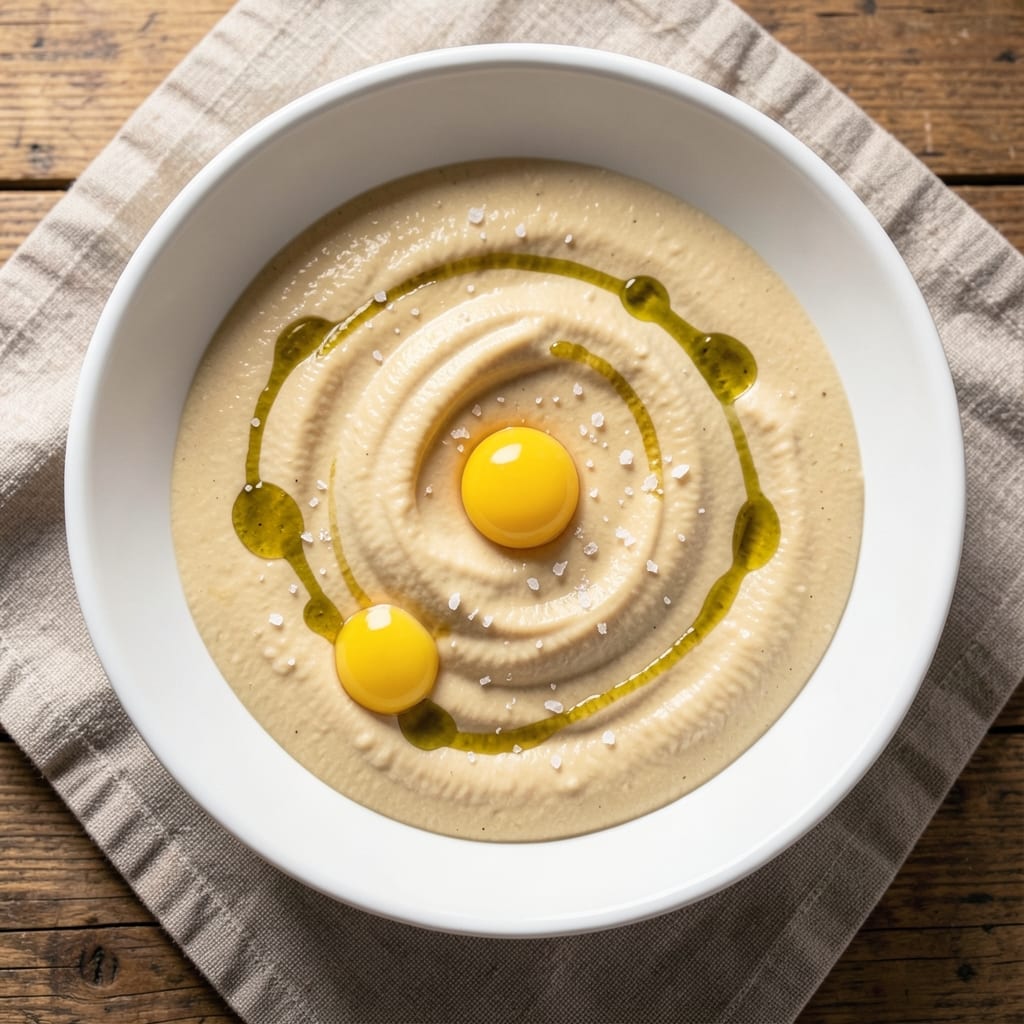
This apple cider vinegar mayonnaise recipe transforms the classic condiment with a bright, tangy twist that elevates every dish it touches. The secret lies in replacing traditional vinegar with apple cider vinegar, which adds a subtle sweetness and complexity that traditional mayo simply can't match. This isn't just another mayo—it's a flavorful upgrade that stays creamy, rich, and perfectly emulsified for days.
The process is straightforward but requires attention to detail, particularly when combining the ingredients to achieve that signature smooth texture. Unlike standard mayo, this version incorporates apple cider vinegar for a sharper, more nuanced taste, while still maintaining the familiar creamy consistency. The result is a versatile condiment that works as a sandwich spread, salad dressing, or even a dip for crispy fries—all with that signature tangy kick.
What sets this recipe apart is its ability to enhance flavors without overpowering them. The apple cider vinegar adds a hint of sweetness and depth, making it ideal for everything from classic BLTs to fresh garden salads. The emulsification technique ensures a stable, creamy texture that won't separate, even after refrigeration. Once you try it, you'll never go back to store-bought mayo again.
Perfect for meal prep, this mayo keeps beautifully in the fridge for up to two weeks, making it a convenient addition to any pantry. Whether you're a home cook looking to elevate your dishes or a seasoned chef refining your techniques, this recipe delivers a condiment that's as functional as it is delicious. Let's get started on creating your own batch of this zesty twist on a classic favorite.
Ingredients for apple cider vinegar mayonnaise
Eight simple ingredients transform classic mayo into a tangy, velvety masterpiece—no fancy tools needed.
| Ingredient | Amount | Notes |
|---|---|---|
| Extra-Virgin Olive Oil 🫒 | 1 cup | High-quality, fruity variety preferred |
| Apple Cider Vinegar 🍏 | 2 tbsp | Raw, unfiltered for best flavor |
| Large Egg Yolks 🥚 | 3 whole | Fresh, room-temperature preferred |
| Dijon Mustard 🌶️ | 1 tbsp | Mild or medium heat preferred |
| Granulated Sugar 🍚 | ½ tsp | Balances acidity |
| Kosher Salt 🧂 | ½ tsp | Diamond Crystal preferred |
| Black Peppercorns 🌶️ | ¼ tsp | Freshly ground for texture |
| Lemon Juice 🍋 | 1 tsp | Freshly squeezed for brightness |
The olive oil makes or breaks this mayo. California Olive Ranch or BertolliBragg or Hodgson Mill are the gold standards (raw, unfiltered versions have more depth). Egg yolks need to be fresh—if they're old, the mayo won't emulsify properly. I always buy organic cage-free yolks from the grocery store's refrigerated section, and let them sit at room temp for 10 minutes before using. The Dijon mustard adds body, but if you've only got regular yellow mustard, mix it with 1 tsp of mayo to mimic the texture.
No Dijon? Yellow mustard plus 1/4 tsp of sugar works in a pinch. Short on vinegar? White wine vinegar at half the amount gives similar tang, though less sweetness. The sugar and lemon juice balance the acidity—skip either and you'll get a sharp, unbalanced mayo. For extra richness, add 1/4 cup of neutral oil like avocado oil at the end. If your mayo breaks during emulsification, just add 1 tsp of vinegar and whisk vigorously. It'll come back together every time. The peppercorns should be freshly ground—pre-ground loses its punch after a few weeks.
This mayo keeps for 2 weeks in the fridge, sealed tightly in a glass jar. The oil will rise to the top—just give it a good stir before using. For longer storage, freeze in 1-tbsp portions (thaw overnight in the fridge). If it thickens in the fridge, add 1 tsp of warm water to restore creaminess. The flavor actually improves after a day or two—don't rush to eat it all at once. I always make a double batch so I've got it ready for sandwiches and salads all week.
Why You'll Love This Recipe
- No Whisking Needed: I swear by this method—just a fork and a bowl. The yolks emulsify effortlessly with the olive oil and vinegar, and that Dijon mustard does the heavy lifting of binding everything together. Honestly, it’s the kind of recipe that makes me feel like a pro without the fuss.
- Tangy Twist: That apple cider vinegar adds this bright, almost buttery tang that regular mayo can’t touch. The sugar just rounds it out enough to make it work with everything—sandwiches, salads, even as a dip. It’s the kind of flavor that makes you go back for seconds without even trying.
- Pantry Staple Magic: Between us, this recipe uses things you already have lurking in your cupboards. No specialty ingredients, no last-minute grocery runs. I’ve used it for picnic spreads, tuna salads, and even as a base for homemade dressings—it’s my go-to when I’m low on time or inspiration.
- Keeps Like a Dream: This mayo stays fresh for days in the fridge, which means I can make a big batch on Sunday and not stress about it going bad. Plus, it’s cheaper than store-bought—just a fraction of the cost for way more flavor. My wallet and leftovers thank me every time.
Step-by-step instructions for apple cider vinegar mayonnaise
Here's how to craft this tangy, velvety condiment that delivers restaurant-quality flavor.
Prepare Ingredients for Perfect Emulsification
Start by separating the yolks from the eggs - you'll only need the yolks for this recipe. Place the 3 whole large egg yolks in a medium heatproof bowl that fits comfortably over a saucepan. The bowl should be deep enough to whisk vigorously without spilling, but not so large that the mixture becomes diluted.
In a small measuring cup, combine the 2 tablespoons apple cider vinegar with the 1 teaspoon lemon juice. This acid blend will create the signature tang while balancing the richness of the olive oil. Keep these ingredients at room temperature for best results - cold ingredients can cause the emulsion to break.
Whisk Yolks and Mustard Until Pale
Place the bowl of egg yolks over a pot of barely simmering water, ensuring the bottom of the bowl doesn't touch the water. This gentle heat helps the yolks emulsify more easily. Whisk continuously for 2-3 minutes until the yolks become pale and thicken slightly - you'll notice they'll begin to look like a thick ribbon when you lift the whisk.
Remove the bowl from the heat and add the 1 tablespoon Dijon mustard. Whisk vigorously for another 30 seconds until fully incorporated. The mustard adds depth of flavor and helps stabilize the emulsion. This is where the magic begins - the mustard's natural emulsifiers will work with the egg yolks to create that perfect creamy texture.
Gradually Incorporate Olive Oil in a Slow Stream
With the whisk moving continuously, very slowly begin adding the 1 cup extra-virgin olive oil. I mean very slowly - about 1 tablespoon at a time. This gradual incorporation is absolutely critical. The oil should be absorbed into the yolk mixture before adding more, creating that signature mayonnaise texture. If you add it too quickly, you'll end up with a broken sauce.
After adding about half the oil, the mixture should begin to thicken noticeably. Continue whisking vigorously as you add the remaining oil. You'll know you're on the right track when the mayonnaise starts to coat the back of your spoon and hold its shape when you lift the whisk. This process should take about 5-7 minutes total.
Season and Finish the Emulsion
Once all the olive oil is incorporated, remove the bowl from the heat (if it's still warm) and add the 0.5 teaspoon granulated sugar, 0.5 teaspoon kosher salt, and freshly ground 0.25 teaspoon black peppercorns. Whisk everything together until fully combined and smooth. The sugar helps balance the acidity while the salt and pepper enhance all the flavors.
Taste your mayonnaise and adjust the seasoning if needed. For more tang, add a bit more apple cider vinegar. For richer flavor, add a tiny bit more olive oil. The mayonnaise should be creamy, tangy, and perfectly balanced. If it's too thick, whisk in 1 teaspoon water at a time until you reach your desired consistency. If it's too thin, add a bit more olive oil.
Store Properly for Maximum Freshness
Transfer your finished mayonnaise to a clean, airtight container. For best results, use it within 3-4 days when stored in the refrigerator. The acidity from the apple cider vinegar helps preserve it longer than traditional mayonnaise, but it's still best enjoyed fresh.
This tangy twist on classic mayonnaise works perfectly on sandwiches, in salads, or as a dip. The apple cider vinegar adds a bright, slightly sweet acidity that pairs beautifully with the rich olive oil. The result is a mayonnaise that's both familiar and excitingly different - exactly what you'd expect from this zesty variation.
Pro Tips For Making Apple Cider Vinegar Mayonnaise
- Whisk Slow and Steady: Start with a drizzle of oil, not a flood—adding it too fast is how you end up with a broken emulsion. Once the yolks and mustard are fully combined, let the oil stream in thinly while whisking like you’re painting a fence, not stirring a pot of soup.
- Chill the Yolks First: Cold yolks emulsify better, and this mayo isn’t the place for warm shortcuts. Pop the eggs in the fridge for 10 minutes before cracking them—it’s the difference between a smooth sauce and one that fights you every step.
- Measure Vinegar Precisely: Apple cider vinegar is tart and unpredictable. Use a scale or a measuring spoon—eyeballing it means your mayo could end up either bland or aggressively sour. Stick to the recipe’s ratio, then adjust after the emulsion is set.
- Sweeten Last, Not First: Sugar dissolves faster in warm yolks, but adding it early can make the base too thick before the oil comes in. Save it for the final whisk—just enough to balance the tang, not drown it. Taste as you go.
Wine and beer pairings for this recipe
Crisp White Wine Pairings
A dry Riesling from Germany or Alsace is my go-to pairing—its bright acidity mirrors the apple cider vinegar's tang while cutting through the richness of the mayo. Look for a Kabinett or Spätlese with crisp citrus notes to complement the sweetness in the vinegar. Serve slightly chilled (45-50°F) to enhance the refreshing contrast. 🍷
Crisp Lager Complements
A Belgian witbier like Hoegaarden or Stella Artois (with its coriander and orange peel notes) creates a delightful balance. The effervescence cleanses your palate between bites of mayo-rich dishes, while the subtle sweetness in the beer harmonizes with the apple cider vinegar's depth. For a lighter option, try a German Helles like Weihenstephaner Original.
Dry Rosé Refreshment
A Provence-style dry rosé with its strawberry and citrus undertones elevates the mayo's complexity. The rosé's natural acidity enhances the apple cider vinegar's tang, while its floral notes add an elegant touch. Opt for a chilled rosé (45-50°F) to maintain crispness. Brands like Whispering Angel or Miraval work beautifully.
Hard Cider Harmony
For a non-alcoholic or casual pairing, a dry hard cider like Angry Orchard or Strongbow bridges the gap between mayo and savory dishes. The apple notes in the cider echo the vinegar's sweetness, while its effervescence refreshes the palate. Serve it slightly chilled (45°F) for the best experience.
Bitter Beer Contrast
If you prefer bold flavors, a German Pilsner like Warsteiner or Jever provides a crisp, bitter contrast that highlights the mayo's creaminess. The beer's hoppy bitterness balances the sweetness in the apple cider vinegar, creating a harmonious pairing. Serve at 40-45°F to preserve its refreshing qualities.
Nutrition facts
Frequently asked questions
Why does this mayo taste different from store-bought?
The apple cider vinegar adds a bright, slightly sweet tang that traditional mayo lacks. This version also uses extra-virgin olive oil instead of vegetable oil, giving it a richer, more complex flavor. The Dijon mustard adds depth, while the lemon juice enhances freshness—all working together for a more nuanced taste.
Can I make this mayo without an egg substitute?
Yes! For a vegan version, replace the egg yolks with 3 tbsp aquafaba (chickpea brine) or 1/4 cup neutral oil-based vegan mayo as a base. Whisk in the vinegar and other ingredients slowly while blending with an immersion blender. The texture will be slightly lighter but still creamy.
What if my mayo breaks during emulsification?
Don't panic! Add 1 tsp of apple cider vinegar and whisk vigorously for 1-2 minutes. If that doesn't work, mix in 1 tbsp of warm water while whisking continuously. The emulsion will reform—this happens to everyone, even pros! The key is patience and slow oil incorporation next time.
How can I use this mayo beyond sandwiches?
This versatile mayo works as a creamy dressing for potato salads, a dip for fries or veggie sticks, or even a marinade for grilled chicken or fish. Try it mixed with 1 tbsp honey for a sweet-savory glaze, or with fresh herbs like dill or chives for bright flavors.
Does the sugar in this recipe make it unhealthy?
Only 0.5 tsp of sugar balances the acidity—not enough to be concerning. The health benefits come from using extra-virgin olive oil (rich in healthy fats) and apple cider vinegar (supports digestion). For a sugar-free version, omit it entirely—the tang will still be delicious!